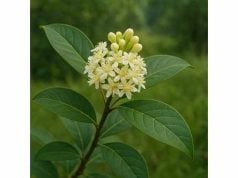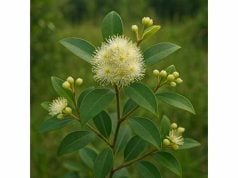
New Jersey tea, Ceanothus americanus, is a small North American shrub with a long history that connects food, folk medicine, and plant science. During the American Revolutionary period, its leaves were brewed as a caffeine-free tea substitute, but its medicinal reputation came mainly from the root and root bark. Traditional North American herbal practice described it as an astringent, tissue-toning herb used for short-term bowel complaints, mild mouth and throat irritation, and other conditions where a drying, tightening effect was desired. Modern phytochemical work adds another layer of interest: the plant contains tannins, flavonols, triterpenes, and a notable class of cyclopeptide alkaloids that help explain why it has remained relevant in herbal literature.
At the same time, New Jersey tea is a herb that calls for balance. Its traditional uses are well documented, and some laboratory findings are promising, especially around phytochemistry and antimicrobial activity. But there are no strong modern clinical trials proving it as a treatment for digestive disease, lymphatic problems, spleen disorders, or infections. The best way to approach it is as a traditional astringent herb with limited modern evidence, not as a fully validated therapy.
Quick Summary
- New Jersey tea is best known as a traditional astringent herb for short-term digestive and mucosal support.
- Its root bark contains tannins, flavonols, triterpenes, and cyclopeptide alkaloids with pharmacognosy interest.
- A cautious traditional-style range is about 1 to 2 g dried leaf or root in 240 mL water, once or twice daily for short-term use.
- It is best avoided during pregnancy, breastfeeding, before surgery, and by anyone using it instead of proper medical care.
Table of Contents
- What New Jersey tea is and why it has lasted
- Key ingredients and active compounds in New Jersey tea
- Health benefits and medicinal properties what is plausible
- Traditional uses and practical applications
- How to prepare and use New Jersey tea
- Dosage, timing, and common mistakes
- Safety, side effects, and who should avoid it
What New Jersey tea is and why it has lasted
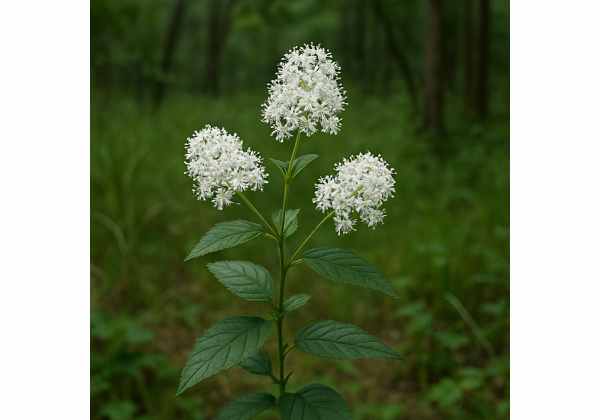
New Jersey tea is a low, woody shrub in the buckthorn family, Rhamnaceae. It is native to much of eastern and central North America and tends to grow in dry prairies, open woods, sandy soils, and rocky hillsides. It is not the same as true tea, because it does not come from Camellia sinensis and contains no caffeine. The common name comes from colonial use of the leaves as a tea substitute, especially when imported black tea was difficult to obtain. That historical role still shapes how the plant is remembered, even though its medicinal use centered more on the root than on the leaves.
The plant is also widely known as red root, a name tied to its deep reddish root system. That detail matters because in North American herbal traditions the root and root bark became the main medicinal materials, while the leaves were more often brewed as a beverage. Traditional use associated the plant with bowel troubles, oral discomfort, mild respiratory complaints, and other short-term concerns where a drying, astringent action was desired.
Part of the reason the herb has lasted is that it occupies an unusual middle ground. It is not a mainstream evidence-based botanical like peppermint or ginger, yet it is also not a random folk remedy with no chemical identity. It has a strong historical record, a clear phytochemical profile, and some laboratory activity that makes its traditional reputation easier to understand. At the same time, the gap between traditional enthusiasm and modern proof remains large. That gap matters because New Jersey tea is often marketed with confident claims about the lymphatic system, spleen support, detoxification, or chronic infection that go well beyond what modern human evidence can support.
In practical terms, the herb makes the most sense when seen in three layers. First, it is a native shrub with ecological and historical value. Second, it is a traditional astringent and tea herb with a long North American record. Third, it is a pharmacognosy subject, meaning researchers are interested in the compounds it makes and what those compounds may do. Those layers can coexist without turning the herb into a miracle cure.
For readers familiar with tissue-toning botanicals, New Jersey tea fits most naturally beside astringent herbs used for topical and mucosal support, though it has its own chemistry and history. That comparison helps set expectations: think tightening, drying, and short-term support rather than broad systemic transformation.
Key ingredients and active compounds in New Jersey tea
New Jersey tea is not valued as a nutrient herb in the way fruits or leafy foods are. Its medicinal interest comes mainly from secondary plant compounds. The most important groups discussed in the literature are tannins, flavonols, triterpenes, and cyclopeptide alkaloids. Together, these help explain the herb’s astringent reputation and why it continues to attract pharmacological interest.
Tannins are the clearest place to start. They are strongly associated with the drying, tightening effect that herbalists describe as astringent. Herbs rich in tannins are often chosen for brief use when tissues feel overly moist, irritated, lax, or inflamed. In New Jersey tea, tannins likely account for much of its traditional use in bowel complaints, mouth irritation, and tissue-toning formulas. Tannins can also contribute to antioxidant and antimicrobial activity in laboratory settings, though those findings should not be confused with proven clinical effects.
The leaves also contain flavonols such as afzelin, quercitrin, and rutin. These compounds are often discussed in relation to antioxidant behavior, microvascular support, and broader anti-inflammatory interest. In New Jersey tea, they help round out the herb’s profile but do not turn it into a modern evidence-based therapy on their own.
The root bark is chemically even more distinctive. Researchers have identified multiple peptide alkaloids from Ceanothus americanus, including ceanothines, ceanothamines, americine, frangulanine, and related compounds. More recent work has gone beyond simple identification and connected these cyclopeptide alkaloids to dedicated biosynthetic pathways in the plant. That does not automatically create a consumer-facing benefit, but it confirms that New Jersey tea is a chemically sophisticated herb rather than a vague historical remedy.
Laboratory work has also identified triterpenes such as ceanothic acid, 27-hydroxy ceanothic acid, and ceanothetric acid, along with flavonoids like maesopsin and its glucoside, in extracts tested against oral pathogens. These findings are especially interesting because they connect specific named molecules to measurable biological activity. Still, the important limit remains the same: preclinical activity is not the same as proven efficacy in people.
In practical language, the herb’s “key ingredients” are not one magic molecule but a layered phytochemical system. Tannins likely explain much of the immediate astringent feel. Flavonols support antioxidant interest. Triterpenes and cyclopeptide alkaloids add depth and pharmacological intrigue.
Readers who like comparing herbs by chemistry may also find phytochemically distinctive mucosal herbs useful for context, though the compounds, actions, and safety profile are different.
Health benefits and medicinal properties what is plausible
The strongest way to discuss New Jersey tea’s health benefits is to separate plausible, tradition-aligned uses from claims that remain unproven. The plausible category includes short-term astringent support for irritated tissues, especially in the digestive tract or mouth, along with broad phytochemical interest. The unproven category includes sweeping claims about curing infections, shrinking swollen organs, clearing the lymphatic system, or treating chronic inflammatory disease.
Its most believable traditional benefit is digestive astringency. Historical use and the herb’s tannin content fit together well. In herbal terms, this means the plant may be useful when a person wants temporary drying, toning, and tightening rather than coating, softening, or stimulating. That places it on a very different spectrum from herbs chosen for soothing irritated mucous membranes.
A second plausible area is oral and throat support. Laboratory studies have shown that Ceanothus americanus extracts and isolated compounds can inhibit selected oral pathogens under test conditions. This does not prove that a home tea will treat gum disease or throat infection, but it does make older rinse-style and throat-supportive uses more understandable, especially when combined with the herb’s strong astringent character.
The herb also has a modest claim to general antioxidant interest because of its flavonols and broader phenolic chemistry. That said, “antioxidant” is one of the most overstretched words in herbal marketing. In this case, it simply means the herb contains compounds capable of certain favorable chemical behaviors in laboratory systems. It does not mean proven disease prevention or measurable long-term protection in humans.
Some traditional and later herbal texts also mention respiratory complaints, mild tissue bleeding, or swollen glands. These uses are historically interesting, but they are not strongly backed by current human evidence. The same is true for later claims about spleen and lymphatic support. Those ideas belong to herbal tradition and modern product language more than to established clinical science.
So what can be said with confidence? New Jersey tea is a traditional astringent herb with a credible chemical basis, a meaningful historical record, and some preclinical evidence that supports its relevance. What cannot be said with confidence is that it reliably treats specific diseases.
That distinction is important for readers who want practical value. New Jersey tea may fit into cautious, short-term herbal use where astringency is desired. But anyone claiming it is a verified treatment for chronic infection, bowel disease, swollen lymph nodes, or spleen disorders is going beyond the evidence.
If your interest is in herbs that work in the opposite direction by coating and softening tissues, demulcent herbs such as marshmallow root provide a useful contrast.
Traditional uses and practical applications
Traditional use gives New Jersey tea much of its identity, and it helps to separate leaf use from root use. The leaves were most famously brewed as a tea substitute. They offered aroma, ritual, and local availability without caffeine. The roots and root bark, by contrast, carried the stronger medicinal reputation. Traditional herbal records describe the roots being used for bowel complaints, tooth and mouth discomfort, mild throat irritation, and other short-term conditions where astringency or tissue tone seemed useful.
That distinction matters because modern summaries often blur the leaf and root into one general “red root” idea. In practice, they were not always used the same way. Leaves were more beverage-like. Root bark was more medicinal. That helps explain why New Jersey tea developed a dual identity: a historical tea herb on one hand, and a folk astringent on the other.
Traditional applications can be grouped into a few sensible categories:
- leaf tea as a caffeine-free beverage
- root tea or decoction for bowel complaints
- diluted use for mouth or throat irritation
- brief external or rinse-style use where tightening and drying effects were wanted
These uses make the most sense when they stay modest and specific. Astringent herbs are usually best for short-term, purposeful use, not indefinite daily use. Too much of a drying plant can leave the digestive tract or throat feeling harder, rougher, or more irritated rather than more comfortable.
Later herbal traditions extended New Jersey tea into discussions of “swollen glands,” “lymphatic stagnation,” and “splenic support.” These themes are part of the herb’s modern identity, especially in American herbalism, but they are also where the evidence becomes much thinner. It is fair to mention those uses as part of the herb’s later history. It is not fair to present them as proven therapeutic outcomes.
Today, the plant still has a few practical roles for interested users:
- As a historical tea herb for people who enjoy native North American botanicals
- As a cautious short-term astringent herb in traditional-style practice
- As a niche herb for formulation by experienced herbalists rather than casual self-prescribing
The herb is also appealing to people who prefer plants with a clearly North American story. In that sense, it belongs to a broader conversation that includes other traditional North American herbs that moved from ethnobotany into modern use, though New Jersey tea remains much less clinically developed.
The most useful practical lesson is simple: let tradition guide expectations, but do not let tradition replace evidence. New Jersey tea has a real place in herbal history, and that history is meaningful. It just needs to be interpreted with proportion.
How to prepare and use New Jersey tea
Because New Jersey tea is not backed by modern standardized monographs for therapeutic dosing, the best preparation advice is conservative and traditional in style. The goal is not to extract the strongest possible preparation. The goal is to use it gently enough that its astringent character stays useful rather than harsh.
For leaf tea, a reasonable traditional-style method is a simple infusion:
- use about 1 to 2 g dried leaf, or roughly 1 to 2 teaspoons depending on cut and density
- pour over 240 mL hot water
- steep for 10 to 15 minutes
- strain and drink warm
This preparation is best understood as a historical herbal tea, not as a strong medicinal extract. It suits people who are more interested in the plant’s heritage and mild astringent character than in aggressive herbal action.
For the root or root bark, a decoction-style approach is more typical:
- use about 1 to 2 g dried cut root or root bark in 240 mL water
- simmer gently for 10 to 15 minutes
- strain before use
- start with small amounts
That range is not a clinically validated dose. It is a cautious traditional-use estimate based on the herb’s astringent nature and the fact that modern literature focuses more on chemistry and biological activity than on human dose trials. In other words, it is a practical starting point, not a prescription.
A few sensible ways to use it include:
- as an occasional leaf tea
- as a short-term root preparation when an astringent herb seems appropriate
- as a cooled gargle or rinse for brief oral use
- as part of a formula guided by a trained herbalist
What it is not well suited for is casual megadosing, daily indefinite use, or stacking with multiple other drying herbs. New Jersey tea is not a “more is better” plant. Overuse is one of the fastest ways to make it feel unpleasant.
Another practical point is source material. Garden-grown plants may be beautiful botanically but poor medicinally if they are chemically treated or misidentified. If the goal is internal use, correct identification, clean sourcing, and attention to plant part matter a great deal.
Preparation also changes the experience. A lighter leaf infusion feels much gentler than a root decoction. Someone trying the herb for the first time should nearly always start with the milder end of that range.
Dosage, timing, and common mistakes
The most important dosage fact about New Jersey tea is that there is no well-established modern clinical dose. That reflects the evidence base. Recent work on Ceanothus americanus focuses mainly on phytochemistry, biosynthesis, and laboratory activity rather than on human trials. So any practical amount should be framed as conservative and traditional, not standardized or medically proven.
A cautious internal range for adults is:
- 1 to 2 g dried leaf or root in 240 mL water
- once daily at first
- up to twice daily for short-term use if well tolerated
For most people, that is enough. The herb is not obviously improved by pushing it harder. If a tannin-rich herb is working appropriately, it usually feels clear and contained. If it feels gripping, constipating, or scratchy, the answer is to reduce it, not increase it.
Timing depends on the goal. If someone is using a mild leaf tea as a beverage, timing is flexible. If someone is using the root for its traditional astringent effect, it is often better taken after food or between meals rather than on a completely empty stomach, especially in sensitive people. Taking it with meals may soften the harshness, but tannin-rich herbs are still best kept a little apart from iron supplements or important medications.
Common mistakes include:
- Using the root like an everyday beverage instead of a short-term herb
- Assuming popular lymphatic or spleen claims are clinically proven
- Taking a strong decoction when a lighter infusion would have been enough
- Combining it with several other drying herbs at once
- Continuing use for weeks without reassessing whether it is actually helping
Another mistake is ignoring pattern fit. New Jersey tea makes more sense when tissues feel loose, irritated, overly moist, or in need of tone. It makes less sense when someone is already dry, constipated, reflux-prone, or easily irritated by strong herbs. In those situations, gentler digestive herbs often fit better than a forceful astringent.
Duration matters too. Short-term use is the safest pattern. Think in days rather than open-ended months. If symptoms continue, the answer is not to keep increasing the herb indefinitely. The answer is to re-evaluate the cause.
The best dosage mindset is modesty. New Jersey tea is the kind of herb that rewards restraint. Small amounts, clear purpose, short duration, and close attention to tolerance are more useful than dramatic protocols.
Safety, side effects, and who should avoid it
For a traditional herb with a long history, New Jersey tea has relatively little modern human safety research. That does not mean it is inherently dangerous. It means strong safety claims would be just as inappropriate as strong efficacy claims. The most responsible position is cautious use, modest dosing, and avoidance in higher-risk situations.
The most likely side effects come from its astringent and tannin-rich character. In practical terms, that may include:
- stomach tightness
- nausea from strong preparations
- constipation if overused
- dry mouth or throat
- reduced comfort because the preparation feels too harsh
This is why New Jersey tea usually works better as a targeted herb than as a daily tonic. Short-term use respects the plant’s strengths while limiting the downside of too much dryness.
A second safety issue is interaction potential. Tannins can reduce absorption of certain minerals and oral medicines if taken too closely together. The safest habit is to separate New Jersey tea from prescription drugs, iron, and similar supplements by at least two hours.
There are also older observations that suggest extra caution may be wise in people using blood-pressure medicine, anticoagulants, antiplatelet drugs, or who are preparing for surgery. Those observations are not strong enough to create precise modern rules, but they are enough to justify a careful approach.
Who should avoid it unless guided by a qualified professional?
- pregnant women
- breastfeeding women
- young children
- people with chronic constipation
- people using blood thinners or blood-pressure medicine
- people preparing for surgery
- anyone trying to self-treat a serious or persistent condition
It is also wise not to use New Jersey tea as a substitute for diagnosis. Loose stools, sore throat, gum irritation, swollen nodes, abdominal fullness, or pain near the spleen can have many causes. A traditional herb can sometimes support comfort, but it should not delay proper evaluation when symptoms persist.
In the end, New Jersey tea’s safety profile looks most favorable when it is used respectfully: correct plant, modest amounts, short duration, and no heroic claims. That is the pattern that keeps traditional herbs useful.
References
- Mining raw plant transcriptomic data for new cyclopeptide alkaloids 2024
- A Widely Distributed Biosynthetic Cassette Is Responsible for Diverse Plant Side Chain Cross-Linked Cyclopeptides 2023
- The Phytochemistry of Cherokee Aromatic Medicinal Plants 2018
- Antimicrobial compounds from Ceanothus americanus against oral pathogens 1997
- New Jersey Tea, Ceanothus americanus, Plant Fact Sheet 2010
Disclaimer
This article is for educational purposes only and does not replace medical advice, diagnosis, or treatment. New Jersey tea has a real traditional history and interesting laboratory research, but there is not enough high-quality human evidence to treat it as a proven therapy for digestive disease, infections, lymphatic problems, spleen disorders, or any other medical condition. Internal use should be cautious, short-term, and avoided during pregnancy, breastfeeding, and before surgery unless a qualified clinician advises otherwise.
If this article was useful, please share it on Facebook, X, or your preferred platform so more readers can find it.