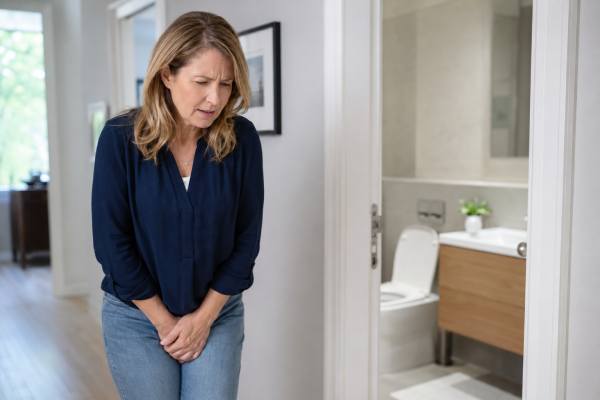
Overactive bladder is a pattern of bladder symptoms, not a single disease. The main problem is urgency: a sudden, hard-to-control need to pee. Some people leak urine before they reach the bathroom. Others do not leak, but they plan errands around bathrooms, avoid long drives, wake up several times a night, or feel anxious when they cannot get to a toilet quickly.
The good news is that overactive bladder is treatable. The best plan starts by making sure the symptoms really fit overactive bladder and are not caused by a urinary tract infection, medication side effect, diabetes, prostate obstruction, bladder pain syndrome, or another condition. From there, treatment usually combines practical habit changes, bladder training, pelvic floor work, medication, or office-based procedures for symptoms that do not improve enough with simpler steps.
Table of Contents
- What Overactive Bladder Means
- Main Symptoms to Watch For
- Causes and Triggers
- When to Get Checked
- How Doctors Diagnose Overactive Bladder
- Self-Care and Bladder Training
- Medication Options
- Procedures and Advanced Treatments
- How to Choose a Treatment Plan
What Overactive Bladder Means
Overactive bladder, often shortened to OAB, means the bladder sends urgent “go now” signals even when it is not dangerously full. The bladder muscle, called the detrusor muscle, normally stays relaxed while urine collects. When the timing is off, the bladder squeezes or feels ready to squeeze too soon. That creates urgency, frequent urination, nighttime urination, and sometimes urge incontinence.
OAB is different from simply drinking a lot of water and peeing often. With normal high fluid intake, the bladder fills and empties in a predictable way. With OAB, the urge often feels sudden, intense, and out of proportion to the amount of urine in the bladder. A person might pee, feel relief, and then need to go again soon after.
OAB also differs from stress incontinence. Stress incontinence means leaking with pressure on the belly, such as coughing, laughing, jumping, or lifting. Urge incontinence means leaking after a sudden urge. Some people have both, called mixed incontinence. That distinction matters because the treatment focus changes. Stress leaks often respond best to pelvic floor strengthening, while urgency symptoms often need bladder training, trigger control, medication, or bladder-calming procedures.
OAB is common in both women and men, and it becomes more common with age. It is not an unavoidable part of aging, though. Symptoms deserve attention when they interfere with sleep, work, exercise, sex, travel, or social life.
Main Symptoms to Watch For
The key symptom is urgency. People often describe it as a switch flipping from “I could go soon” to “I need a bathroom immediately.” The urge feels difficult to postpone, even for a few minutes.
The main symptoms include:
- Urgency: a sudden, strong need to urinate that feels hard to control.
- Frequency: peeing more often than usual during the day, often in small or moderate amounts.
- Nocturia: waking from sleep to urinate, especially more than once a night.
- Urge incontinence: leaking urine after an urgent need to go.
A useful clue is the pattern. OAB urgency often comes in waves and is triggered by certain situations: arriving home and putting the key in the door, hearing running water, washing dishes, standing up after sitting, or being far from a bathroom. These triggers do not mean the symptoms are “in your head.” They show how strongly the bladder, brain, habits, and pelvic floor work together.
Frequency alone does not prove OAB. Someone who drinks large amounts of fluid, uses diuretics, has uncontrolled diabetes, or drinks several coffees a day also urinates often. The difference is whether the urge is sudden and hard to delay. A bladder diary helps separate true urgency from high urine production, habit-based bathroom trips, and nighttime fluid problems.
Nocturia deserves special attention because waking to pee has several possible causes. OAB is one, but so are evening fluids, alcohol, sleep apnea, leg swelling that shifts fluid back into circulation overnight, poorly controlled blood sugar, certain heart or kidney problems, and some medications. If nighttime urination is the biggest symptom, the treatment plan should look beyond the bladder. A focused guide to nocturia causes is especially useful when sleep disruption is the main complaint.
How OAB Feels in Real Life
A person with OAB might pee before leaving home, stop again 20 minutes later, and still scan for bathrooms at the store. Another person might sleep poorly because they wake at 1 a.m., 3 a.m., and 5 a.m. to urinate. Someone with urge incontinence might avoid light-colored clothing or keep spare underwear in the car.
These details matter because treatment success is not only about fewer bathroom trips. A good result also means less panic, fewer leaks, better sleep, and more confidence leaving the house.
Causes and Triggers
OAB happens when bladder signaling, bladder muscle activity, pelvic floor control, or nervous system control becomes too sensitive or poorly timed. In many cases, no single cause is found. Treatment still works when the exact cause is unclear.
Common contributors include aging changes in bladder capacity, pelvic floor weakness or overactivity, constipation, bladder irritation, urinary tract problems, prostate enlargement, neurologic conditions, and medication effects. In women, pregnancy, childbirth, menopause, and pelvic organ prolapse sometimes contribute. In men, an enlarged prostate can create urgency by making the bladder work harder against obstruction.
Certain foods and drinks do not cause OAB in everyone, but they are common symptom amplifiers. Caffeine is a frequent trigger because it increases urine production and stimulates the bladder. Alcohol can worsen urgency and leaks by increasing urine output and reducing control. Carbonated drinks, acidic citrus drinks, spicy foods, and artificial sweeteners bother some bladders. A practical list of common bladder irritants helps readers test triggers without cutting out foods randomly.
Constipation is one of the most overlooked contributors. A full rectum sits close to the bladder and can increase pressure, reduce bladder space, and irritate pelvic nerves. Straining also disrupts pelvic floor coordination. When urgency and constipation travel together, treating the bowel problem often improves bladder symptoms. The link between constipation and bladder urgency is especially important for people who feel they never fully empty or who have pelvic pressure.
Medications also matter. Diuretics increase urine production. Some decongestants and antihistamines make it harder to empty the bladder, which can worsen frequency and urgency from incomplete emptying. Sedatives and sleep medicines increase the risk of nighttime leaks because they delay waking. Never stop a prescribed medicine on your own, but bring the medication list to the appointment.
| Condition | Typical clues | Why it matters |
|---|---|---|
| Urinary tract infection | Burning, cloudy urine, odor, pelvic discomfort, new symptoms that came on quickly | Usually needs urine testing and sometimes antibiotics |
| Stress incontinence | Leaks with coughing, sneezing, laughing, jumping, or lifting | Pelvic floor strengthening is often central |
| Bladder pain syndrome | Pain, pressure, or burning that worsens as the bladder fills and improves after peeing | Treatment focuses on pain triggers, pelvic floor tension, and bladder calming |
| Enlarged prostate | Weak stream, hesitancy, dribbling, incomplete emptying, nighttime urination | Urgency can come from obstruction and bladder strain |
| High urine production | Large urine volumes, intense thirst, high fluid intake, diuretic use, high blood sugar | The bladder may be normal; the issue is excess urine volume |
When to Get Checked
A medical check is worthwhile when urgency, frequency, or leaks are new, worsening, disruptive, or paired with warning signs. OAB is not usually dangerous, but similar symptoms sometimes come from infections, stones, urinary retention, diabetes, prostate problems, neurologic disease, or, less commonly, bladder cancer.
Get prompt medical care for:
- blood in the urine, especially visible red, pink, or tea-colored urine
- fever, chills, flank pain, or feeling very ill
- burning with urination that starts suddenly
- new inability to urinate or a painful full bladder
- new weakness, numbness, trouble walking, or loss of bowel control
- unexplained weight loss or persistent pelvic pain
- new urinary symptoms after pelvic surgery, prostate surgery, or a neurologic event
Visible blood in urine should never be written off as OAB. It needs evaluation even if it happens once and then disappears. The same is true for urgency with repeated urinary infections, because recurrent infections need a different workup than ordinary OAB.
Older adults need careful assessment when symptoms appear suddenly. A new pattern of urgency or leaks can reflect infection, medication changes, constipation, mobility problems, confusion, high blood sugar, or urinary retention with overflow leakage. In that situation, “bladder control problem” is only the starting point, not the diagnosis.
Pregnant people should also get checked rather than self-treating. Urinary symptoms in pregnancy need urine testing because untreated infection can create complications.
How Doctors Diagnose Overactive Bladder
OAB is usually diagnosed from symptoms, a medical history, a physical exam when needed, and simple urine testing. Many people do not need advanced tests at the first visit.
The clinician will ask about urgency, leaks, bathroom frequency, nighttime urination, fluid intake, caffeine and alcohol use, bowel habits, sexual or pelvic pain symptoms, pregnancies and births, prostate symptoms, surgeries, neurologic conditions, and medications. Be direct about leakage. The number of pads, clothing changes, or bathroom trips gives useful information.
A urine test is commonly done to look for infection, blood, glucose, protein, and other clues. If burning, odor, pelvic pain, or a sudden symptom change is present, a urine culture might be ordered. Blood sugar testing is useful when thirst, high urine volume, fatigue, or diabetes risk is part of the picture.
A bladder diary is one of the most practical tools. For two or three days, record the time and amount of each drink, each bathroom trip, leaks, urgency level, and nighttime awakenings. This shows whether the main issue is small bladder capacity, high fluid intake, evening fluid timing, caffeine, large nighttime urine production, or urgency with normal volumes.
Some people need a post-void residual test, which checks how much urine remains after peeing. This is usually done with ultrasound or a catheter. It is especially useful when there is a weak stream, hesitancy, dribbling, a history of retention, neurologic disease, pelvic organ prolapse, prostate enlargement, or medication use that affects bladder emptying.
Specialized tests are reserved for unclear or complex cases. Cystoscopy lets a urologist look inside the bladder. Urodynamic testing measures bladder pressure, capacity, leakage, and emptying function. These tests are not required for every person with typical OAB, but they are helpful when symptoms do not match the usual pattern or treatment has failed. A guide to urodynamic testing explains what those measurements show.
Self-Care and Bladder Training
The first treatment step is often non-drug care because it is low risk and directly targets daily triggers. These steps work best when they are structured, not random. Cutting out every enjoyable drink, peeing “just in case” all day, and drinking too little often makes symptoms harder to interpret.
Start with the biggest pattern from the bladder diary. If urgency follows coffee, reduce caffeine gradually instead of stopping overnight. If symptoms spike in the evening, move more fluids earlier in the day. If bathroom trips happen every 30 to 45 minutes “just in case,” bladder training helps stretch the interval.
Bladder Training
Bladder training teaches the bladder and brain to tolerate normal filling again. The goal is not to hold urine painfully. The goal is to delay safely in small steps.
A simple plan looks like this:
- Track your usual interval between bathroom trips for two or three days.
- Choose a starting interval slightly longer than your current pattern. If you go every hour, start with 70 minutes.
- Use urge-control techniques when urgency hits before the scheduled time.
- Increase the interval by 10 to 15 minutes after several successful days.
- Aim for a comfortable pattern, often around two to four hours between daytime trips.
Urge-control techniques include stopping still, sitting if possible, relaxing the belly, breathing slowly, and doing several quick pelvic floor contractions if you can do them correctly. Rushing to the toilet often worsens urgency because it teaches the bladder that panic equals action. A step-by-step bladder training plan can make this easier to follow.
Pelvic Floor Exercises and Therapy
The pelvic floor muscles help close the urethra and calm urgency signals. Correct contractions feel like lifting and closing around the urethra and anus, not squeezing the buttocks, gripping the thighs, or holding the breath. Many people do Kegels incorrectly at first, and some people with tight pelvic floor muscles need relaxation before strengthening.
Pelvic floor physical therapy is useful when urgency comes with pelvic pain, difficulty emptying, constipation, painful sex, or a feeling of pelvic tightness. A therapist can check muscle coordination, teach urge suppression, and build a plan that matches the person’s symptoms. Basic Kegel exercise technique helps when the main issue is weak or poorly timed pelvic floor support.
Fluid, Food, and Bowel Habits
Do not treat OAB by becoming dehydrated. Concentrated urine irritates the bladder and can worsen urgency. A better approach is steady fluid intake earlier in the day, smaller amounts in the evening, and less caffeine or alcohol if those are clear triggers.
Useful habits include:
- drink most fluids from morning through late afternoon
- reduce caffeine gradually to avoid headaches
- avoid large drinks within two to three hours of bedtime if nighttime urination is a problem
- treat constipation with fiber, movement, and medical advice when needed
- use scheduled bathroom trips only as a training tool, not as constant “just in case” peeing
Weight loss improves urgency and incontinence for some people with excess weight, especially when leaks are mixed with stress incontinence. The goal does not need to be dramatic. Even modest loss can reduce pressure on the bladder and pelvic floor.
Medication Options
Medication is reasonable when symptoms remain bothersome after basic strategies, when urgency leaks are frequent, or when the person needs stronger symptom control to function normally. Medicines work best when paired with bladder training and trigger management.
The two main medication groups are beta-3 adrenergic agonists and antimuscarinic drugs. They both aim to calm bladder overactivity, but they do it in different ways and have different side effect profiles.
| Medication type | Examples | Common advantages | Common cautions |
|---|---|---|---|
| Beta-3 adrenergic agonists | Mirabegron, vibegron | Less dry mouth and constipation than many antimuscarinics; useful when anticholinergic side effects are a concern | Blood pressure review is important, especially with mirabegron; cost and insurance coverage vary |
| Antimuscarinics | Oxybutynin, tolterodine, solifenacin, darifenacin, fesoterodine, trospium | Often effective; many options and formulations are available | Dry mouth, constipation, blurry vision, retention risk, and cognitive concerns in older adults |
| Combination therapy | Beta-3 agonist plus an antimuscarinic | Useful when one medicine gives partial relief | More side effects and medication interactions need review |
Beta-3 agonists relax the bladder muscle during the storage phase, which helps the bladder hold urine with less urgency. Mirabegron and vibegron are common options. Mirabegron can raise blood pressure in some people, so clinicians usually check blood pressure before and during treatment. Vibegron has fewer drug interaction concerns than mirabegron in some situations, but the best choice often comes down to medical history, cost, coverage, and availability.
Antimuscarinic drugs block signals that make the bladder squeeze. They can reduce urgency, frequency, and leaks, but side effects limit use for some people. Dry mouth and constipation are common. Constipation is not a small issue in OAB because it can worsen bladder symptoms. Blurry vision, sleepiness, and difficulty emptying the bladder also occur.
Cognitive risk deserves a real conversation, especially for older adults or anyone with memory problems. Long-term anticholinergic burden has been linked with cognitive concerns, and some bladder antimuscarinics are more concerning than others. This does not mean every person must avoid them, but it does mean the choice should be deliberate. Ask whether a beta-3 agonist, a lower-risk antimuscarinic, a patch or extended-release form, or a non-drug procedure is a better fit.
People with narrow-angle glaucoma, significant constipation, impaired stomach emptying, or urinary retention need extra caution with antimuscarinics. Men with prostate symptoms should be checked for incomplete emptying before starting certain bladder-calming medicines.
Medication results are usually judged after several weeks, not after one or two doses. Keep tracking urgency episodes, leaks, nighttime trips, and side effects. If one medicine helps but causes dry mouth, constipation, blood pressure changes, or poor sleep, tell the clinician. Switching within or between medication classes is common.
Procedures and Advanced Treatments
Advanced treatments are appropriate when symptoms remain disruptive despite behavioral treatment and medication, when medication side effects are unacceptable, or when the person prefers a non-pill option. These treatments are not “last resort” in the sense of failure; they are standard options for persistent OAB.
Bladder Botox
OnabotulinumtoxinA, often called bladder Botox, is injected into the bladder wall through a cystoscope. It relaxes overactive bladder muscle signaling and can reduce urgency leaks. The procedure is usually done in an office or outpatient setting with local numbing or light anesthesia, depending on the clinic and patient needs.
The effect is temporary, often lasting several months, so repeat treatments are needed. The main cautions are urinary tract infection and urinary retention. Some people need to self-catheterize for a period if the bladder does not empty well after treatment. That risk should be discussed before the procedure, especially in people who already have incomplete emptying.
Percutaneous Tibial Nerve Stimulation
Percutaneous tibial nerve stimulation, or PTNS, uses a thin needle near the ankle to stimulate the tibial nerve, which connects through nerve pathways that influence bladder control. Treatment is usually done in weekly office sessions for about 12 weeks, followed by maintenance sessions if it works.
PTNS appeals to people who want to avoid daily medication or who cannot tolerate drug side effects. The tradeoff is time. It requires repeated appointments, and the benefit fades without maintenance for many people.
Sacral Neuromodulation
Sacral neuromodulation uses an implanted device to send gentle electrical signals to nerves that control bladder function. It usually starts with a test phase. If symptoms improve enough, a permanent device is placed.
This option is more invasive than PTNS, but it can be effective for severe urgency, urgency incontinence, and some emptying problems. It is best suited for people who are comfortable with an implanted device and follow-up programming visits.
| Treatment | Best fit | Main benefit | Main tradeoff |
|---|---|---|---|
| Bladder Botox | Frequent urgency leaks despite simpler treatment | Strong bladder-calming effect for many patients | Temporary retention and UTI risk; repeat injections needed |
| PTNS | People who prefer a low-drug, low-surgery option | Low systemic side effects | Requires repeated office visits and maintenance |
| Sacral neuromodulation | Persistent, life-disrupting symptoms or selected emptying problems | Adjustable long-term therapy | Implanted device, procedure risks, and follow-up programming |
How to Choose a Treatment Plan
The right OAB plan depends on the most disruptive symptom, medical risks, side effect tolerance, and how quickly the person needs improvement. Someone with mild urgency and no leaks might start with a bladder diary, caffeine reduction, constipation treatment, and bladder training. Someone with daily urge incontinence and poor sleep might need medication or a procedure sooner.
A practical treatment path looks like this:
- Confirm the pattern. Rule out infection, blood in urine, retention, high urine production, and other look-alike conditions.
- Track symptoms. Use a bladder diary to identify timing, triggers, urine volume, leaks, and nighttime patterns.
- Start targeted behavior changes. Adjust caffeine, fluids, constipation, and “just in case” bathroom habits.
- Add pelvic floor work when needed. Choose strengthening, relaxation, or formal pelvic floor therapy based on symptoms.
- Consider medication if symptoms still interfere with life. Match the drug class to age, blood pressure, constipation, retention risk, memory concerns, and cost.
- Discuss advanced options when pills fail or do not fit. Botox, PTNS, and sacral neuromodulation are established treatments for persistent OAB.
The best outcome measure is personal and specific. Instead of asking only, “Am I cured?” track whether you can sit through a meeting, drive without panic, sleep longer stretches, reduce pad use, exercise with confidence, or leave home without mapping bathrooms. Small improvements often stack up: one fewer nighttime trip, fewer leaks, longer warning time, and less fear of accidents.
Do not stay on an ineffective plan for months without reassessment. If bladder training makes no progress, medication causes side effects, or symptoms keep worsening, the diagnosis or treatment choice needs another look. Persistent urgency with pain, blood, recurrent infections, weak stream, or incomplete emptying deserves a more detailed evaluation.
OAB is frustrating, but it is not a personal failure or a problem you simply have to tolerate. A clear diagnosis, symptom tracking, trigger control, and the right level of treatment can make the bladder more predictable and daily life much easier.
References
- The AUA/SUFU Guideline on the Diagnosis and Treatment of Idiopathic Overactive Bladder 2024 (Guideline)
- Bladder training for treating overactive bladder in adults 2023 (Systematic Review)
- Comparison of different types of therapy for overactive bladder: A systematic review and network meta-analysis 2022 (Systematic Review and Network Meta-analysis)
- Risk of dementia associated with anticholinergic drugs for overactive bladder in adults aged ≥55 years: nested case-control study 2024 (Nested Case-Control Study)
- Comparative assessment of efficacy and safety of approved oral therapies for overactive bladder: a systematic review and network meta-analysis 2023 (Systematic Review and Network Meta-analysis)
Disclaimer
This article is for education and does not diagnose the cause of urgency, frequent urination, nighttime urination, or urine leakage. Overactive bladder symptoms overlap with infections, urinary retention, prostate problems, diabetes, bladder pain conditions, medication effects, and other medical issues. Seek care promptly for blood in urine, fever, flank pain, new inability to urinate, neurologic symptoms, pregnancy-related urinary symptoms, or sudden major changes in bladder control.