
Samphire vs sea vegetables: nutrition comparison, serving sizes, and safety
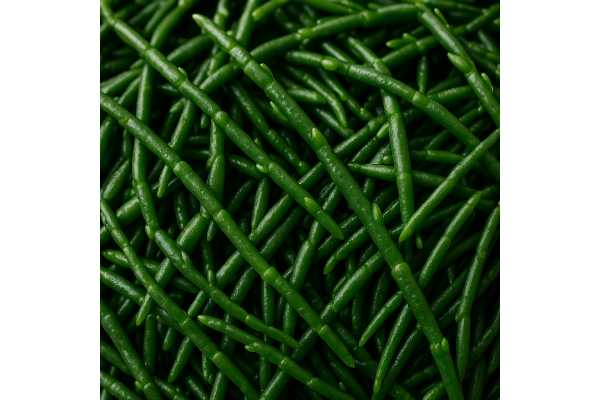
Samphire is a coastal vegetable prized for its snap, briny bite, and bright green color. Two plants share the name: marsh samphire (also called...
Sardine calories and protein per 100 g, low-mercury guidance, and smart meal ideas
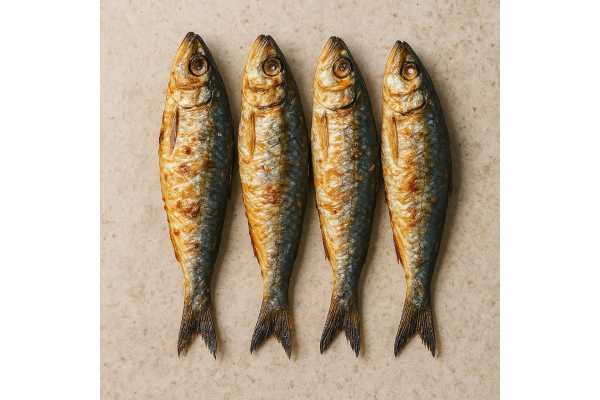
Sardines are small, oily fish with a big nutrition profile and a rich culinary history. Because they sit low on the food chain and...
Sargassum nutrition facts and health benefits, iodine guidance, safe uses, and FAQs
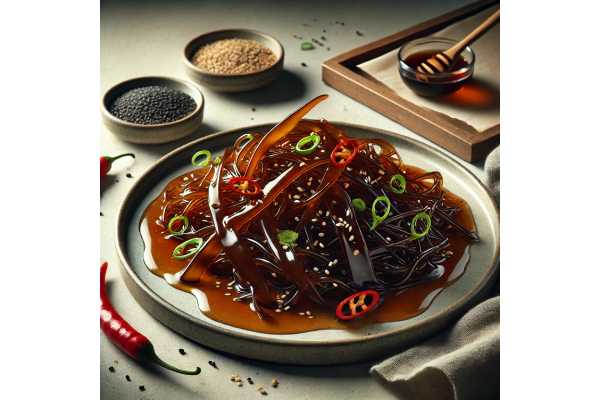
Sargassum is a diverse group of brown seaweeds best known for the free-floating mats that drift across the Atlantic and wash ashore in great...
Scallop calories and protein per 100 g, omega-3s, buying advice, and safety guidance
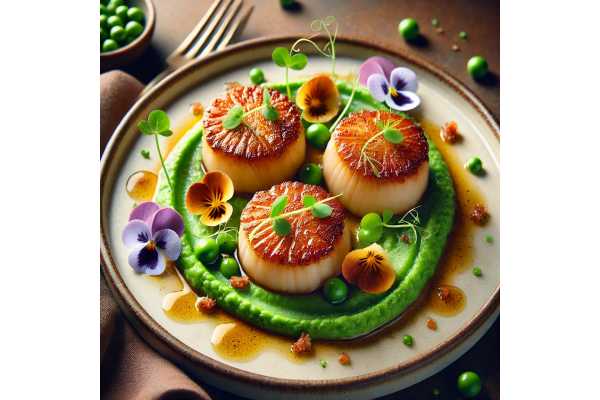
Scallops are sweet, tender bivalves prized for their caramelized crust and delicate, almost buttery interior. Whether pan-seared in minutes, poached for gentle soups, or...
Scorpionfish nutrition benefits, omega-3s, cooking tips, and safety guidance

Scorpionfish are flavorful, firm-fleshed reef dwellers known to chefs for their sweet, clean taste and to divers for their venomous spines. While that reputation...
Sea Bass benefits and nutrition facts, omega-3s, cooking tips, and safety guidance
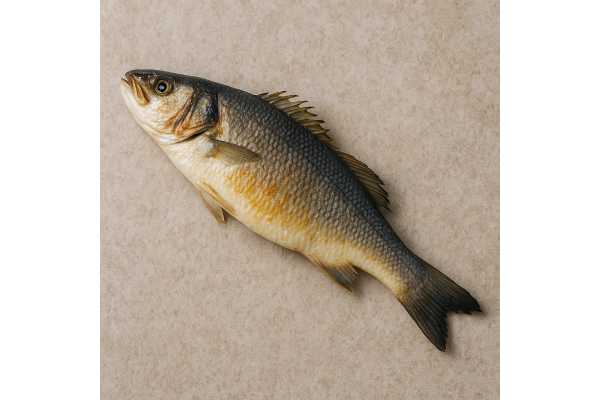
Sea bass is a mild, versatile white fish that cooks up tender and flaky, making it a reliable choice for weeknight dinners and special...
Sea Beans complete guide to nutrients and antioxidants, portions and comparisons, and kitchen techniques
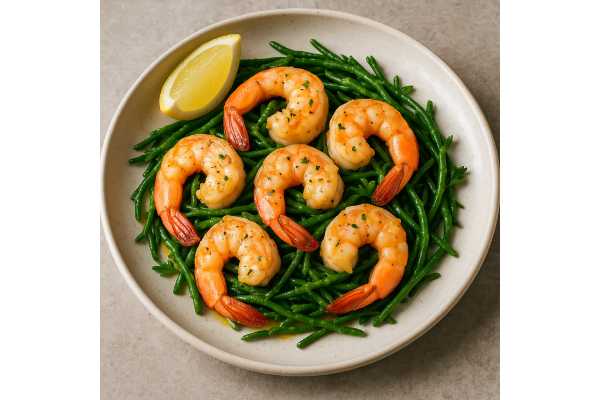
Sea beans—also known as samphire, glasswort, pickleweed, or Salicornia—are crisp, juicy coastal greens with a natural saline snap. They thrive in tidal flats and...
Sea Blite nutrition facts and health benefits, mineral content, cooking tips, and safety
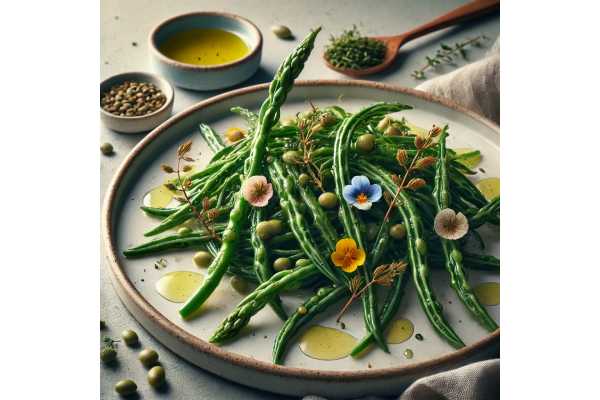
Sea blite (genus Suaeda), sometimes called sea spinach or salt herb, is a coastal halophyte that thrives where most vegetables fail—on salty marshes, tidal...
Sea Bream nutrition benefits, omega-3 sources, cooking tips, and safety guidelines
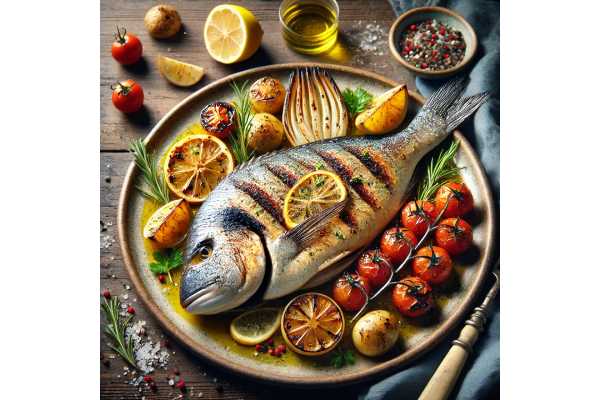
Sea bream—especially the Mediterranean favorite gilthead sea bream—offers a mild, slightly sweet flavor with firm, pearly flakes that stand up well to grilling, roasting,...
Sea Cucumber uses and nutrition facts, sustainable sourcing and safety advice

Sea cucumber—also called bêche-de-mer or trepang—has been prized for centuries across East and Southeast Asia for its delicate, gelatinous bite and restorative reputation. Despite...
Sea Grapes benefits and side effects explained, nutrition facts and risks
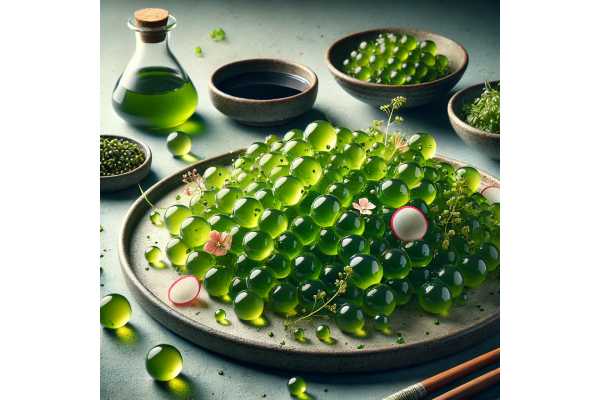
Sea grapes—also called “green caviar” and known to scientists as Caulerpa lentillifera—are a crisp, bead-like green seaweed prized across Okinawa, the Philippines, Indonesia, and...
Sea Kale nutrition facts and health benefits, how to cook, storage tips
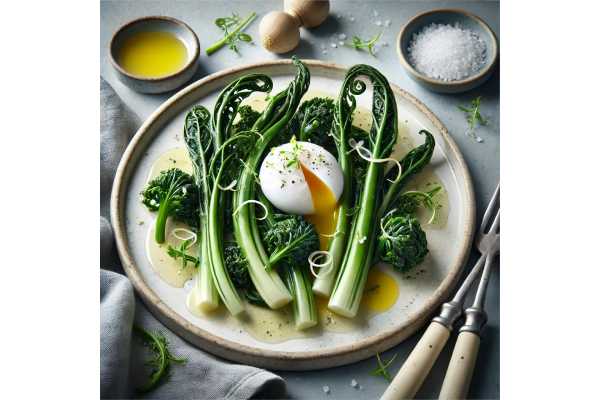
Sea kale (Crambe maritima) is a hardy coastal vegetable with a long culinary history along the Atlantic shores of Europe. Its pale spring shoots,...
Sea Lettuce benefits and nutrition facts, uses, and safety explained
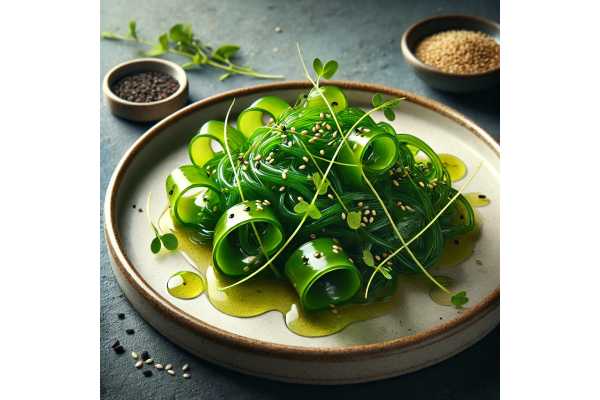
Sea lettuce (Ulva spp.) is a bright-green, paper-thin sea vegetable with a clean, briny taste and a tender bite. It grows along temperate and...
Sea Palm nutrition facts and iodine content, risks and safe servings with preparation tips
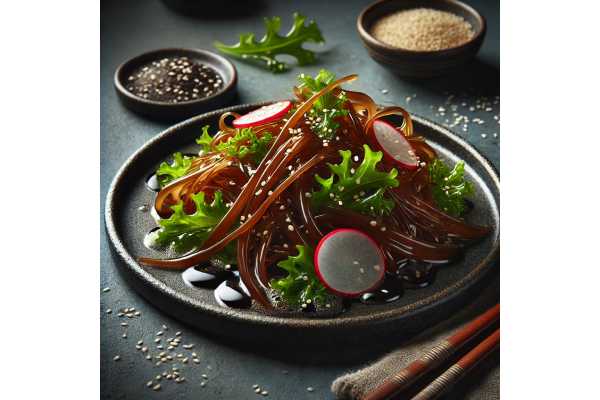
Sea palm (Postelsia palmaeformis) is a distinctive brown seaweed native to the wave-swept Pacific coast of North America. Chefs prize its subtly briny, sweet-umami...
Sea Purslane for healthy meals: nutrients, evidence-based benefits and who should avoid
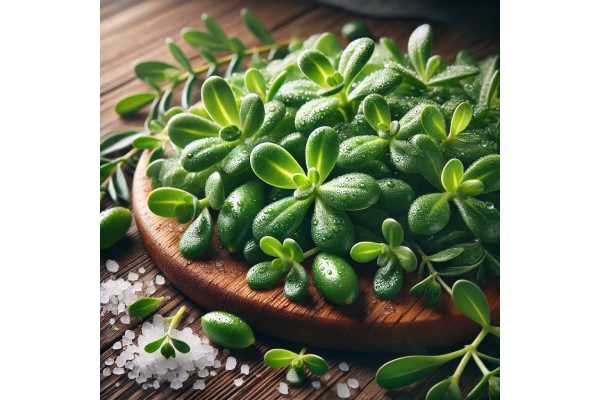
Sea purslane is a salt-loving coastal plant with a bright, briny bite and surprising nutrition. Eaten raw in salads or quickly sautéed like spinach,...
Sea Rocket nutrition facts and health benefits with vitamin C, vitamin K, and crucifer phytonutrients
Sea rocket (Cakile spp., commonly Cakile maritima in Europe and Cakile edentula in North America) is a coastal brassica that tastes like wilder arugula:...