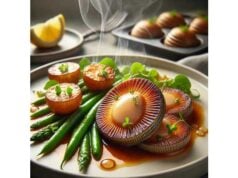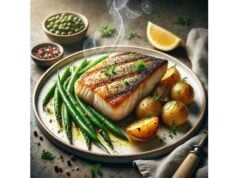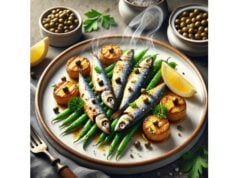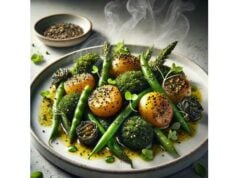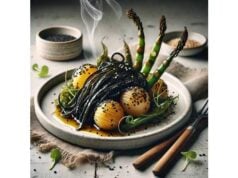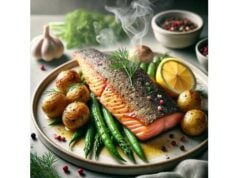
Sea rocket (Cakile spp., commonly Cakile maritima in Europe and Cakile edentula in North America) is a coastal brassica that tastes like wilder arugula: peppery, succulent, and faintly saline. The plant thrives on dunes and upper beaches, where its fleshy leaves and seed pods help it store water and minerals. In the kitchen, those same traits translate to a crisp bite, concentrated flavor, and surprising versatility—tossed into salads, folded into grain bowls, blitzed into green sauces, or quickly wilted like a tender mustard green. Nutritionally, sea rocket behaves like other crucifers: very low in calories, a useful source of vitamin C and vitamin K, and rich in brassica phytonutrients (notably glucosinolates) that give it its mustardy edge. Because it grows at the land–sea margin, smart sourcing matters: avoid polluted shorelines, harvest sustainably where legal, and wash thoroughly. This guide explains the per-100 g nutrition with % Daily Value, evidence-based benefits, safety and allergy notes, how to select and store it (wild or market), and preparation methods that keep the leaves vivid and the bite lively.
Top Highlights
- Per 100 g raw: about 15–30 kcal, 1.5–2.5 g protein, 2–4 g carbohydrate, and 1–3 g fiber.
- Key benefits: crucifer phytonutrients (glucosinolates) plus vitamin C and vitamin K for antioxidant and cell-protective support.
- Safety note: coastal plants can concentrate sand, salt, and contaminants; harvest away from roads, outfalls, and busy beaches and wash well.
- Serving and frequency: 40–60 g raw or 75–100 g lightly cooked, several times per week when sourced safely.
- Who should limit: people on low-iodine or low-sodium regimens (if very salty habitat), those with thyroid disorders sensitive to high raw-crucifer intake, and anyone with known brassica allergy.
Table of Contents
- Sea Rocket Detailed Overview
- Sea Rocket Nutrition Profile
- Evidence-Based Health Benefits
- Risks, Allergies and Interactions
- Selecting, Quality, Sustainability and Storage
- Preparation, Cooking and Nutrient Retention
- Portions, Comparisons and FAQs
Sea Rocket Detailed Overview
Sea rocket is a hardy annual of the mustard family (Brassicaceae) adapted to sand, wind, and salt spray. It forms sprawling, succulent stems with thick, lobed leaves and small four-petaled flowers (white to lilac). The cylindrical seed pods, divided into two segments, are buoyant—helping the plant disperse along shorelines. Two species dominate culinary conversation: European sea rocket (C. maritima), common along Atlantic and Mediterranean coasts, and American sea rocket (C. edentula), found on North American shores. Both deliver the familiar crucifer heat and aroma—think arugula meets radish tops with a whisper of sea.
Flavor and texture
Raw leaves are crisp and juicy with immediate mustardy heat, especially when plants are flowering or water-stressed. Younger leaves are milder and better for salads; older leaves benefit from slicing, soaking briefly in cool water, or quick cooking to soften the bite. Stems are crunchy; flowers add a peppery garnish; young pods are snappy and radish-like.
Culinary uses
- Raw: scatter tender leaves over seafood, eggs, or bean salads; fold into slaws; or blitz into a riff on salsa verde.
- Cooked: wilt with olive oil and garlic; add to risotto, fregola, or couscous; or stir into soups in the last minute to keep color.
- Condiments: pound with capers, lemon, and anchovy for a briny chimi; or blend with nuts and hard cheese for a pungent pesto.
Nutritional identity
Like other wild greens, sea rocket is nutrient-dense for its calories. Vitamin C and vitamin K stand out, with supporting roles for folate, calcium, magnesium, and potassium. As a brassica, it supplies glucosinolates—sulfur-containing compounds that generate isothiocyanates and other metabolites when chopped or chewed. Fiber is modest but functionally meaningful given typical portion sizes.
Seasonality and availability
Peak tenderness arrives in cool seasons (spring and early summer; again in early fall in mild climates). Hot, dry spells intensify bitterness and pungency. In some regions, specialty growers and coastal markets sell sea rocket; elsewhere it’s a foraged ingredient—subject to local rules and shoreline health.
Sustainability snapshot
Sea rocket is resilient and can be weedy on some dunes, yet it also stabilizes sands and supports insect life. If foraging, take small amounts from abundant stands, snip above the crown, and never harvest in protected habitats. When in doubt, buy from reputable growers who can verify clean growing sites.
Bottom line
Sea rocket offers big flavor, high micronutrient density, and culinary flexibility. Pick tender leaves for salads, cook mature growth, and treat sourcing with the same care you would any shoreline food.
Sea Rocket Nutrition Profile
How to read this section: Values below are for raw leaves and tender stems per 100 g unless noted. Ranges reflect species, season, and growing site. Where an adult % Daily Value (%DV) exists, it is shown. Light cooking changes water content slightly and can improve bioavailability of some phytonutrients.
Macros and Electrolytes (per 100 g raw)
| Nutrient | Amount | %DV |
|---|---|---|
| Energy | 15–30 kcal | — |
| Protein | 1.5–2.5 g | 3–5% |
| Total Fat | 0.2–0.5 g | 0–1% |
| Saturated Fat | 0.05–0.1 g | 0% |
| Carbohydrate | 2–4 g | 1% |
| Total Sugars | 0.5–1.5 g | — |
| Dietary Fiber | 1–3 g | 4–11% |
| Sodium* | 40–180 mg | 2–8% |
| Potassium | 250–400 mg | 5–9% |
| Water | 88–92 g | — |
*Leaves from salt-sprayed stands can read higher; soaking and rinsing reduce surface sodium.
Vitamins
| Vitamin | Amount | %DV |
|---|---|---|
| Vitamin C | 25–60 mg | 28–67% |
| Vitamin K (phylloquinone) | 150–300 µg | 125–250% |
| Folate | 40–90 µg | 10–23% |
| Vitamin A (RAE, as carotenoids) | 200–500 µg | 22–56% |
| Vitamin E | 0.5–1.5 mg | 3–10% |
Minerals
| Mineral | Amount | %DV |
|---|---|---|
| Calcium | 80–180 mg | 6–14% |
| Magnesium | 25–60 mg | 6–14% |
| Iron | 1.0–2.5 mg | 6–14% |
| Zinc | 0.2–0.5 mg | 2–5% |
| Phosphorus | 30–80 mg | 2–6% |
| Iodine† | 5–80 µg | 3–53% |
†Iodine is highly site-dependent; coastal aerosols and spray can raise values.
Bioactives/Phytonutrients
- Glucosinolates (e.g., sinigrin): hydrolyze to isothiocyanates and allyl compounds responsible for peppery heat and characteristic aroma.
- Flavonols (quercetin, kaempferol) and phenolic acids: contribute antioxidant activity.
- Nitrates: physiologically relevant amounts typical of leafy greens; may support nitric-oxide pathways (see Section 3).
Allergens & Intolerance Markers
- Brassica proteins rarely cause classic IgE reactions, but cross-reactivity can occur in individuals allergic to mustard.
- Some sensitive diners may experience reflux or oral irritation from pungent isothiocyanates—milder in young leaves and after brief cooking.
Contaminants/Residues
- Sand and silt: common; thorough washing is essential.
- Environmental contaminants: proximity to roads, runoff, or storm outfalls increases risk—source from clean sites.
- Nitrates: typical of leafy greens; not a concern for most adults at culinary intakes.
Footnotes
- Values summarize typical composition for wild coastal brassicas; cultivated sea rocket grown inland generally shows lower sodium and more consistent mineral profiles.
Evidence-Based Health Benefits
1) Crucifer phytonutrients that activate cellular defenses
Sea rocket’s glucosinolates convert (via the enzyme myrosinase, activated by chopping/chewing) to isothiocyanates and related metabolites. In lab and human diet studies of crucifer vegetables, these compounds influence phase-II detoxification enzymes (e.g., glutathione S-transferases) and support cellular antioxidant capacity. In the kitchen, simple techniques—chopping and letting the leaves rest a few minutes before cooking, or combining raw and cooked portions—help preserve myrosinase activity and bioactive formation.
2) Vitamin C and vitamin K for connective and cardiovascular support
A handful (40–60 g) of raw sea rocket can provide a meaningful fraction of vitamin C, supporting collagen synthesis and iron absorption from plant foods. High vitamin K (phylloquinone) underpins normal blood clotting and contributes to bone metabolism. For those on stable anticoagulant therapy, consistency in vitamin K intake is more important than absolute avoidance (see Section 4).
3) Nitrate-rich leafy green benefits, in context
Like arugula and spinach, sea rocket contains dietary nitrate, which the body can convert (via oral bacteria and body tissues) to nitric oxide—a signaling molecule that helps regulate blood vessel tone and exercise efficiency. Culinary portions add to a broader pattern of green leafy intake associated with cardiometabolic health, especially when such greens displace high-sodium or refined foods.
4) Low calorie density with flavor impact
At 15–30 kcal per 100 g raw, sea rocket adds volume and intense taste without energy load. Using it as a salad base, sandwich green, or warm add-in to grains increases dietary fiber and water content—two satiety drivers—allowing smaller portions of calorie-dense add-ons without feeling deprived.
5) Mineral support in plant-forward diets
Sea rocket contributes calcium, magnesium, and potassium, minerals that support nerve transmission, muscle contraction, and fluid balance. While it won’t meet daily needs alone, adding a cup to bean or whole-grain dishes improves the overall nutrient density of the meal.
6) Culinary variety that sustains healthy habits
Adherence matters more than perfection. Peppery greens like sea rocket keep menus interesting, which helps people stick to vegetable-rich patterns. Its pungency can also substitute for salty condiments—especially when paired with acid (lemon, vinegar), herbs, and good olive oil—helping you lower added sodium without sacrificing flavor.
Practical take
Sea rocket is best treated as a “flavor-forward” crucifer you’ll actually eat often: a small, regular addition that nudges daily meals toward higher fiber, more micronutrients, and better seasoning with less salt.
Risks, Allergies and Interactions
Shoreline sourcing risks
Coastal plants can accumulate sand, salt spray, and, in polluted areas, contaminants from runoff or sewage outfalls. Only harvest (where legal) from clean stretches well away from roads and discharge points. Never pick in protected dunes or restoration sites. If buying, look for growers who can explain site quality and harvest practices.
Allergy and oral irritation
Sea rocket belongs to the mustard family; individuals with mustard allergy or who have reacted to other brassicas should avoid or consult an allergist. Even without allergy, pungent isothiocyanates can cause oral or gastric irritation in sensitive people—choose baby leaves, soak briefly in cool water, or lightly cook to mellow the bite.
Thyroid considerations
Like other crucifers, sea rocket contains goitrogenic compounds (glucosinolates and their breakdown products) that, when eaten in very large raw amounts and with low iodine intake, can interfere with thyroid hormone synthesis. For most people eating mixed diets, this is not clinically relevant. Practical guardrails: vary your greens, include iodine sources (e.g., eggs, dairy, seafood, iodized salt if used), and cook part of your portion if you eat crucifers daily.
Vitamin K interactions
Sea rocket is high in vitamin K. People on vitamin-K–antagonist anticoagulants should keep green-vegetable intake consistent and coordinate with their clinician. The aim is steady consumption, not avoidance.
Nitrate context
Leafy-green nitrates generally support vascular health at culinary intakes. Infants under 6 months should not be fed homemade purees of nitrate-rich greens due to methemoglobinemia risk; for young children, moderate portions are fine as part of mixed meals.
Sodium and iodine variability
Plants grown near heavy salt spray can taste saltier and carry slightly higher sodium; brief soaking and thorough rinsing help. Iodine content is usually modest compared with seaweeds but can vary near tidal zones—another reason to diversify greens and mind portions if you’re on iodine-restricted regimens.
Food safety and handling
Wild leaves can harbor wind-blown grit and microbes. Wash in several changes of clean water, spin dry, and keep refrigerated. Use raw within 2–3 days; cook to reduce microbial load if uncertain about handling.
Selecting, Quality, Sustainability and Storage
Selecting quality (market or CSA)
- Look: perky, crisp leaves with no slime, yellowing, or black spots.
- Smell: fresh, cabbage-peppery, never sour.
- Feel: thick yet tender; baby leaves for salads, larger for cooking.
- Label tips: ask for species, harvest site, and date; inland-grown or greenhouse sea rocket offers consistent flavor with lower ambient salt.
Foraging guidelines (where legal)
- Confirm ID: four petals in a cross pattern, fleshy lobed leaves, and segmented pods are hallmarks; if unsure, skip.
- Choose clean sites: far from roads, marinas, runoff, and popular dog-walking beaches.
- Take small amounts: never more than 10–20% from a patch; snip above the crown to allow regrowth.
- Respect habitats: avoid dunes stabilized with native vegetation or signed restoration areas.
Sustainability snapshot
Sea rocket is resilient and sometimes weedy, yet it also helps stabilize shifting sands. Ethical harvest maintains plant cover and respects nesting seasons. When available, cultivated sea rocket or managed wild product from transparent producers is the most reliable option for both quality and ecosystems.
Storage
- Raw leaves: wrap in a damp towel or place in a vented container; refrigerate up to 3–4 days.
- Washed and spun: lasts longer; moisture control is key.
- Cooked: cool quickly and refrigerate up to 3 days.
- Freezing: blanch 30–45 seconds, chill, squeeze dry, and freeze in portions for up to 3 months; texture softens but works for sauces and soups.
Buying smart
- Taste a leaf if possible; pungency varies—choose strength to suit your recipe.
- For salads, seek baby leaves; for sautés, larger leaves save money and cook beautifully.
- If sandy or salty, plan on a soak-and-rinse step at home.
Preparation, Cooking and Nutrient Retention
Goal: keep the peppery lift, manage bitterness, and protect vitamin C and brassica bioactives.
Cleaning essentials
- Fill a deep bowl with cool water; swish vigorously; lift leaves out; repeat until no grit remains.
- Spin dry or pat gently. If leaves are very salty, soak 5–10 minutes in fresh water, then rinse.
Raw applications (for tender leaves)
- Salad base: combine with milder greens (butter lettuce), juicy vegetables (cucumber, tomato), and a lemon-forward vinaigrette.
- Finishing herb: chop and sprinkle over roasted fish, beans, or potatoes—peppery brightness without extra salt.
- Green sauce: blitz with parsley, capers, lemon zest, olive oil, and (optional) anchovy or toasted nuts; rest 5–10 minutes to allow myrosinase to generate isothiocyanates.
Gentle heat (for larger leaves)
- Quick wilt
- Warm olive oil with sliced garlic.
- Add shredded sea rocket; toss 60–90 seconds until just collapsed.
- Finish with lemon juice and chili flakes.
- Why it works: short heat mellows pungency while preserving color and vitamin C better than prolonged cooking.
- Pan-braise
- Sweat shallots; add a splash of stock or white wine; nestle whole leaves; cover 3–5 minutes.
- Season with mustard and herbs; serve as a side or over grains.
- Tip: stir in a handful of raw chopped leaves off heat to restore fresh bite.
- Pesto or pistou
- Blend sea rocket with basil or parsley, olive oil, lemon, and a small handful of nuts.
- Toss through warm beans, barley, or pasta; the residual heat perfumes without dulling flavors.
Nutrient-savvy techniques
- Chop, then pause: after chopping, wait 5 minutes before cooking to let myrosinase form bioactives.
- Lid on, time short: reduce vitamin C losses and keep steam-volatile aromas.
- Acid and herbs over salt: lemon, vinegar, and fresh herbs make dishes taste seasoned with minimal sodium.
- Pairing for iron: serve with vitamin-C-rich foods (citrus, peppers) to boost non-heme iron absorption.
What to avoid
- Prolonged boiling: leaches minerals and dulls color/flavor.
- Oversalting: the plant’s natural savor plus acid usually suffices.
- Grit: poor washing ruins texture—take the time to clean well.
Portions, Comparisons and FAQs
Recommended portions and frequency
- Raw salad accent: 40–60 g (two generous handfuls).
- Cooked side: 75–100 g per person (volume shrinks on wilting).
- How often: several times per week as part of a varied vegetable rotation when sourced from clean sites.
How sea rocket compares (per 100 g raw)
- Sea rocket vs. arugula: similar calories and pepperiness; sea rocket can be saltier from habitat and slightly higher in vitamin C when young.
- Sea rocket vs. kale: kale has more fiber and calcium per 100 g; sea rocket offers a tender texture and quicker cooking.
- Sea rocket vs. spinach: spinach is milder and higher in folate; sea rocket brings crucifer phytonutrients and a punchier flavor.
Who should limit or avoid?
- Mustard or brassica allergy: avoid and seek professional guidance.
- Thyroid disorders with low iodine intake: moderate large raw portions; include iodine sources and/or cook part of the serving.
- Infants/very young children: avoid nitrate-dense homemade purees; for older children, small mixed portions are fine.
- People on vitamin-K–antagonists: maintain consistent green-vegetable intake.
Budget and meal-planning tips
- Use sea rocket as a condiment green—small amounts transform dishes.
- Combine with affordable staples (beans, potatoes, whole grains) to stretch flavor and nutrition.
- Grow your own in pots with sandy mix for a steady, clean supply away from polluted shorelines.
Frequently Asked Questions
Is it safe to forage?
Yes—if legal in your area and harvested from clean sites away from roads and outfalls. When uncertain about water quality or plant ID, don’t pick; buy from trusted growers instead.
How do I tame bitterness?
Choose younger leaves, soak briefly in cold water, slice thin, and add acid (lemon, vinegar). Light cooking also smooths sharp edges.
Can I eat the flowers and pods?
Yes. Flowers are peppery garnishes; young pods are crunchy and radish-like. Mature pods become fibrous—slice thinly or cook.
Does washing remove nutrients?
Mostly sand and surface sodium—losses of vitamins are minimal if you wash quickly and spin dry.
Can sea rocket replace arugula one-for-one?
In most recipes, yes. Start with a 50/50 mix and adjust based on pungency and saltiness.
References
- Glucosinolates, myrosinase and isothiocyanates: A review on chemistry, biochemistry and health benefits 2020 (Review)
- Dietary nitrate and nitric oxide metabolism: Implications for cardiovascular health 2018 (Review)
- Wild edible plants: Nutritional and toxicological characteristics, processing, and utilization 2020 (Review)
- Vitamin K and cardiovascular health: A review of current evidence 2022 (Review)
- Cakile maritima Scop.: A halophyte with multiple potential uses 2013 (Review; Seminal)
Disclaimer
This article is for educational purposes and is not a substitute for personalized medical advice, diagnosis, or treatment. If you manage thyroid disease, take anticoagulant medication, cook for infants or young children, or have a history of food allergy, discuss sea rocket intake and preparation with your healthcare professional. Always source from clean environments or reputable growers, wash thoroughly, and store and cook with food-safe practices.
If this guide helped you, please consider sharing it on Facebook, X, or any platform you prefer. Your support helps us continue creating clear, practical nutrition resources.