
Tarragon health benefits, nutrition profile, and safe culinary uses explained
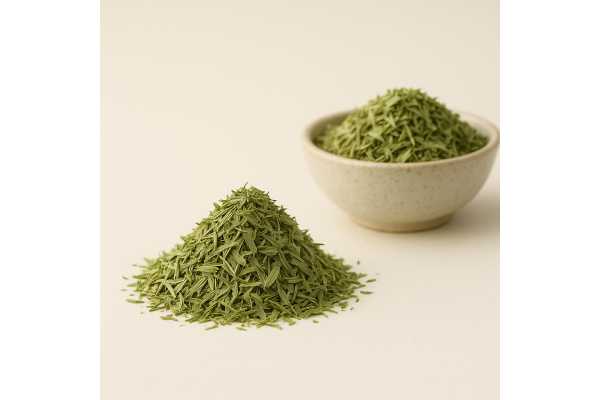
Tarragon is a slender, aromatic herb with a distinctive anise-like flavor that can transform simple dishes into something refined. Best known from French cooking,...
Thyme nutrition profile, medicinal properties, and cooking tips for health
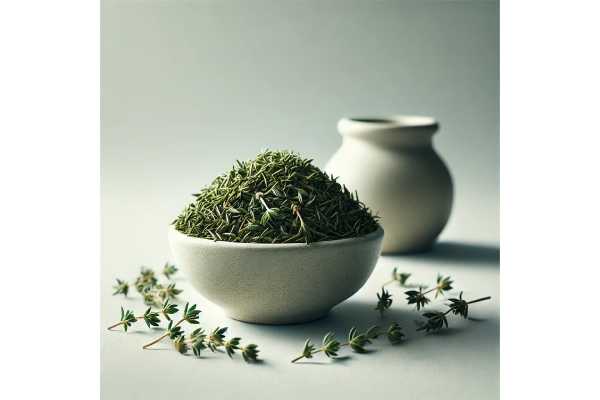
Thyme is a small, woody herb with tiny leaves and a powerful, earthy aroma that can make even the simplest meal smell and taste...
Timut Pepper health benefits, nutrition facts, culinary uses and safety guide
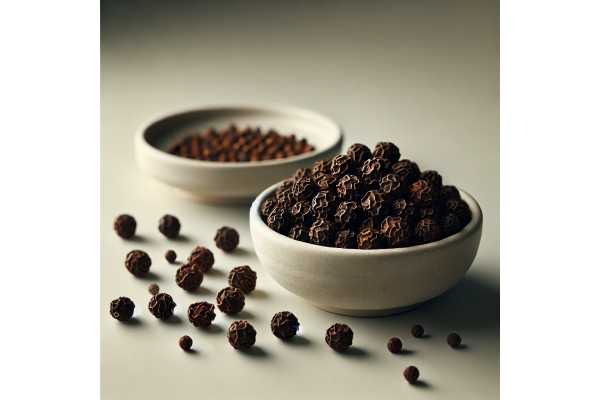
Timut pepper, also known as Timur or Nepalese pepper, is a small Himalayan spice with an unexpectedly big personality. Although it is often grouped...
Turmeric nutrition facts curcumin antioxidant benefits and side effects explained

Turmeric has moved from the spice shelf into teas, wellness shots, and supplement capsules, and for good reason. This golden rhizome from the Curcuma...
Urfa Biber (Isot) Smoky Turkish Chili Nutrition, Wellness Benefits, and Kitchen Tips
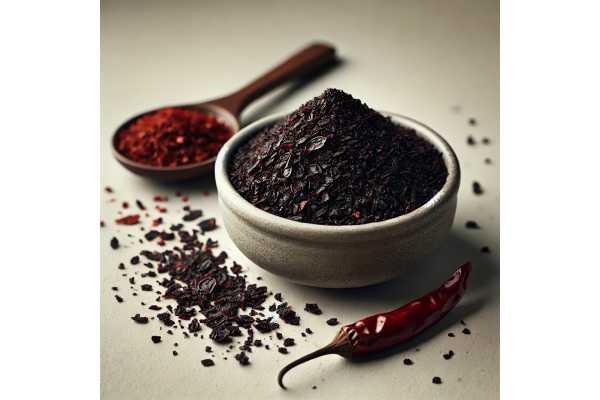
Urfa biber, also known as isot, is a deep burgundy-black chili flake from southeastern Turkey with a gentle, lingering heat and notes often compared...
Utskho Suneli complete guide to blue fenugreek nutrition, benefits, and precautions
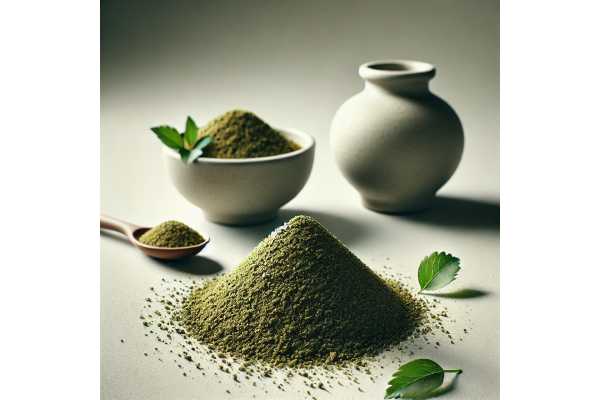
Utskho suneli, often translated as “foreign spice,” is one of the quiet essentials of Georgian cooking. Made from blue fenugreek (Trigonella caerulea), it brings...
Vanilla nutrition, antioxidants, and wellness benefits for everyday cooking
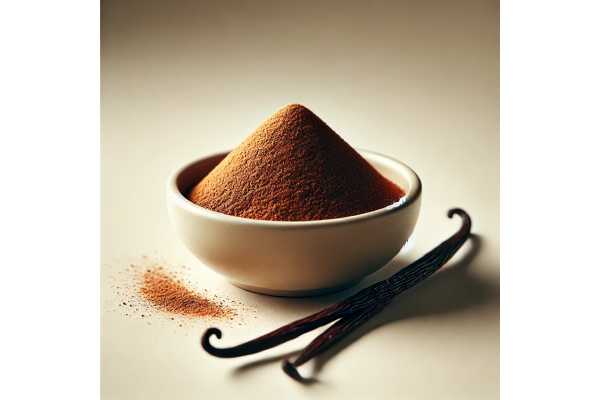
Vanilla is one of the world’s most familiar flavors, yet it is also one of the most complex. Made from the cured pods of...
Wasabi Powder nutrition, isothiocyanate compounds, and science-backed health effects

Wasabi powder is the concentrated, shelf-stable cousin of the vivid green paste that often accompanies sushi. Traditionally made from the rhizome of the wasabi...
White Pepper health benefits, nutrition facts and side effects explained
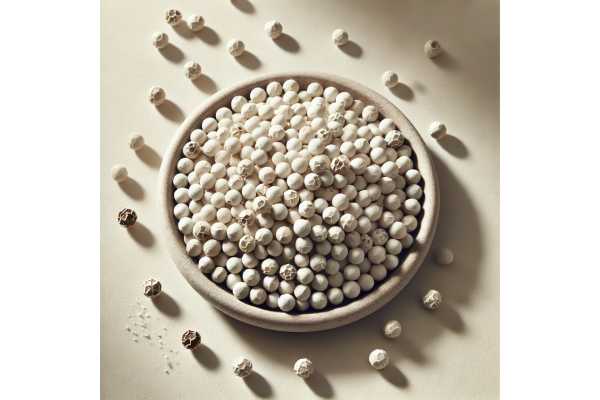
White pepper is one of those quiet kitchen staples that rarely gets the spotlight, yet shapes the flavor and feel of many dishes. Made...
White Turmeric powder benefits, how to use it and who should avoid it
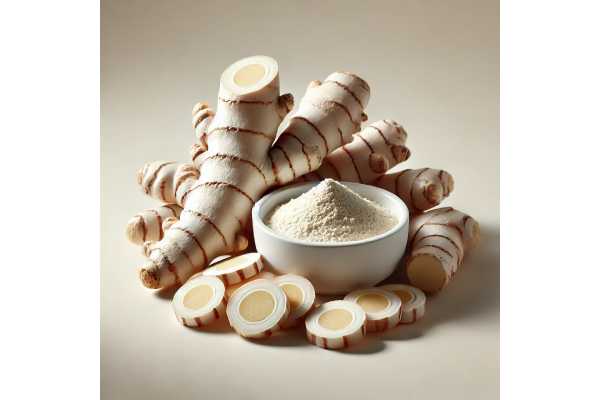
White turmeric, often known by its botanical name Curcuma zedoaria, is a lesser-known cousin of the bright yellow turmeric many people recognize. Its pale...
Abalone nutrition benefits, calories, protein, selenium, and healthy ways to cook

Abalone is a prized marine mollusk known for its delicate, slightly sweet flavor and firm, tender texture when prepared well. Long celebrated in coastal...
Amberjack benefits and nutrition facts: protein, omega-3, calories, safety tips
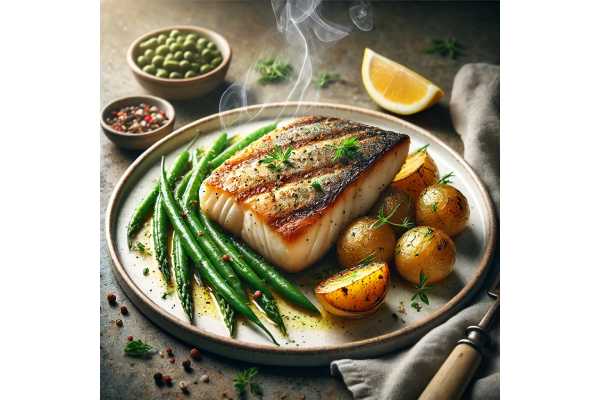
Amberjack is a meaty, mild-tasting finfish prized by chefs and anglers alike. In markets you may see “greater amberjack,” “yellowtail,” or “hamachi”—close cousins in...
Anchovy calories and macros: detailed per-100-gram nutrition with omega-3, protein, and mineral facts

Anchovies are small, oily fish with a big culinary impact. A few fillets can transform sauces, dressings, pizzas, and pastas with savory depth, while...
Aonori nutrition facts and health benefits, iodine, vitamin K, and safe uses
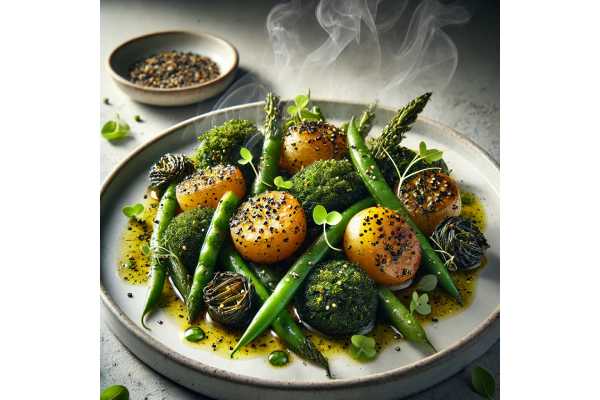
Aonori—often labeled as “green laver”—is the bright, aromatic seaweed powder that lifts okonomiyaki, takoyaki, yakisoba, and simple bowls of rice with a clean, ocean-green...
Arame nutrition facts and health benefits, risks, and how to use it safely
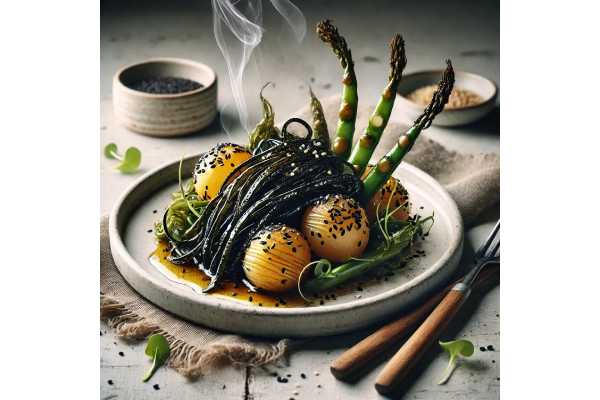
Arame is a delicately flavored brown sea vegetable harvested from cool Pacific waters, most notably around Japan. Thinly shredded and dried, it rehydrates into...
Arctic Char uses in cooking and meal planning, detailed nutrition facts, and safe intake
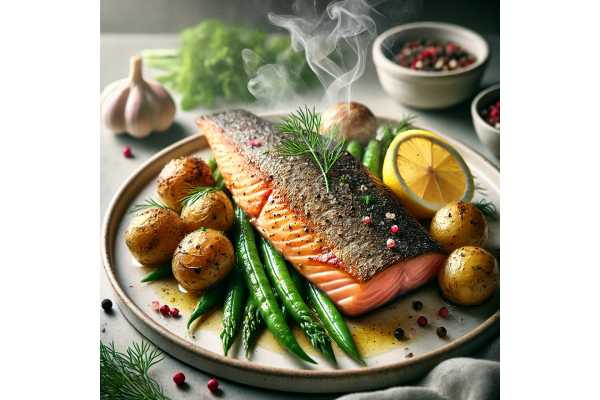
Arctic char sits between salmon and trout in taste and texture, with coral-pink flesh, gentle sweetness, and fine flakes that stay moist across many...
Barracuda nutrition and safety: calories, protein, mercury, and ciguatera risk explained

Barracuda is a lean, firm-fleshed fish with a clean, mildly sweet taste that takes well to grilling, searing, and smoking. In coastal cuisines from...
Barramundi nutrition facts and tips: serving size, vitamin B12, selenium, and low-risk sourcing

Barramundi, a popular fish in many cuisines around the world, is prized for its mild flavor, flaky texture, and high nutritional value. Found in...
Bass health benefits and omega-3 nutrition: calories, protein, mercury guidance, and cooking tips
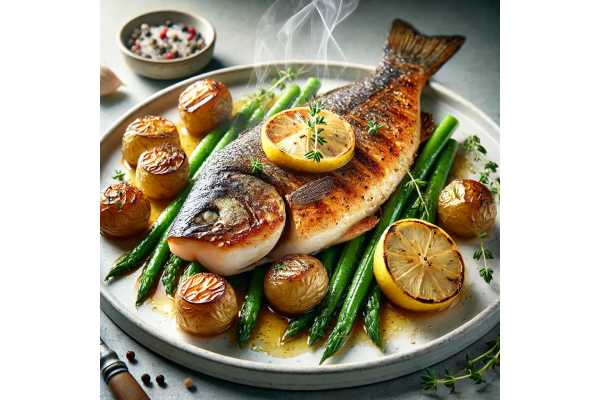
Bass is a lean, mild-tasting fish that delivers substantial protein, valuable omega-3s, and key micronutrients with relatively little saturated fat. Whether you prefer wild...
Bladderwrack nutrition facts and safety: iodine content, risks, preparation and dosage guide
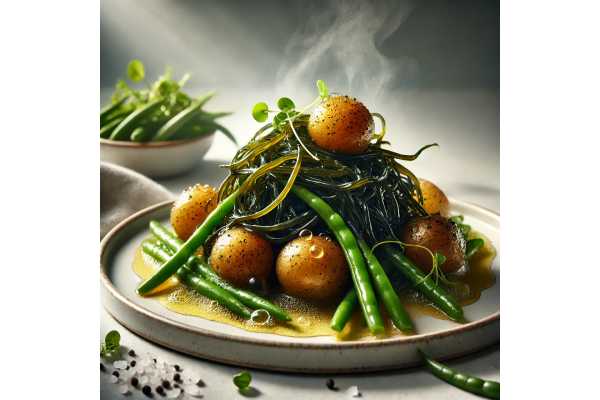
Bladderwrack (Fucus vesiculosus) is a brown sea vegetable native to the chilly shores of the North Atlantic and North Pacific. Valued for centuries in...