
Flounder nutrition benefits, mercury levels, recipes, and expert safety guide
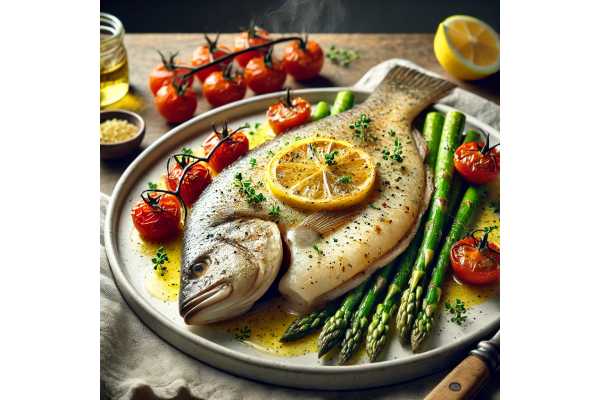
Flounder, a family of lean flatfish with sweet, delicate flesh, is a versatile choice for weeknight dinners and special occasions alike. It cooks in...
Flying Fish nutrition benefits and risks, low-mercury servings, cooking tips, and storage

Flying fish—sleek, silver-blue members of the Exocoetidae family—are best known for their dramatic glides above tropical seas. On the plate, they are a lean,...
Freshwater Prawn buying guide and nutrition: quality, sustainability, storage, and preparation tips
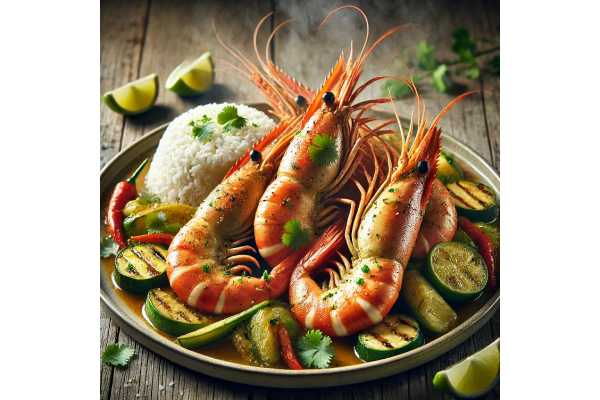
Freshwater prawn—most famously the giant river prawn (Macrobrachium rosenbergii)—offers a clean, sweet flavor, a firm bite, and lean, nutrient-dense protein. Popular across South and...
Frog Legs calories, protein, vitamins and minerals with safety and sourcing guidance
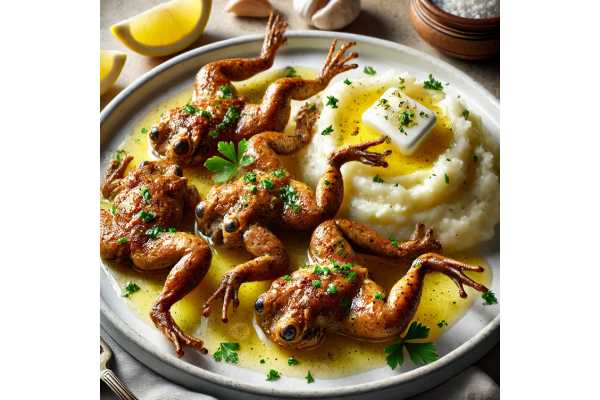
Frog legs are a delicate, mildly flavored delicacy enjoyed in French bistros, Chinese banquet halls, and Southeast Asian street stalls. Beneath their novelty is...
Garfish nutrition and health: protein, omega-3, vitamin D and B12 with safe cooking tips

Garfish (Belone belone) is a slim, silver-green coastal fish known for its delicate flavor, fine flakes, and striking green bones—a harmless pigment effect that...
Goose Barnacle nutrition facts and health benefits explained (with serving tips and safety)
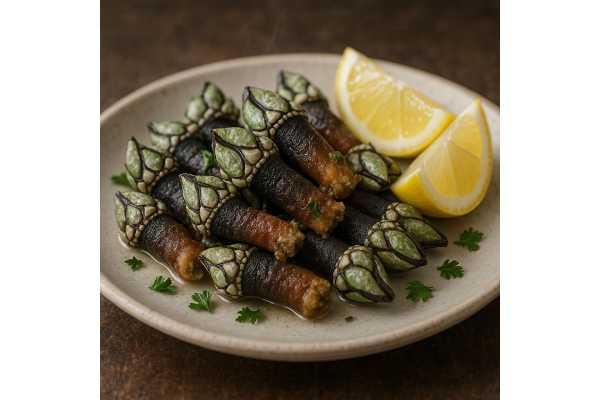
Goose barnacles—also called gooseneck barnacles or “percebes”—are a distinctive wild crustacean prized along rugged Atlantic coasts. Beneath their armored plates lies a tender peduncle...
Grouper nutrition profile, mercury and ciguatera precautions, and best recipes
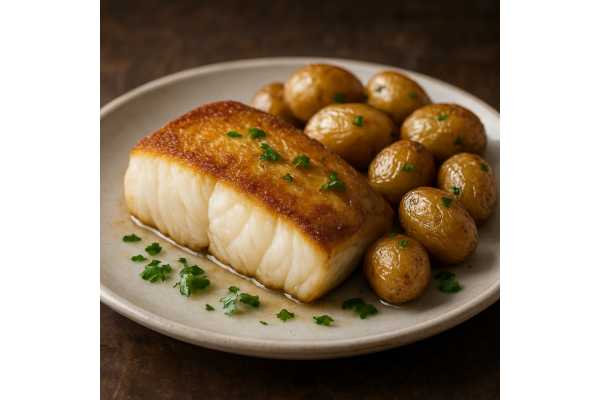
Grouper is a family of firm, mild, white-fleshed reef fish popular from the Caribbean to Southeast Asia. Home cooks love it for weeknight reliability—thick...
Haddock nutrition facts and health benefits: protein, vitamins, minerals and safety

Haddock is a North Atlantic white fish prized for its clean, mildly sweet flavor and snow-white flakes. Whether baked with herbs, steamed with lemon,...
Hake health benefits and risks, nutrients per 100 g, best ways to buy and cook
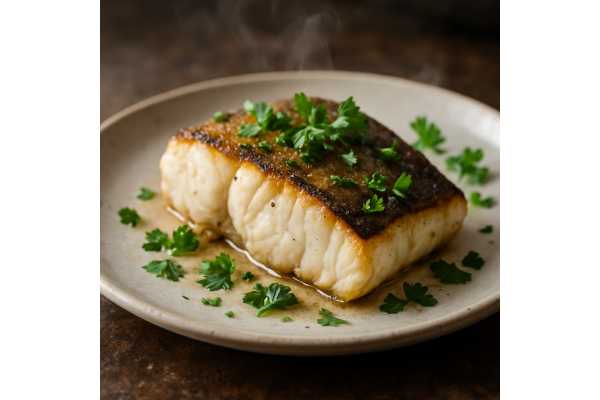
Hake is a lean, mild white fish from the cod family that adapts to almost any cooking method. Its soft, flaky texture works in...
Halibut nutrition and protein, vitamin D and selenium content with cooking tips
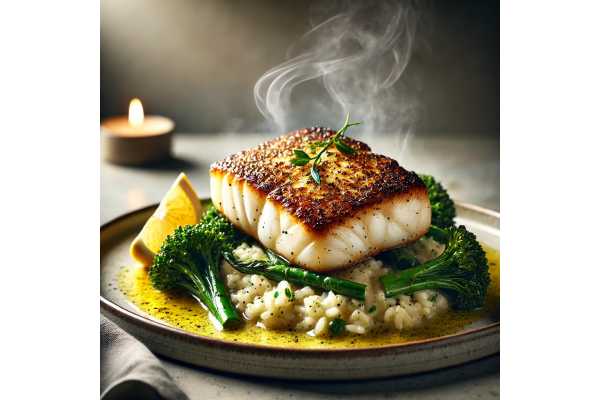
Halibut is a firm, mild white fish prized for its clean flavor, thick steaks, and ability to shine in everything from quick skillet meals...
Herring nutrition facts, EPA and DHA content, serving sizes, and safe preparation tips

Herring is a small, oily fish with an outsized nutrition profile. A modest 100-gram serving delivers high-quality protein, abundant long-chain omega-3s (EPA and DHA),...
Hijiki benefits and risks: nutrition facts, serving sizes, preparation tips, and safety guidance
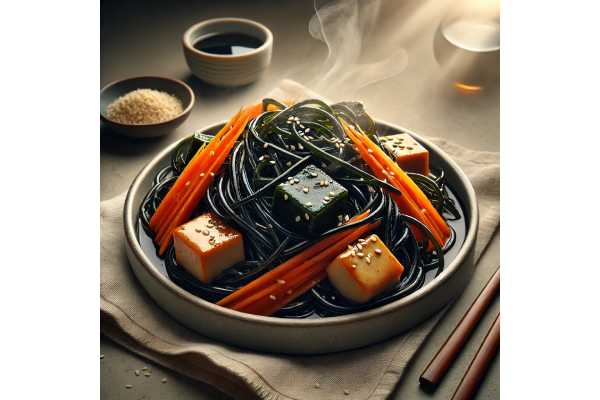
Hijiki (Sargassum fusiforme) is a tender, earthy-tasting brown seaweed long used in Japanese home cooking, often simmered with soy, root vegetables, and tofu. It...
Hogfish benefits and risks: nutrition facts per 100 g, omega-3s, and ciguatera precautions
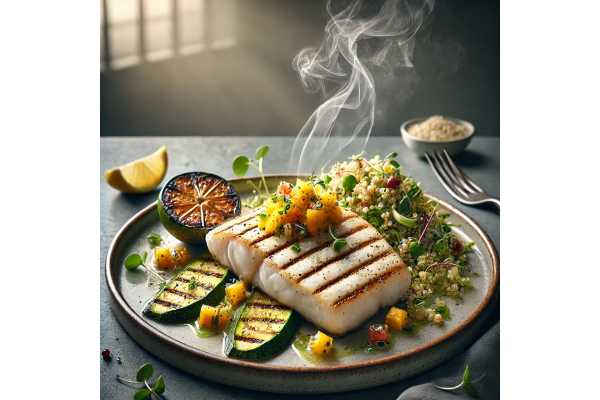
Hogfish (Lachnolaimus maximus) is a prized reef fish of the western Atlantic and Gulf of Mexico, renowned for its delicate, sweet flavor and tender,...
Hoki nutrition and safety: protein, calories, omega-3s, mercury guidance, and smart portions
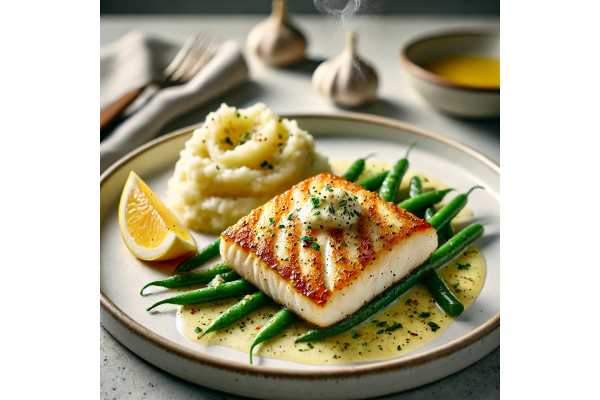
Hoki (Macruronus novaezelandiae), also known as blue grenadier, is a lean, white-fleshed fish from the cold, deep waters around New Zealand and southern Australia....
Horse Mackerel explained: nutrition facts per 100 g, health advantages, low mercury profile, and easy recipes

Horse mackerel—sold as Atlantic horse mackerel, jack mackerel, or aji—packs clean, savory flavor into a versatile, budget-friendly fish. Small and fast-growing, it’s usually lower...
Irish Moss nutrition and safety: iodine content, minerals, carrageenan facts, and smart portions

Irish moss (Chondrus crispus) is a red sea vegetable with a long history in Atlantic kitchens and apothecaries. When simmered, its natural hydrocolloids thicken...
Jellyfish benefits and uses: crunchy low-calorie seafood, desalting steps, cooking ideas, and storage

Jellyfish as food may sound surprising, but in many coastal cuisines it is a familiar, delicately crunchy ingredient. After careful processing, edible species such...
John Dory explained: nutrition facts per 100 g, health advantages, low mercury profile, and easy recipes
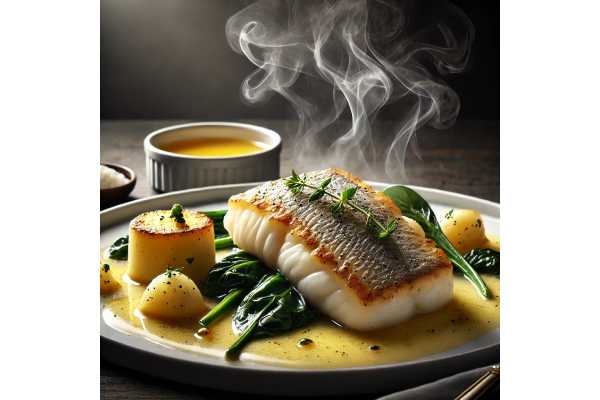
John Dory (Zeus faber) is a prized, lean white fish adored by chefs for its sweet, delicate flavor and soft, large flakes. Its distinctive...
Kelp benefits and uses: umami cooking, nutrition per 100 g, risks, and safe intake
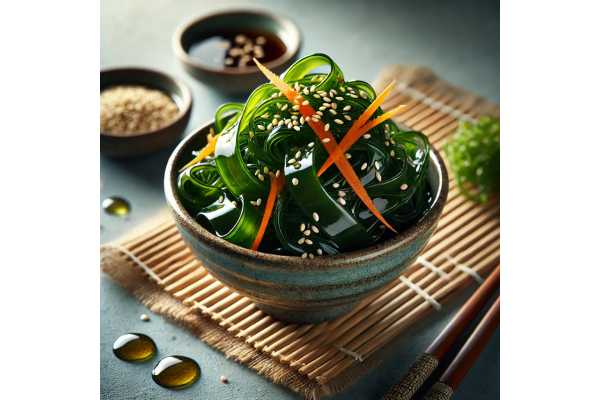
Kelp—an umbrella term for large brown seaweeds like kombu (Saccharina/Laminaria) and wakame relatives—has moved from coastal tradition to modern pantries. Cooked or steeped, kelp...
Kingfish benefits and uses: species explained, nutrition per 100 g, cooking tips, and sourcing advice
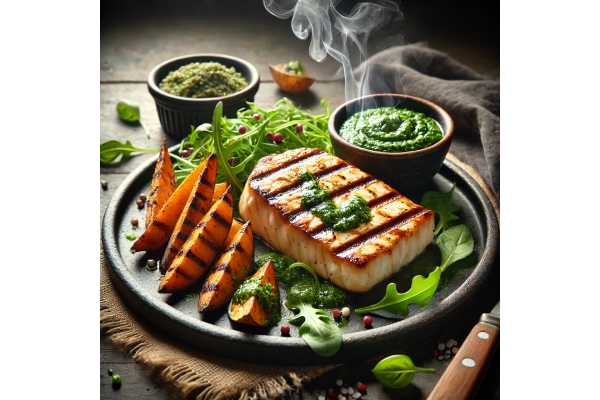
“Kingfish” is a market name used for two very different fish, and that split matters for your plate and your health. In North America,...