
Orange Roughy nutrition and health: lean protein, mercury guidance, sustainability, and cooking tips
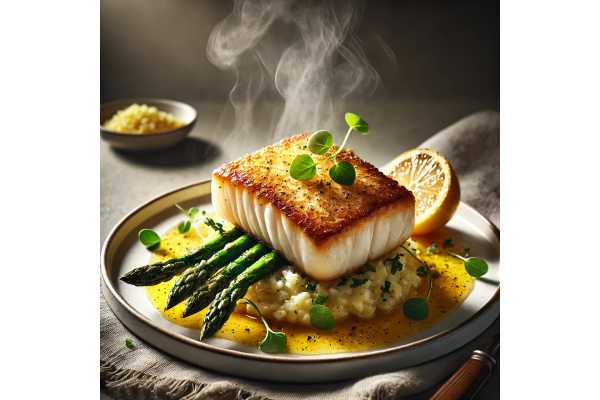
Orange roughy—once marketed as “slimehead”—is a deep-sea fish known for its delicate, snowy flesh and mild, sweet flavor. Cooks prize it for even flaking,...
Oyster nutrition facts and safety: zinc-rich shellfish, norovirus precautions, and cooking methods
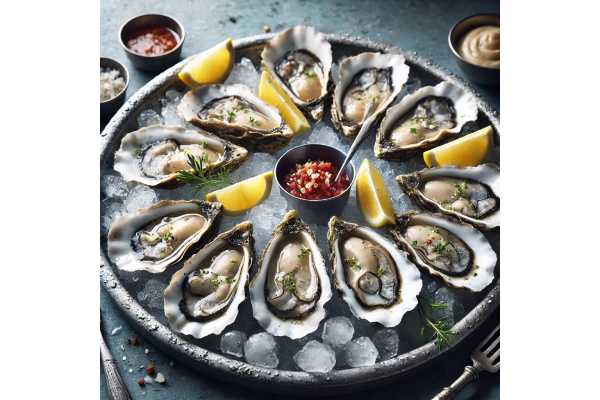
Oysters offer a rare mix of gastronomy and nutrition: a briny, mineral-rich bite that also delivers exceptional zinc, vitamin B12, and long-chain omega-3 fats...
Pacific Saury fish guide for cooks and health: per 100 g nutrition, safety, and best ways to prepare
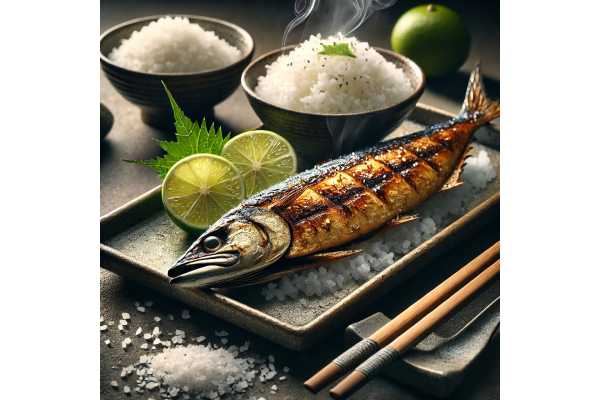
Pacific saury—known as sanma in Japan—packs bold, autumnal flavor into a slim, torpedo-shaped fish. It’s prized for smoky, blistered skin off the grill, rich...
Parrotfish nutrition facts and health benefits, cooking tips, safety considerations, and sustainability
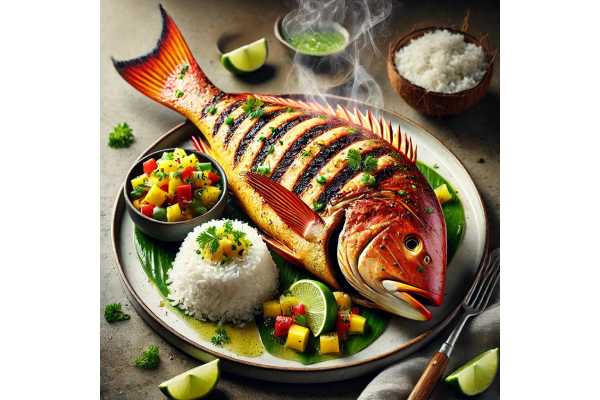
Parrotfish are reef-dwelling, algae-grazing fish known for their bright colors and unmistakable beak-like teeth. In the kitchen, they behave like many lean white fish:...
Pepper Dulse nutrition facts and benefits: iodine, minerals, recipes, and safety
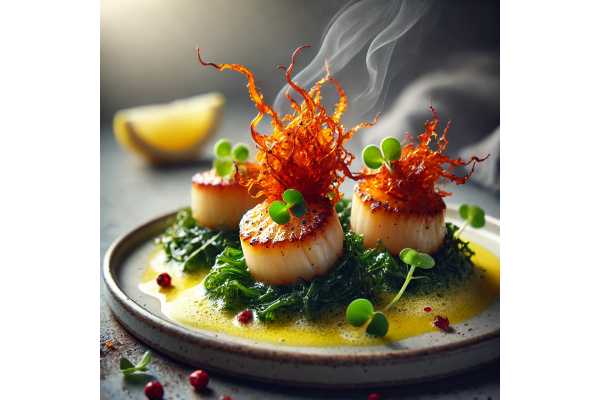
Pepper dulse (Osmundea pinnatifida) is a delicate red seaweed with a naturally peppery, truffle-like aroma that chefs prize for finishing dishes. Although it is...
Perch health and nutrition facts: protein, selenium, vitamin B12, mercury advice, and best cooking methods

Perch is a mild, lean freshwater fish enjoyed across North America, Europe, and beyond—most commonly yellow perch (Perca flavescens) and Eurasian perch (Perca fluviatilis)....
Periwinkle nutrition and health benefits, calories, protein, minerals and safety guide

Periwinkles—the small marine snails you might also see labeled common periwinkle or Littorina littorea—are a traditional seafood in parts of Europe, West Africa, and...
Pike nutrition facts per 100 g with health benefits and risks
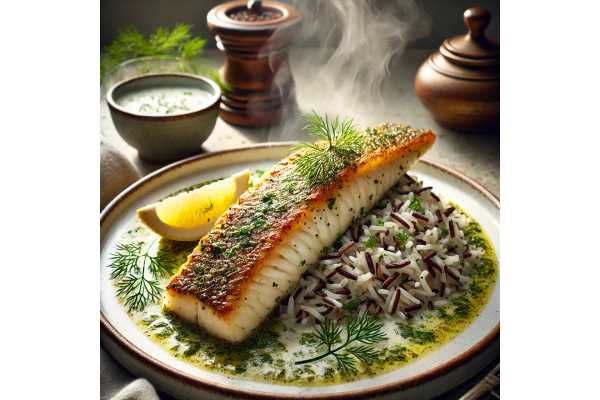
Pike is a lean, freshwater fish valued for its clean, mild flavor, firm flaky texture, and impressive protein density with very little fat. Anglers...
Plaice calories, protein, vitamins and minerals with storage tips
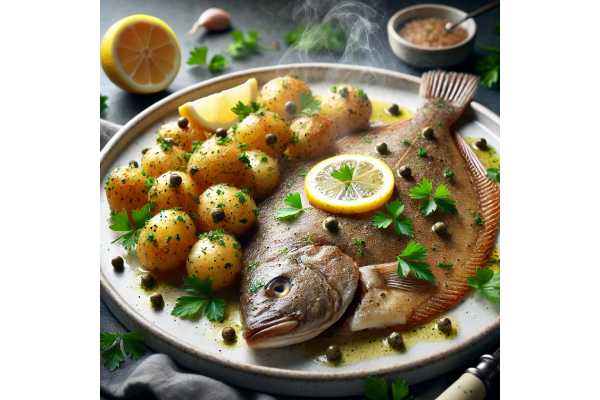
Plaice—most often European plaice (Pleuronectes platessa)—is a mild, lean flatfish prized for its delicate, sweet flesh and quick, forgiving cook time. It brings meaningful...
Pollock buying guide, sustainability, nutrition, and kitchen techniques
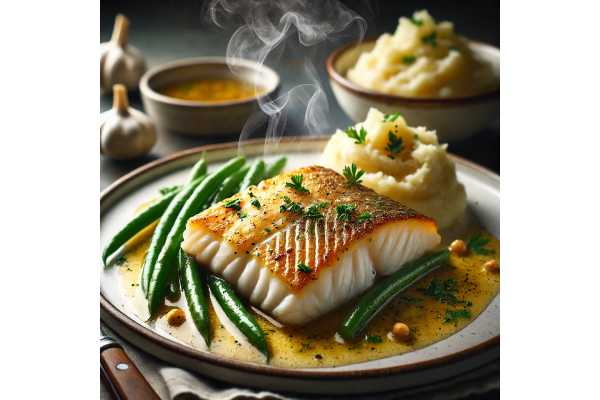
Pollock—best known as Alaska pollock (Gadus/Theragra chalcogrammus) and its close cousin Atlantic pollock (Pollachius virens)—is a lean, mild white fish that’s easy to cook...
Pomfret nutrition facts per 100 g with health benefits and risks
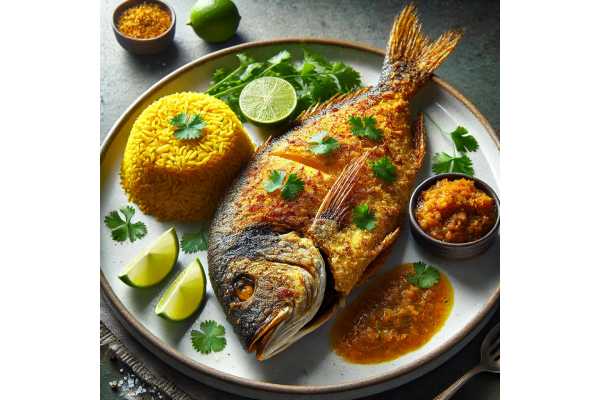
Pomfret—most often silver pomfret (Pampus argenteus) and black pomfret (Parastromateus niger)—is a prized table fish across South and East Asia for its clean flavor,...
Pompano recipes, serving sizes, and evidence-based health benefits
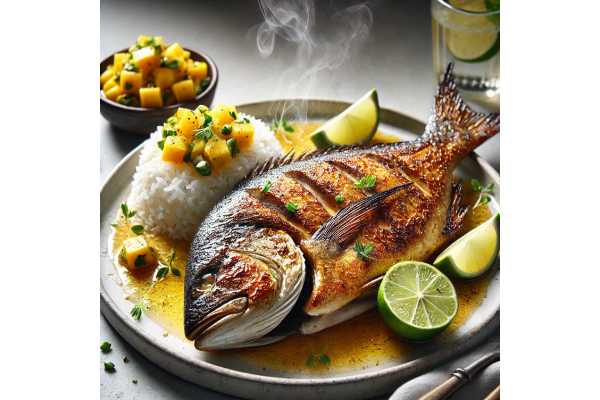
Pompano—most commonly Florida pompano (Trachinotus carolinus) and golden pompano (Trachinotus blochii)—is a culinary favorite for its buttery flavor, fine flakes, and quick, even cooking....
Porgy nutrition benefits, omega-3s, and safe cooking explained
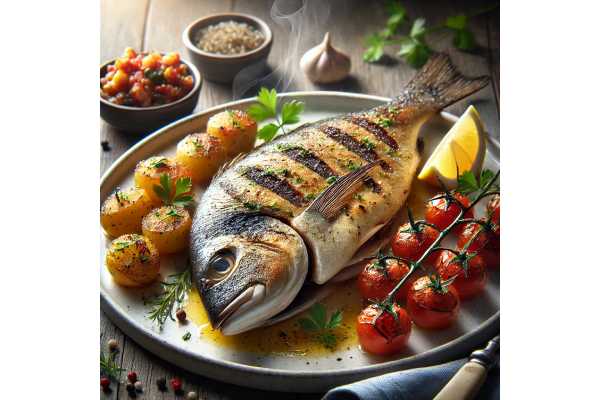
Porgy—often sold as scup in the U.S. and grouped with sea breams—offers lean, mild, slightly sweet flesh that cooks fast and pairs with almost...
Prawn nutrition facts, heart health support, and safe preparation tips
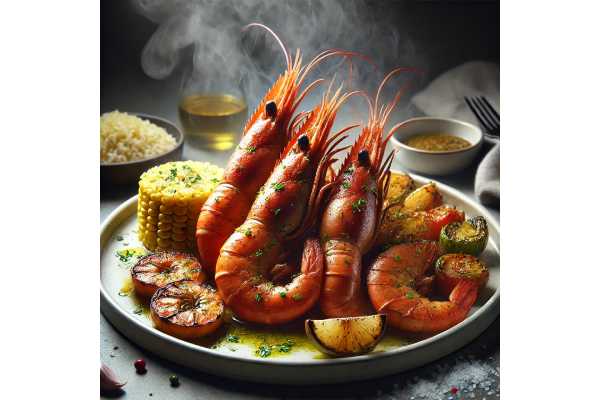
Prawns—often sold interchangeably with shrimp in many markets—are quick-cooking, versatile crustaceans with a sweet, clean flavor that works in everything from weeknight stir-fries to...
Ray portions and comparisons: how it stacks up to salmon, cod, and sardines
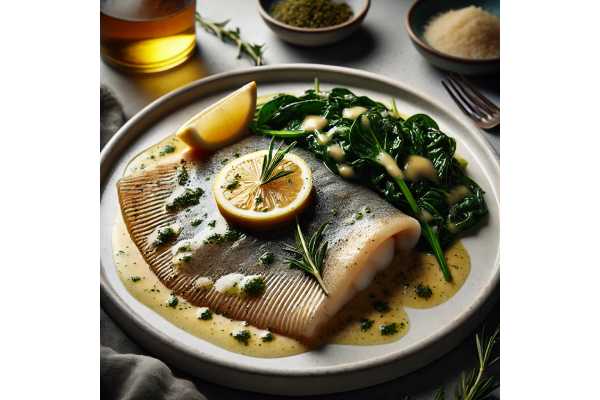
Rays—sold most often as “skate wing”—offer delicate, slightly sweet flesh with a fine grain that flakes into ribbons when cooked just right. As cartilaginous...
Redfish explained: complete nutrition profile, proven benefits, and everyday uses

Redfish is a market name that usually refers to two different seafood choices: ocean perch (Sebastes spp.), a deepwater rockfish common in North Atlantic...
Rockfish health benefits and risks, vitamins, minerals, and mercury guidance
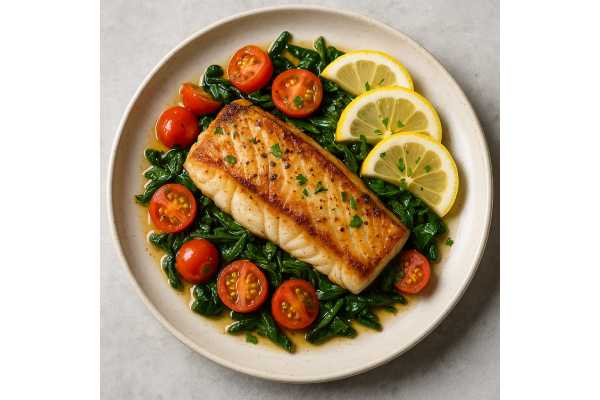
Rockfish—also sold as Pacific rockfish, ocean perch, or simply “rock cod” in some markets—is a versatile family of lean white fish with mild, slightly...
Roe nutrition facts and uses: vitamin B12, vitamin D, omega-3s, and safety

Roe—fish eggs from species like salmon (ikura), flying fish (tobiko), capelin (masago), cod (tarako), and sturgeon (caviar)—is prized for its clean brininess, vibrant colors,...
Sablefish health benefits and risks: calories, protein, omega-3s, and mercury guidance
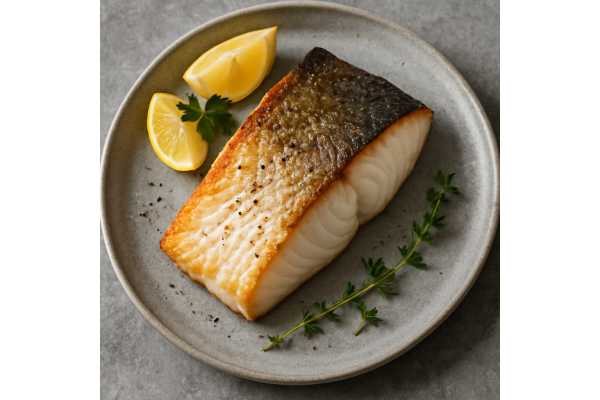
Sablefish—often called “black cod” on menus—is a deep, cold-water fish known for its velvet texture and rich, gently sweet flavor. Thanks to its high...
Salmon nutrition facts and benefits: omega-3s, heart health, and best cooking methods
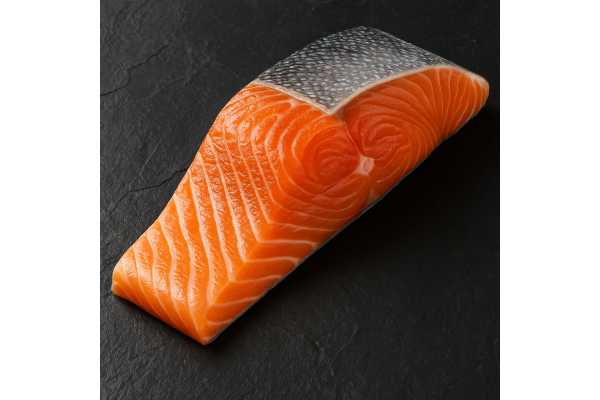
Salmon sits at the rare crossroads of flavor, versatility, and robust nutrition. Whether wild or farmed, its rosy flesh brings a clean, rich taste...