
Millet nutrition facts and uses: diabetes-friendly recipes, mineral density, and safe storage
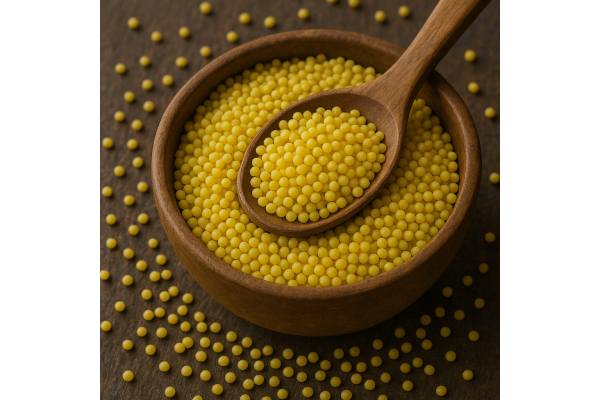
Millet is a family of small, quick-growing cereal grains that thrive where other crops struggle. Long valued across Africa and Asia, millets are making...
Oats vitamins and minerals per 100 g with daily values and serving guidance
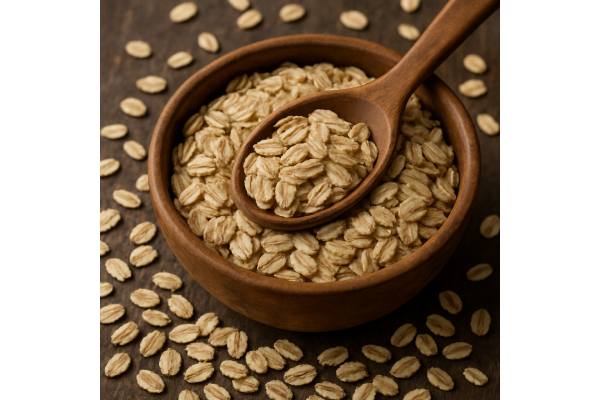
Oats are one of the most versatile whole grains you can keep in your kitchen. A bowl of oatmeal delivers steady energy, meaningful fiber,...
Quinoa nutrition breakdown: Vitamins, minerals, and health benefits
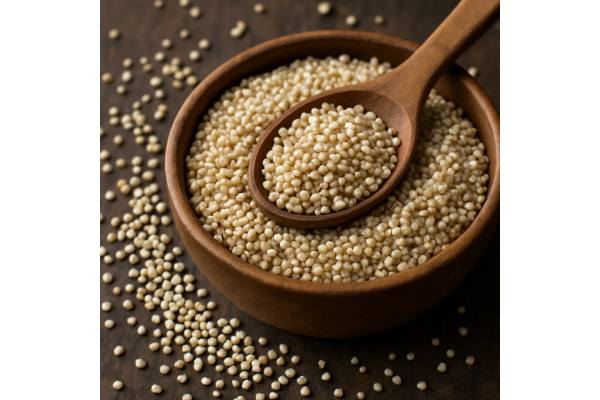
Quinoa is often hailed as a superfood, and for good reason. It’s a highly nutritious, gluten-free, ancient grain that has found its place in...
Rice nutrition: benefits, calories, glycemic impact and safe cooking explained
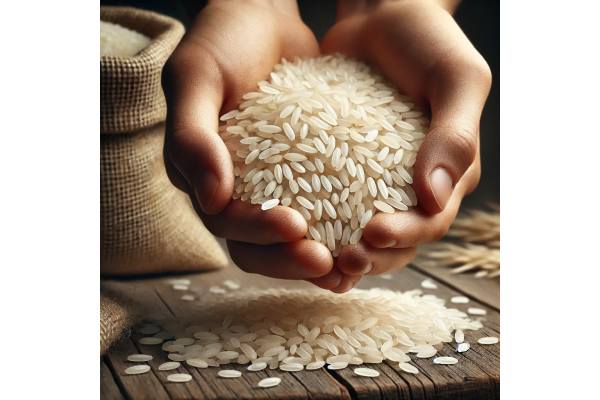
Rice is one of the world’s most adaptable staple foods. It brings reliable energy, pairs well with almost every cuisine, and ranges from delicate...
Rye benefits, nutrition facts, glycemic impact, and safety for everyday eating
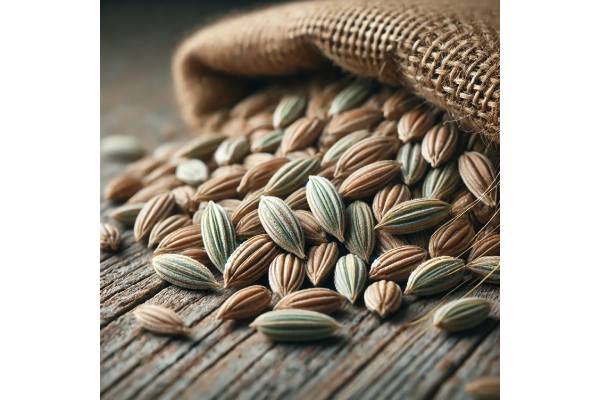
Rye is a hardy cereal grain that delivers dense, earthy flavor along with standout nutrition. Whole rye is naturally rich in fiber—especially the viscous...
Sorghum benefits and risks explained: nutrition facts, polyphenols, cooking tips, and safe gluten-free swaps
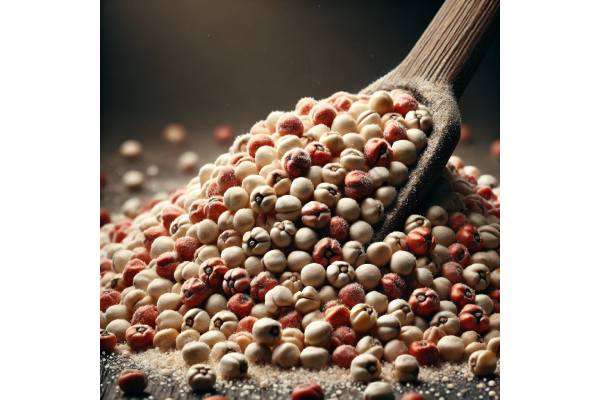
Sorghum is a resilient ancient grain that earns attention for its versatility, reliable nutrition, and sustainability. Naturally gluten-free, it cooks into chewy whole berries...
Teff nutrition facts and health benefits: calories, minerals, gluten-free uses, and safe cooking
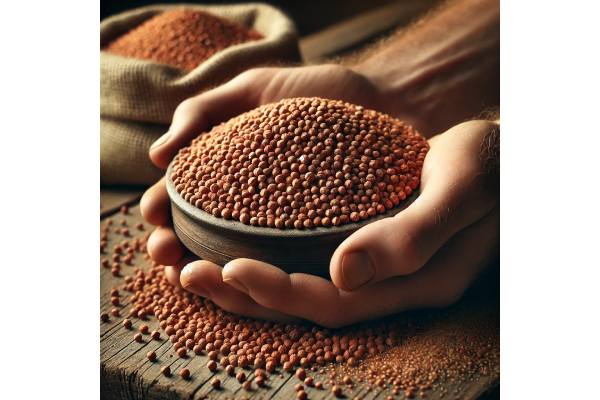
Teff is a tiny whole grain with an outsized reputation. Native to the Horn of Africa, it is the backbone of Ethiopian and Eritrean...
Triticale benefits and side effects: nutrition per 100 g, preparation, and storage
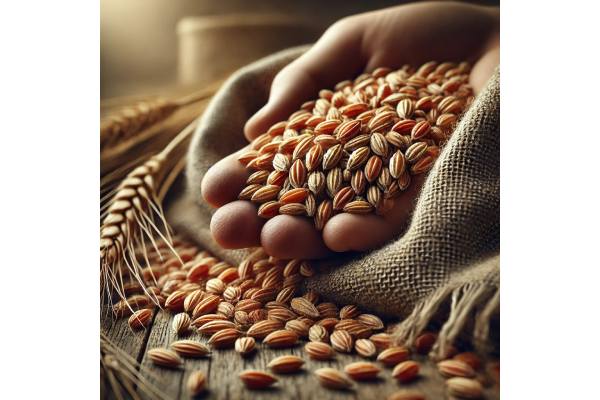
Triticale is a modern cereal created by crossing wheat and rye to capture the strengths of both grains. It delivers steady energy from complex...
Wheat nutrition facts and health benefits: uses, safety, and how to cook
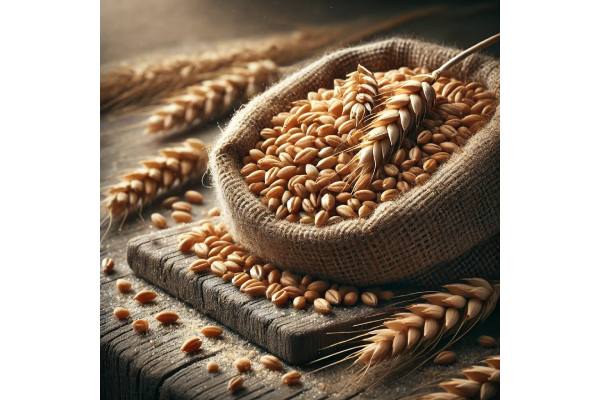
Wheat is one of the world’s most reliable staples—versatile in the kitchen, nutrient-dense when eaten as a whole grain, and foundational to foods people...
Wild rice benefits and side effects: complete nutrition per 100 g, storage, and preparation
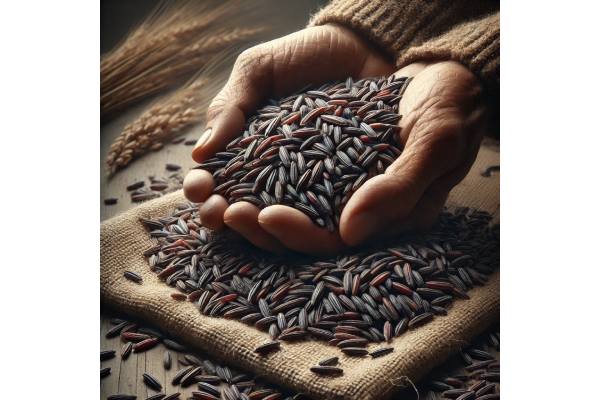
Wild rice is not a true rice—it’s the seed of aquatic grasses in the genus Zizania—but it cooks and eats like one. With a...
Açaí health benefits, nutrition facts, uses, and safety for smoothie bowls and daily eating
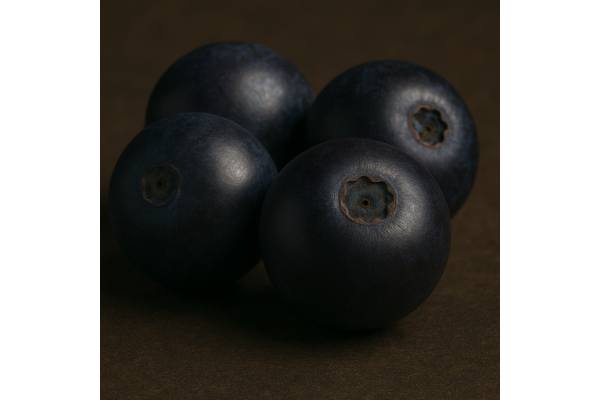
Açaí (pronounced ah-sigh-EE) is a deep purple berry from the Amazonian palm Euterpe oleracea. Once a regional staple, it is now sold worldwide as...
Apple nutrition and health benefits: calories, fiber, polyphenols, and safe ways to eat daily
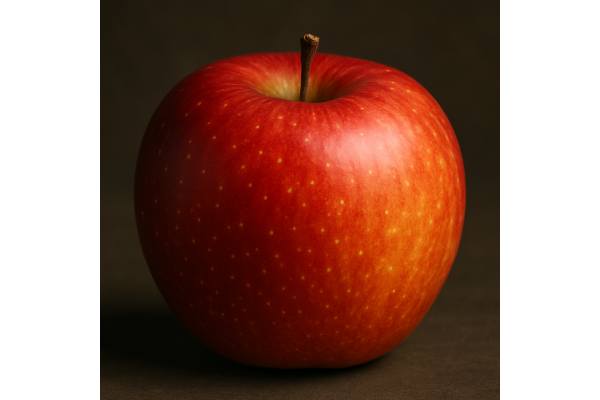
An apple is more than a crunchy, portable snack. It is a versatile ingredient with a balanced nutrition profile, widely available year-round in many...
Apricot nutrition and health benefits: calories, carotenoids, fiber, and safe ways to enjoy daily
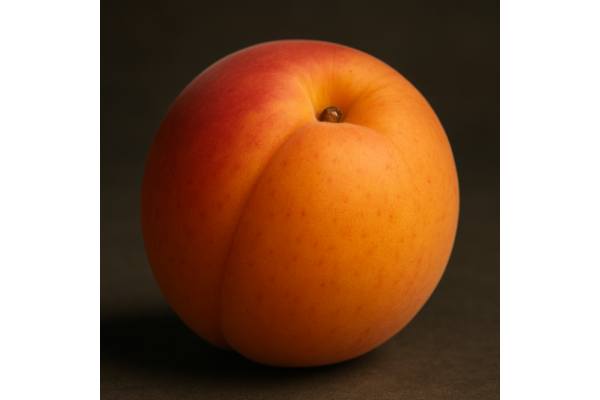
Sun-warmed apricots deliver more than perfume and sweetness. Beneath their downy skin you will find firm, juicy flesh rich in provitamin A carotenoids (especially...
Asian pear nutrition per 100 g with fiber, vitamins and low glycemic load

Crisp, aromatic, and refreshingly juicy, Asian pears (also called nashi or Pyrus pyrifolia) combine the snap of an apple with the floral sweetness of...
Avocado nutrition and health benefits: calories, fats, fiber, and safe serving sizes

Creamy, nutty, and endlessly versatile, avocados deliver a rare combination in the fruit world: abundant heart-friendly monounsaturated fat, meaningful fiber, and a portfolio of...
Banana nutrition and health benefits, potassium and fiber facts, safe uses and tips

Bananas are one of the world’s most dependable fruits: portable, budget-friendly, and familiar. Yet beyond the yellow peel is a food with surprising nutritional...
Bell pepper red vs green vs yellow, nutrient differences, best uses and preparation
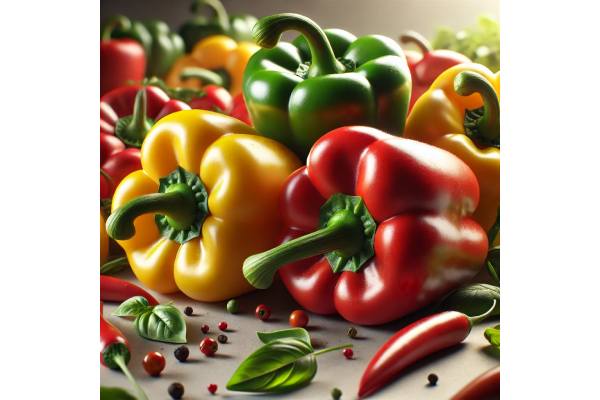
Bell peppers are the sweet, crunchy members of the Capsicum family that brighten meals without bringing heat. Available in green, red, yellow, orange, and...
Blackberry benefits and nutrition facts explained: calories, fiber, vitamins, and low glycemic impact

Blackberries offer a striking mix of flavor and function. They are naturally sweet-tart, deeply colored, and packed with fiber and polyphenols that support everyday...
Blueberry daily intake guide: calories, vitamins, antioxidants, uses, and precautions
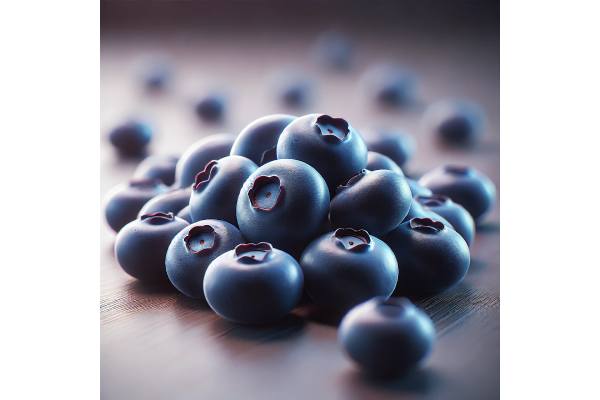
Blueberries punch well above their size. This small, sweet berry delivers fiber, vitamin C, vitamin K, and manganese—plus a dense package of polyphenols called...
Breadfruit nutrition and health benefits, glycemic index, gluten-free uses, and safety
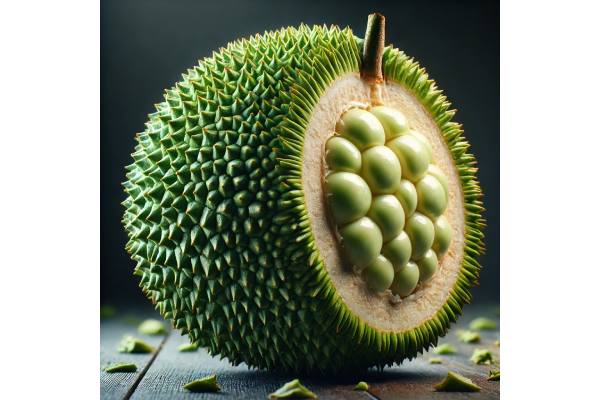
Breadfruit has fed island communities for centuries, yet many home cooks are just discovering how versatile this tropical staple can be. Starchy when green...