
The Complete Guide to Retinal Vein Occlusion
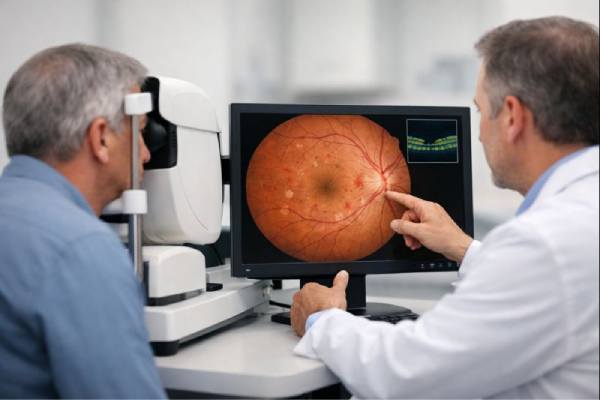
Retinal vein occlusion (RVO) is a common and potentially vision-threatening ocular condition that occurs when one of the veins that transport blood away from...
Retinal Telangiectasia: Key Facts and Care Options
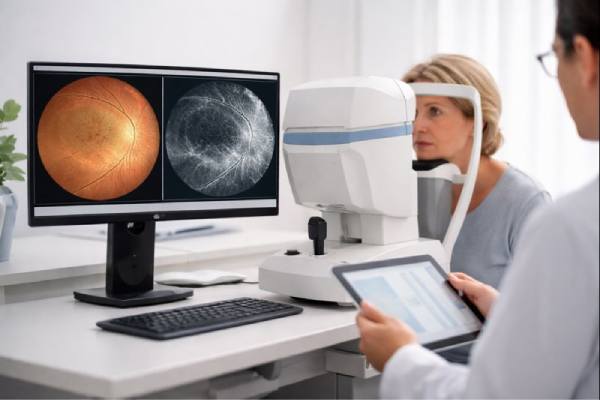
Retinal telangiectasia, also known as macular telangiectasia, is a rare, progressive retinal disorder characterized by abnormal dilation and leakage of retinal blood vessels, particularly...
A Complete Overview of Retinal Detachment
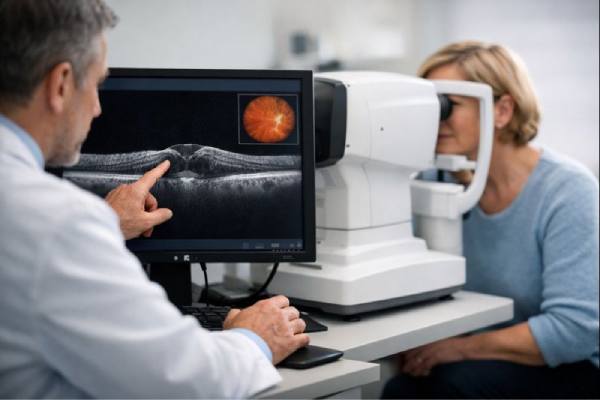
What is retinal detachment? Retinal detachment is a serious and potentially blinding ocular condition in which the retina, a thin layer of tissue at the...
Exploring Retinal Astrocytic Hamartoma in Depth

Retinal astrocytic hamartoma is a rare, benign retinal tumor that develops from astrocytes, which are a type of glial cell within the retina. These...
Retinal Artery Occlusion: What You Need to Know
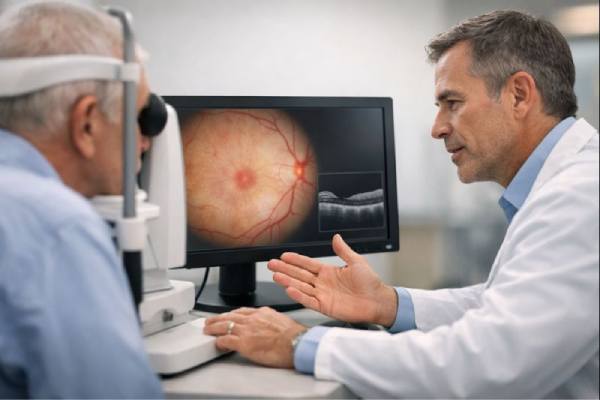
Retinal artery occlusion (RAO) is a serious and potentially vision-threatening ocular condition that occurs when the blood supply to the retina is suddenly cut...
Comprehensive Guide to Recurrent Corneal Erosion

What is recurrent corneal erosion? Recurrent corneal erosion (RCE) is a painful and often debilitating ocular condition characterized by repeated breakdown or detachment of the...
Causes and Treatments for Radiation Cataracts
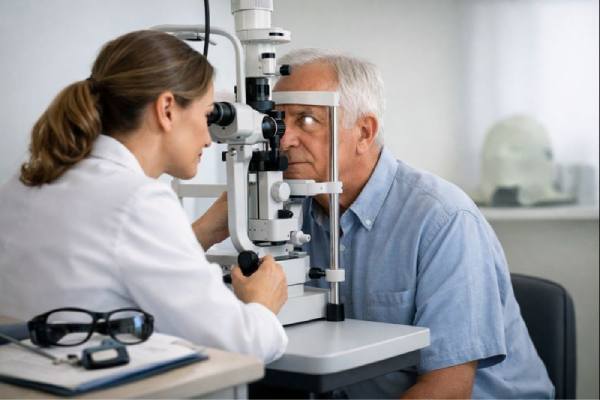
Radiation cataract is a type of cataract caused by exposure to ionizing radiation. Unlike the more common age-related cataracts, which develop gradually as a...
Exploring the Impact of Purtscher’s Retinopathy on Vision
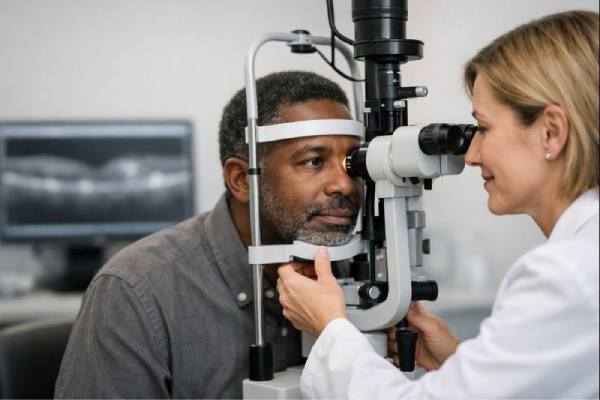
Purtscher's Retinopathy is a rare but severe retinal vascular disorder that causes sudden, painless vision loss, usually after trauma, acute pancreatitis, or other systemic...
What You Need to Know About Punctate Inner Choroidopathy

Punctate Inner Choroidopathy (PIC) is a rare inflammatory ocular condition that primarily affects young to middle-aged women, most of whom are myopic (nearsighted). PIC...
Insights into Punctal Stenosis

Punctal stenosis is defined as the narrowing or complete occlusion of the lacrimal puncta, which are tiny openings on the inner corners of the...
All About Ptosis

What is ptosis? Ptosis, also known as blepharoptosis, is a condition defined by abnormal drooping of one or both upper eyelids. This condition can range...
All About Pterygium
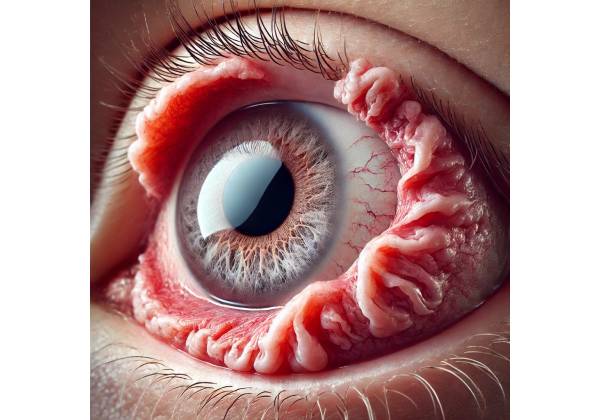
Introduction to Pterygium Condition Pterygium is a harmless growth of the conjunctiva, the transparent tissue that covers the white part of the eye (sclera) and...
Pseudophakia: Essential Facts
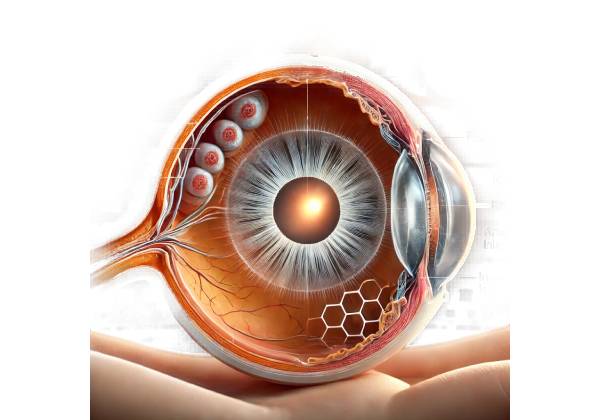
What is pseudophakia? Pseudophakia is the condition of having an artificial intraocular lens (IOL) implanted in the eye following the removal of the natural lens...
Detailed Examination of PseudoPapilledema
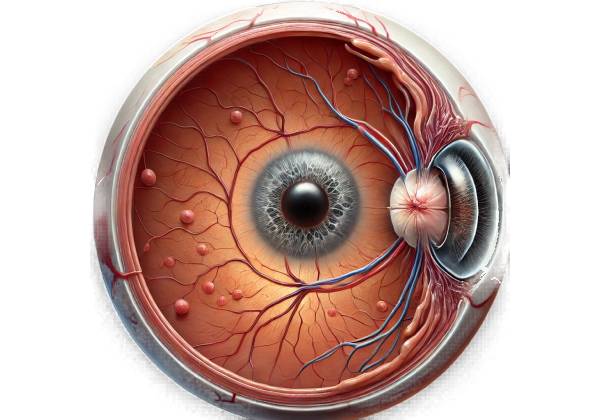
Pseudopapilledema is a condition in which the optic disc appears swollen, similar to true papilledema but without the underlying cause of elevated intracranial pressure...
All About Pseudoexfoliation Glaucoma
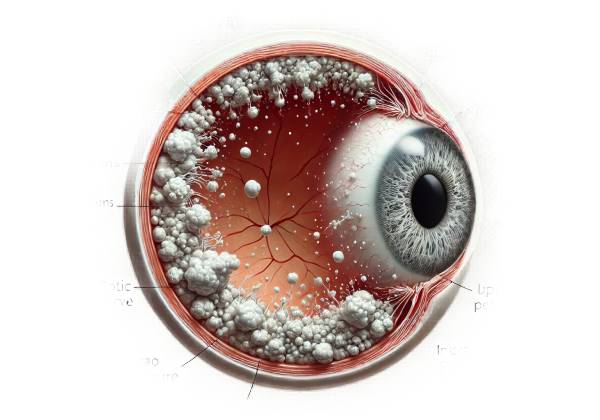
Pseudoexfoliation glaucoma (PXG) is a type of secondary open-angle glaucoma associated with pseudoexfoliation syndrome (PXF or PEX). PXF is a systemic condition characterized by...
Proliferative Vitreoretinopathy: An In-Depth Look
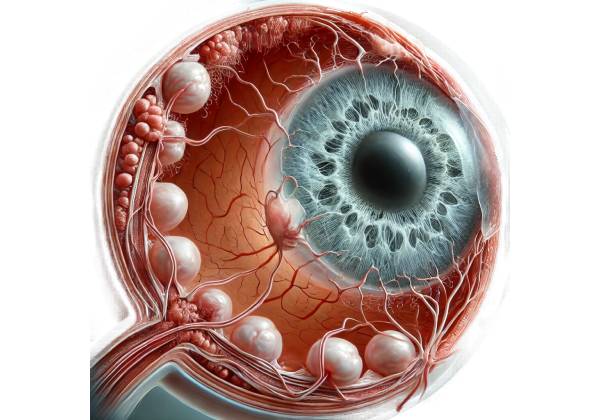
Proliferative vitreoretinopathy (PVR) is a complex and serious ocular condition that typically develops as a result of retinal detachment surgery. Membranes form on both...
All About Progressive Supranuclear Palsy
What is progressive supranuclear palsy? Progressive supranuclear palsy (PSP) is a rare neurodegenerative disorder characterized by the gradual deterioration of specific brain regions. This condition...
Primary Open-Angle Glaucoma: Symptoms and Diagnosis
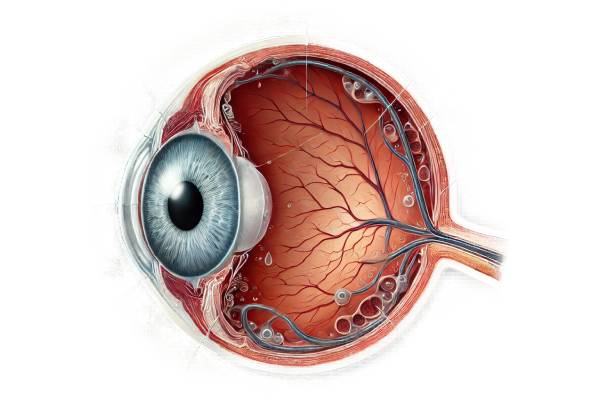
Primary open-angle glaucoma (POAG) is the most common type of glaucoma, a group of eye conditions marked by optic nerve damage and elevated intraocular...
Insights into Primary Intraocular Lymphoma
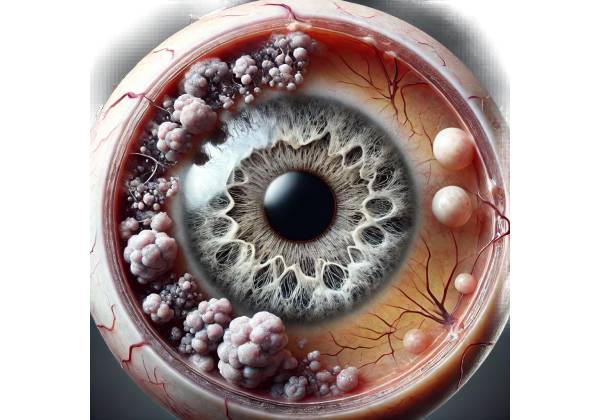
What is primary intraocular lymphoma? Primary intraocular lymphoma (PIOL) is a rare, malignant cancer that develops within the eye. It is a subtype of primary...
Primary Congenital Glaucoma: Key Insights
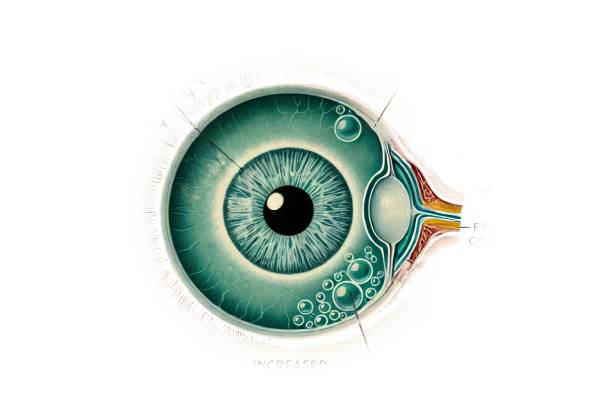
Primary Congenital Glaucoma (PCG) is a rare but severe type of glaucoma that develops early in life, usually within the first few months or...
Understanding Primary Acquired Nasolacrimal Duct Obstruction
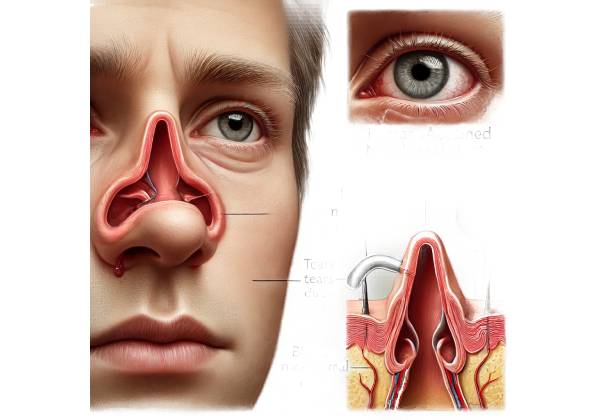
Primary Acquired Nasolacrimal Duct Obstruction (PANDO) is a common condition that causes a blockage in the nasolacrimal duct, preventing tears from draining normally from...
All About Presbyopia: Essential Information
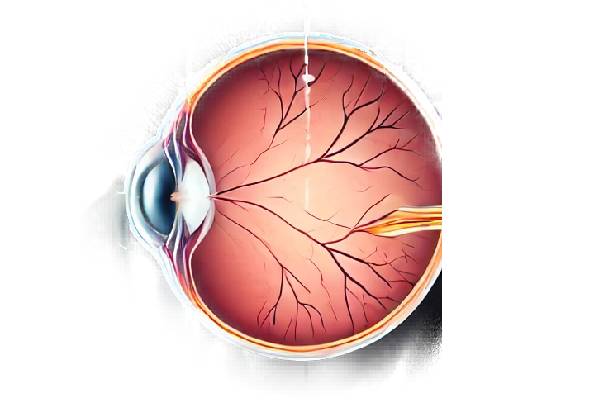
Presbyopia, a common age-related condition, impairs the eye's ability to focus on nearby objects. It is a natural part of the aging process and...
Managing Glaucoma After Vitreoretinal Surgery
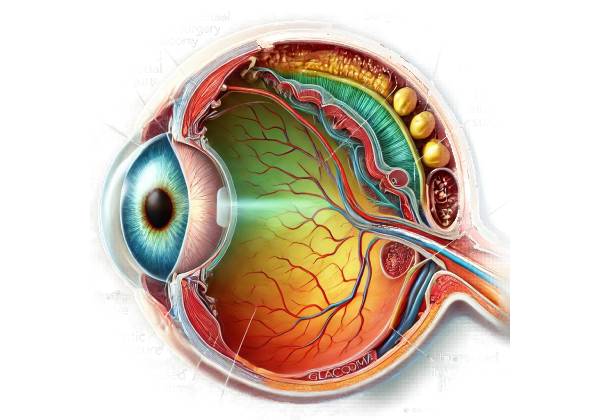
Post-vitreoretinal surgery glaucoma, also known as secondary glaucoma, is a condition characterized by high intraocular pressure (IOP) following vitreoretinal surgery. Vitreoretinal surgeries are a...
Post-Surgical Glaucoma: Symptoms and Solutions
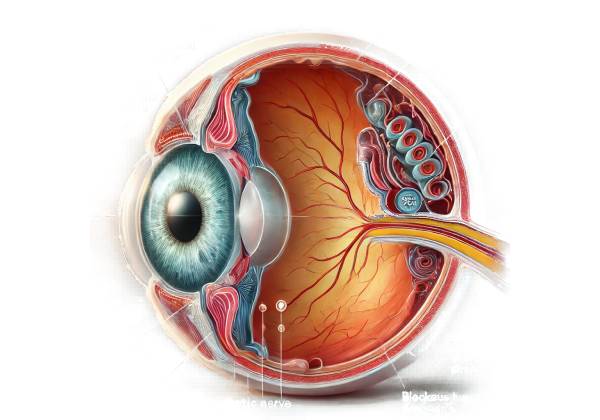
What is Post-surgical Glaucoma? Post-surgical glaucoma, also known as secondary glaucoma, is a condition characterized by an increase in intraocular pressure (IOP) following ocular surgery....