
Mountain Alder Medicinal Properties, Research, Uses, and Precautions
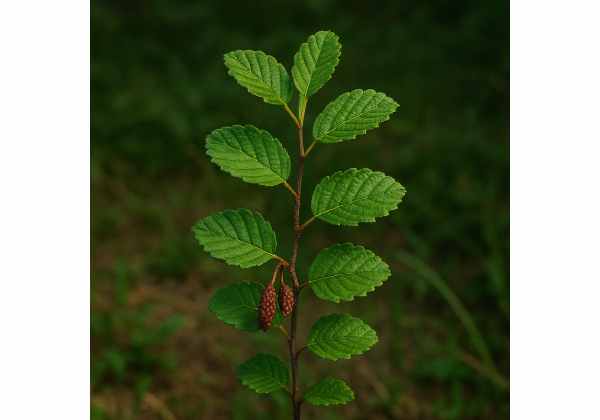
Mountain alder, usually identified as Alnus viridis and often called green alder in botanical writing, is a hardy shrub or small tree found in...
Motherwort (Leonurus cardiaca): Benefits for Stress, Palpitations, and Menstrual Comfort
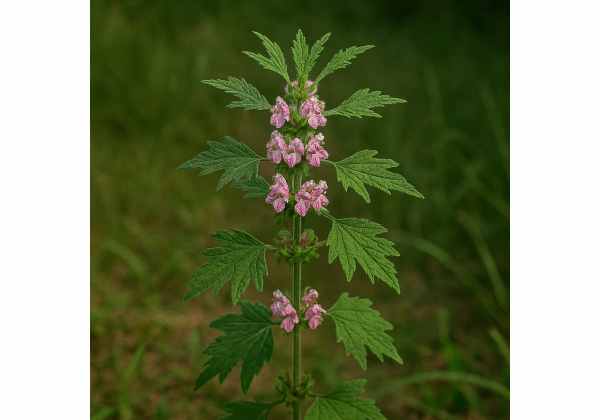
Motherwort, botanically known as Leonurus cardiaca, is a classic European herbal remedy with a name that hints at its two best-known traditions: support for...
Mother of Thyme (Thymus serpyllum): Respiratory Benefits, Medicinal Uses, and Practical Dosage
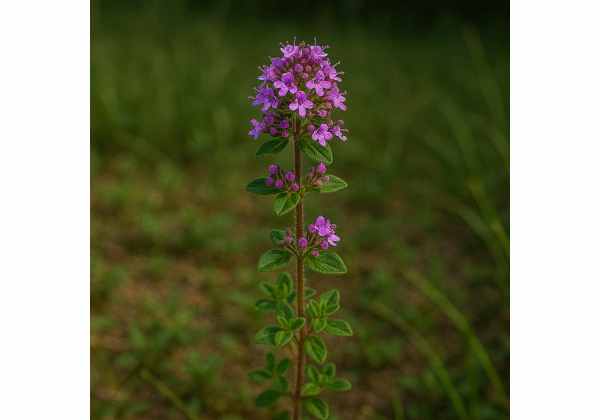
Mother of thyme, better known botanically as Thymus serpyllum, is a low-growing aromatic herb with a long history in traditional European and Asian herbal...
Mother of Herbs for Cough, Throat Comfort, and Digestive Support
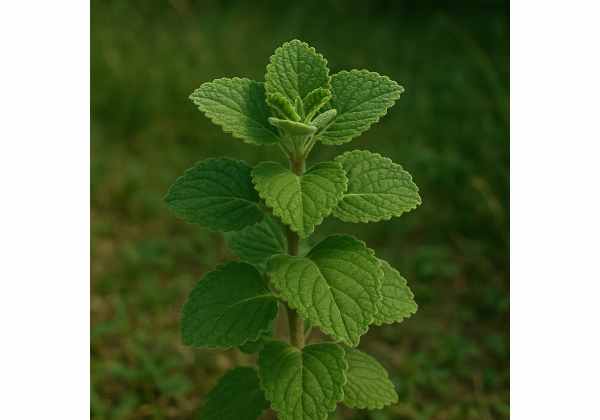
Mother of Herbs, Plectranthus amboinicus, is a thick-leaved aromatic plant from the mint family that is known by many other names, including Indian borage,...
Moroccan Mint (Mentha spicata var. crispa) Uses, Active Ingredients, Health Effects, and Side Effects
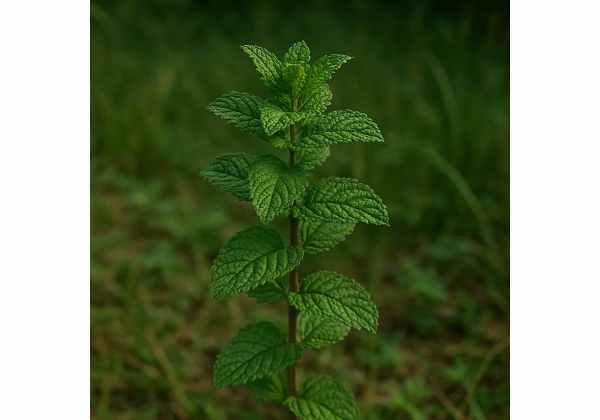
Moroccan mint is more than a fragrant tea herb. Best known as the lively, cooling leaf used in North African mint tea, it is...
Moringa Uses, Health Benefits, Medicinal Properties, and Who Should Avoid It
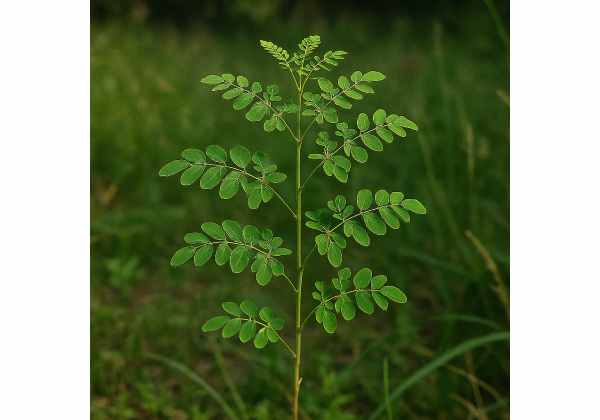
Moringa, often called the drumstick tree or horseradish tree, is one of the few herbs that sits comfortably between food and supplement. Its leaves...
Monkshood Key Ingredients, Historical Uses, Toxicity, and Safe Alternatives
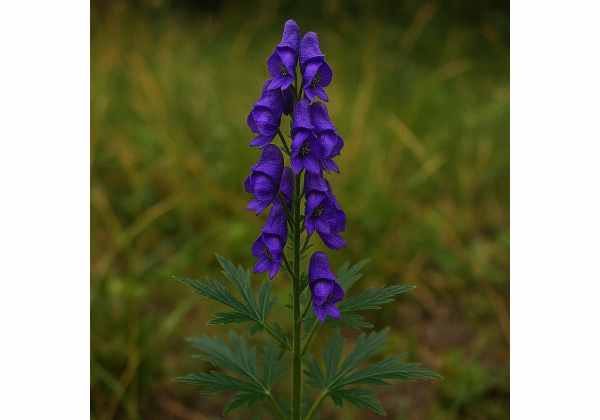
Monkshood, also known as wolfsbane or Aconitum napellus, is one of the most striking and dangerous plants in herbal history. Its deep blue-purple flowers...
Monk’s Pepper for PMS, Breast Tenderness, Cycle Support, and Safety
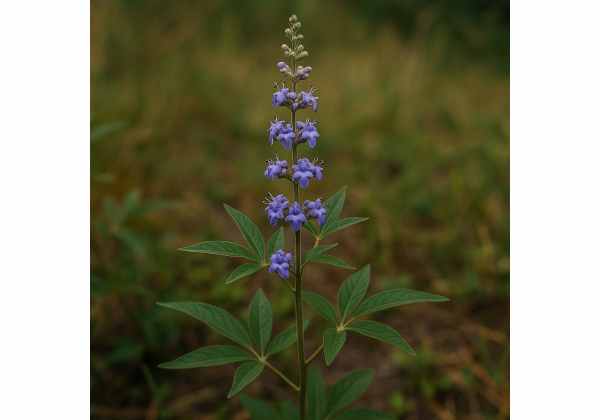
Monk’s pepper, also called vitex, chaste tree, or chasteberry, is the dried fruit of Vitex agnus-castus, a Mediterranean shrub long used in women’s herbal...
Moneywort (Lysimachia nummularia) Herbal Benefits, Wound Uses, Dosage, and Safety Guide
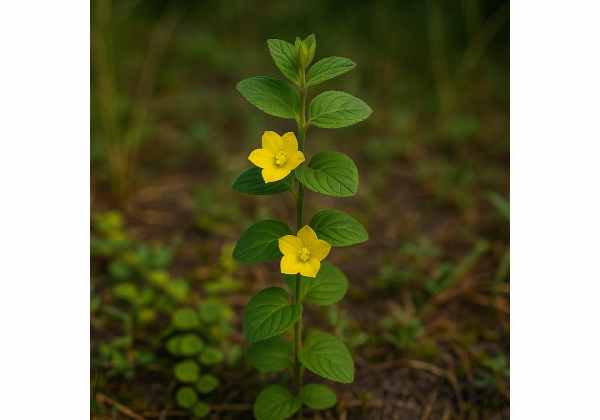
Moneywort, better known to many gardeners as creeping Jenny, is a low-growing herb with rounded, coin-like leaves and bright yellow flowers. Behind its ornamental...
Monarda (Monarda didyma): Digestive Support, Respiratory Uses, and Dosage Details
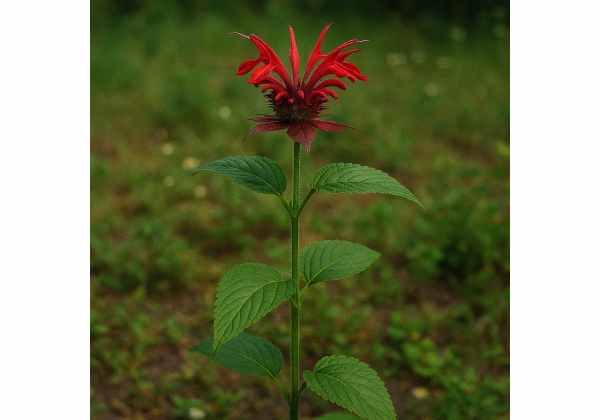
Monarda didyma, often called bee balm, scarlet beebalm, or Oswego tea, is one of those herbs that bridges kitchen, garden, and medicine cabinet with...
Molokhia (Corchorus olitorius): Benefits for Digestion, Key Ingredients, Traditional Uses, and Safety
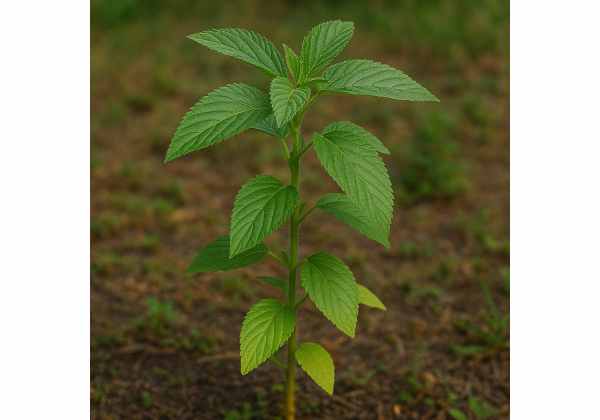
Molokhia, also known as jute mallow, saluyot, and ewedu in different food traditions, is one of those rare plants that sits comfortably between nourishment...
Moldavian Dragonhead Tea Benefits, Extract Uses, and Practical Safety Guide
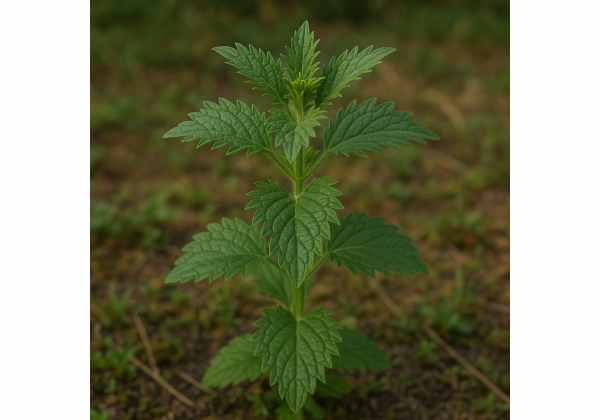
Moldavian dragonhead, Dracocephalum moldavica, is an aromatic annual herb in the mint family valued for its bright lemon-like scent, attractive blue-violet flowers, and long...
Mitsuba Benefits for Digestion, Antioxidant Support, Culinary Use, and Precautions
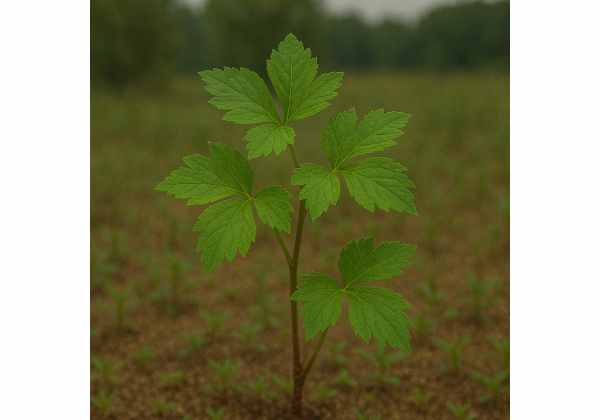
Mitsuba, also called Japanese wild parsley or Japanese honewort, is a delicate leafy herb in the carrot family with a clean, green aroma that...
Mistletoe for Supportive Cancer Care, Historical Uses, and Safety Considerations
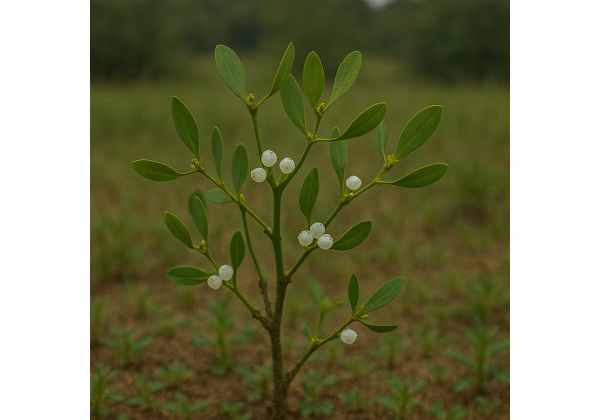
Mistletoe is one of the most unusual medicinal plants in traditional European practice. Unlike most herbs, Viscum album is a semiparasitic evergreen that grows...
Mint Health Benefits, Key Compounds, Digestive Uses, and Safety Guide
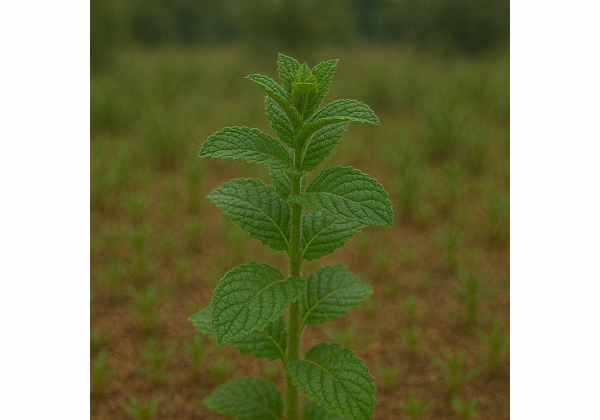
Mint is one of the most familiar medicinal herbs in the world, but “mint” is not just one plant. Mentha is a broad genus...
Mimosa (Mimosa pudica) Medicinal Properties, Digestive Uses, Dosage, and Safety
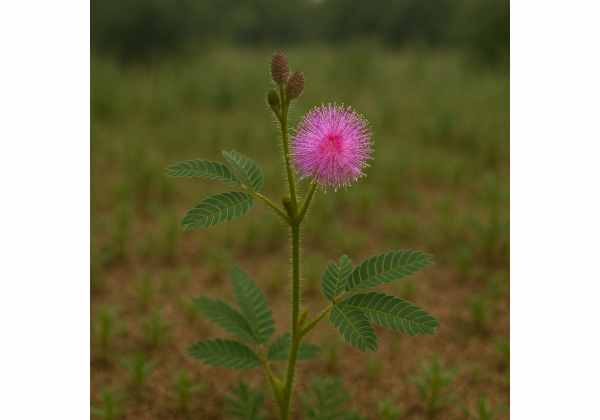
Mimosa pudica, often called sensitive plant or touch-me-not, is one of the most recognizable medicinal herbs because its leaves fold inward when touched. Beyond...