
Infectious Uveitis: Comprehensive Guide and Overview
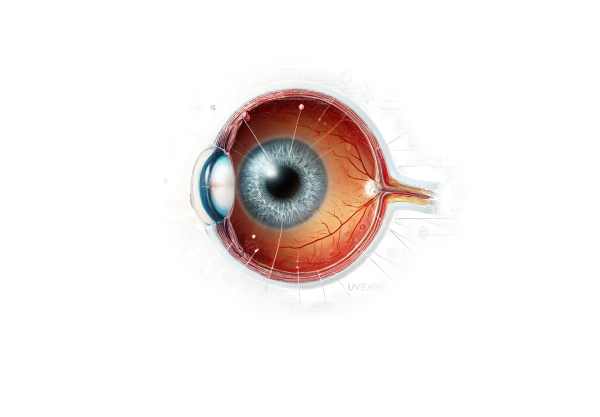
What is infectious uveitis? Infectious uveitis is a serious infection-related inflammation of the uveal tract, the eye's middle layer. The uveal tract consists of the...
Exploring Infectious Endophthalmitis: Diagnosis and Management
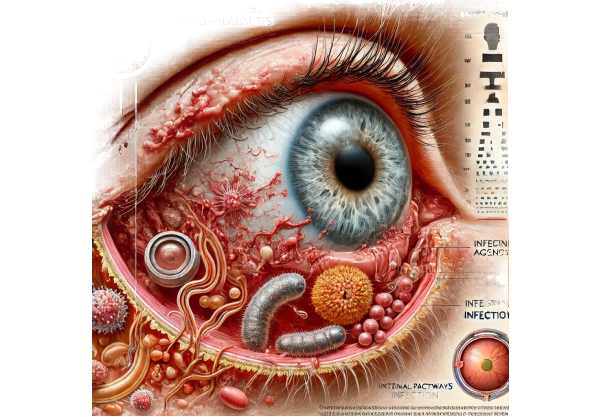
What is Infectious Endophthalmitis? Infectious endophthalmitis is a severe, vision-threatening inflammation of the inside of the eye that is usually caused by infection. This condition...
Idiopathic Intracranial Hypertension: Symptoms and Solutions
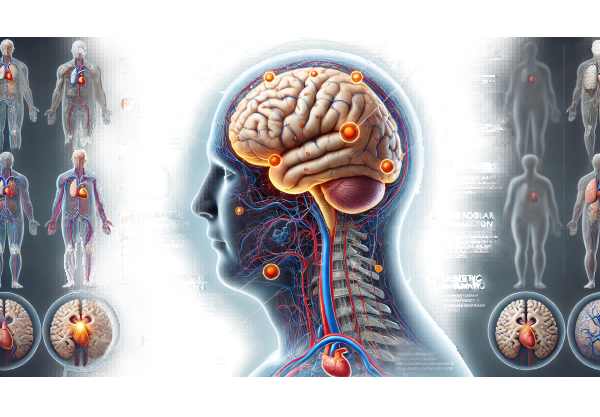
What is idiopathic intracranial hypertension? Idiopathic intracranial hypertension (IIH), also known as pseudotumor cerebri, is a condition in which there is an increase in pressure...
What You Need to Know About Hypotropia

What is hypotropia? Hypotropia is a type of strabismus in which one eye deviates downward relative to the other, resulting in misalignment. This ocular condition...
Managing Hypophoria: Symptoms and Solutions

What is hypophoria? Hypophoria is a type of vertical heterophoria in which one eye drifts downward relative to the other when not actively focused on...
Hyphema: Causes, Symptoms, and Diagnosis
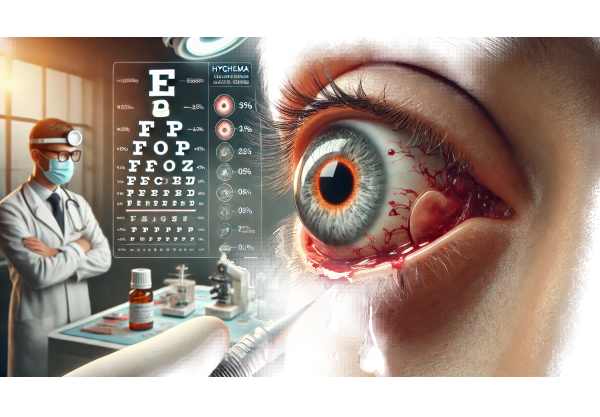
What is hyphema? Hyphema is an ocular condition characterized by the presence of blood in the anterior chamber of the eye, which is located between...
Hypertropia: Symptoms, Diagnosis, and Management
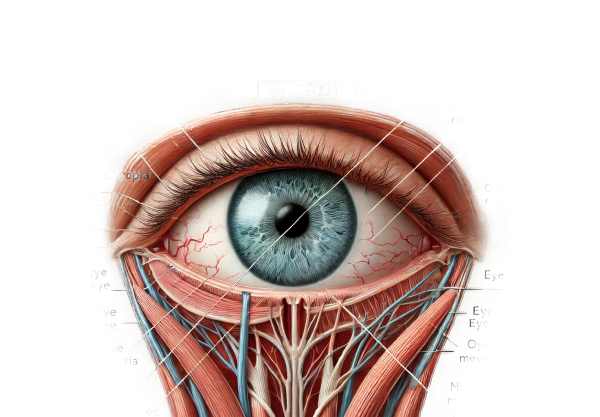
What is hypertropia? Hypertropia is a type of strabismus in which one eye is misaligned upwards in comparison to the other. This misalignment can cause...
Exploring Hypertensive Retinopathy: Key Facts and Information
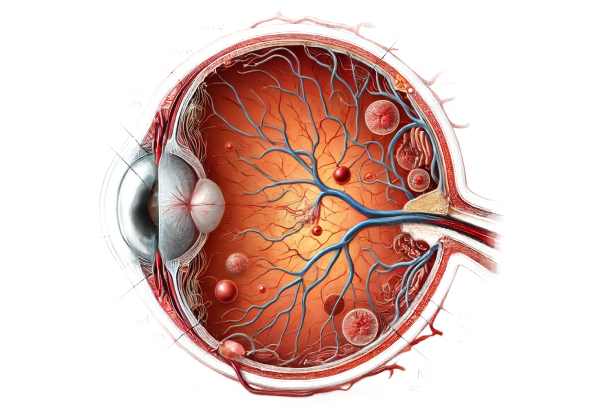
What is hypertensive retinopathy? Chronic high blood pressure affects the retina, the light-sensitive tissue at the back of the eye, resulting in hypertensive retinopathy. Prolonged...
Exploring Hyperphoria: Causes and Solutions
What is hyperphoria? Hyperphoria is a type of latent strabismus (eye misalignment) in which one eye deviates upwards relative to the other when not actively...
Hyperopia: Causes, Symptoms, and Solutions
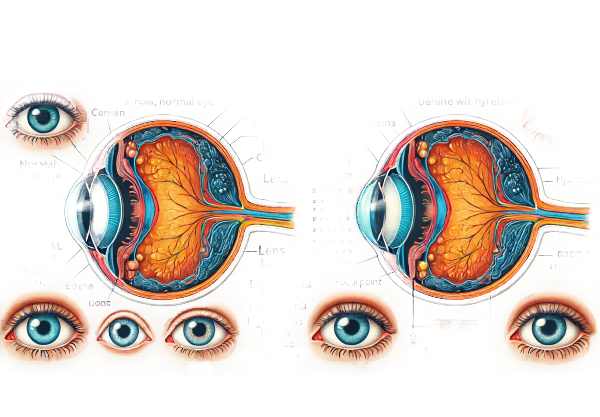
What is hyperopia? Hyperopia, also known as farsightedness, is a refractive error in which distant objects appear more clearly than close ones. This condition develops...
Understanding Hyperlysinemia and Lens Dislocation
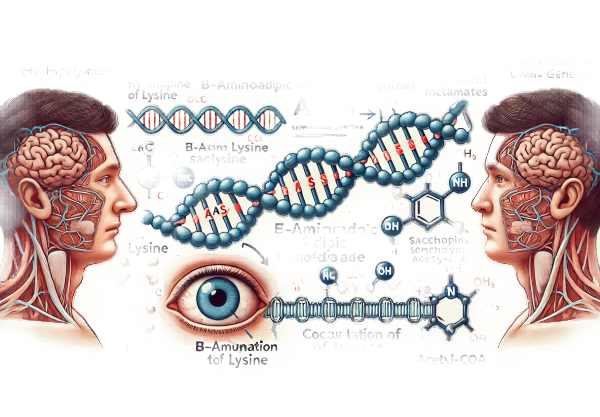
What is hyperlysinemia? Hyperlysinemia is a rare metabolic disorder characterized by high levels of the amino acid lysine in the blood due to a lack...
Exploring Horner’s Syndrome Ocular Effects
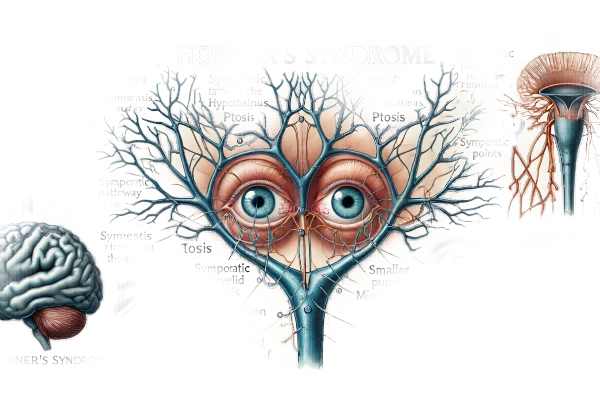
What is Horner Syndrome? Horner's syndrome, also known as oculosympathetic paresis, is a neurological disorder caused by a disruption of the sympathetic nerves that supply...
Insights into Hordeolum
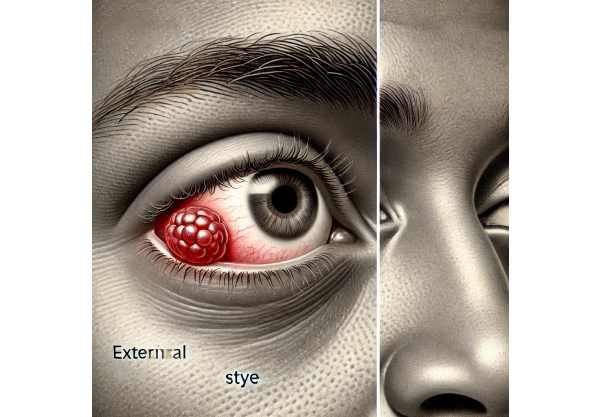
What is Hordeolum? Hordeolum, also known as a stye, is an acute infection or inflammation of the oil glands in the eyelid that causes a...
Homonymous Hemianopia: Causes and Symptoms
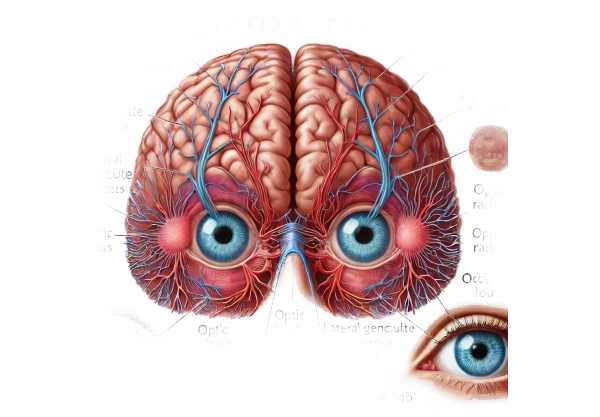
What is Homonymous Hemianopia? Homonymous hemianopia is a visual field defect that affects the same side of both eyes. This condition is caused by damage...
Insights into Homocystinuria and Eye Care

What is homocystinuria? Homocystinuria is a rare inherited metabolic disorder marked by an excess of homocysteine in the blood and urine. This condition is caused...
Causes and Symptoms of Herpes Simplex Keratitis
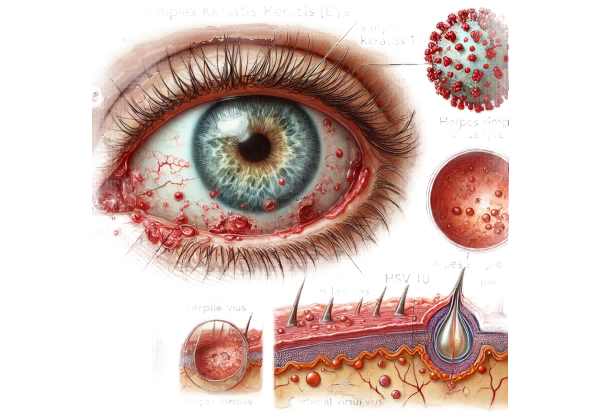
What is herpes simplex keratitis? Herpes simplex keratitis (HSK) is an ocular infection caused by the herpes simplex virus (HSV), specifically HSV-1. It is the...