
Managing Anophthalmia and Microphthalmia Effectively

introduction Anophthalmia and microphthalmia are rare congenital eye disorders that cause the absence or underdevelopment of one or both eyes. Anophthalmia is defined as the...
Anisometropia.

Introduction to Anisometropia Anisometropia is a common ocular condition that causes a significant difference in refractive power between the two eyes. This difference can result...
Anisocoria.

What is Anisocoria? Anisocoria is a condition defined by unequal pupil sizes in the eyes. It is a fairly common finding that can be physiological...
Aniridia: Key Facts and Information

What is Aniridia? Aniridia is a rare congenital eye condition marked by the partial or complete absence of the iris, the colored part of the...
Amblyopia: Key Facts and Solutions

What is Amblyopia? Amblyopia, also known as "lazy eye," is a visual development disorder in which one eye does not achieve normal visual acuity, even...
Albinism (Ocular and Oculocutaneous).

Introduction to Albinism Albinism is a genetic condition defined by a lack of melanin pigment in the skin, hair, and eyes. This condition affects people...
Age-related macular degeneration (AMD).

What is age-related macular degeneration (AMD)? Age-related macular degeneration (AMD) is a common eye condition that primarily affects people over the age of 50. This...
Adie’s Pupil: Key Facts and Tips

What Is Adie's pupil? Adie's pupil, also known as tonic pupil, is a neurological condition in which the eye's pupil reacts abnormally to light. This...
Comprehensive Guide to Ocular Actinic Keratosis
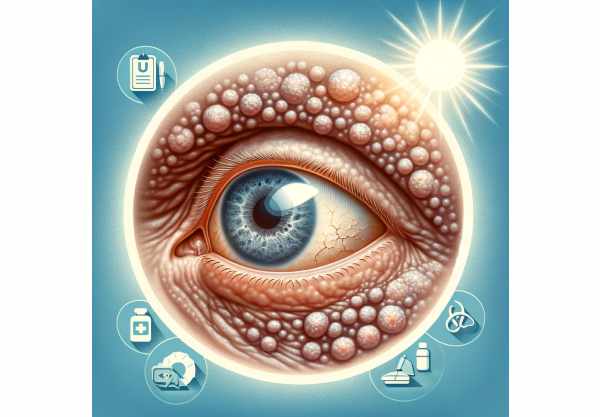
What is Ocular Actinic Keratosis? Ocular actinic keratosis is a rare but serious eye condition caused by prolonged exposure to ultraviolet (UV) radiation. While actinic...
Eye condition: “Acrochordon (skin tags)”
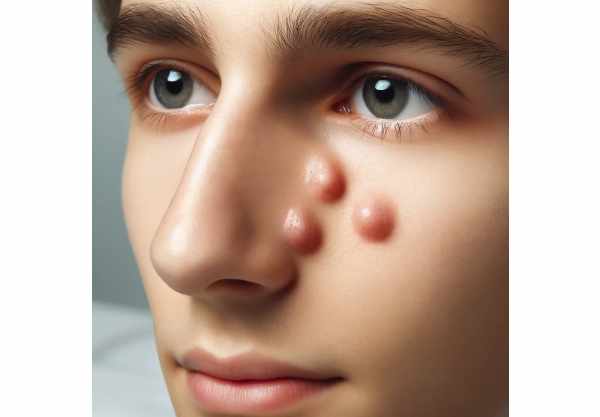
Introduction to Acrochordon Acrochordon, also known as skin tags, is a benign condition marked by small, soft, flesh-colored growths that appear in areas where the...
Achromatopsia: Causes, Symptoms, and Management

What is Achromatopsia? Achromatopsia, also known as total color blindness, is a rare hereditary eye condition marked by a complete inability to perceive color. Individuals...
Achondroplasia: Orbital Development and Vision Impact
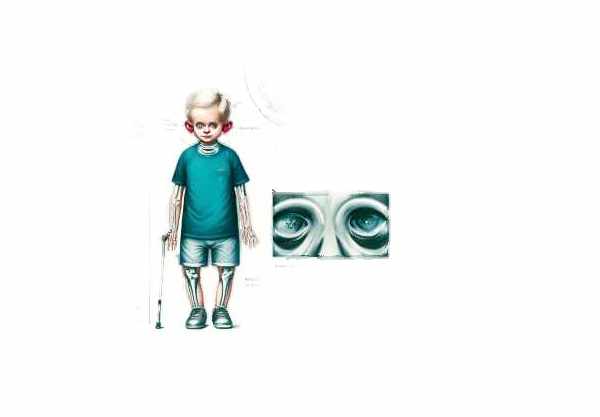
Introduction to Achondroplasia Achondroplasia is a genetic disorder that causes dwarfism, defined by short stature and disproportionately short limbs. This condition is caused by mutations...
Acanthamoeba Keratitis.
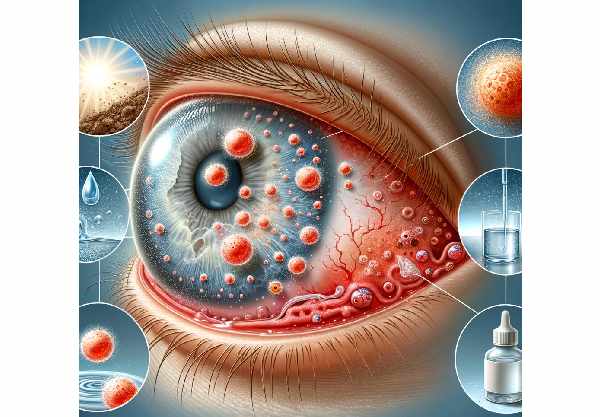
What is Acanthamoeba Keratitis? Acanthamoeba keratitis is a rare but serious eye infection caused by the free-living amoeba Acanthamoeba, which can be found in various...
Zinc Benefits for Eye Health: Boosting Visual Clarity and Function

Zinc is a versatile trace mineral recognized for helping maintain robust immune function, healthy metabolism, and wound healing. Recent insights, however, shed light on...
Zeaxanthin and Eye Health: A Comprehensive Guide to Vision Improvement and Preservation

Zeaxanthin, a naturally occurring carotenoid found in certain fruits and vegetables, has emerged as a critical player in safeguarding and enhancing eye health. From...
Vitamin E Vision Support: Natural Antioxidant for Optimal Eye Health

Vitamin E is widely recognized for its strong antioxidant qualities and its ability to protect the body’s cells from oxidative damage. However, fewer people...