
Transvestic Disorder Treatment, Therapy, and Support

Transvestic disorder is not the same thing as cross-dressing, gender expression, or being transgender. The diagnosis is used when recurrent sexual arousal related to...
Transient Tic Disorder Management: When to Watch, Treat, and Seek Help

A child who suddenly starts blinking hard, clearing their throat, shrugging, or making another repeated movement or sound can leave families unsure whether to...
Thought Disorder Treatment Options and Support

Thought disorder affects the way thoughts are organized, connected, and expressed. A person may speak in a way that is hard to follow, jump...
Tardive Dystonia Management, Rehabilitation, and Recovery

Tardive dystonia is a painful and often disabling movement disorder that can develop after exposure to dopamine-blocking medications, most often antipsychotics and some anti-nausea...
Tardive Dyskinesia Treatment, Management, Therapy, Medication, Support, and Recovery

Tardive dyskinesia (TD) is a medication-related movement disorder that can affect the face, mouth, tongue, trunk, arms, or legs, and in some cases can...
Tardive Akathisia Medication Review, Therapy, and Support

Tardive akathisia is a delayed or persistent form of medication-related restlessness that can be physically exhausting and emotionally overwhelming. People often describe it as...
Suicidal Behavior Disorder Treatment, Support, and Relapse Prevention

Treatment for suicidal behavior is about much more than stopping a crisis in the moment. Good care has to do several things at once:...
Stereotypic Movement Disorder Treatment for Children and Adults

Repeated, patterned movements such as hand flapping, body rocking, head banging, or self-biting can be confusing for families and distressing for the person experiencing...
Specific Learning Disorder Care Plan: Therapy, Medication, and Support
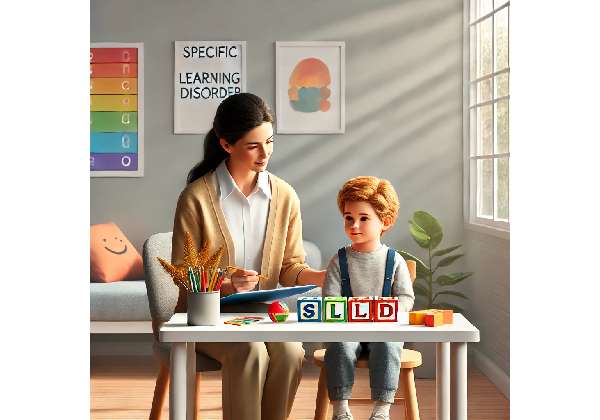
Specific learning disorder is not a problem of effort, motivation, or intelligence. It is a neurodevelopmental condition that affects how a person learns and...
Somatoform Disorders Treatment, Support, and Relapse Prevention

Physical symptoms that do not fit neatly into a single medical explanation can be exhausting, frightening, and isolating. People may move from one test...
Somatic Symptom Disorder Treatment Plan, Therapy, and Support

Somatic symptom disorder can be confusing, exhausting, and isolating. People with this condition are not inventing symptoms, and they are not simply overreacting. They...
Social Anxiety Disorder (Social Phobia) Treatment, Therapy, and Relapse Prevention

Social anxiety disorder is more than shyness, introversion, or a simple dislike of crowds. It is a persistent fear of being judged, embarrassed, rejected,...
Social (Pragmatic) Communication Disorder Therapy and Recovery in Real Life

Social (pragmatic) communication disorder, often shortened to SCD, affects how a person uses language and nonverbal communication in real social situations. The difficulty is...
Sleep-Wake Disorders Medication, Therapy, and Support Strategies

Sleep-wake disorders can affect far more than nights. They can impair concentration, mood, memory, work performance, driving safety, relationships, and physical health. Some people...
Shared Psychotic Disorder Medication, Therapy, and Family Support

Shared psychotic disorder is a rare and often misunderstood condition in which one person comes to share another person’s fixed false beliefs, usually within...
Shared Delusional Disorder Treatment, Care, and Management

Shared delusional disorder is a rare but clinically important condition in which two or more closely connected people come to share a false belief...