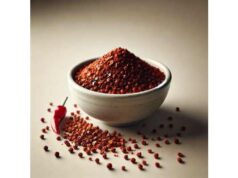
Paprika is more than a decorative red dusting on deviled eggs or potato salad. This ground spice, made from dried peppers of the Capsicum annuum plant, comes in sweet, hot, and smoked varieties that can transform the flavor and appearance of everyday meals. It brings deep color, gentle warmth, and subtle sweetness to stews, roasted vegetables, egg dishes, and spice rubs, often allowing cooks to use less salt or heavy sauces without sacrificing taste.
Nutritionally, paprika is surprisingly concentrated in carotenoid pigments, vitamin A precursors, and small amounts of vitamin E, iron, and other micronutrients, even in spoon-size portions. At the same time, it belongs to the nightshade family, which can be an issue for people with certain allergies, intolerances, or digestive conditions. Understanding what is in paprika, how it may support health, and how to choose and use it wisely can help you enjoy its flavor with confidence. This guide walks through its origins, nutrition profile, potential benefits, risks, and practical kitchen tips.
Key Takeaways for Paprika
- One teaspoon of paprika adds color, aroma, and carotenoid pigments with only a few calories and almost no sodium.
- Regular culinary use (around 1–3 teaspoons per day) can modestly boost antioxidant and provitamin A intake as part of a varied diet.
- Paprika comes from nightshade peppers, so people with pepper or nightshade allergy or intolerance should approach it cautiously.
- A practical serving is 1–2 teaspoons per meal, used several times per week or daily if tolerated and balanced with other spices and foods.
- Individuals with known pepper allergy, severe reflux triggered by spices, or complex medical regimens should discuss frequent paprika use with a healthcare professional.
Table of Contents
- Paprika Origins, Types, and Uses
- Paprika Nutrition Profile and Compounds
- Health Benefits of Paprika Intake
- Paprika Risks, Allergies and Interactions
- Choosing and Storing Quality Paprika
- Cooking with Paprika for Nutrition
- Paprika Portions, Comparisons and FAQs
Paprika Origins, Types, and Uses
Paprika traces back to peppers first domesticated in Central and South America. These peppers traveled to Europe in the 15th and 16th centuries, where farmers selected for different shapes, colors, and levels of heat. Over time, paprika became a signature element of Hungarian, Spanish, and Central European cuisines. Today it appears worldwide in everything from spice blends and barbecue rubs to plant-based stews and snack seasonings.
Paprika is made by drying ripe red peppers, removing stems and part of the seeds, and grinding the remaining flesh and inner tissues into a fine powder. The drying method shapes its flavor. Some peppers are gently air-dried or kiln-dried, while others are smoked over wood fires. Smoked Spanish-style paprika gets its distinctive aroma from being dried over smoldering wood, whereas many Hungarian styles focus on intense color and balanced sweetness without smoke.
In stores, you will commonly see several broad categories:
- Sweet or mild paprika, made from peppers with very low heat. It tastes slightly sweet and fruity, with emphasis on color and aroma rather than spiciness.
- Hot paprika, which uses hotter peppers or includes more seeds and membranes. It provides noticeable but usually manageable heat.
- Smoked paprika, which may be sweet or hot but always has a deep smoky note from wood-fired drying.
- Special regional paprikas, including graded Hungarian and Spanish varieties, standardized for color depth and flavor.
Paprika is especially valued for its versatility. It can be bloomed briefly in oil as the base for soups and stews, used in dry rubs for poultry, fish, tofu, or tempeh, or stirred into dressings, dips, and spreads. A small sprinkle on eggs, potatoes, hummus, or roasted vegetables adds color and gentle warmth. Because paprika is naturally free of sodium and sugar, it offers an easy way to build flavor while keeping recipes heart conscious.
Alongside culinary uses, paprika is also used industrially in extracts and oleoresins to color cheeses, sausages, snacks, and sauces. These forms concentrate pigments and some fat-soluble compounds from the peppers. For home cooks, however, the powdered spice remains the most common and practical form.
Paprika Nutrition Profile and Compounds
Paprika is used in small amounts, but each teaspoon is surprisingly nutrient dense. A level teaspoon (around 2–2.5 grams) typically provides about 5–7 calories, less than 1 gram of carbohydrate, negligible fat and protein, and almost no sodium. On a macronutrient level, paprika does not dramatically change the energy content of a dish, but the micronutrient and phytochemical contributions are more interesting.
The most notable micronutrient in paprika is provitamin A. Its deep red and orange pigments come from carotenoids such as capsanthin, capsorubin, beta-carotene, and beta-cryptoxanthin. Some of these, especially beta-carotene and beta-cryptoxanthin, can be converted by the body into vitamin A, supporting normal vision, immune defenses, and the integrity of skin and mucous membranes. Even a teaspoon or two of paprika can provide a substantial portion of the recommended daily vitamin A intake when considered alongside other orange and dark green vegetables.
Paprika also supplies small, but meaningful, amounts of vitamin E, mainly as alpha-tocopherol. Vitamin E acts as a fat-soluble antioxidant that protects cell membranes from oxidative stress. Iron, magnesium, and potassium are present as well, though at modest levels per teaspoon. In recipes that use several teaspoons for a family-sized dish, these minerals accumulate slightly, adding to the nutrient profile of the overall meal.
Beyond vitamins and minerals, paprika contains several classes of bioactive compounds:
- Carotenoids (capsanthin, capsorubin, lutein, zeaxanthin, beta-carotene, beta-cryptoxanthin), which act as antioxidants and light filters.
- Phenolic compounds and flavonoids, which can influence oxidative balance and inflammatory signaling.
- Capsaicinoids (in hot varieties), such as capsaicin, which contribute heat and have been studied for effects on pain perception, energy expenditure, and vascular function.
- Small amounts of polyunsaturated fatty acids in the pepper’s natural oils, especially linoleic acid.
The exact composition varies with pepper variety, growing conditions, ripeness at harvest, and drying and storage methods. Bright, fresh-smelling paprika generally retains more of its carotenoids and volatile flavor compounds than old or poorly stored products.
It is important to keep perspective on dose. Many experimental studies use paprika extracts or isolated compounds in quantities far higher than what most people obtain from seasoning food. Still, using paprika regularly, alongside other colorful fruits and vegetables, helps build a broader base of protective plant compounds in the diet.
Health Benefits of Paprika Intake
Paprika’s potential health benefits come mainly from its carotenoids, vitamin E, and, for hot styles, capsaicinoids. While research is still developing and often relies on experimental models rather than large human trials, several themes emerge.
First, paprika may support eye and skin health. Carotenoids like beta-carotene, beta-cryptoxanthin, lutein, and zeaxanthin are known to accumulate in the retina and skin. There, they help filter high-energy light and neutralize reactive oxygen species generated by sunlight and everyday metabolism. Diets rich in carotenoid-containing foods are linked with long-term visual health and may help maintain the integrity of skin and surface tissues. Paprika is not the only source of these compounds, but it can contribute, especially in cuisines that use it generously.
Second, paprika appears to have antioxidant and mild anti-inflammatory potential. Laboratory studies using paprika extracts and purified pigments show reductions in markers of oxidative damage and modulation of pathways involved in inflammation. While these experiments often use higher doses than those in typical cooking, they suggest that regular small exposures from spices can add to the body’s overall antioxidant defenses when combined with a generally plant-rich eating pattern.
Third, paprika may influence blood lipids and metabolic health, although evidence here is mostly from animal models. In these experiments, capsanthin and red paprika powders have been linked with improved blood lipid profiles, higher HDL (“good”) cholesterol, and favorable changes in genes involved in cholesterol and fat metabolism. Other studies in high-fat diet models suggest potential benefits for preventing fat buildup in the liver and protecting muscle from obesity-related changes. Translating these findings directly to humans is premature, but they provide a biological rationale for why including paprika in balanced meals could be helpful rather than neutral.
Finally, paprika can indirectly support healthier eating patterns by making nutrient-dense foods more appealing. Many people find it easier to enjoy beans, lentils, whole grains, and plain vegetables when these are seasoned with paprika and other herbs and spices. That flavor boost can reduce reliance on heavy sauces, added sugar, or excess salt. Over time, such shifts in food choices and preparation methods often matter more for health outcomes than the effect of any one spice.
It is important to emphasize that paprika alone will not treat or prevent disease. Its most realistic role is as a supportive ingredient in a broader pattern that includes plenty of vegetables and fruits, adequate protein, healthy fats, and appropriate energy intake. For most people, using paprika as part of that pattern is a safe and enjoyable way to enhance flavor and add modest nutritional value.
Paprika Risks, Allergies and Interactions
For the majority of healthy adults and children, culinary amounts of paprika are well tolerated. Still, it is important to understand situations where it may cause problems or require extra caution.
A key consideration is allergy to nightshades or peppers. Paprika is made from Capsicum annuum, a member of the nightshade family that also includes tomatoes, potatoes, and eggplant. People with documented allergy to bell peppers, chili peppers, or other nightshades can experience symptoms such as oral itching, hives, swelling, stomach cramps, vomiting, or, in rare cases, more serious reactions. Anyone with known pepper allergy should check labels carefully, as paprika appears in many seasoning blends and processed foods, sometimes under general “spices” wording.
Nightshade intolerance is different from allergy. Instead of an immune reaction, intolerance involves difficulty handling certain compounds that may lead to digestive discomfort, joint pain, or other symptoms. Self-reported nightshade sensitivity is common among people with conditions like irritable bowel syndrome or some forms of arthritis, though research is limited. If you suspect paprika or other nightshades worsen your symptoms, a supervised elimination and reintroduction trial with a healthcare professional or dietitian can help clarify the connection.
Another area of caution is gastrointestinal irritation. Hot or heavily smoked paprika can aggravate heartburn, gastritis, or sensitive bowels in some individuals, especially at higher doses or on an empty stomach. Capsaicinoids, the compounds responsible for heat, can increase gastric secretions and stimulate nerve endings, which for some people translates into discomfort rather than benefit. Those with active peptic ulcers, severe reflux, or inflammatory bowel disease may prefer sweet, mild paprika, smaller portions, or complete avoidance depending on their personal tolerance.
Spices, including paprika, can also be vulnerable to contamination by molds and their toxins during growing, drying, transport, and storage. Mycotoxins such as aflatoxins and ochratoxin A have been detected in capsicum-based spices in various surveys. This does not mean that all paprika is unsafe, but it highlights the importance of good agricultural and manufacturing practices. Choosing reputable brands, avoiding obviously damaged or musty-smelling packages, and storing paprika in cool, dry, dark conditions all help minimize this risk.
From a medication and health-condition standpoint, culinary amounts of paprika are unlikely to cause major interactions. The vitamin K content is low, so occasional use does not usually interfere with blood-thinning medications. However, people taking multiple medications, using herbal supplements, or managing complex cardiovascular or gastrointestinal conditions should mention all consistent spice and supplement use to their clinician, especially if they are considering concentrated capsicum extracts rather than just table paprika.
Finally, handling precautions are simple but worth mentioning. Paprika can irritate eyes and broken skin, particularly hot varieties. Washing hands after handling the spice and before touching the face, and avoiding inhaling fine dust when transferring it, help prevent irritation.
Choosing and Storing Quality Paprika
Because paprika is typically used by the teaspoon, quality matters more than quantity. A fresh, well-produced paprika not only tastes better but also retains more beneficial compounds and is less likely to have quality issues.
When evaluating paprika on the shelf, color is a useful starting point. Vibrant, uniform red or reddish-orange shades usually indicate richer carotenoid content and fresher stock. Dull, brownish, or grayish tones suggest age, poor storage, or heavy exposure to light and heat. Aroma is equally important: fresh paprika has a distinct sweet, peppery, or smoky smell depending on the type. If the scent is weak, dusty, or musty, flavor and quality are likely compromised.
Labels offer additional clues. Descriptors like “sweet,” “hot,” or “smoked” indicate flavor style, while named regional varieties may reflect specific growing regions and traditional processing methods. Organic certification indicates certain farming practices, though it does not guarantee freedom from all contaminants. Spices packaged in opaque or dark-tinted containers are better protected from light than those in clear glass exposed to store lighting.
From a sustainability and ethical perspective, considering the supply chain is worthwhile. Paprika peppers are often grown in warm regions, sometimes under labor-intensive conditions. Brands that share information about origin, farming practices, and worker protections offer more transparency. Buying from producers that prioritize fair labor, careful drying methods, and minimal waste supports both people and the environment. Purchasing only the amount of paprika you expect to use within a year also reduces waste and helps ensure you are cooking with a fresher product.
Proper storage at home is crucial for preserving flavor, color, and safety. Paprika should be kept in an airtight container, away from direct sunlight, heat sources, and humidity. A closed cupboard or pantry away from the stove is ideal. Moisture is the enemy of all ground spices; it encourages clumping and can support mold growth. Use a dry spoon when measuring and avoid sprinkling over steaming pots, which can send moisture back into the container.
Over time, even well-stored paprika will gradually lose intensity. A general guideline is to use ground paprika within 6–12 months of opening for best quality. It does not suddenly become harmful after that window, but its flavor and carotenoid content decline. If paprika smells musty, shows visible mold, clumps heavily, or tastes flat or bitter compared with a fresh jar, it is best to discard it and replace with a new supply.
Cooking with Paprika for Nutrition
How you cook with paprika influences both its flavor and the nutritional value it delivers. With a few simple techniques, you can preserve its delicate compounds while making meals more appealing and nutrient dense.
One key principle is to avoid burning the spice. Paprika’s carotenoids and aromatic components are sensitive to high heat. When they are overheated, the powder darkens and develops a bitter taste, and some beneficial compounds break down. To prevent this, use moderate heat when blooming paprika in oil or fat. Stir it for 30–60 seconds at most, then promptly add liquid or other ingredients to lower the temperature. If a recipe calls for long simmering, consider adding part of the paprika near the end of cooking to refresh color and aroma.
Another strategy is to pair paprika with a source of healthy fat to support carotenoid absorption. Carotenoids are fat-soluble, meaning they are better absorbed when eaten with dietary fat. Practical examples include sautéing onions and garlic in olive oil before stirring in paprika for a stew, whisking paprika into an oil-based salad dressing, or using a yogurt-and-olive-oil marinade seasoned with paprika for poultry or plant proteins. Even small amounts of fat can make a meaningful difference in how well the body can use these pigments.
Integrating paprika into nutritionally rich dishes is where it shines. It works particularly well in:
- Legume-based meals, such as lentil soup or chickpea stew with tomatoes and leafy greens.
- Vegetable-forward trays of roasted carrots, cauliflower, or potatoes, tossed with olive oil, paprika, garlic, and herbs.
- Protein dishes like grilled chicken, fish, tofu, or tempeh coated in a paprika-based rub and served with whole grains.
- Egg dishes including shakshuka, omelets, or breakfast scrambles, where paprika builds depth without heavy sauces.
Paprika also supports salt reduction. Because it adds color and complex flavor, it can compensate for lower sodium or reduced reliance on salty sauces and bouillons. Combining paprika with herbs, citrus juice, garlic, and onion builds layered flavor that many people perceive as satisfying even when salt is modest. Over time, this shift contributes to more heart-supportive eating patterns.
Finally, experimenting with different types of paprika expands both flavor and nutrient variety. Sweet paprika is gentle and versatile; smoked paprika adds richness without meat; hot paprika introduces measured heat. Rotating among these styles keeps meals interesting and helps prevent flavor fatigue, making it easier to maintain healthy patterns long term.
Paprika Portions, Comparisons and FAQs
Because paprika is light and potent, it can be hard to picture an appropriate serving. In home cooking, individual portions typically fall in the range of 1–2 teaspoons per meal, though recipes for stews, soups, or rubs may call for a tablespoon or more for several servings. For most adults, using 1–3 teaspoons of paprika spread across the day is a reasonable, food-based intake that balances flavor and safety, assuming no allergy or intolerance.
Many people wonder how paprika compares to other chili-type spices. Chili powder blends usually contain paprika along with cumin, garlic, oregano, and sometimes salt. They tend to be earthier and hotter, and they behave more like premixed seasoning than a single-ingredient spice. Cayenne pepper, by contrast, is significantly hotter than most paprikas and is used more sparingly. A pinch of cayenne can deliver more heat than a full teaspoon of hot paprika. If you want color and gentle warmth, paprika offers more control. If heat is the priority, cayenne or chili flakes might be more efficient.
Questions also arise about paprika in special situations such as pregnancy, breastfeeding, and childhood. For most people, culinary amounts of paprika are acceptable during pregnancy and lactation, provided that heartburn or reflux is managed and there is no known allergy. Very spicy foods can worsen pregnancy-related reflux, so milder sweet paprika may be a better choice. Children can usually enjoy sweet or mild smoked paprika in small amounts as part of family meals. It is wise to avoid very hot paprika for young children until their tolerance for spicy foods is clearer.
People with digestive conditions, such as irritable bowel syndrome or chronic reflux, may need to adjust their use. Sweet paprika is generally better tolerated than very hot varieties. Starting with small amounts and observing symptoms over several days can help identify a comfortable level. Those with celiac disease or non-celiac gluten sensitivity should look for brands that clearly state gluten-free manufacturing practices to reduce the risk of cross-contamination.
Finally, many readers ask whether paprika is “necessary” in a healthy diet. No single spice is essential, but paprika can be a valuable tool. It contributes flavor, color, and a modest supply of beneficial compounds while encouraging more home cooking and vegetable-forward meals. When used in appropriate portions and within the context of individual health needs, paprika is a practical, flexible addition to a health-conscious kitchen.
References
- Spices, paprika, nutritional profile per teaspoon (USDA FoodData Central) 2024 (Database)
- Carotenoids and fatty acids obtained from paprika Capsicum annuum by supercritical carbon dioxide and ethanol as co-extractant 2023 (Experimental Study)
- Dietary capsanthin, the main carotenoid in paprika (Capsicum annuum), alters plasma high-density lipoprotein-cholesterol levels and hepatic gene expression in rats 2009 (Experimental Study)
- Nightshade intolerances: symptoms, diagnosis, and management 2025 (Clinical Overview)
- Occurrence of ochratoxin A and total aflatoxins in capsicum-derived spices: comparative estimation across countries 2025 (Risk Assessment Study)
Disclaimer
The information provided in this article is for general educational purposes only and is not a substitute for professional medical advice, diagnosis, or treatment. Individual needs, tolerances, and health risks vary, and decisions about diet and spice use should be made in consultation with a qualified healthcare professional or registered dietitian, especially if you have chronic medical conditions, take prescription medications, are pregnant or breastfeeding, or suspect a food allergy or intolerance. Never disregard or delay seeking professional medical guidance because of something you have read here.
If you found this overview on paprika helpful, you are welcome to share it with others on Facebook, X (formerly Twitter), or any platform you prefer. Thoughtful sharing helps support our team’s efforts to continue creating careful, evidence-informed nutrition content.