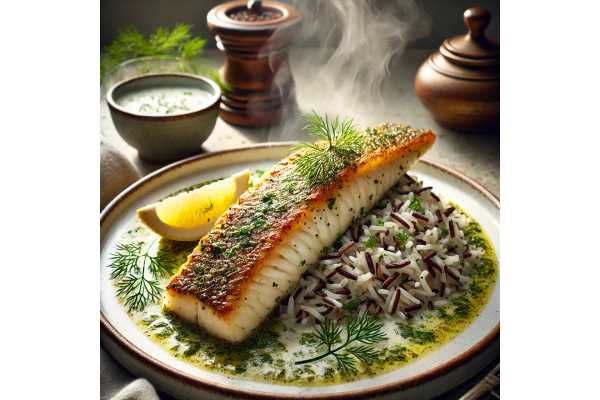
Pike is a lean, freshwater fish valued for its clean, mild flavor, firm flaky texture, and impressive protein density with very little fat. Anglers know it as an energetic predator; cooks appreciate how well it takes to pan-searing, poaching, soups, and rustic preserves like quenelles and fishcakes. Because pike is typically wild-caught, it offers an appealing option for eaters seeking minimally processed, seasonal foods. At the same time, freshwater species require a bit of know-how: local mercury advisories can vary, and raw preparations carry a parasite risk if not properly frozen or cooked. This guide brings together nutrition facts per 100 g, research-backed benefits, safe-purchase tips, and kitchen techniques to help you get the most from pike—whether you caught it yourself or bought it from a trusted fishmonger. If you’ve wondered how pike compares to other white fish, what a sensible portion looks like, or how to keep its delicate moisture during cooking, you’ll find clear answers below.
Top Highlights
- Lean, high-protein fish (≈20 g protein and ~83 kcal per 100 g) with meaningful vitamin B12, vitamin D, and selenium.
- Typical cooked serving: 150–170 g once or twice weekly as part of varied seafood intake; rotate species for balance.
- Safety note: eat well-cooked (63 °C/145 °F) or properly frozen fish to reduce parasite risk; check local freshwater advisories for mercury.
- People who are pregnant, breastfeeding, or feeding young children should prioritize lower-mercury choices and follow official guidance.
- Best uses: quick pan sear, gentle poach, soups/quenelles; avoid overcooking to preserve moisture and nutrients.
Table of Contents
- Pike Overview
- Pike Nutrition Profile
- Evidence-Based Health Benefits
- Risks, Allergies and Interactions
- Selecting, Sustainability and Storage
- Preparation, Cooking and Nutrient Retention
- Portions, Comparisons and FAQs
Pike Overview
Pike (most commonly Northern pike, Esox lucius) is a lean, freshwater species found across the Northern Hemisphere. As a table fish, it’s appreciated for a mild, slightly sweet flavor and a firm but delicate flake that holds together in soups and gentle sautés. Unlike oily fish such as salmon or mackerel, pike is very low in fat, which gives it a “clean” taste and makes it a strategic choice for higher-protein, lower-calorie meals.
Because pike is wild-caught rather than farmed in most regions, its composition can vary with habitat, season, and diet. Still, some features are consistent: low total fat, negligible carbohydrates, and a protein content roughly on par with cod and haddock. It also provides vitamins and minerals often sought from seafood—particularly vitamin B12, vitamin D, phosphorus, and selenium—with naturally low sodium and zero sugars. While pike contains omega-3 fatty acids, amounts are modest compared with fatty fish; think of pike as a protein-rich white fish that contributes some long-chain omega-3s rather than a primary omega-3 source.
Culinarily, pike shines when handled with care. Its flesh benefits from moisture-preserving methods (poaching, steaming, en papillote), or quick, confident heat with a protective fat (butter or oil) to prevent drying. Classic European dishes such as pike quenelles demonstrate how gentle processing and emulsification can transform a lean fish into something luxuriously tender. At home, pike’s mildness makes it versatile—pair it with bright herbs, citrus, fennel, dill, or a mustard-cream pan sauce.
As a freshwater predator, pike can concentrate environmental contaminants depending on the water body and fish size. That’s why local advisories and smart sourcing matter. Parasites are another consideration common to wild freshwater fish; thorough cooking or validated freezing steps keep meals safe. The sections below detail what to look for when buying, how to store, and how to cook pike for best texture, flavor, and nutrient retention.
Pike Nutrition Profile
Serving basis: All values below are for raw pike per 100 g. Cooking alters moisture and density; see Section 6 for retention tips. % Daily Value (%DV) uses adult reference DVs (protein 50 g; fat 78 g; saturated fat 20 g; carbohydrate 275 g; fiber 28 g; potassium 4700 mg; calcium 1300 mg; iron 18 mg; magnesium 420 mg; phosphorus 1250 mg; zinc 11 mg; selenium 55 µg; vitamin D 20 µg; vitamin B12 2.4 µg). Actual needs vary.
Macros & Electrolytes
| Nutrient | Per 100 g | Unit | %DV |
|---|---|---|---|
| Energy | 83 | kcal | — |
| Protein | 20.3 | g | 41% |
| Total Fat | 0.2 | g | <1% |
| Saturated Fat | 0.0–0.1 | g | 0–1% |
| Carbohydrate | 0 | g | 0% |
| Fiber | 0 | g | 0% |
| Sodium | ~40 | mg | 2% |
| Potassium | ~260–460 | mg | 6–13% |
Fats & Fatty Acids
| Component | Per 100 g | Unit | Notes |
|---|---|---|---|
| Monounsaturated Fat | ~0.0 | g | trace |
| Polyunsaturated Fat | ~0.1 | g | includes omega-3 |
| Omega-3 (total) | ~0.1 | g | lean fish contribution |
| DHA (22:6n-3) | ~0.1 | g | varies by habitat |
| EPA (20:5n-3) | trace | g | typically <0.05 g |
| Cholesterol | varies | mg | no current %DV |
Protein & Amino Acids
| Essential Amino Acid | Per 100 g (approx.) | Unit | Comment |
|---|---|---|---|
| Lysine | ~1.7–1.9 | g | high-quality protein |
| Leucine | ~1.5–1.7 | g | supports muscle protein synthesis |
| Isoleucine | ~0.8–0.9 | g | branched-chain amino acid |
| Valine | ~0.9–1.0 | g | branched-chain amino acid |
| Methionine + Cystine | ~0.7–0.8 | g | sulfur amino acids |
| Threonine | ~0.8 | g | balanced profile |
| Tryptophan | ~0.2 | g | precursor to niacin |
Vitamins
| Vitamin | Per 100 g | Unit | %DV |
|---|---|---|---|
| Vitamin D | ~5.3 | µg | 26–53% |
| Vitamin B12 (cobalamin) | ~1.8 | µg | 75% |
| Niacin equivalents | ~6.7 | mg | 42% |
| Vitamin B6 (pyridoxine) | ~0.3 | mg | 18% |
| Folate | ~10 | µg | 3% |
| Vitamin E | ~0.5 | mg | 3% |
Minerals & Trace Elements
| Mineral | Per 100 g | Unit | %DV |
|---|---|---|---|
| Phosphorus | ~239 | mg | 19% |
| Potassium | ~463 | mg | 10% |
| Magnesium | ~29 | mg | 7% |
| Calcium | ~47–57 | mg | 4% |
| Zinc | ~0.8 | mg | 7% |
| Selenium | ~20 | µg | 36% |
| Iodine | ~12 | µg | 8% |
Contaminants/Residues (context)
Freshwater predators can show variable mercury depending on water body and fish size. Local advisories should guide intake of self-caught pike. Commercial retail pike generally meets food safety standards but still benefits from species rotation in the diet.
Footnotes
Values represent typical raw pike and may vary with habitat and season. Cooking methods that reduce moisture can concentrate nutrients per 100 g cooked.
Evidence-Based Health Benefits
1) High-quality protein with low calories
At ~20 g protein and ~83 kcal per 100 g, pike offers one of the most protein-dense choices among white fish. That makes it useful for weight-conscious meal plans, postoperative recovery menus, or athletes who want satiating protein without heavy fats. The complete amino acid profile supports maintenance of lean mass, repair of connective tissues, and enzyme synthesis.
2) Meaningful B-vitamins and vitamin D
Pike provides vitamin B12 and vitamin D—nutrients often underconsumed. B12 supports red blood cell formation and neurological function, while vitamin D helps regulate calcium metabolism and immune function. Regular inclusion of fish can help close these gaps without supplementation. Because pike is lean, its vitamin D content is respectable but below that of oily fish; including both lean and fatty species across the week is a practical strategy.
3) Cardiometabolic support via seafood patterns
Dietary patterns that include fish are linked to cardiovascular benefits. Even though pike’s omega-3 content is modest, replacing processed or high-saturated-fat proteins with lean fish can help improve overall diet quality, support blood lipid management, and reduce energy density. Many people hit recommended seafood targets by combining lean species like pike with fatty fish (e.g., salmon, herring) across the week.
4) Micronutrients for bone and thyroid health
Pike’s phosphorus and magnesium contribute to bone structure and energy metabolism. Selenium supports antioxidant systems and thyroid hormone function; iodine, while modest, also supports thyroid health. When combined with dairy or leafy greens in a meal, pike rounds out the mineral balance for skeletal support.
5) Digestibility and culinary versatility
The delicate connective tissue in finfish makes it quick-cooking and easy to digest. Gentle heat methods preserve moisture, which can benefit older adults or anyone seeking lighter meals without sacrificing satiety. Pike’s mild flavor pairs well with herbs and acids (lemon, capers, dill), making it simple to integrate into familiar recipes like chowders, fishcakes, or poached fillets with mustard-dill sauce.
6) Practical benefits for home cooks
Lean fish like pike cooks in minutes, saving time and energy. Because it’s low in fat, it splatters less than oily fish during searing, and its firm muscle fibers hold shape in soups and stews. For budget-minded shoppers, whole pike or bone-in fillets often cost less per kilogram than premium farmed fillets; bones and heads yield flavorful stocks for soups and sauces, reducing waste.
How to realize these benefits
- Aim for one to two pike meals per week within a varied seafood pattern.
- Pair with vitamin C-rich sides (e.g., fennel-orange salad) to support iron absorption from the full meal.
- Use moist-heat techniques or quick sears to avoid drying; finish with a nutrient-dense sauce (yogurt-herb, tahini-lemon) rather than heavy batters.
Risks, Allergies and Interactions
Fish allergy
Pike contains the same major finfish allergens (parvalbumins) found in many species. People with confirmed fish allergy should avoid pike. Cross-reactivity among fish species is common: tolerating one species does not guarantee tolerance to another.
Parasites in wild freshwater fish
Wild pike can harbor parasites associated with freshwater environments, including fish tapeworms. The safest approach is to cook to an internal temperature of 63 °C/145 °F or, for raw/cured applications, to follow validated freezing steps (e.g., −20 °C/−4 °F for 7 days or −35 °C/−31 °F until solid plus a holding period). Home freezers vary, so raw service is best left to trained operators who can document times and temperatures. Salting, pickling, or cold-smoking does not reliably kill parasites without proper freezing.
Mercury and local advisories
As an apex freshwater predator, pike can accumulate mercury in some watersheds. Levels depend on fish size and the specific lake or river. For self-caught pike, follow your region’s fish-consumption advisories; if none exist, a conservative approach is to limit to one serving that week and avoid other fish that week. Commercially sold pike typically complies with regulatory limits, but rotating species across the month helps manage exposure.
Special populations
- Pregnant or breastfeeding individuals and young children: choose lower-mercury options most of the time; enjoy lean white fish that test low in mercury more frequently, and consume higher-mercury freshwater species less often or per local guidance.
- People on sodium-restricted diets: raw pike is naturally low in sodium; watch added salt in brines, rubs, or sauces.
- Anticoagulants/bleeding risk: pike is not unusually high in omega-3s, but those on medical anticoagulants should check with clinicians if planning high-dose fish-oil supplements; normal culinary intake of pike is unlikely to be an issue.
Food safety handling
Keep raw pike cold (≤4 °C/40 °F) and use within 1–2 days or freeze promptly. Avoid cross-contamination: keep raw fish tools separate and sanitize cutting boards. If vacuum-packaged, thaw under refrigeration; do not leave at room temperature.
Selecting, Sustainability and Storage
Selecting quality pike
- Smell: clean, fresh, neutral—never sour or “ammonia-like.”
- Appearance: translucent, moist flesh; no gaping; skin (if present) shiny with tight scales.
- Texture: fillets should spring back with gentle pressure.
- Bones: pike has distinctive Y-bones; well-trimmed fillets reduce pin bone work at home.
- Source transparency: ask where and how it was caught. For self-caught pike, trim skin and surface fat, remove dark lateral line if flavor sensitive, and follow local cleaning guidance.
Sustainability snapshot
Northern pike has a wide distribution with generally stable populations and is often managed regionally. Recreational fisheries dominate many areas, with size and bag limits designed to maintain stock structure. Because pike is typically wild and locally landed, transportation footprints can be modest compared to long-haul imports. That said, sustainability is local: favor waters with strong management and avoid sensitive spawning seasons where required by law. If you prefer third-party certifications, availability can be limited; in that case, source from reputable local fisheries with transparent practices.
Storage and shelf life
- Refrigeration: cook within 1–2 days of purchase; store at ≤4 °C/40 °F. Place fillets in a covered container on ice in the coldest refrigerator zone; drain melted ice and refresh as needed.
- Freezing: wrap tightly in moisture-proof packaging to prevent freezer burn; label date. Lean fish holds quality well; for best texture and flavor, use within 3–6 months.
- Thawing: overnight in the refrigerator; or sealed and submerged in cold water changed every 30 minutes. Cook promptly after thawing.
- Leftovers: store cooked pike 3–4 days under refrigeration; reheat gently to avoid drying.
Environmental and personal health considerations
Use local advisories to decide how often to eat self-caught pike. Smaller, younger fish typically carry less mercury than large, older specimens. If you want the culinary experience of pike but are managing mercury exposure strictly, alternate with low-mercury species (e.g., cod, pollock, farmed trout, sardines) and keep pike to occasional meals.
Preparation, Cooking and Nutrient Retention
Key prep steps
- Pin bones: pike’s Y-bones can be removed with careful V-cuts or by using recipes that mill or sieve the fish (e.g., quenelles, mousselines). Ask your fishmonger for “boned” fillets if you prefer fewer bones.
- Dry and season: pat dry, then season with salt shortly before cooking to avoid drawing out moisture.
- Protect moisture: brush with oil or butter; consider a thin flouring for pan-searing to shield the lean flesh.
Cooking methods that suit pike
- Gentle poach: 62–65 °C (144–149 °F) in aromatic court-bouillon retains moisture and minimizes albumin weep.
- Steam or en papillote: sealed with herbs, citrus, and a teaspoon of butter or olive oil; cook until just opaque.
- Quick pan sear: medium-high heat in butter/oil; 2–4 minutes per side for 2–3 cm fillets; baste to finish.
- Soups and chowders: add pike near the end; simmer gently to avoid breaking flakes.
- Classic quenelles: blend chilled pike with egg white and cream, then poach and nap with sauce Nantua or a light shellfish velouté.
Time and temperature cues
- Target internal temperature: 63 °C/145 °F measured at the thickest point.
- Visual cues: flesh turns opaque and flakes with gentle pressure but remains juicy; residual heat continues cooking after removal—pull off heat just shy of done.
Nutrient retention tips
- Lower surface temperatures (poach/steam) reduce B-vitamin loss compared with high, dry heat.
- Shorter cook times maintain moisture and preserve heat-sensitive vitamins.
- Sauce smartly: yogurt-dill, tahini-lemon, or mustard-cream add fat-soluble vitamin carriers (helpful for vitamin D absorption) without heavy frying.
- If frying: use shallow amounts of fresh oil, avoid repeated high-heat cycles, and drain briefly on paper to reduce surface oil without over-drying.
Food safety reminders
- For raw-style dishes (ceviche, gravlax, cold-smoked), use professionally frozen fish meeting validated parasite-destruction criteria. Home freezers often lack temperature consistency to ensure safety.
- Always sanitize cutting boards and knives after handling raw fish; keep raw seafood separate from ready-to-eat foods.
Portions, Comparisons and FAQs
What is a sensible portion?
A typical cooked portion for adults is 150–170 g (about 5–6 oz), which starts from ~180–220 g raw depending on moisture loss. As part of a balanced seafood pattern, enjoy pike once or twice weekly while rotating other species.
How does pike compare to cod or salmon?
- Pike vs cod: very similar calories and protein; both are lean with delicate flakes. Pike may feel slightly firmer and sweeter to some palates.
- Pike vs salmon: salmon delivers much higher omega-3s and fat-soluble vitamins per gram; pike is leaner and lower-calorie. Many households combine one lean fish night (pike/cod) with one oily fish night (salmon/herring) per week.
Is pike good for weight management?
Yes. Its high protein and low fat support satiety with minimal calories. Pair with fiber-rich sides (beans, vegetables, whole grains) for long-lasting fullness.
Can I eat pike if I’m pregnant?
Follow authoritative guidance emphasizing 2–3 weekly servings of lower-mercury fish. Because mercury in freshwater predators varies by location and fish size, prioritize species known to be lower in mercury and defer to regional advisories for self-caught pike. If you include pike, do so occasionally and in modest portions, choosing smaller fish where regulations permit.
What about bones—are they dangerous?
Small bones are a choking hazard. Remove pin bones carefully before cooking, choose well-trimmed fillets, or use recipes that eliminate bone fragments through processing. Teach children to chew slowly and check bite-size pieces.
Tasty, simple recipe ideas
- Herbed poached pike with mustard-dill sauce: poach in light stock, then whisk Greek yogurt, Dijon, dill, and lemon for a bright topping.
- Pike chowder with fennel and potato: sweat aromatics, add fish stock and diced potatoes; slide in pike for the last 5 minutes.
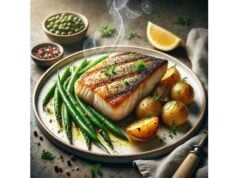
- Crisp-seared pike with lemon-caper pan sauce: briefly sear floured fillets; deglaze with lemon, capers, and a knob of butter.
Budget and waste reduction
Buy whole fish when possible; ask for the head and bones for stock. Freeze stock in ice cube trays for quick sauces and soups. Use trimmings in fishcakes or dumplings.
References
- Pike northern, raw 2023.
- Advice about Eating Fish 2024.
- About Diphyllobothrium 2023.
- 2021 Dietary Guidance to Improve Cardiovascular Health 2021 (Guideline).
- Esox lucius, Northern Pike 2011.
Medical Disclaimer
This article is for general education and is not a substitute for personalized medical advice, diagnosis, or treatment. Nutrition needs and safety considerations vary by health status, medications, age, and life stage. Always consult a qualified healthcare professional or registered dietitian for guidance tailored to you, especially if you are pregnant, breastfeeding, managing a medical condition, or preparing food for young children or immunocompromised individuals.
If you found this guide helpful, please consider sharing it with friends or colleagues on Facebook, X, or any platform you prefer. Your support helps us continue producing clear, evidence-based articles.