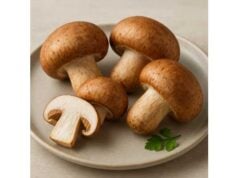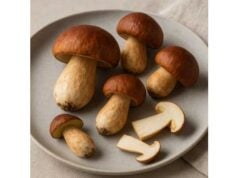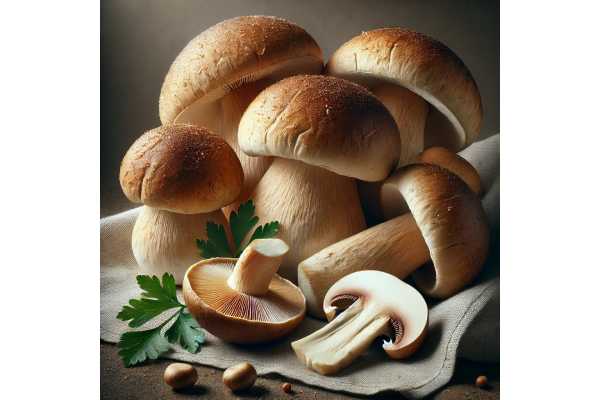
Porcini mushroom (Boletus edulis, also called king bolete) is a culinary landmark with a thick, pale stem and a chestnut-brown cap that hides dense, spongy pores instead of gills. Fresh porcini sear to a nutty, meaty finish, while dried slices condense aroma into an instant flavor base for risotto, soups, and sauces. Nutritionally, porcini is a low-calorie, high-moisture food that contributes fiber, B-vitamins, potassium, copper, and selenium. Like other edible fungi, it contains beta-glucans and ergosterol (which can convert to vitamin D₂ after UV exposure). Because porcini is mostly wild-harvested, quality varies with weather, habitat, and age; expert identification and clean foraging sites matter for both flavor and safety. This guide distills what home cooks and foragers need to know—how to choose, store, and cook porcini for the best taste, how to preserve nutrients, which benefits are realistic, and where the risks are (from misidentification to heavy metals), all in one practical, evidence-informed resource.
Top Highlights
- Porcini is low in calories yet provides fiber, riboflavin, niacin, copper, selenium, and potassium per 100 g.
- Fungal beta-glucans support immune balance, and UV-exposed porcini can supply vitamin D₂.
- Typical cooked serving: 100–150 g (3–5 oz), enjoyed 1–2 times per week.
- Safety: eat only mushrooms identified with certainty; wild porcini from polluted sites may accumulate heavy metals.
- People with mushroom allergy, very young children, and those on immunosuppressive therapy should limit or avoid wild mushrooms and concentrated extracts.
Table of Contents
- Detailed Overview
- Nutrition Profile
- Evidence-Based Health Benefits
- Risks, Allergies and Interactions
- Selecting, Quality, Sustainability and Storage
- Preparation, Cooking and Nutrient Retention
- Portions, Comparisons and FAQs
Detailed Overview
Porcini is a mycorrhizal mushroom—meaning it grows in partnership with tree roots, especially spruce, pine, fir, chestnut, and oak. This symbiosis explains two defining traits: its exceptional flavor (shaped by forest terroir) and its resistance to large-scale cultivation. Most porcini on the market is wild, harvested from late summer to autumn in temperate regions across Europe, North America, and parts of Asia. Fresh specimens have a stout, white to tan stem (often slightly club-shaped), a firm cap that ranges from tawny to deep brown, and a creamy pore surface that turns yellowish to olive with age. Sliced cross-sections should be pale and clean; intense staining, tunnels, or soft, wet patches signal poor quality or infestation.
Taste and texture: Porcini offers a savory, nutty profile with hints of cocoa and malt, anchored by natural glutamates and 5′-nucleotides that create layered umami. Young caps sear beautifully and stay juicy; older specimens are best diced for sauces or dried for stock and risotto. Dried porcini is a pantry powerhouse: a small handful perfumes an entire pot, and the soaking liquid becomes an instant broth.
Nutrition snapshot: Fresh porcini is mostly water, low in fat, and contributes moderate protein and fiber. Its micronutrient pattern mirrors other edible mushrooms—B-vitamins (especially riboflavin, niacin, and pantothenic acid) plus copper, selenium, potassium, and phosphorus. Ergosterol in the cell membrane can convert to vitamin D₂ with UV exposure (sunlight or lamps), particularly in sliced and dried products.
Buying forms: Fresh porcini (whole or sliced), dried slices, powders, and jarred preserves. Dried and powdered forms are consistent and shelf-stable; fresh porcini is perishable and benefits from prompt, cool storage.
Bottom line: When sourced from clean habitats and cooked well, porcini delivers unmatched depth of flavor with useful micronutrients in a low-calorie package.
Nutrition Profile
How to read these tables
Values reflect typical ranges for fresh porcini per 100 g edible portion, integrating modern analyses of Boletus edulis and established ranges for edible mushrooms. Numbers vary with habitat, maturity, weather, and handling. Use for planning and comparison; brand labels may differ.
Daily Values (%DV) assume a 2,000 kcal diet.
Macros and Electrolytes (per 100 g, fresh)
| Nutrient | Amount | %DV |
|---|---|---|
| Energy | 30–40 kcal | — |
| Water | ~88–90 g | — |
| Protein | 3.0–4.5 g | 6–9% |
| Total carbohydrate | 5–7 g | 2–3% |
| Total sugars | ~1–2 g | — |
| Dietary fiber | 2.0–3.0 g | 7–11% |
| Total fat | 0.4–1.0 g | 1% |
| Saturated fat | ~0.1–0.3 g | 1% |
| Sodium | 5–15 mg | 0% |
| Potassium | 350–450 mg | 7–10% |
Context: Protein quality improves when porcini is paired with grains or legumes. Fiber includes chitin and beta-glucans, which are indigestible but metabolically active.
Vitamins (per 100 g, fresh)
| Vitamin | Amount | %DV |
|---|---|---|
| Riboflavin (Vitamin B2) | ~0.35–0.55 mg | 27–42% |
| Niacin (Vitamin B3) | ~4.0–6.0 mg | 25–38% |
| Pantothenic acid (Vitamin B5) | ~1.0–2.0 mg | 20–40% |
| Folate (Vitamin B9) | ~15–35 µg | 4–9% |
| Vitamin D₂ (UV-exposed) | 0.5–10 µg | 3–50% |
Vitamin D content varies widely; UV exposure of sliced mushrooms before drying or shortly after harvest can raise D₂ several-fold.
Minerals (per 100 g, fresh)
| Mineral | Amount | %DV |
|---|---|---|
| Copper | ~0.25–0.45 mg | 28–50% |
| Selenium | ~6–12 µg | 11–22% |
| Phosphorus | ~90–130 mg | 7–10% |
| Iron | ~0.5–1.2 mg | 3–7% |
| Zinc | ~0.6–1.1 mg | 5–10% |
| Magnesium | ~10–18 mg | 2–4% |
| Manganese | ~0.1–0.3 mg | 4–13% |
Site matters: Wild porcini can bioaccumulate metals from soil and forest litter—especially cadmium in caps. Cultivation is rare; careful sourcing is key.
Fats and Fatty Acids (per 100 g, fresh)
| Lipid | Amount |
|---|---|
| Total fat | 0.4–1.0 g |
| Polyunsaturated fatty acids | ~0.2–0.5 g |
| Notable fraction | linoleic acid predominates; traces of alpha-linolenic acid |
Protein and Amino Acids (per 100 g, fresh)
| Metric | Value |
|---|---|
| Protein | 3.0–4.5 g |
| Amino acid pattern | glutamic acid and alanine prominent; complements cereal proteins in mixed meals |
Bioactives / Phytonutrients
- Beta-glucans and other non-starch polysaccharides: contribute to immune modulation and prebiotic fermentation.
- Ergosterol: converts to vitamin D₂ with UV; adds to antioxidant capacity.
- Phenolic compounds and tocopherols (trace amounts): contribute to free-radical scavenging.
Allergens and Intolerance Markers
- Chitin can be difficult to digest; thorough cooking improves tolerance.
- Mushroom protein allergy is rare but documented; symptoms range from oral itching to systemic reactions in sensitized individuals.
Contaminants / Residues
- Heavy metals (notably cadmium): levels depend on habitat; caps accumulate more than stems and older specimens more than young. Prefer clean foraging sites and moderate frequency of consumption.
Additives & fortification: Fresh porcini rarely contains additives. Dried products may include anti-caking agents or added salt; UV-treated products may advertise elevated vitamin D.
Evidence-Based Health Benefits
Nutrient density with few calories. A 100–150 g cooked portion of porcini adds meaningful riboflavin, niacin, pantothenic acid, copper, selenium, and potassium while contributing little sodium, fat, or calories. This makes porcini a high-impact, low-energy way to strengthen micronutrient intake.
Immune and inflammatory tone via fungal polysaccharides. Porcini’s cell walls contain beta-glucans and related polysaccharides that interact with pattern-recognition receptors on innate immune cells. Across edible mushroom research, these compounds help “tune” immune responses—supporting surveillance while discouraging excessive inflammation. In everyday terms, they contribute to a better-balanced baseline rather than acting as stimulants.
Gut microbiome support. Non-digestible mushroom fibers (beta-glucans, chitin) reach the colon intact, where microbes ferment them to short-chain fatty acids (SCFAs). SCFAs help maintain the intestinal barrier, promote immune tolerance, and contribute modestly to energy metabolism. Regular, moderate mushroom intake within mixed meals fosters these effects.
Cardiometabolic implications. Porcini’s potassium helps counterbalance dietary sodium and supports blood-pressure control. Copper and selenium serve as cofactors for antioxidant enzymes (superoxide dismutase and glutathione peroxidase). Replacing a portion of meat with porcini in recipes reduces saturated fat and calorie density while preserving savory depth—practical shifts that support heart-healthy patterns.
Antioxidant capacity and cooking method. Short, dry-heat cooking such as grilling or microwaving tends to preserve or elevate measured antioxidant activity in mushrooms compared with boiling or deep-frying. Browning also forms small amounts of Maillard-derived antioxidant compounds on the surface, amplifying flavor with minimal nutrient loss when fat is used judiciously.
Vitamin D potential after UV exposure. Sliced mushrooms exposed to sunlight or UV-B lamps can achieve substantial vitamin D₂ levels. Dried porcini treated this way keeps elevated D₂ for weeks to months if stored airtight and dark; cooking causes some loss but typically leaves useful amounts.
Satiety and substitution benefits. Porcini’s meaty texture and natural umami make it an effective stand-in for part of the animal protein in recipes. Substituting 25–50% of meat with finely chopped, browned porcini can reduce energy density and saturated fat while preserving satisfaction.
Reality check. Benefits emerge as part of the overall dietary pattern. Porcini is a flavorful, nutrient-savvy ingredient—not a cure-all. Pair it with vegetables, whole grains, legumes, nuts, and olive oil for the strongest health returns.
Risks, Allergies and Interactions
Misidentification risk. Foragers should confirm multiple traits: thick, pale stem often with a fine reticulate pattern near the top; brown cap with a matte sheen; white flesh that does not bruise blue; pore surface starting white and aging to yellow-olive; pleasant, nutty aroma; and growth near compatible trees (spruce, pine, fir, chestnut, oak). Beware bitter or toxic look-alikes (e.g., gall bolete) and blue-staining boletes. A brown spore print, habitat clues, and an experienced mentor are essential. If uncertain, do not eat the mushroom.
Heavy metals from habitat. Wild porcini can accumulate cadmium and, to a lesser extent, lead and mercury, especially when growing in contaminated soils or near roads and industrial zones. Caps tend to hold more than stems; older mushrooms more than young. Practical steps: harvest from pristine forests, trim dirty outer layers, avoid very old specimens, moderate portion size and frequency, and favor dried products sourced from reputable regions.
Allergy and intolerance. True mushroom allergy is uncommon but documented. More often, people experience digestive discomfort from chitin and other structural fibers—especially when mushrooms are undercooked. Thorough cooking and smaller portions improve tolerance. Anyone with a previous reaction should avoid porcini and consult a clinician.
Medication considerations. Culinary amounts of porcini have no well-established drug interactions. Concentrated extracts or supplements may modulate immune activity; those on immunosuppressive therapy should avoid high-dose mushroom extracts unless advised otherwise by a healthcare professional.
Foodborne concerns. Mushrooms spoil quickly at room temperature. Refrigerate promptly in a paper bag, cook within 1–2 days of harvest or purchase, and reheat leftovers until steaming hot. Discard any with sour odors, sliminess, or extensive insect damage.
Populations who should limit or avoid.
- Pregnant or breastfeeding individuals: stick to commercially sold mushrooms; avoid uncertain wild harvests and homemade preserved products of unknown origin.
- Young children: serve small, well-cooked pieces to reduce choking risk and test tolerance.
- Chronic kidney disease: discuss frequent large portions of wild mushrooms with a renal dietitian (trace mineral loads vary).
- Gout-prone individuals: mushrooms contain purines; many tolerate moderate amounts, but monitor symptoms and follow medical advice.
Selecting, Quality, Sustainability and Storage
Choosing fresh porcini
- Look: Firm, matte caps with intact pore surfaces; white, solid flesh without tunnels or dark, wet patches. Avoid spongy, waterlogged, or heavily worm-eaten specimens.
- Feel: Caps should be springy, not slick. Stems should feel dense and cut cleanly.
- Smell: Clean, nutty, forest-sweet—never sour or fishy.
Buying dried porcini
- Choose slices with a rich brown color and visible cross-sections of cap and stem; avoid bags dominated by powder or black fragments. Aroma should be strong and pleasant. Reputable brands list species and origin.
Foraging guidelines (experienced foragers only)
- Harvest from clean forests far from highways, industrial zones, and treated timber.
- Confirm multiple identification traits and consider a spore print if unsure.
- Leave very young buttons, very old specimens, and damaged mushrooms to support reproduction and forest ecology.
- Use a basket (not plastic bags) for airflow, and trim dirt in the field to protect the rest of your haul.
Sustainability tips
- Take modest quantities and rotate harvest sites.
- Support regional supply chains that prioritize responsible picking and transparent origin.
- Use the whole mushroom: stems for dice or stock, caps for searing and drying. Reduce waste by planning two or three dishes per purchase.
Storage and handling
- Fresh: Refrigerate unwashed in a paper bag at 1–4 °C; use within 1–2 days. Brush clean; avoid soaking. A quick rinse is fine if gritty—dry thoroughly before cooking.
- Freezing: Best after sautéing; raw freezing damages texture. Cool, portion, and freeze flat.
- Drying: Slice 5–7 mm thick; dry at low heat with airflow until brittle. Store airtight, dark, and cool for 6–12 months.
- Powder: Grind dried trimmings into a fine powder to deepen sauces, rubs, and doughs.
Quality cues in the kitchen
- Properly pre-dried surfaces brown fast and evenly; persistent steaming signals crowding or excess moisture. A squeeze of lemon or a splash of dry sherry lifts savory notes without masking porcini’s character.
Preparation, Cooking and Nutrient Retention
Goals: Build a mahogany crust, keep the interior juicy, and protect delicate B-vitamins, phenolics, and vitamin D₂ (if UV-enhanced).
Best overall methods
- Grilling or microwaving tends to preserve antioxidant capacity better than boiling or deep-frying, while minimizing added fat.
- Quick sauté/pan-sear in a wide, hot pan develops deep flavor with minimal nutrient loss.
- Roasting at 200–220 °C (400–425 °F) concentrates aroma; add fat partway through to avoid oil-logging.
Step-by-step: Perfect pan-seared porcini
- Trim and prep. Remove soil and blemishes; slice thick caps into 1–1.5 cm slabs. Pat dry.
- Preheat. Heat a heavy skillet over medium-high until hot.
- Dry-sweat first. Add mushrooms to the dry pan 1–2 minutes to drive off surface water.
- Add fat sparingly. Add 1–2 teaspoons olive oil or butter per 300 g mushrooms.
- Do not crowd. Work in batches; crowding leads to steaming, not browning.
- Season late. Salt in the last minute to keep juices inside.
- Finish. Add garlic, thyme, pepper, and a splash of sherry, marsala, or soy; rest 1 minute off heat. Finish with lemon zest.
Broths and risotti with dried porcini
- Rinse quickly to remove dust. Soak 10–20 minutes in warm water; strain through a coffee filter to catch grit. Use both rehydrated mushrooms and soaking liquid. Sauté briefly before simmering to deepen flavor.
Vitamin D tip
- If you slice fresh porcini and expose them to midday sun or a UV-B lamp for a short period before drying, ergosterol converts to vitamin D₂. Store airtight and dark; use within a few months for best potency.
Retention reminders
- Short time, higher heat helps preserve B-vitamins and antioxidant capacity.
- If simmering, serve the cooking liquid to capture water-soluble nutrients.
- Avoid deep-frying for routine meals; it increases energy density and reduces overall antioxidant activity.
- Cook through. Proper cooking improves digestibility and tolerance.
Flavor pairings
- Olive oil, butter, garlic, parsley, rosemary, and lemon.
- Parmesan rind in broths; pecorino or aged asiago for finishing.
- Farro, barley, or polenta as hearty backdrops.
- With seafood, try porcini–clam broth with white pepper and saffron.
Portions, Comparisons and FAQs
Practical portions
- Typical cooked serving: 100–150 g (3–5 oz) cooked porcini.
- Frequency: 1–2 times per week is a reasonable cadence for most adults, especially when foraged from clean sites or bought from reputable sources.
- Children: Offer small, well-cooked pieces; monitor for tolerance.
How does porcini compare to other mushrooms?
- Flavor and texture: Deeper, nuttier, and more “meaty” than button mushrooms; more robust than oyster or enoki; similar heft to portobello but with cleaner, forest-sweet notes.
- Nutrition: The same low-calorie, micronutrient-dense pattern common to edible mushrooms, with strong showings for riboflavin, niacin, copper, selenium, and potassium.
- Vitamin D potential: Like all mushrooms, porcini requires UV exposure to deliver meaningful vitamin D₂; UV-treated dried slices can be a practical food-based source.
- Contaminants: As a wild species, porcini needs careful site selection to minimize heavy-metal exposure; cultivated mushrooms generally have more consistent contaminant control.
Frequently asked questions
Can I eat porcini stems?
Yes. Trim only the very base. Dice stems for sautés, or simmer and blitz into sauces; they hold flavor and texture.
Is raw porcini safe?
Avoid eating raw mushrooms. Cooking improves flavor and digestibility and reduces the chance of gastric upset.
How do I avoid bitterness?
Do not confuse porcini with the gall bolete (often bitter). Taste a tiny cooked piece if you are absolutely certain of identification; true porcini should be savory, not bitter.
What about freezing fresh porcini?
Sauté first, then freeze. Raw freezing compromises texture and can lead to watery results.
Can porcini replace meat?
Often. Replacing 25–50% of meat with chopped, browned porcini preserves umami while lowering saturated fat and calories.
References
- A Review of Mushrooms as a Potential Source of Dietary Vitamin D 2018 (Systematic Review)
- Effect of different cooking methods on nutritional value and antioxidant activity of cultivated mushrooms 2017
- Nutritional and Other Trace Elements and Their Associations in Raw King Bolete Mushrooms, Boletus edulis 2021
- Cadmium and Lead Content in Selected Fungi from Poland and Their Edible Safety Assessment 2021
- Statement on tolerable weekly intake for cadmium 2011 (Guideline)
Medical Disclaimer
This guide is for general education and is not a substitute for personalized medical advice, diagnosis, or treatment. Always consult a qualified healthcare professional about allergies, medication interactions, and dietary changes—especially if you are pregnant or breastfeeding, managing a chronic condition, or considering wild-foraged mushrooms. Foraging should be done only with expert identification and in clean habitats.
If this article helped you, please consider sharing it with friends or on Facebook, X, or any platform you prefer. Your support helps us continue producing practical, evidence-informed resources. Thank you.