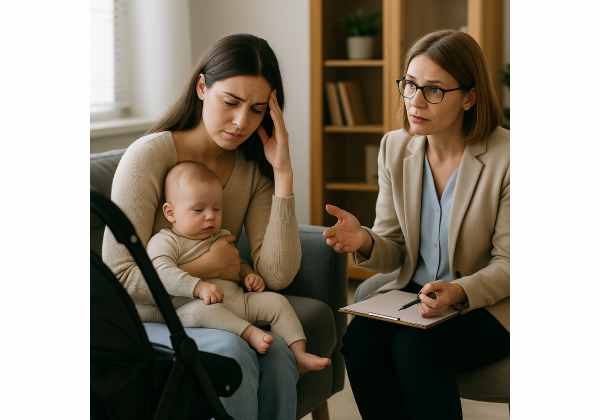
Postpartum depression is a depressive condition that can occur after childbirth and can affect mood, thinking, energy, bonding, sleep, appetite, and day-to-day functioning. It is more than ordinary exhaustion or emotional adjustment after having a baby. Many new parents feel overwhelmed, tearful, or anxious at times, but postpartum depression is usually more persistent, more impairing, and more difficult to “push through” without professional evaluation.
The condition can begin soon after birth, but it can also appear weeks or months later. It may follow depression during pregnancy, emerge after a difficult delivery or feeding experience, or appear in someone who seemed emotionally well at first. Recognizing the pattern matters because postpartum depression is common, often missed, and sometimes hidden by shame, fear, or the assumption that distress is simply part of new parenthood.
Key signs that deserve attention
- Postpartum depression usually involves low mood, loss of interest, anxiety, guilt, irritability, fatigue, or trouble functioning for more than a brief adjustment period.
- It is commonly confused with “baby blues,” sleep deprivation, postpartum anxiety, trauma responses, thyroid problems, or normal stress after birth.
- Symptoms can include emotional distance from the baby, persistent doubts about being a good parent, or frightening thoughts that feel distressing and unwanted.
- Professional evaluation matters when symptoms last beyond two weeks, worsen, interfere with daily care, or include thoughts of self-harm or harm to the baby.
- Hallucinations, delusions, severe confusion, extreme agitation, or not needing sleep can point to postpartum psychosis or another urgent psychiatric condition.
Table of Contents
- What Postpartum Depression Means
- When Postpartum Depression Can Start
- Postpartum Depression Symptoms and Signs
- What Postpartum Depression Can Be Confused With
- Causes and Contributing Factors
- Risk Factors for Postpartum Depression
- Complications and Effects
- Diagnosis and Screening Context
- Urgent Warning Signs
What Postpartum Depression Means
Postpartum depression is depression that occurs after having a baby, typically within the first year after birth. In clinical language, it is often discussed under the broader term perinatal depression, which includes depression during pregnancy and after childbirth.
The term “postpartum depression” is widely used because it describes the timing that many families notice most clearly: symptoms begin or become obvious after delivery. Psychiatric diagnostic systems do not always treat it as a separate illness from major depressive disorder. Instead, clinicians look for a depressive episode that occurs in the pregnancy or postpartum period and affects functioning, safety, or well-being.
That distinction matters. Postpartum depression is not a character flaw, a lack of gratitude, or proof that someone is not bonded to their baby. It is a mental health condition shaped by biological changes, personal vulnerability, stress, sleep disruption, medical events, and social context. A parent can love and care deeply about their baby while also feeling numb, hopeless, anxious, irritable, disconnected, or unable to cope.
Postpartum depression can affect birthing parents of any age, income level, culture, education level, or family structure. Most research and screening guidance focuses on women and birthing parents, but fathers and non-birthing partners can also experience depression after a baby is born. In partners, symptoms may show up as withdrawal, irritability, anger, substance use, work avoidance, or emotional numbness, not only sadness.
A useful way to understand postpartum depression is to separate three overlapping issues:
- Mood symptoms: sadness, emptiness, anxiety, irritability, guilt, hopelessness, or loss of pleasure.
- Body and energy symptoms: exhaustion beyond expected tiredness, sleep disruption not fully explained by infant care, appetite changes, physical tension, or slowed movement.
- Functioning and relationship symptoms: trouble caring for oneself, difficulty making decisions, emotional distance from the baby, or conflict with a partner or family.
Postpartum depression also exists on a spectrum. Some people can continue caring for the baby and appear “fine” to others while feeling internally distressed. Others may have severe symptoms that make basic tasks feel impossible. The visible level of functioning does not always show the full severity of the condition.
When Postpartum Depression Can Start
Postpartum depression can begin within days of birth, but many cases become clearer several weeks later. Symptoms may also develop months into the first postpartum year, especially when sleep loss, feeding challenges, medical stress, isolation, work return, or relationship strain accumulate.
Many episodes begin in the first 4 to 8 weeks after birth. This is a common period for dramatic changes in sleep, hormones, feeding routines, physical recovery, and family expectations. However, timing is not always neat. Some people have depression during pregnancy that continues after delivery. Others feel well early on but become depressed at 3, 6, 9, or even 12 months postpartum.
The idea that postpartum depression only happens immediately after delivery can cause people to miss later symptoms. A parent may assume, “It can’t be postpartum depression because the baby is already several months old.” In reality, the postpartum period is commonly considered the first year after birth in public-health and clinical discussions. Symptoms that begin later still deserve evaluation, especially if they are persistent, worsening, or interfering with functioning.
Timing also helps distinguish postpartum depression from baby blues. Baby blues usually start in the first few days after birth and tend to involve tearfulness, emotional sensitivity, worry, mood swings, and feeling overwhelmed. These symptoms are usually mild, short-lived, and improve within about two weeks. Postpartum depression lasts longer, feels more intense, causes more impairment, or includes symptoms such as hopelessness, guilt, emotional numbness, loss of pleasure, difficulty bonding, or thoughts of death or harm.
The course can vary. Some people have symptoms that rise and fall; others describe a steady worsening. A person may have “good days” and still have postpartum depression if the overall pattern includes persistent distress or loss of functioning. Screening and evaluation are especially important because symptoms may not be obvious during a short appointment or may be minimized by the person experiencing them.
Postpartum Depression Symptoms and Signs
Postpartum depression symptoms usually involve more than sadness. They often affect emotions, thinking, body sensations, sleep, appetite, concentration, bonding, and confidence in caring for the baby.
Common emotional symptoms include persistent low mood, emptiness, anxiety, irritability, guilt, shame, hopelessness, or feeling emotionally flat. Some people cry often; others cannot cry at all. Irritability can be especially prominent and may look like anger, snapping, resentment, or feeling constantly overstimulated. For some parents, the main complaint is not “I feel depressed,” but “I don’t feel like myself.”
Loss of interest or pleasure is another central sign. A person may stop enjoying activities, relationships, food, hobbies, sex, conversation, or moments with the baby that they expected to feel meaningful. They may go through the motions of caregiving while feeling detached or unreal.
Cognitive symptoms can include poor concentration, indecision, racing worries, mental fog, intrusive guilt, or repeated thoughts such as “I’m failing,” “My baby would be better off without me,” or “I can’t do this.” These thoughts can be frightening and may not match reality, but they can feel convincing during depression.
Physical and behavioral symptoms may include:
- sleeping too little or too much, beyond what infant care explains
- difficulty sleeping even when the baby is asleep
- major appetite changes or unplanned weight changes
- low energy, heaviness, restlessness, or agitation
- headaches, digestive discomfort, muscle tension, or unexplained aches
- withdrawal from friends, family, appointments, or messages
- avoiding the baby, feeling tense around the baby, or feeling unable to relax while caring for the baby
Postpartum depression can also affect bonding. Some parents feel little emotional connection at first, feel guilty for not feeling “instant love,” or worry that they are pretending. Bonding difficulties do not mean someone is a bad parent. They are a recognized symptom pattern and are one reason a careful mental health assessment can be important.
Thoughts about death, self-harm, suicide, or harming the baby are serious warning signs. Some intrusive thoughts are unwanted, distressing, and ego-dystonic, meaning the person is horrified by them and does not want to act on them. Even then, they deserve professional evaluation. Thoughts that feel compelling, planned, calm, commanded, or linked to hallucinations, delusions, or severe confusion require urgent assessment.
General depressive symptoms overlap with the broader patterns described in depression screening and diagnosis, but the postpartum context adds specific concerns about infant care, bonding, safety, sleep disruption, and medical recovery.
What Postpartum Depression Can Be Confused With
Postpartum depression can resemble several other postpartum experiences or mental health conditions. Distinguishing them matters because the timing, risks, and clinical implications are not always the same.
| Condition or experience | How it can look similar | Clues that suggest a different or additional concern |
|---|---|---|
| Baby blues | Tearfulness, worry, mood swings, irritability, feeling overwhelmed | Usually mild and improves within about two weeks; persistent or worsening symptoms suggest more than baby blues |
| Postpartum anxiety | Restlessness, insomnia, intrusive worries, difficulty relaxing, physical tension | Anxiety may be the main symptom even when sadness is less obvious; depression and anxiety often occur together |
| Postpartum OCD symptoms | Intrusive thoughts, checking, fear of harm, avoidance of caregiving tasks | Thoughts are typically unwanted and distressing; compulsions or avoidance may be prominent |
| Bipolar disorder | Depression after birth, irritability, sleep changes, agitation | Past episodes of mania or hypomania, decreased need for sleep, impulsivity, unusually elevated energy, or grandiosity require careful assessment |
| Postpartum psychosis | Severe mood symptoms, confusion, agitation, frightening thoughts | Hallucinations, delusions, paranoia, disorganized behavior, or severe confusion are emergency warning signs |
| Medical conditions | Fatigue, low mood, brain fog, sleep disturbance, appetite change | Thyroid disease, anemia, infection, medication effects, pain, and other medical issues may contribute or mimic mood symptoms |
Postpartum anxiety is one of the most common overlaps. A person may feel constantly on edge, unable to sleep, afraid something terrible will happen, or consumed by worries about the baby’s breathing, feeding, illness, or safety. Depression and anxiety are not mutually exclusive. Some people meet criteria for both, and the anxious symptoms may be what first bring attention to the problem. A more detailed comparison is covered in postpartum depression versus postpartum anxiety.
Bipolar disorder is another important consideration. A postpartum depressive episode may be the first time bipolar disorder comes to clinical attention, especially if past hypomanic symptoms were brief, overlooked, or seen as “just being productive.” Screening for bipolar symptoms can be relevant before labeling a postpartum mood episode as unipolar depression; the purpose of bipolar disorder screening is to identify patterns such as mania, hypomania, decreased need for sleep, impulsivity, and mood cycling.
Postpartum psychosis is different from postpartum depression, though severe depression can include psychotic features. Warning signs include hallucinations, delusional beliefs, paranoia, severe confusion, dramatic mood shifts, disorganized behavior, or a belief that the baby is evil, doomed, unsafe, or not really one’s baby. These symptoms should not be watched at home to “see if they pass.” They require urgent psychiatric evaluation. Broader information about assessing hallucinations and delusions is discussed in psychosis evaluation.
Causes and Contributing Factors
Postpartum depression does not have one single cause. It usually reflects an interaction between biological vulnerability, hormonal and immune changes, sleep disruption, medical stress, psychological history, and the social environment after birth.
Hormonal shifts are often part of the picture, but they are not the whole explanation. Estrogen and progesterone levels change sharply after delivery, and the postpartum period also involves changes in stress hormones, thyroid function, inflammation, metabolism, lactation-related hormones, and sleep-wake rhythms. These changes affect people differently. Many people experience the same biological transition without developing depression, while others may be more sensitive because of genetics, previous depression, trauma history, or current stress.
Sleep disruption can be a powerful contributor. Newborn care often fragments sleep, but postpartum depression may include insomnia that continues even when someone has a chance to rest. Poor sleep can worsen mood regulation, anxiety, concentration, pain sensitivity, and emotional reactivity. In some people, severe sleep loss can also raise concern for mania, psychosis, or another urgent mental health state.
Psychological and social stressors also matter. Birth may be physically painful, medically frightening, disappointing, or traumatic. Feeding may be harder than expected. A parent may feel trapped between cultural messages that motherhood should be joyful and the reality of exhaustion, grief, anger, or fear. Relationship conflict, financial pressure, lack of practical help, isolation, racism, discrimination, immigration stress, or unsafe housing can increase the emotional load at a vulnerable time.
Medical and obstetric factors can contribute as well. Preterm birth, infant illness, neonatal intensive care, pregnancy complications, severe pain, postpartum hemorrhage, surgical recovery, and prior pregnancy loss can all affect mental health. These experiences do not cause depression in a simple one-to-one way, but they can add stress, uncertainty, sleep deprivation, fear, and grief.
A helpful framing is that postpartum depression develops when the demands placed on the brain, body, and support system exceed the person’s current capacity to adapt. That does not mean the person is weak. It means the postpartum period can combine intense biological change with real-life strain, often at a time when the parent is expected to function continuously.
Risk Factors for Postpartum Depression
Risk factors increase the likelihood of postpartum depression, but they do not guarantee it. A person can have several risk factors and not develop depression, or develop postpartum depression with no obvious prior warning.
Some of the most consistently recognized risk factors include a personal history of depression, anxiety, bipolar disorder, or prior postpartum depression. Depression or significant mood symptoms during pregnancy are especially important because postpartum symptoms may be a continuation of an earlier episode rather than something entirely new.
Family history also matters. Having close relatives with depression, bipolar disorder, or other psychiatric conditions can reflect inherited vulnerability, shared environment, or both. This does not mean postpartum depression is inevitable; it means clinicians may take symptoms and screening results especially seriously.
Psychosocial risk factors are often just as important as medical history. These can include:
- low practical or emotional support
- partner conflict or relationship dissatisfaction
- intimate partner violence or coercive control
- recent bereavement, job loss, housing instability, or financial stress
- history of trauma or adverse childhood experiences
- unintended or unwanted pregnancy
- social isolation or lack of trusted help
- discrimination, racism, immigration stress, or language barriers
- high caregiving burden for other children or family members
Pregnancy, birth, and infant-related factors can also raise risk. Examples include preterm birth, infant medical problems, difficult or traumatic delivery, emergency cesarean birth, severe postpartum pain, breastfeeding or feeding distress, gestational diabetes, anemia, and significant pregnancy complications. These factors may increase risk through stress, pain, sleep disruption, fear, hormonal effects, or prolonged medical uncertainty.
Substance use, heavy alcohol use, and smoking are sometimes associated with postpartum depressive symptoms, though the relationship can be complex. Substance use may be a coping response, a risk marker, or part of a broader pattern of stress, trauma, or untreated mental health symptoms.
It is also important not to treat risk lists as checklists for blame. Risk factors are not moral failings. They are signals that a person may need closer attention, more careful screening, or earlier evaluation if symptoms appear. Conversely, the absence of classic risk factors should not lead anyone to dismiss clear symptoms.
Complications and Effects
Postpartum depression can affect the parent, baby, partner, and wider family system. The main concern is not only emotional suffering, but the way depression can interfere with health, bonding, safety, relationships, and daily functioning.
For the parent, postpartum depression can worsen quality of life, sleep, appetite, concentration, confidence, sexual well-being, and physical recovery. It may increase conflict, isolation, missed appointments, or difficulty following through with medical care. A person may feel ashamed of needing help, afraid of being judged, or worried that disclosure will lead others to see them as unsafe or unfit. These fears can keep symptoms hidden.
Depression can also affect bonding and caregiving. Some parents feel emotionally distant from the baby; others feel intensely anxious and over-responsible. A depressed parent may find it hard to respond consistently, enjoy interaction, interpret cues, or feel confident in ordinary caregiving. This is not a statement of blame. It is a recognition that depression can interfere with attention, pleasure, emotional availability, and energy.
For infants and children, the effects depend on many factors, including symptom severity, duration, family support, infant health, and whether the condition is recognized. Research has linked untreated or persistent postpartum depressive symptoms with difficulties in parent-infant interaction, breastfeeding continuation, sleep routines, developmental outcomes, and later emotional or behavioral health. These associations do not mean harm is certain, and they should not be used to shame parents. They show why postpartum depression is taken seriously as a family health issue.
Complications can also extend to partners and relationships. Partners may feel confused, rejected, frightened, resentful, or unsure how to respond. Communication may deteriorate, especially if symptoms show up as irritability, withdrawal, anger, or emotional numbness. In some families, the non-depressed partner takes on more caregiving while also feeling isolated or unsupported.
The most serious complications involve safety. Suicidal thoughts, self-harm, thoughts of harming the baby, severe neglect due to impairment, psychosis, or substance-related risk require urgent clinical attention. These are not common in every case of postpartum depression, but they are important enough that screening and evaluation should ask about them directly and calmly.
Diagnosis and Screening Context
Postpartum depression is diagnosed through clinical evaluation, not by a single symptom or a single questionnaire score. Screening tools can identify people who need further assessment, but they do not replace a professional diagnostic interview.
A clinician typically asks about mood, anxiety, sleep, appetite, concentration, energy, guilt, pleasure, intrusive thoughts, bonding, functioning, safety, medical history, psychiatric history, pregnancy and birth events, substance use, and social support. They may also ask whether symptoms began during pregnancy, immediately after birth, or later in the postpartum year.
The diagnostic picture often includes the standard features of a depressive episode: persistent low mood or loss of interest, along with symptoms such as sleep disturbance, appetite change, fatigue, guilt or worthlessness, poor concentration, psychomotor changes, and thoughts of death or suicide. Duration, severity, and impairment matter. Symptoms that are brief, mild, and improving may point to baby blues, while persistent or worsening symptoms suggest the need for fuller evaluation.
Validated screening tools are commonly used in postpartum care. The Edinburgh Postnatal Depression Scale is one of the best-known tools for postpartum and perinatal settings. It asks about mood, anxiety, guilt, sleep-related distress, coping, sadness, crying, self-harm thoughts, and related symptoms. More information about the tool is available in the Edinburgh Postnatal Depression Scale.
Other tools may also be used, including brief depression questionnaires and anxiety screens. A positive screen does not automatically mean someone has postpartum depression. It means the score or answers suggest symptoms significant enough to discuss in more detail. A low score also does not always rule out a problem, especially if someone underreports symptoms because of fear, stigma, language barriers, or misunderstanding the questions. The difference between early screening and a formal diagnosis is explained more broadly in screening versus diagnosis in mental health.
A careful assessment may include medical questions because thyroid disease, anemia, infection, medication effects, pain, sleep disorders, substance use, and other conditions can mimic or worsen depression. The clinician may also consider postpartum anxiety, OCD symptoms, post-traumatic stress after birth, bipolar disorder, psychosis, grief, or adjustment disorder.
The most useful diagnostic context is not “Do I have the right label?” but “Are these symptoms persistent, impairing, unsafe, or different from my usual self?” That question helps separate ordinary adjustment from symptoms that deserve clinical attention.
Urgent Warning Signs
Some postpartum symptoms require urgent professional evaluation rather than routine watchful waiting. This is especially true when there are safety concerns, psychotic symptoms, severe confusion, or rapidly escalating mood and behavior changes.
Urgent warning signs include:
- thoughts of suicide, wanting to die, or feeling the family would be better off without you
- thoughts of harming the baby or another person
- feeling unable to keep yourself or the baby safe
- hallucinations, such as hearing voices or seeing things others do not
- delusions, paranoia, or beliefs that seem fixed and out of touch with reality
- severe confusion, disorientation, or behavior that is very unlike the person’s usual self
- extreme agitation, impulsivity, or reckless behavior
- not sleeping for long periods while also feeling unusually energized, driven, or out of control
- severe depression with inability to eat, drink, rest, or perform basic care tasks
Postpartum psychosis is a psychiatric emergency. It can develop quickly, often within days or weeks after birth, and may involve hallucinations, delusions, paranoia, mania, severe insomnia, confusion, or disorganized behavior. It is different from typical postpartum depression and should be evaluated immediately.
Suicide-related symptoms also deserve direct attention. Asking about suicide does not “put the idea” in someone’s head. It helps identify risk and reduce secrecy. Formal tools and clinical interviews may be used as part of suicide risk screening, especially when a person reports thoughts of death, self-harm, hopelessness, or feeling unsafe.
Emergency evaluation is appropriate when there is immediate danger, psychosis, severe confusion, or concern that a parent may act on harmful thoughts. General guidance about emergency-level mental health symptoms is discussed in when to go to the ER for mental health or neurological symptoms.
For less immediate but still concerning symptoms, professional evaluation still matters. Persistent sadness, anxiety, irritability, numbness, guilt, sleep disturbance, or bonding difficulty should not be dismissed simply because new parenthood is hard. The postpartum period can be demanding, but suffering that is severe, prolonged, or unsafe deserves careful attention.
References
- Perinatal Depression 2023 (Fact Sheet)
- Postnatal depression 2026 (Clinical Information)
- Depression and Suicide Risk in Adults: Screening 2023 (Recommendation)
- Timing of Postpartum Depressive Symptoms 2023 (Original Research)
- Risk factors for postpartum depression: an umbrella review 2026 (Systematic Review)
- WHO guide for integration of perinatal mental health in maternal and child health services 2022 (Guideline)
Disclaimer
This article is for general educational purposes only and is not a substitute for professional medical advice, diagnosis, or treatment. Postpartum depression, suicidal thoughts, thoughts of harming a baby, hallucinations, delusions, or severe confusion should be discussed with a qualified health professional promptly, and emergency symptoms require urgent evaluation.
Thank you for taking the time to read about this sensitive topic; sharing it may help another parent or family recognize symptoms earlier and feel less alone.