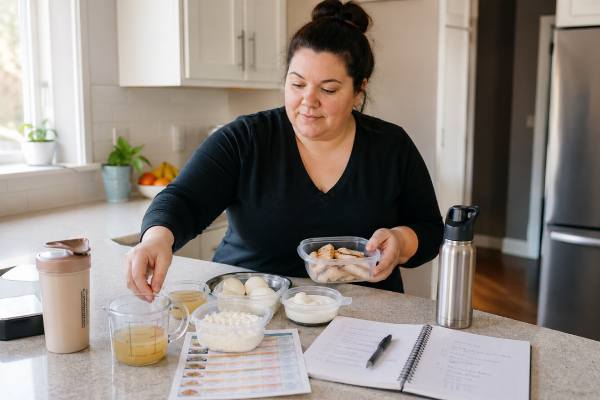
The pre-op bariatric diet is not just a box to check before surgery. It is a short, structured eating phase designed to make surgery safer, reduce liver size, improve surgical access, and help you start the habits you will need afterward. For many people, this is the first real transition from “trying to lose weight” to actively preparing for a major medical procedure.
The most important point is also the easiest to miss: your bariatric program’s instructions come first. Pre-op diets vary by procedure, body size, medical history, diabetes status, and the preferences of your surgeon and dietitian. Still, most plans share the same core pattern: high protein, very low sugar, lower carbohydrate intake, careful hydration, and a temporary move away from large meals, restaurant food, and grazing. Here is how the pre-op bariatric diet usually works, what to eat, what to avoid, and how to make the process more manageable.
Table of Contents
- What the pre-op bariatric diet does
- When the diet starts and how long it lasts
- What to eat and drink before surgery
- Foods and habits to avoid
- A simple pre-op bariatric menu framework
- How to prepare your home, schedule, and medications
- Common side effects, red flags, and the final 24 hours
What the pre-op bariatric diet does
A pre-op bariatric diet is usually a short-term, medically directed eating plan used in the days or weeks before weight loss surgery. Its job is not to produce dramatic fat loss in a short time. Its main purpose is to improve the conditions for surgery.
One of the biggest goals is reducing fat stored in and around the liver. In people with obesity, the liver often enlarges and becomes fatty. That matters because the liver sits over part of the stomach, and during bariatric surgery the surgeon needs safe access and good visibility. A smaller, less fatty liver can make the operation technically easier and may reduce operative difficulty.
This is why your team may describe the plan as a “liver-shrinking diet.” That phrase sounds dramatic, but the idea is straightforward: lower calories, fewer refined carbohydrates, and high-protein intake can reduce glycogen and liver fat fairly quickly in the short pre-op window.
It also helps in other ways:
- It starts training you to eat with structure instead of impulse.
- It reduces the “last supper” mindset that can make the first post-op weeks harder.
- It gives your team a chance to see how well you tolerate meal replacements, higher protein intake, and tighter food rules.
- It can reveal practical problems early, such as poor hydration, headaches, constipation, or blood sugar swings.
Another detail that confuses many patients is that there may be two different pre-surgery diet phases. The first is sometimes a longer insurance or program requirement involving supervised weight-management visits. The second is the short, specific diet right before surgery. They are not the same thing. If you are still comparing procedures, it can help to review common bariatric surgery options and understand that sleeve, bypass, and other procedures may come with slightly different prep instructions. Insurance timelines can also add a separate layer of requirements before you ever begin the short pre-op phase, especially if your case still depends on bariatric surgery insurance requirements.
A helpful way to think about the pre-op diet is this: it is less about proving willpower and more about reducing risk. It is a surgical preparation plan, not a crash diet challenge.
When the diet starts and how long it lasts
Most bariatric programs start the true pre-op diet about 2 to 4 weeks before surgery, but the exact timing can differ. Some people are asked to start earlier, especially if they have a higher BMI, marked fatty liver, insulin-treated diabetes, or a history suggesting the surgeon wants a longer preparation window. Others may follow a structured low-calorie solid-food plan at first, then switch to liquids or partial liquids as surgery gets closer.
That variation is normal. What matters is not what another patient on social media was told. What matters is the written plan from your own surgeon or bariatric dietitian.
A common timeline looks something like this:
- Weeks before surgery: You may complete nutrition visits, lab work, psychological clearance, and other pre-op steps.
- About 2 to 4 weeks before surgery: You begin the actual liver-reduction diet.
- A few days before surgery: Some programs tighten the plan further, sometimes with more liquid nutrition and fewer solid foods.
- The day before surgery: You may be switched to clear liquids only, depending on your program.
- The night before or morning of surgery: You follow exact fasting instructions from your anesthesia and surgical team.
The biggest mistake is assuming that “pre-op diet” means one universal template. In reality, some plans are:
- full liquid
- partial liquid with protein shakes plus one small lean-protein meal
- low-calorie, low-carbohydrate solid food plans
- ketogenic-style plans under supervision
- clear-liquid only in the final day before surgery
You may also hear about a supervised diet lasting 3 to 6 months before approval. That is not the same as the short pre-op bariatric diet used right before the operation. The long phase is often about education, documentation, and readiness. The short phase is about surgical safety and immediate preparation.
Because of that difference, do not panic if your weight-loss pace during the insurance period was slow but the short pre-op diet feels much stricter. They serve different purposes.
It is also worth preparing mentally for the fact that the pre-op phase can feel more restrictive than you expected. That does not mean the plan is wrong. It often means you are in the exact transition point where long-standing eating habits are being replaced by a medical protocol. The more clearly you treat it as temporary and procedural, the easier it is to stay steady.
What to eat and drink before surgery
Most pre-op bariatric diets revolve around the same core principles: high protein, low sugar, limited starches, controlled portions, and steady hydration. The exact menu can vary, but the structure is usually more consistent than the individual foods.
In many programs, the foundation includes protein shakes or meal replacements plus lean-protein foods and small servings of nonstarchy vegetables. Some programs are mostly liquid. Others allow one or two small solid meals per day. The goal is not culinary variety. The goal is predictability, satiety, and a lower calorie load that still protects lean mass as much as possible.
Foods and drinks commonly included are:
- protein shakes approved by your bariatric team
- lean protein such as chicken breast, turkey, fish, tuna, egg whites, or low-fat cottage cheese if allowed
- plain or light Greek yogurt if allowed
- nonstarchy vegetables such as lettuce, cucumbers, zucchini, broccoli, cauliflower, green beans, or peppers
- sugar-free gelatin or sugar-free popsicles in some plans
- water and other calorie-free fluids
- broth, depending on the phase
- decaf coffee or unsweetened tea if your program allows it
What makes a protein shake a good pre-op choice? Usually:
- at least 20 grams of protein per serving
- low sugar
- relatively low calories
- easy tolerance
- no large dessert-style add-ins
This is not the time for homemade “healthy” smoothies loaded with fruit, nut butter, oats, honey, and seeds. Even nutritious ingredients can turn a surgical prep drink into a calorie-dense meal.
Hydration matters just as much as food. Many teams want you drinking regularly all day rather than trying to catch up at night. A practical target is to keep a bottle with you and sip consistently. That habit becomes even more important after surgery, when gulping is not an option and dehydration can happen quickly.
A few practical rules help most patients:
- Build each eating occasion around protein first.
- Use vegetables as support, not as the main calorie source.
- Keep flavors simple so hunger cues do not get stirred up by “treat” foods.
- Read labels carefully, especially for sugar and serving size.
- Follow the exact number of shakes and meals on your plan rather than improvising.
This phase also gives you a preview of what life after surgery will demand: smaller decisions, fewer “cheat” moments, and much more consistency. If your team has already reviewed post-surgery diet stages with you, the pre-op plan will make more sense. It is the bridge between your old eating pattern and the structured progression that follows surgery. And since protein remains one of the most important nutritional priorities after the procedure, understanding protein needs after bariatric surgery can make the pre-op phase feel more purposeful rather than arbitrary.
Foods and habits to avoid
Most “avoid” lists in pre-op bariatric diets have the same logic behind them: foods that spike calories, raise blood sugar quickly, increase hunger, add little protein, or make it easier to overeat. Some foods are limited because they work against liver reduction. Others are restricted because they make the transition to surgery and recovery harder.
Common items your team may ask you to avoid include:
- sugary drinks, juice, soda, and sweetened coffee drinks
- desserts, candy, pastries, and baked goods
- chips, crackers, and other grazing foods
- bread, pasta, rice, cereal, and other starch-heavy foods
- fried foods and fast food
- alcohol
- high-fat sauces and dressings
- large restaurant meals and takeout portions
- mindless snacking between planned meals
The habit side matters as much as the food side. A person can technically follow a “diet food” list and still sabotage the process by grazing, nibbling while cooking, taking bites from family members’ plates, or having frequent unplanned extras. That is especially important in the pre-op window, because small departures add up quickly when the prescribed plan is already tightly controlled.
One common trap is the “last chance” mentality. People sometimes tell themselves that once surgery happens, they will never enjoy favorite foods again, so they overeat beforehand. That reaction is understandable, but it tends to backfire. It can increase hunger, worsen bloating, disrupt blood sugar, and make the first week of compliance much harder. A better mindset is that surgery changes your relationship with food, not your ability to ever enjoy eating again.
You should also be cautious about anything that has not been specifically cleared by your team, including herbal supplements, “detox” drinks, fat burners, and random online meal plans. Products marketed as natural are not automatically safe before anesthesia or surgery.
Alcohol deserves a separate mention. Many bariatric programs want it stopped well before surgery because it adds calories, affects hydration, and does nothing to support healing. Long term, alcohol can also behave differently after bariatric procedures, which is why it helps to understand the added cautions around alcohol after bariatric surgery before you get to that stage.
Avoiding these foods is not about moral labels like good and bad. It is about lowering risk, improving adherence, and making the operation easier to perform.
A simple pre-op bariatric menu framework
A sample pre-op day can be useful, but it should be treated as a framework, not a prescription. Your actual plan may use more shakes, fewer solid meals, or a fully liquid approach. Still, this kind of example shows the rhythm many programs aim for: predictable protein, simple foods, and no extras.
| Time | What it may look like | Main goal |
|---|---|---|
| Breakfast | Protein shake and water or unsweetened tea | Start with protein and hydration |
| Mid-morning | More water, broth, or other approved calorie-free fluids | Prevent dehydration and unnecessary snacking |
| Lunch | Lean protein portion with nonstarchy vegetables, or a second approved shake | Keep calories controlled while staying full enough to function |
| Afternoon | Water, sugar-free gelatin, or another approved low-calorie option | Stay on-plan during the hardest craving window |
| Dinner | Protein shake or small lean-protein meal with vegetables, depending on your program | Finish the day without a heavy evening meal |
| Evening | Steady fluids only, unless your team has approved something else | Protect hydration and avoid night eating |
What makes this kind of framework work is repetition. The pre-op phase is not the ideal time to test recipes, eat socially without a plan, or rely on hunger to guide portions. Structure usually beats spontaneity here.
A few practical upgrades can make the plan easier:
- Keep shakes cold and ready before hunger hits.
- Use a checklist for daily fluids.
- Pre-portion any allowed solid meals.
- Eat at roughly consistent times.
- Remove high-risk foods from visible places.
If your team allows one small solid meal per day, think “boring but dependable.” A few ounces of lean protein plus vegetables is usually more useful than trying to make the meal feel indulgent. The less emotionally charged the food is, the easier it often becomes to stay within the plan.
This is also a good time to practice the habits that matter after surgery: deliberate eating, slower pacing, and fewer distractions. Even before the procedure, the more intentional your meal routine becomes, the smoother the transition tends to be.
How to prepare your home, schedule, and medications
Many people focus so much on the menu that they forget the environment. But your kitchen setup, work schedule, medication plan, and household routine can make the pre-op diet much easier or much harder.
Start with your home. Before the pre-op diet begins, it helps to:
- buy the exact protein shakes or approved foods on your plan
- clear out obvious binge foods or move them out of sight
- stock approved fluids, broth, and simple low-calorie options
- get measuring cups, food scale tools, or portion containers if your team recommends them
- plan where meals and drinks will happen instead of eating reactively
Next, adjust your schedule. The first few days of the pre-op diet can be the toughest. If possible, do not start on the same day as a major work deadline, family event, or travel day. A calmer first 48 to 72 hours often improves compliance for the rest of the process.
It also helps to tell the people around you what is happening. You do not need a dramatic announcement. A simple explanation is enough: “I am on a medical diet before surgery, so I need to stick to it closely.” That can reduce food pressure, awkward offers, and the need to keep explaining yourself.
Medication planning is just as important. Do not adjust diabetes medications, insulin, GLP-1 medications, blood pressure pills, diuretics, anticoagulants, or supplements on your own. A pre-op bariatric diet can change calorie intake quickly, and that can affect blood sugar, hydration, and medication needs. Your team may tell you exactly what to stop, continue, or modify, especially as the surgery date approaches.
This is also the right time to ask about:
- vitamin or mineral deficiencies found on your pre-op labs
- whether you should begin specific supplements before surgery
- which supplements to stop before surgery
- how to handle nausea, constipation, or headache during the diet
- what to do if you miss targets because of poor tolerance
If your team has already discussed bariatric vitamins after surgery, take that seriously now. Preexisting deficiencies do not magically disappear after an operation; they can become more important. It also helps to review a general bariatric surgery recovery timeline so you know that the pre-op diet is only one step in a longer process of healing, hydration, protein intake, movement, and follow-up care.
A final practical point: make your life smaller for a short time. Fewer restaurant meals, fewer spontaneous outings, fewer food-centered plans. This is temporary, and simplicity usually improves success.
Common side effects, red flags, and the final 24 hours
Even when the plan is working exactly as intended, the pre-op bariatric diet can feel rough at first. Hunger, irritability, headaches, low energy, and mild lightheadedness are common during the adjustment phase, especially if your previous diet was high in refined carbohydrates or frequent snacking. Some people also notice constipation, temporary brain fog, or a strong emotional pull toward old comfort foods.
Common early issues and practical responses include:
- Hunger: space your approved protein evenly instead of saving everything for later
- Headache: review fluids, caffeine changes, and timing of meals
- Constipation: ask your team what bowel-support options are allowed on your specific plan
- Fatigue: keep activity light, focus on hydration, and do not under-eat beyond the prescribed plan
- Cravings: remove trigger foods and avoid “just one bite” decisions
That said, some symptoms are not things to push through casually. Call your bariatric team if you have repeated vomiting, cannot keep fluids down, severe weakness, signs of dehydration, concerning low blood sugar, fainting, chest pain, shortness of breath, or anything else your program specifically told you to report. If you already know the warning signs discussed in bariatric surgery complications, take them seriously before surgery too, not only after.
The final 24 hours are where precision matters most. Follow your written instructions exactly. That may include:
- clear liquids only for part or all of the day before surgery
- stopping all solid foods at a specified time
- avoiding colored beverages if instructed
- taking only certain medications with a sip of water
- starting nothing new, even if it seems harmless
Do not assume someone else’s fasting rules apply to you. Anesthesia instructions can vary, and getting them wrong can delay surgery or create avoidable risk.
The day before surgery is also not the time for a “goodbye meal.” Large meals, indulgent food, and alcohol can leave you feeling worse physically and mentally. A calmer approach works better: follow the plan, pack what you need, review your paperwork, and sleep as well as you reasonably can.
Most importantly, do not judge your readiness by whether the pre-op diet felt easy. Many people find it hard. What matters is whether you followed the plan, asked for help when needed, and arrived at surgery prepared.
References
- FAQs of Bariatric Surgery 2020 (Patient Education)
- Guidelines for Perioperative Care in Bariatric Surgery: Enhanced Recovery After Surgery (ERAS) Society Recommendations: A 2021 Update 2022 (Guideline)
- Low-energy diets before metabolic bariatric surgery: A systematic review 2024 (Systematic Review)
- Preoperative Nutrition in Bariatric Surgery: A Narrative Review on Enhancing Surgical Success and Patient Outcomes 2025 (Review)
- Effectiveness and Safety of Preoperative Nutritional Interventions on Surgical Outcomes in Patients Undergoing Metabolic and Bariatric Surgery: A Systematic Review and Meta-Analysis 2025 (Systematic Review and Meta-Analysis)
Disclaimer
This article is for general educational purposes only and is not a substitute for medical advice, diagnosis, or treatment. Pre-op bariatric diet instructions can vary by procedure, medical history, medications, and your surgical program, so follow your surgeon’s and bariatric dietitian’s written plan even if it differs from general guidance.
If this article helped, please consider sharing it on Facebook, X, or any platform you prefer.