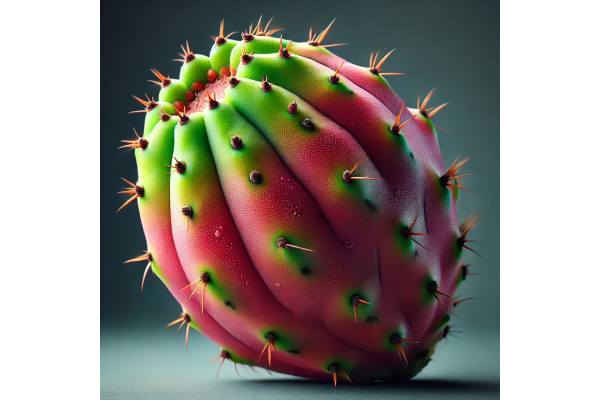
Prickly pear (the fruit of Opuntia ficus-indica) is a colorful, sweet-tart cactus fruit with a surprisingly rich nutrition profile. Beneath its spiny skin, the pulp delivers fiber, vitamin C, and minerals like magnesium and potassium, alongside betalain pigments that give red and purple varieties their jewel tones. Cooks prize its versatility: you can slice it fresh, blend it into aguas frescas and smoothies, simmer it into syrup for mocktails, or turn it into jam and sorbet. Beyond flavor, prickly pear’s compounds have been studied for antioxidant and anti-inflammatory effects, and the fruit’s modest calories make it an easy add to balanced eating patterns. The catch is handling: tiny barbed hairs (glochids) on unpeeled fruit demand care, and the hard seeds are best chewed well or strained. This guide explains the nutrition details, potential benefits and risks, how to choose and store ripe fruit, foolproof prep methods, and smart portions—so you can enjoy prickly pear safely and deliciously.
Fast Facts
- One medium fruit (≈100–150 g) provides fiber and vitamin C with about 40 kcal.
- Betalain pigments and vitamin C support antioxidant capacity; magnesium contributes to muscle and nerve function.
- Rare risk: large intakes of hard seeds can cause impaction—chew well or strain for juice.
- A practical serving is 1 medium fruit (100–150 g), 3–5 times per week as part of varied meals.
- People with prior bowel obstruction, strictures, or major motility disorders should limit or avoid the seeds.
Table of Contents
- Prickly pear: detailed overview
- Prickly pear nutrition profile (per 100 g)
- Evidence-based health benefits of prickly pear
- Risks, allergies and interactions to know
- Selecting quality, sustainability and storage tips
- Preparation, cooking and nutrient retention
- Portions, comparisons and FAQs
Prickly pear: detailed overview
Prickly pear is the edible berry of the nopal cactus. It goes by many names—cactus pear, tuna, or barbary fig—and comes in hues from pale green and golden orange to ruby red and deep magenta. Color hints at flavor and pigment content: yellow varieties tend to be mildly sweet with melon-pear notes, while red and purple fruits can be more berry-like and tangy. Inside, expect a soft, juicy pulp studded with hard, crunchy seeds.
Two features set prickly pear apart. First, it is naturally rich in viscous fiber and pectins, which give the fruit a pleasing body when blended and help create glossy jams and syrups. Second, it contains betalain pigments (such as betanin and indicaxanthin) that act as antioxidants and lend brilliant color to drinks and desserts. These pigments are water-soluble, which is why prickly pear juice stains easily—and why it’s often used as a natural color in culinary products.
Culinary uses are wide-ranging. Fresh slices brighten fruit salads, yogurt bowls, and salsas. Blended juice makes refreshing aguas frescas, mocktails, and sorbets. Cooked down, it becomes a thick puree or syrup for pancakes, vinaigrettes, and glazes. The flavor pairs well with lime, pineapple, and berries; herbs like mint and basil; and spices such as chili and ginger. If you prefer fewer seeds in your final dish, strain the puree through a fine mesh or food mill.
A practical note on handling: unprocessed fruit is covered with fine, almost invisible barbs called glochids. Commercial fruit is usually de-glochidized, but some spines can remain. Using gloves or tongs for washing and peeling prevents irritating splinters. Once peeled, the fruit is smooth and ready to slice, blend, or cook.
From a nutrition perspective, prickly pear delivers useful amounts of vitamin C, magnesium, and potassium, with modest calories and a low fat content. It fits well in Mediterranean, plant-forward, and weight-conscious eating patterns, offering variety in flavor and color without heavy sugar loads when enjoyed in whole-fruit portions. As with many fruits, whole or minimally processed forms maintain the best fiber content, while straining for seed-free juice trades texture for a silkier finish. The sections ahead detail the numbers, evidence on health outcomes, and the safest, tastiest ways to choose and prepare this desert fruit.
Prickly pear nutrition profile (per 100 g)
Below are typical values for raw prickly pear fruit (pulp) per 100 g. Daily Values (%DV) use standard adult reference intakes; actual needs vary by age and sex. Natural variation occurs by cultivar, ripeness, and growing conditions.
Macros and electrolytes (per 100 g)
| Nutrient | Amount | %DV |
|---|---|---|
| Energy | 39 kcal | — |
| Water | 87.5 g | — |
| Carbohydrate | 9.6 g | 4% |
| Dietary fiber | 3.6 g | 13% |
| Protein | 0.7 g | 1% |
| Total fat | 0.5 g | 1% |
| Sodium | 5 mg | 0% |
| Potassium | 220 mg | 5% |
Minerals (per 100 g)
| Mineral | Amount | %DV |
|---|---|---|
| Magnesium | 85 mg | 20% |
| Calcium | 56 mg | 4% |
| Phosphorus | 24 mg | 2% |
| Iron | 0.3 mg | 2% |
| Zinc | 0.12 mg | 1% |
| Copper | 0.08 mg | 9% |
Vitamins (per 100 g)
| Vitamin | Amount | %DV |
|---|---|---|
| Vitamin C | ~14 mg | 16% |
| Vitamin A (RAE) | 5 µg | 0% |
| Thiamin (B1) | 0.01 mg | 1% |
| Riboflavin (B2) | 0.06 mg | 5% |
| Niacin (B3) | 0.46 mg | 3% |
| Folate (DFE) | 6 µg | 2% |
| Vitamin B6 | ~0.06 mg | 4% |
Fats and fatty acids (per 100 g)
Prickly pear pulp is very low in fat; most fat present is polyunsaturated, primarily linoleic acid, in trace amounts (<0.25 g per 100 g). The seeds contain more fatty acids, including linoleic and oleic acids, but are usually swallowed whole or strained out in beverages.
Carbohydrates
Sugars vary by color and ripeness. Red-purple cultivars skew slightly higher in natural sugars than green-yellow types, but the overall carbohydrate load remains modest at typical whole-fruit portions. Fiber is a meaningful contributor, with both soluble and insoluble fractions.
Bioactives/phytonutrients
Key compounds include betalains (betanin in red-purple fruit and indicaxanthin common across colors), flavonoids (quercetin, isorhamnetin), and carotenoids in smaller amounts. These support the fruit’s antioxidant capacity and vibrant hue.
Glycemic and acid–base metrics
With ~9–10 g carbohydrate and 3.6 g fiber per 100 g, whole prickly pear has a low glycemic load when eaten as a single fruit, especially when paired with protein or fat. Its potential renal acid load (PRAL) is modestly alkaline-forming.
Notes and footnotes
- Values reflect raw, unfortified fruit.
- Pigment and micronutrients vary by cultivar; red and purple fruit often have higher betalain content.
- %DV uses standard adult reference intakes (e.g., fiber 28 g/day, potassium 4,700 mg/day, magnesium 420 mg/day).
Evidence-based health benefits of prickly pear
1) Antioxidant support from betalains and vitamin C
Prickly pear contains betalain pigments and vitamin C that act as antioxidants. Human studies show short-term prickly pear fruit intake can improve biomarkers of oxidative stress, suggesting a real-world physiological effect beyond test-tube assays. The observed benefits include reductions in lipid peroxidation markers and favorable shifts in redox balance. Color matters for antioxidants: red and purple fruits tend to contain more betanin, while indicaxanthin is present broadly. Because betalains are water-soluble, even simple preparations like juice or smoothies deliver these compounds, though strain-free preparations retain more fiber.
2) Potential cardiometabolic effects (context and limits)
Prickly pear has been explored for effects on cardiovascular and metabolic markers. A randomized crossover trial in healthy men found that a single dose of prickly pear juice influenced post-meal heart rate variability (a measure reflecting autonomic nervous system balance) without changing standard blood lipids or glucose over a short monitoring window. Earlier controlled work observed that multi-day fruit intake reduced oxidative stress markers, which may indirectly support vascular health. Overall, whole fruit appears compatible with heart-healthy eating patterns; however, evidence for direct lipid or glucose improvements in free-living adults is mixed, varies by preparation (whole fruit versus juice versus extracts), and is strongest for short-term antioxidant outcomes.
3) Hydration and electrolyte contribution
The fruit’s high water content and presence of potassium make it a refreshing, hydrating choice in hot weather. Potassium helps counterbalance dietary sodium, and magnesium supports muscle and nerve function. While prickly pear is not a replacement for medical electrolyte therapy, it adds useful minerals to everyday meals.
4) Fiber for fullness and digestive regularity
Each medium fruit provides a meaningful amount of fiber with minimal calories. Viscous fibers and pectins in the pulp help increase satiety and support regular bowel movements. In culinary practice, leaving some pulp in smoothies or sauces (rather than straining completely) preserves more of this benefit.
5) Extract-based findings and how they translate
Research using standardized extracts of prickly pear (often including fruit and cladode components) has reported additional outcomes, such as modest reductions in hangover symptom severity when taken before alcohol exposure. Extract studies provide mechanistic clues—anti-inflammatory and antioxidant pathways, for example—but dosage and composition differ from whole fruit. When interpreting such data for everyday eating, treat extracts as adjunct information rather than a direct prescription to over-consume the fruit.
Practical takeaways
- Whole prickly pear fits well in antioxidant-rich, Mediterranean-style patterns.
- Choose whole or minimally processed forms to capture fiber; a seed-free juice is fine for color and flavor but delivers less fiber.
- Expect benefits to be subtle and cumulative—most consistent in antioxidant markers—rather than dramatic changes in cholesterol or glucose from occasional servings.
Risks, allergies and interactions to know
Hard seeds and rare impaction risk
Prickly pear seeds are small, dense, and hard. In rare cases, consuming very large quantities of seeded fruit has been associated with phytobezoars—compacted masses of indigestible material—leading to fecal impaction or bowel obstruction. This risk is greatest when many fruits are eaten at once, the seeds are swallowed without chewing, or underlying motility issues exist. Practical safety strategies include chewing seeds thoroughly, limiting portion size in one sitting, or straining them out for juice and syrup. People with a history of bowel obstruction, strictures, or significant motility disorders should be especially cautious and may wish to avoid the seeds entirely.
Glochids (tiny barbs) on unpeeled fruit
Unpeeled fruit can retain microscopic barbed hairs that irritate skin and eyes. Always handle unpeeled prickly pears with gloves or tongs, rinse under running water, and peel away the outer skin before eating. If glochids contact skin, remove them with adhesive tape and wash the area; seek care for eye involvement.
Allergies
Allergic reactions to prickly pear fruit are uncommon but possible. Symptoms could include oral itching, hives, or, rarely, systemic reactions. Individuals with known sensitivity to cactus family plants should exercise caution. Introduce a small amount the first time and monitor for symptoms.
Digestive side effects
Because of their fiber content, large amounts of prickly pear—especially in juice with pulp—may cause bloating or loose stools in those not used to higher fiber intakes. Increase portions gradually and hydrate well.
Drug and condition considerations
- Blood sugar management: In general, whole-fruit portions are modest in carbohydrate and can fit into many diabetes meal plans. However, concentrated juices or sweetened syrups add sugars. If you use glucose-lowering medication, monitor your responses when adding new fruit servings and prefer whole fruit over sugar-added products.
- Kidney considerations: Prickly pear provides potassium and magnesium. People on potassium-restricted diets should count these contributions.
- Alcohol: Extracts taken before drinking have been studied for hangover-related inflammation, but this does not justify excess alcohol use. The safest strategy remains moderation.
Processed products and additives
Commercial candies, drinks, or syrups labeled “prickly pear” may contain added sugars. Some pink products are colored with carmine (an insect-derived color); those avoiding insect-derived ingredients should read labels.
Who should limit or avoid
- Anyone with prior bowel obstruction, significant strictures, or severe motility disorders (avoid seeds; consider strained preparations only).
- Those on potassium-restricted diets (track potassium).
- Individuals with suspected or confirmed fruit allergy (seek medical guidance).
Selecting quality, sustainability and storage tips
How to choose excellent fruit
- Look: Seek fruit with uniform color for its variety—emerald-green, golden, or deep red/purple—with a smooth, matte surface. Avoid large soft spots, cuts, or excessive juice seepage.
- Feel: A ripe prickly pear yields slightly to gentle pressure and feels heavy for its size (a sign of juiciness). Overly hard fruit may be underripe; very soft fruit is past peak.
- Check for glochids: Many markets sell fruit that has been brushed to remove barbs. Even so, tiny spines can remain—handle with gloves or tongs at home.
Seasonality and varieties
Peak availability varies by region, often late summer through fall in North America and the Mediterranean. Varieties include green-yellow types (milder, honey-melon notes) and red-purple types (brighter, berry-like). For drinks and desserts, the red/purple fruit offers vivid color; for salads and salsas, yellow or green fruit adds gentle sweetness.
Sustainability profile
Prickly pear cactus uses crassulacean acid metabolism (CAM) photosynthesis, allowing stomata to open at night and reducing water loss. As a result, the plant is drought-tolerant and can thrive in arid climates with comparatively low irrigation. In regions where it is cultivated responsibly, it can be a water-savvy crop. However, in some ecosystems prickly pear can become invasive; responsible sourcing and local regulations help ensure cultivation aligns with biodiversity goals. Transport footprint depends on distance and storage methods; when possible, choose regional fruit in season.
Storage and shelf life
- Unpeeled fruit: Keep at cool room temperature for 1–2 days if you plan to use it promptly. For longer storage, refrigerate unwashed, loosely wrapped fruit (vented container or breathable bag) for up to 5–7 days.
- Prepared fruit: After peeling, refrigerate slices or puree in an airtight container for 2–3 days.
- Freezing: For sorbets and smoothies, freeze peeled chunks on a tray, then transfer to a freezer bag for up to 6 months. Strained puree freezes well in ice cube trays; thaw in the refrigerator.
- Avoid ethylene traps: Prickly pear is less sensitive to ethylene than some climacteric fruits, but storing it away from very aromatic produce (onions, leeks) protects its flavor.
Reducing waste
Plan recipes around color and ripeness. Use firmer fruit for slicing or salsa, riper fruit for blending and cooking. Leftover syrup or puree is excellent for vinaigrettes, yogurt swirls, or quick freezer pops.
Preparation, cooking and nutrient retention
Safe handling and peeling (step-by-step)
- Protect your hands: Put on kitchen gloves or use tongs. Even “de-glochidized” fruit can harbor fine barbs.
- Rinse well: Rinse under cool running water, rubbing gently with a vegetable brush.
- Trim ends: Cut off both ends to create flat surfaces.
- Score and peel: Make a shallow lengthwise slit through the skin. Slide your thumb under the skin and peel it away in one piece, rolling the fruit as you go. Discard the peel with care.
- Slice or cube: Use the peeled pulp immediately, or refrigerate in an airtight container.
Ways to enjoy
- Fresh: Dice into fruit salad with pineapple and mint, or spoon over cottage cheese or yogurt.
- Drinks: Blend with water and lime, then strain for a silky agua fresca; for more fiber and body, blend without straining.
- Sauces and syrups: Simmer puree with a little lemon juice until thickened; brush over grilled chicken or tofu, or stir into vinaigrettes.
- Desserts: Whisk strained puree into sorbet bases or chia puddings; fold into whipped cream for a quick mousse.
Minimizing seeds in recipes
The seeds are edible but hard. For cocktails, sorbets, and sauces, pass the puree through a fine mesh strainer or food mill. For salsas, a coarse chop leaves some texture without a seed-heavy bite.
Nutrient retention tips
- Vitamin C: Sensitive to heat and prolonged storage. Use raw fruit or brief cooking, add puree near the end of simmering, and store peeled fruit cold and covered.
- Betalains: These pigments are water-soluble and can degrade with extended high heat or very high pH. Gentle heat and a touch of acidity (lemon or lime juice) help preserve color and brightness.
- Fiber: Straining removes seeds and some pulp; choose the level of straining based on texture needs, knowing that whole-fruit preparations retain more fiber.
Food safety
Keep cut fruit refrigerated and use within 2–3 days. Clean boards and knives after handling peel to avoid glochid transfer. If making shelf-stable jams or syrups, use tested canning procedures and target a safe final acidity.
Flavor pairing ideas
- Herbs: mint, basil, cilantro
- Citrus: lime, lemon, orange
- Spices: chili, ginger, cardamom
- Pairings: cucumber, jicama, pineapple, strawberries, feta, grilled fish or halloumi
Portions, comparisons and FAQs
Recommended portion and frequency
A practical serving is one medium prickly pear (100–150 g). Enjoy it 3–5 times per week within a varied fruit rotation. This serving supplies roughly 13% of daily fiber needs with about 40 kcal, plus vitamin C, magnesium, and potassium.
Who benefits most
- People seeking colorful, lower-calorie fruit options rich in antioxidants.
- Those building Mediterranean or plant-forward patterns who want variety beyond common fruits.
- Athletes and outdoor workers looking for hydrating snacks with potassium.
Common comparisons
- Prickly pear vs kiwi: Both offer vitamin C; kiwi has more vitamin C per gram, while prickly pear contributes more magnesium and has fewer total sugars at equivalent 100 g portions.
- Prickly pear vs dragon fruit (pitaya): Both are visually striking. Prickly pear usually has a bolder sweet-tart flavor and delivers betalains; dragon fruit often has milder flavor and different pigments (betalains in red pitaya, betacyanins).
- Prickly pear vs pear (European): Prickly pear has more magnesium and color-active betalains; European pears provide more soluble fiber per fruit and a familiar texture.
FAQs
Can I eat the seeds?
Yes, they are edible but very hard. Chew them well. For seed-free preparations, strain the puree. People with a history of bowel obstruction or strictures should avoid seeds.
Is prickly pear “good for blood sugar”?
Whole fruit portions can fit into many diabetes meal plans thanks to fiber and modest carbohydrate per serving. Rely on the whole fruit rather than sweetened syrups. Monitor individual responses if you use glucose-lowering medication.
What about the hangover claims?
A controlled trial of a specific prickly pear extract taken before alcohol exposure found reduced severity of some hangover symptoms. That finding does not endorse heavy drinking, and it relates to an extract, not casual fruit intake.
Is it kid-friendly?
Yes—once peeled and free of glochids. For young children, offer small cubes and consider straining seeds to reduce choking risk.
Can I use it on a low-FODMAP diet?
Portions vary by tolerance. Start with a small amount (½ fruit) and assess symptoms; fiber content may cause bloating in sensitive individuals.
How many fruits make a cup of cubes?
Roughly 1 to 1½ medium fruits yield about 1 cup (150 g) of cubes, depending on size and waste removed.
References
- Opuntia ficus-indica Fruit: A Systematic Review of Its Phytochemicals and Pharmacological Activities – PubMed 2023 (Systematic Review)
- Prickly pear juice consumption after fat intake affects postprandial heart rate variability but not traditional risk factors of cardiovascular disease in healthy men – PubMed 2022 (RCT)
- Supplementation with cactus pear (Opuntia ficus-indica) fruit decreases oxidative stress in healthy humans: a comparative study with vitamin C – PubMed 2004 (RCT)
- Effect of Opuntia ficus indica on symptoms of the alcohol hangover – PubMed 2004 (RCT)
- Fecal impaction in adults: report of 30 cases of seed bezoars in the rectum – PubMed 2006 (Observational)
- Frida – Food ID: 572 2025 (Government Food Composition Database)
Disclaimer
This article is for educational purposes and general nutrition guidance. It does not replace personalized advice from a qualified health professional. If you have medical conditions, take prescription medications, are pregnant or breastfeeding, or plan significant diet changes, consult your healthcare provider or a registered dietitian. Seek medical care promptly for concerning symptoms such as severe abdominal pain, persistent vomiting, or signs of bowel obstruction.
If you found this guide helpful, please consider sharing it with friends or on your favorite platforms (Facebook, X, or anywhere you connect). Your support helps us continue creating high-quality, reader-first nutrition content.