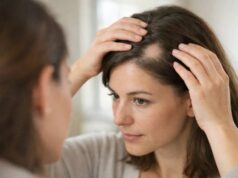
Hair is one of the body’s fastest-growing tissues, but it is not one of the body’s highest priorities. When protein intake falls short, the body tends to protect essential functions first and scale back “nonurgent” jobs such as robust hair production. That is why low protein intake can show up as increased shedding, slower regrowth, thinner strands, or hair that simply feels dull and weak.
Still, protein deficiency is not the only reason people shed more hair. Iron deficiency, thyroid disease, illness, rapid weight loss, medications, and stress can all look similar at first. The real value lies in knowing what pattern to watch for, which risk factors matter most, and how to correct a diet problem without guessing or overusing supplements.
This guide explains how protein shortage affects the hair cycle, which signs make the link more likely, who is most vulnerable, and what a practical recovery plan usually looks like.
Key Insights
- Protein-related shedding is usually diffuse across the scalp rather than sharply patchy.
- The fix is not just “more protein” but enough total calories, regular meals, and steady intake over time.
- Severe deficiency can affect more than hair and may also cause muscle loss, weakness, swelling, or poor wound healing.
- Hair often improves only after the nutrition gap is corrected for several weeks, so recovery usually requires patience.
Table of Contents
- What Low Protein Does to the Hair Cycle
- Signs Your Shedding May Be Linked to Protein
- Who Is Most at Risk
- How Clinicians Check for Other Causes
- How to Fix Low Protein Intake Safely
- When to Get Help and What Recovery Looks Like
What Low Protein Does to the Hair Cycle
Hair shafts are built mostly from keratin, a structural protein. To keep producing them, the follicle needs a steady supply of amino acids, enough calories to spare those amino acids for tissue building, and a stable internal environment. When protein intake drops for long enough, the body becomes economical. It diverts resources toward organs and processes that matter more for short-term survival, and hair production becomes easier to pause.
That pause usually shows up as telogen effluvium, a common type of diffuse shedding. In simple terms, more follicles than usual leave the active growth phase early and move into a resting phase. A few months later, those resting hairs are released. This is why people often do not notice the connection right away. The trigger happens first; the shedding follows later.
Protein-related shedding is rarely about one bad day or one missed meal. It is more likely when intake is consistently too low, when calories are also restricted, or when the body is under extra demand from illness, recovery, intense training, pregnancy, breastfeeding, or growth. In those settings, a marginal intake that once seemed “fine” may no longer cover what the body needs.
The hair itself can also change, not just the amount that sheds. Some people notice strands that feel finer, drier, rougher, or easier to snap. That does not always mean the follicle is failing; it can also reflect weaker shaft quality. If you need a refresher on how the follicle rotates through growth, rest, and release, the hair growth cycle phases help explain why nutrition problems often appear with a delay.
One important nuance is that true severe protein deficiency is uncommon in otherwise healthy adults eating enough food overall. More often, hair shedding reflects a broader nutrition mismatch: too little protein during weight loss, too few total calories, poor food variety, digestive illness, or a restrictive eating pattern that looks balanced on paper but misses the mark in practice. That is why hair can worsen on crash diets, highly restrictive “clean eating” plans, or appetite-suppressing regimens even when someone thinks they are eating “healthy.”
The main takeaway is straightforward: hair follicles are metabolically expensive. When protein and energy are insufficient, the body can slow hair growth, shorten the time hairs stay anchored in anagen, and increase later shedding. The biology is logical, but the symptom is not specific, which is why context matters so much.
Signs Your Shedding May Be Linked to Protein
The most typical clue is diffuse shedding. Hair comes out from all over the scalp rather than from one sharply defined area. You may notice more strands in the shower, on the brush, on your pillow, or around the collar of dark clothing. The ponytail may feel smaller, but the hairline usually stays fairly intact. This pattern matters because patchy loss, broken-off hairs in one zone, or scarring areas suggest a different problem.
Timing is another clue. Protein-related shedding often starts after a stretch of under-eating, a restrictive diet, rapid weight loss, illness that reduces appetite, a hard training block without enough recovery food, or a major life period when meals became irregular. The hair change may lag behind the trigger by weeks. People often say, “Nothing changed recently,” then remember that their diet changed two or three months earlier.
Other body signs can strengthen the suspicion. These include:
- noticeable muscle loss or reduced strength
- unusual fatigue or feeling depleted
- slower recovery from exercise
- more frequent hunger but smaller meals
- swelling in severe cases
- brittle nails or poor wound healing
- dry skin or a generally undernourished appearance
Hair texture can offer clues too. Low protein intake may leave the hair feeling limp, thin, or unable to hold its usual style. Some people describe it as “my hair stopped behaving like my hair.” That does not prove protein deficiency, but it fits the story when it appears alongside shedding and diet change.
What makes the link less likely? A very itchy scalp, greasy yellow flakes, painful inflammation, and circular bald patches point more toward scalp disease or autoimmune hair loss than isolated low protein intake. Likewise, hairs that snap mid-length rather than shed with a white club-like root are more consistent with shaft breakage than follicle shedding. If that distinction feels blurry, it helps to compare with the common patterns behind breakage versus true hair loss.
It is also worth separating “not eating enough protein” from “not eating enough overall.” In real life, the two often travel together. Someone cutting calories aggressively may lose both total energy and protein, then also fall short on iron, zinc, folate, vitamin D, or B12. Hair rarely complains about only one missing piece. That is why protein-related shedding often overlaps with other deficiency patterns.
A practical self-check is to ask three questions. Did your intake drop? Did your body weight or muscle mass drop? Did shedding rise afterward? When those three line up, protein becomes a more believable factor. But even then, it should be treated as a clue, not a final diagnosis. Hair is a signal, and the goal is to decode the whole signal rather than chase one nutrient in isolation.
Who Is Most at Risk
The highest-risk group is not simply “people who do not eat meat.” It is people whose protein intake is too low for their current needs, especially when calorie intake is also low. That includes several very different situations.
First are people in rapid weight-loss phases. This can happen with crash diets, prolonged meal skipping, very low-calorie plans, bariatric surgery recovery, appetite-suppressing medications, or illness-related weight loss. In these cases, hair shedding often reflects a combination of stress, lower protein intake, and reduced total energy. That overlap is one reason hair loss after weight loss is such a common complaint.
Second are people following restrictive eating patterns without careful planning. Vegan and vegetarian diets can absolutely provide enough protein, but they usually need more intention than a random low-appetite routine built around toast, fruit, salads, and snacks. The issue is not plant protein itself. The issue is low total intake, narrow food variety, or meals that are too small and too infrequent.
Third are older adults. Appetite often drops with age, chewing becomes harder, cooking may become less regular, and total food intake falls. A person can look stable from the outside yet eat too little protein day after day. Because hair changes are gradual, the problem may go unnoticed until shedding becomes obvious.
Fourth are athletes and highly active people, especially endurance athletes or people training hard while trying to “lean out.” Their baseline needs can be higher, and missed recovery meals matter more. A diet that maintained hair when activity was moderate may become inadequate when exercise volume jumps.
Fifth are people with absorption or digestion problems. Celiac disease, inflammatory bowel disease, chronic diarrhea, pancreatic disease, and some post-surgical states can lower protein absorption or make eating enough difficult. In those cases, the food log may look reasonable while the body still struggles to use what is consumed.
Eating disorders and disordered eating patterns also deserve clear mention. Hair can become one of the earliest visible signs that intake is not supporting the body well. The same is true for people under chronic stress who unintentionally graze all day yet never build full meals.
Pregnancy, postpartum recovery, breastfeeding, adolescence, and recovery from major illness all increase nutritional demands too. Hair shedding in those settings is not always due to protein deficiency, but low intake can make a normal shedding event worse or delay regrowth.
The common thread is mismatch. Risk rises when protein supply stays below biological demand for long enough. The bigger the mismatch, and the more other nutrients fall with it, the more believable the hair connection becomes.
How Clinicians Check for Other Causes
A careful evaluation usually starts with the story, not the lab order. The most useful details are when shedding began, whether it is diffuse or patchy, how much body weight changed, what the diet looked like in the months before the shedding, and whether there were illnesses, surgeries, childbirth, medication changes, or major stressors. This timeline often reveals more than a single blood test can.
Clinicians also look at the scalp and the shed hairs themselves. Diffuse thinning without scale, scarring, or broken hairs fits telogen effluvium more than inflammatory scalp disease. A hair-pull test may show increased release of resting hairs. Patchy loss, marked scalp redness, pustules, or shiny scarred skin points in a different direction and usually changes the workup.
Protein deficiency is tricky because there is no perfect “hair loss protein test.” Mild or moderate intake problems are often inferred from diet history, weight change, muscle loss, and the wider clinical picture rather than confirmed by one lab value. Albumin and prealbumin can be abnormal in severe undernutrition, but they are also influenced by inflammation, illness, liver disease, and fluid status. That means a normal result does not rule out a diet problem, and an abnormal result does not automatically prove one.
Because hair shedding has many look-alikes, clinicians often check for other common contributors. Depending on the case, that may include:
- complete blood count
- ferritin and iron studies
- thyroid testing
- vitamin B12 or folate in selected patients
- vitamin D or zinc in some situations
- celiac evaluation or other digestive workup when symptoms suggest malabsorption
If you want a fuller overview of the lab approach, these hair loss blood tests are often part of the first round when the cause is unclear.
The goal is not to order every possible nutrient test. It is to match testing to risk factors. Someone with heavy periods may need iron evaluation. Someone with digestive symptoms may need a different path. Someone with diffuse shedding after aggressive dieting may not need a long exotic panel before the clinician addresses intake, weight change, and the timing of symptoms.
Another part of the evaluation is deciding whether the problem is truly deficiency-related or whether protein is just being blamed because it sounds intuitive. Pattern hair loss, thyroid disease, postpartum shedding, medication-related loss, and autoimmune conditions can all coexist with imperfect eating. That overlap is why a balanced assessment matters. The best clinicians avoid two extremes: dismissing nutrition altogether and assuming every shedding episode is “just low protein.”
In practice, the most credible diagnosis comes from a consistent pattern: risk factor, timeline, diffuse shedding, plausible diet gap, and no better explanation after basic evaluation. That is enough to guide treatment without turning the process into a hunt for a single magic number.
How to Fix Low Protein Intake Safely
The fix begins with regular eating, not panic supplementation. For many adults, a sensible baseline target is about 0.8 grams of protein per kilogram of body weight per day, with some people needing more depending on age, activity, recovery from illness, or muscle-loss risk. In real life, the better question is often not “What is the perfect number?” but “Am I reliably eating enough protein across the day?”
A practical approach is to rebuild three anchors:
- Adequate total calories. Hair follicles do not thrive on protein alone. If calories stay too low, the body may burn amino acids for energy rather than spare them for tissue repair.
- Protein at each meal. Spreading intake works better than trying to rescue the day at dinner.
- Consistent intake for months, not days. Hair recovery is slow because follicles need time to cycle back into active growth.
Many people do well by aiming for roughly 20 to 30 grams of protein at each main meal, then adjusting upward if they are larger, older, very active, or rebuilding after weight loss. Examples include eggs plus Greek yogurt, tofu with edamame and grains, lentils with dairy or soy, fish with beans, or chicken with starch and vegetables. For plant-based eaters, combining legumes, soy foods, grains, nuts, and seeds across the day is often enough; the key is volume and consistency. This is especially relevant if you are navigating a plant-based pattern with hair loss concerns.
Supplements can help when appetite is low, chewing is hard, or meals are not realistic, but they are not automatically better than food. A whey, soy, or pea protein shake can be useful as a bridge. What matters most is tolerability and whether it helps you reach a sustainable daily intake. Mega-dosing specialty hair supplements is a different issue. Those products often bundle many nutrients you may not need, and some formulas contain high amounts of ingredients that can be counterproductive when taken blindly.
It also helps to protect the rest of the recovery environment:
- slow down aggressive weight loss
- avoid skipping meals
- treat digestive symptoms that reduce intake
- check iron or thyroid issues if the history suggests them
- avoid harsh styling practices while shedding is active
Do not expect a dramatic change after one week. A more realistic goal is nutritional stability first, then visible reduction in shedding later. Think of the plan as a recovery runway: enough protein, enough energy, enough repetition.
If severe under-eating, fear of weight regain, nausea, swallowing problems, or digestive disease is part of the picture, the safest move is to involve a clinician or dietitian early. Hair may be the visible complaint, but the real issue may be broader undernutrition that deserves more than a do-it-yourself fix.
When to Get Help and What Recovery Looks Like
Once intake improves, shedding does not stop overnight. Hair follicles need time to leave the resting phase and re-enter growth. In many cases, the first sign of progress is not explosive regrowth but a quieter brush, less hair in the drain, and fewer strands released during washing. Density usually returns more slowly than shedding improves.
A realistic timeline looks like this: first correct the intake problem, then wait through the normal lag of the hair cycle. Many people need several months before they feel confident that the shedding is clearly better. Full cosmetic recovery can take longer, especially if the deficiency overlapped with rapid weight loss, iron deficiency, thyroid disease, postpartum shedding, or pattern thinning.
During recovery, watch trends instead of counting every strand. Helpful signs include:
- reduced daily shed volume
- fewer short weak hairs falling out
- improved energy and strength
- weight stabilization if weight loss was unintentional
- new short regrowth around the part or crown
There are also situations where waiting it out is the wrong move. Seek medical care sooner if you have rapid or dramatic shedding, bald patches, scalp pain, inflammation, broken hairs in one region, unexplained weight loss, swelling, fever, chronic diarrhea, menstrual changes, or clear signs of malnutrition. Those features widen the differential and may point beyond a simple protein shortfall. If the situation feels abrupt or alarming, these signs on when to see a dermatologist for hair loss can help frame the urgency.
It is also smart to get help if you improved your diet for a few months and nothing changed. At that point, the explanation may be incomplete. Ongoing shedding can reflect chronic telogen effluvium, female or male pattern hair loss, thyroid disease, low ferritin, medication effects, scalp inflammation, or a combination of causes.
Emotionally, this kind of shedding can be harder than people expect. It feels visible, personal, and difficult to control. That distress is valid. The good news is that nutrition-related shedding is often reversible when the underlying intake problem is truly corrected. The less good news is that hair works on its own schedule. Recovery rewards patience, consistency, and a wider view of health, not quick fixes.
The most useful mindset is simple: treat the body first, and let the hair follow. When the biology has what it needs long enough, the follicles usually respond.
References
- Diet and hair loss: effects of nutrient deficiency and supplement use – PMC 2017 (Review)
- Integrative and Mechanistic Approach to the Hair Growth Cycle and Hair Loss – PMC 2023 (Review)
- Evaluation of the Safety and Effectiveness of Nutritional Supplements for Treating Hair Loss: A Systematic Review – PubMed 2023 (Systematic Review)
- Assessing the relationship between dietary factors and hair health: A systematic review – PubMed 2025 (Systematic Review)
- Protein in diet: MedlinePlus Medical Encyclopedia 2025 (Official Reference)
Disclaimer
This article is for educational purposes only and is not a diagnosis or a substitute for medical care. Hair shedding can be caused by protein deficiency, but it can also reflect iron deficiency, thyroid disease, medication effects, autoimmune conditions, scalp disorders, infection, or other health problems. Do not self-treat with high-dose supplements unless a qualified clinician recommends them. Seek personalized medical advice if shedding is sudden, patchy, painful, prolonged, or accompanied by weight loss, swelling, fatigue, digestive symptoms, menstrual changes, or other signs of undernutrition.
If this article helped you, please consider sharing it on Facebook, X, or your preferred platform.