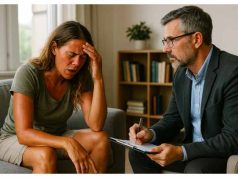
Psychosexual disorder is an older umbrella term used to describe sexual difficulties that are strongly influenced by psychological, emotional, relational, or developmental factors. In modern clinical language, it is not usually treated as one single diagnosis. Instead, clinicians describe the specific problem, such as low sexual desire, arousal difficulty, orgasm difficulty, ejaculation difficulty, sexual pain, compulsive sexual behavior, or a paraphilic disorder when diagnostic criteria are met.
This topic needs careful wording because sexual function is affected by the body, mind, relationships, culture, medications, trauma history, and personal meaning. A sexual difficulty is not automatically a disorder. It becomes clinically important when it is persistent, distressing, causes impairment, or involves risk to the person or others.
Key points to understand first
- Psychosexual disorder is a broad term, not a single modern diagnosis.
- Common symptoms include low desire, arousal problems, orgasm difficulty, ejaculation problems, sexual pain, avoidance, distress, or fear related to sex.
- It can be confused with normal variation, relationship mismatch, medication effects, hormonal changes, depression, anxiety, trauma responses, or medical conditions.
- Psychological factors may be primary, secondary, or mixed with physical causes.
- Professional evaluation matters when symptoms are persistent, distressing, sudden, painful, linked with trauma or coercion, or involve risk of harm.
Table of Contents
- What psychosexual disorder means
- Common symptoms and signs
- Normal variation or disorder?
- Causes and contributing factors
- Risk factors and related conditions
- Diagnostic context and evaluation
- Complications and urgent signs
What psychosexual disorder means
Psychosexual disorder usually refers to a sexual difficulty in which psychological or interpersonal factors play a major role. The term is broad and somewhat dated, so the most accurate approach is to identify the specific pattern of symptoms rather than assume one uniform condition.
In current diagnostic systems, sexual problems are usually described by the area of sexual function affected. These may include desire, arousal, orgasm, ejaculation, genital-pelvic pain, or compulsive patterns of sexual behavior. Some conditions are mainly classified within sexual health, while others may overlap with mental, behavioral, or impulse-control categories.
A useful way to understand the term is to separate three ideas:
- Sexual function: the person’s ability or experience related to desire, arousal, orgasm, ejaculation, pleasure, and comfort.
- Sexual distress: worry, sadness, shame, frustration, avoidance, or relationship strain caused by the sexual difficulty.
- Clinical impairment or risk: meaningful effects on wellbeing, relationships, daily life, safety, consent, or health.
A person may have a change in sexual function without having a disorder. For example, desire often changes with stress, grief, sleep loss, conflict, childbirth, aging, illness, and medication. A clinical concern is more likely when the problem is persistent, unwanted, difficult to explain, and associated with distress or impairment.
The word “psychosexual” can also be misunderstood. It does not mean the symptoms are imaginary or “all in the head.” Sexual response depends on the nervous system, hormones, blood flow, pain pathways, emotions, attention, body image, memory, attachment, safety, and relationship context. A sexual problem can begin with a physical trigger and become maintained by anxiety or avoidance. It can also begin with anxiety, trauma, depression, conflict, or shame and then show up in the body as pain, erectile difficulty, low arousal, or orgasm difficulty.
It is also important not to confuse psychosexual symptoms with sexual orientation, gender identity, or consensual sexual interests between adults. Being gay, bisexual, asexual, transgender, gender diverse, or having consensual adult sexual preferences is not a psychosexual disorder. Clinical concern depends on distress, impairment, consent, harm, coercion, inability to control behavior, or persistent sexual dysfunction that the person finds troubling.
Common symptoms and signs
The main signs of a psychosexual disorder are persistent sexual difficulties that cause distress, avoidance, impairment, or relationship strain. Symptoms may involve desire, arousal, orgasm, ejaculation, pain, fear, intrusive sexual concerns, or behavior that feels difficult to control.
Psychosexual symptoms can look different from person to person. Some people notice a clear physical symptom, such as erectile difficulty or pain during attempted penetration. Others notice emotional or cognitive symptoms first, such as dread, shame, intrusive worry, or a sense of shutting down during intimacy.
Common symptom patterns include:
- Low or absent sexual desire: little interest in sexual activity, fewer sexual thoughts, reduced responsiveness to erotic cues, or loss of interest that feels unwanted.
- Arousal difficulty: trouble becoming physically or emotionally aroused despite desire, difficulty maintaining erection, reduced lubrication, reduced genital sensation, or feeling disconnected from sexual stimulation.
- Orgasm difficulty: delayed orgasm, absent orgasm, reduced intensity, distress about orgasm, or inability to climax in certain situations.
- Ejaculation concerns: ejaculation that occurs sooner than desired, is delayed, is absent, or feels outside the person’s control.
- Sexual pain or fear of pain: pain with penetration, pelvic floor tightening, avoidance due to anticipated pain, burning, cramping, or fear that the body will not allow sexual activity.
- Avoidance and shutdown: withdrawing from intimacy, making excuses to avoid sex, feeling frozen, numb, panicked, or emotionally absent during sexual situations.
- Performance anxiety: intense monitoring of arousal, erection, orgasm, body response, or a partner’s reaction.
- Compulsive or repetitive sexual behavior: sexual behavior becoming difficult to control, continuing despite harms, or crowding out responsibilities and relationships.
- Distressing atypical sexual urges or fantasies: especially when they involve nonconsenting people, people unable to consent, or a fear of acting in a harmful way.
Some signs are visible only indirectly. A person may avoid dating, stop initiating affection, become irritable when intimacy is mentioned, or experience a cycle of shame and reassurance seeking. Partners may notice withdrawal, tension, or a sudden change in sexual confidence, but they may not understand the person’s internal distress.
Symptoms may be lifelong or acquired. Lifelong symptoms have been present since the person became sexually active or aware of the issue. Acquired symptoms begin after a period of more typical sexual functioning. Symptoms may also be generalized or situational. Generalized symptoms occur across partners and contexts, while situational symptoms occur only with a particular partner, activity, setting, or emotional state.
This distinction matters because situational symptoms often point toward context-specific factors such as anxiety, relationship conflict, pressure, body image concerns, trauma reminders, privacy concerns, or a mismatch between desire and circumstances.
Normal variation or disorder?
A sexual difference becomes clinically concerning when it is persistent, unwanted, distressing, impairing, or linked with safety concerns. Variation in libido, arousal, orgasm timing, fantasies, frequency of sex, and preferred forms of intimacy is common and does not automatically mean a person has a disorder.
Many people worry because their sexual response does not match what they think is “normal.” But sexual norms are strongly shaped by culture, media, relationship expectations, gender roles, religion, past experiences, and comparison with others. A person may have low desire and feel content with it. Another person may have high desire and function well. A couple may have mismatched desire without either partner having a disorder.
The clinical question is not simply “How often does this happen?” It is more precise to ask:
- Is the change persistent or temporary?
- Does the person experience it as unwanted?
- Is there significant distress, shame, fear, sadness, or avoidance?
- Is it affecting relationships, self-esteem, or daily functioning?
- Did it begin suddenly or after a major event?
- Is there pain, bleeding, numbness, or a new physical symptom?
- Could substances, medications, hormones, sleep problems, or medical conditions be involved?
- Is consent, coercion, or safety part of the concern?
| Pattern | More consistent with variation | More concerning for a disorder or health issue |
|---|---|---|
| Desire | Lower or higher desire without distress | Persistent unwanted loss of desire with distress or avoidance |
| Arousal | Occasional difficulty during stress or fatigue | Repeated arousal difficulty that causes distress or begins suddenly |
| Orgasm | Different orgasm timing across situations | Persistent inability to orgasm when it is unwanted and distressing |
| Pain | Mild, explainable discomfort that resolves | Repeated pain, fear of pain, or avoidance of penetration |
| Sexual interests | Consensual adult preferences without distress or harm | Urges or behavior involving nonconsent, coercion, minors, or risk of harm |
A psychosexual concern can also be confused with another mental health condition. For example, avoidance of sex may reflect anxiety, depression, trauma reminders, obsessive fears, body dysmorphia, relationship distress, or fatigue rather than a primary sexual disorder. Readers who are trying to understand the difference between screening and a diagnosis may find mental health screening versus diagnosis helpful for context.
The most important point is that distress should be understood with nuance. Distress caused entirely by shame, stigma, misinformation, or moral conflict does not always mean a sexual disorder is present. At the same time, distress that reflects persistent unwanted symptoms, impaired function, pain, loss of control, or risk deserves careful evaluation.
Causes and contributing factors
Psychosexual symptoms usually arise from several interacting factors rather than one simple cause. Psychological, relational, biological, medication-related, cultural, and developmental influences can all affect sexual response.
One common mechanism is anxiety. Sexual arousal often depends on feeling safe, present, and receptive to sensation. Anxiety pulls attention toward monitoring and threat detection. A person may focus on whether they are performing well, whether their body is responding, whether their partner is disappointed, or whether pain will occur. This self-monitoring can interfere with arousal and create a loop: worry disrupts sexual response, the disrupted response confirms the worry, and the next sexual situation begins with even more pressure.
Depression can affect sexual function in a different way. It may reduce pleasure, motivation, energy, body confidence, and emotional connection. Because depression can involve anhedonia, or reduced ability to feel pleasure, sexual interest and sexual enjoyment may decline along with interest in other activities. A broader look at depression symptoms and causes can help explain why sexual changes may appear alongside low mood, fatigue, guilt, or emotional numbness.
Trauma is another major contributor. Sexual trauma, coercion, emotional abuse, harsh sexual shame, or early experiences that linked sexuality with fear can shape the nervous system’s response to intimacy. During sexual situations, a person may experience freezing, dissociation, panic, nausea, disgust, muscle tightening, or emotional shutdown. These responses are not chosen. They are often protective reactions that can persist long after the original threat has passed. Related patterns may overlap with PTSD symptoms, especially when triggers, avoidance, intrusive memories, or body-based fear are present.
Relationship context also matters. Lack of trust, unresolved conflict, fear of rejection, resentment, criticism, secrecy, poor communication, or pressure to have sex can reduce desire and arousal. Even when a sexual symptom begins for physical reasons, relationship reactions may maintain it. For example, one partner may interpret erectile difficulty or low desire as rejection, while the other feels ashamed and avoids intimacy. Over time, both people may become tense before sexual contact begins.
Biological and medical factors can be equally important. Hormonal changes, pelvic floor dysfunction, chronic pain, cardiovascular disease, diabetes, neurological conditions, sleep disorders, menopause, pregnancy, postpartum changes, thyroid disease, and substance use can all affect sexual function. Some prescription medications, including certain antidepressants, blood pressure medicines, hormonal treatments, and other drugs, may contribute to changes in desire, arousal, orgasm, or erection.
Cultural and developmental influences can shape the meaning of symptoms. Strict sexual shame, limited sex education, fear-based messages, gender expectations, religious conflict, stigma around sexual orientation, body image concerns, and lack of privacy can all intensify distress. These influences do not make a symptom less real; they help explain why the same physical change may feel manageable to one person and devastating to another.
Risk factors and related conditions
Risk is higher when a person has emotional distress, trauma exposure, relationship conflict, medical illness, medication effects, pain, or strong shame around sexuality. None of these factors guarantees a psychosexual disorder, but they can increase vulnerability.
Mental health conditions are common contributors. Anxiety disorders may create anticipatory fear, panic symptoms, avoidance, and performance monitoring. Depression may reduce desire, pleasure, and confidence. Obsessive-compulsive symptoms may involve intrusive sexual fears or reassurance seeking. Bipolar disorder, psychosis, substance use disorders, and eating disorders can also affect sexual behavior, judgment, desire, body image, or risk. If anxiety is part of the picture, common anxiety symptoms and triggers may provide useful context.
Trauma-related factors are especially important. Childhood abuse, sexual assault, coercive relationships, emotional neglect, attachment insecurity, and intimate partner violence can affect later sexual safety and trust. Long-standing patterns may also be shaped by childhood trauma and adult relationship stress, particularly when closeness, vulnerability, or touch feels threatening even in a safe relationship.
Medical and physical risk factors include:
- chronic pelvic pain or genital pain
- diabetes or vascular disease
- neurological illness or spinal cord injury
- hormonal changes involving estrogen, testosterone, prolactin, thyroid function, or menopause
- pregnancy, childbirth, and postpartum recovery
- sleep deprivation and sleep disorders
- chronic fatigue, long-term pain, or inflammatory illness
- alcohol or drug use
- side effects from prescription or nonprescription substances
Relational and social risk factors include:
- ongoing conflict or emotional distance
- fear of disappointing a partner
- lack of privacy or safety
- coercion, pressure, or unclear consent
- sexual scripts that create shame or performance pressure
- stigma related to sexual orientation, gender identity, disability, body size, age, or illness
- poor sexual communication or mismatched expectations
Some people are at higher risk during life transitions. Adolescence, first sexual experiences, pregnancy, postpartum changes, infertility, menopause, divorce, bereavement, illness, cancer survivorship, and aging can all change sexual identity and confidence. A symptom that appears during a transition may reflect the combined effect of body changes, stress, relationship adjustment, and self-image.
It is also possible for sexual symptoms to be a sign of another condition that has not yet been recognized. Sudden erectile difficulty may sometimes relate to cardiovascular or metabolic health. New low desire may occur with depression, endocrine changes, medication effects, or relationship distress. New sexual disinhibition, unusually risky behavior, or marked personality change can sometimes occur with mania, substance intoxication, neurological disease, or cognitive disorders. That is why careful evaluation is more useful than self-labeling.
Diagnostic context and evaluation
A professional evaluation looks for the specific sexual symptom pattern, its duration, distress level, context, and possible medical or psychological contributors. The goal is not to judge the person’s sexuality, but to understand what is happening and whether a diagnosable condition, health problem, or safety concern is present.
A clinician may ask when the symptom began, whether it is lifelong or acquired, and whether it is generalized or situational. They may ask about desire, arousal, orgasm, ejaculation, pain, satisfaction, distress, relationship context, trauma history, sexual orientation and gender identity when relevant, medications, substances, sleep, mood, anxiety, and medical history.
For some people, the evaluation is mainly medical. For others, it is mainly psychological or relational. Often, it is both. This is why modern sexual health frameworks generally avoid a rigid split between “physical” and “psychological.” A person can have a physical contributor and still experience anxiety, avoidance, shame, or relationship strain. A person can also have primarily emotional triggers that produce clear physical symptoms.
Depending on the concern, evaluation may include:
- a confidential sexual and relationship history
- screening for depression, anxiety, trauma symptoms, substance use, or compulsive behavior
- review of medications and substances
- assessment of pain, pelvic symptoms, menstrual or hormonal changes, erection changes, ejaculation changes, or orgasm concerns
- medical history related to diabetes, cardiovascular disease, neurological illness, endocrine disorders, pregnancy, menopause, or chronic pain
- physical examination or laboratory testing when symptoms suggest a possible medical cause
- use of validated questionnaires for sexual function or distress
- referral for specialist assessment when symptoms are complex, severe, painful, risky, or unclear
Mental health evaluation may be relevant when sexual symptoms occur alongside mood changes, panic, intrusive thoughts, trauma reminders, dissociation, compulsive behavior, or major relationship distress. For readers unfamiliar with that process, what happens during a mental health evaluation gives a broader view of how clinicians gather information without relying on a single symptom.
Medical causes should not be overlooked. A person with sexual symptoms may need evaluation for endocrine, metabolic, neurological, cardiovascular, gynecological, urological, pain-related, or medication-related factors. In some cases, the process resembles the broader way clinicians rule out medical causes of mental health symptoms: they consider the pattern, timing, associated symptoms, and risk factors before drawing conclusions.
A diagnosis usually requires more than one difficult sexual experience. Clinicians consider persistence, distress, impairment, context, and whether the symptom is better explained by another condition, medication, relationship violence, lack of adequate stimulation, acute stress, or a temporary life circumstance. This protects people from being mislabeled for normal variation while still allowing serious symptoms to be recognized.
Complications and urgent signs
The main complications of psychosexual disorders are emotional distress, avoidance, relationship strain, reduced quality of life, and delayed recognition of underlying health problems. Symptoms can become harder to discuss over time, especially when shame or fear keeps the person silent.
Common complications include:
- worsening performance anxiety or avoidance
- reduced self-esteem or body confidence
- emotional distance from a partner
- conflict, resentment, or misinterpretation of symptoms as rejection
- depression, anxiety, shame, or hopelessness
- fear of future intimacy
- reduced fertility opportunities when sex becomes impossible or avoided
- persistence of pain due to repeated fearful or painful sexual attempts
- delayed diagnosis of medical conditions that affect sexual function
- increased risk-taking when compulsive behavior or impaired judgment is present
Some complications are relational rather than purely individual. A couple may stop discussing sex because every conversation becomes tense. One partner may feel rejected, while the other feels pressured or defective. Over time, affectionate touch may disappear because both people fear it will lead to conflict or expectations. This can create a cycle in which the sexual symptom and the relationship distress reinforce each other.
Safety-sensitive signs need more urgent attention. Prompt professional evaluation is important when sexual symptoms are linked with nonconsensual experiences, coercion, violence, self-harm thoughts, suicidal thoughts, mania, psychosis, intoxication, sudden personality change, severe depression, or fear of harming someone else.
Urgent specialist evaluation is especially important if a person has sexual urges or behavior involving minors, nonconsenting people, coercion, threats, stalking, exposure, voyeurism, or any situation where another person’s safety or consent is at risk. The same is true when the person feels unable to control behavior despite serious consequences.
Physical symptoms can also require timely evaluation. New severe genital or pelvic pain, bleeding with sex, numbness, sudden erectile change with cardiovascular risk factors, signs of infection, traumatic injury, or sexual symptoms after assault should not be dismissed as “psychological.”
The most protective step is accurate recognition. Psychosexual symptoms are common, but they are often hidden because people fear embarrassment or judgment. A careful diagnostic approach can separate normal variation from a clinically significant disorder, identify medical or mental health contributors, and clarify when safety or urgent evaluation matters.
References
- Psychological and interpersonal dimensions of sexual function and dysfunction: recommendations from the fifth international consultation on sexual medicine (ICSM 2024) 2025 (Review)
- Sexual dysfunction related to psychiatric disorders 2023 (Review)
- The Changes in ICD-11 Related to Sexual Health and Dysfunction and Their Implication for Clinical Practice 2025 (Review)
- Clinical descriptions and diagnostic requirements for ICD-11 mental, behavioural and neurodevelopmental disorders 2024 (Guideline)
- Sexual and Reproductive Health 2026 (Guideline)
- Prevalence of sexual dysfunction in depressive and persistent depressive disorders: a systematic review and meta-analysis 2023 (Systematic Review)
Disclaimer
This article is for general educational purposes only and is not a substitute for professional medical advice, diagnosis, or treatment. Psychosexual symptoms can involve medical, psychological, relational, trauma-related, and safety factors, so persistent, painful, distressing, sudden, or risky symptoms should be evaluated by a qualified health professional.
Thank you for taking the time to read this sensitive topic; sharing it may help someone recognize that sexual distress can be discussed seriously and without shame.