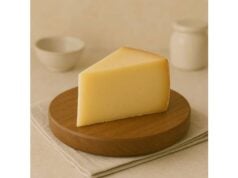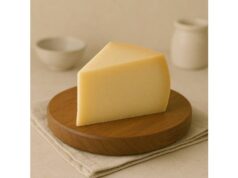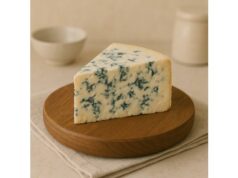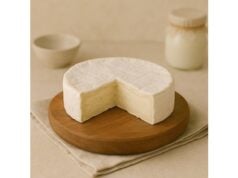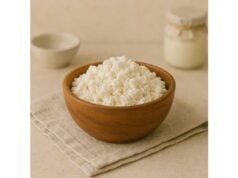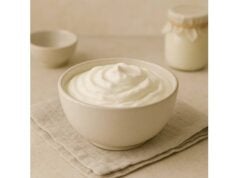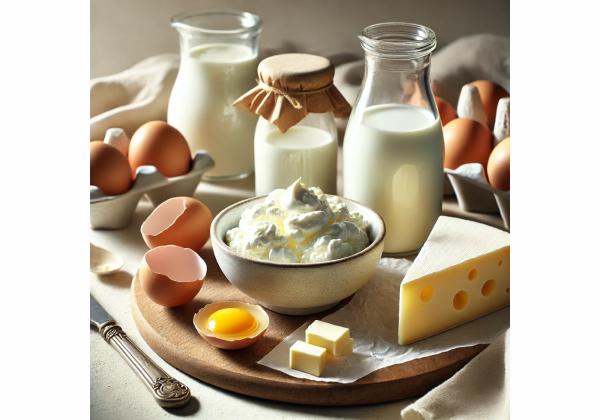
Quark cheese is a fresh, tangy, spoonable dairy staple that sits somewhere between Greek yogurt and ricotta. Made by gently acid-setting pasteurized cow’s milk, quark delivers concentrated high-quality protein with very little fat when you choose low-fat varieties. Its neutral flavor makes it a flexible base for both sweet breakfasts and savory meals—think fruit bowls, dips, sandwich spreads, baked cheesecakes, or a creamy finish to soups. Because it’s not aged or rennet-set like many cheeses, quark typically has a clean ingredient list and a soft, moist texture that blends easily. In nutrition terms, plain low-fat quark (about 0.2–0.5% fat) provides roughly 12 g protein per 100 g with modest calories and naturally occurring calcium. Compared with saltier cheeses, it’s usually low in sodium and saturated fat, which supports heart-conscious cooking. This guide walks you through what quark is, how it compares nutritionally, who benefits most, safety notes, and smart ways to buy, store, and cook it so you retain its nutrients and smooth texture.
At a Glance
- High-protein fresh cheese: ~12 g protein and about 66–70 kcal per 100 g.
- Naturally low in fat and sodium (plain, low-fat quark) with meaningful calcium.
- Safety first: choose pasteurized quark to reduce Listeria risk, especially in pregnancy.
- Typical serving: 150–170 g (about ¾ cup) up to several times per week as part of a balanced diet.
- People with diagnosed dairy allergy or severe lactose intolerance should avoid or limit.
Table of Contents
- Quark cheese, explained
- Nutrition profile per 100 g
- Evidence-based health benefits
- Risks, allergies and interactions
- Selecting, quality, sustainability and storage
- Preparation, cooking and nutrient retention
- Portions, comparisons and FAQs
Quark cheese, explained
Quark is a fresh, unripened cheese traditionally made by inoculating pasteurized milk with lactic acid bacteria until it gently curdles. The curd is then strained to remove some whey, producing a smooth, spoonable curd with a mild, clean tang. Unlike many cheeses, quark is not rennet-set and not aged, so its flavor stays light and its texture stays soft and spreadable. You will also see it labeled as “curd cheese,” “fresh quark,” “Magerquark” (low-fat) or simply “fresh cheese” in some European markets.
Styles and fat levels vary by brand and country. The most common options are:
- Low-fat quark (0.2–0.5% fat): Very high protein for its calories; neutral flavor; excellent for breakfast bowls, baking, and smoothies.
- Medium-fat quark (about 10% fat in dry matter): Slightly creamier mouthfeel; still protein-dense.
- Creamy/whole-milk quark (20–40% fat in dry matter): Custardy, richer body; ideal for cheesecakes, dessert creams, and dips where silkiness matters.
Because quark is fresh, it typically has a short ingredient list: milk, live cultures, sometimes a touch of salt. Stabilizers are uncommon in plain versions but can appear in flavored products. Quark’s casein-dominant protein profile makes it naturally thick without heavy straining, and its mild acidity pairs well with fruit, herbs, and spices. In savory cooking, you can whisk quark into mashed potatoes, fold it into scrambled eggs for extra creaminess, or blend it with roasted peppers and lemon as a lower-fat spread. In baking, you can replace part of the butter or cream cheese with quark to cut saturated fat while keeping moisture.
For shoppers balancing taste and nutrition, quark’s main advantage is its protein-to-calorie ratio and low sodium compared with most aged cheeses. If you are watching saturated fat or salt but want dairy’s protein and calcium, plain low-fat quark is a practical, versatile choice that fits breakfasts, snacks, and main meals.
Nutrition profile per 100 g
Reference style: Plain, unflavored low-fat quark (~0.2% fat). Values vary by brand and fat level; check labels for exact numbers. Medium-fat and creamy versions follow with additional notes.
Macros and electrolytes (per 100 g)
| Nutrient | Amount | %DV* |
|---|---|---|
| Energy | 66 kcal | — |
| Protein | 12.0 g | 24% |
| Total fat | 0.2 g | <1% |
| Saturated fat | 0.1 g | <1% |
| Carbohydrate (lactose) | 4.1 g | 1% |
| Total sugars | 4.1 g | — |
| Fiber | 0 g | — |
| Sodium | 40 mg | 2% |
| Potassium | 150 mg | 3% |
| Water | ~82 g | — |
Vitamins (per 100 g)
| Vitamin | Amount | %DV |
|---|---|---|
| Riboflavin (Vitamin B2) | 0.20 mg | 15% |
| Vitamin B12 | 0.9 µg | 38% |
| Vitamin A (RAE) | 20 µg | 2% |
| Folate (DFE) | 18 µg | 5% |
| Vitamin D | 0 µg | 0% |
Minerals (per 100 g)
| Mineral | Amount | %DV |
|---|---|---|
| Calcium | 120 mg | 9% |
| Phosphorus | 150 mg | 12% |
| Selenium | 7 µg | 13% |
| Iodine** | ~20–40 µg | 13–27% |
| Magnesium | 12 mg | 3% |
*%DV based on U.S. Daily Values (protein 50 g, saturated fat 20 g, carbohydrate 275 g, sodium 2300 mg, potassium 4700 mg, calcium 1300 mg, phosphorus 1250 mg, riboflavin 1.3 mg, vitamin B12 2.4 µg, vitamin A 900 µg RAE, vitamin D 20 µg, selenium 55 µg).
**Iodine varies widely with dairy region and feed; check regional data where available.
Fats and fatty acids (low-fat quark)
Total fat is minimal; saturated, monounsaturated, and polyunsaturated fatty acids are all present in trace amounts. Creamier quark styles contain more milk fat and therefore more saturated fatty acids per 100 g, but still vary by brand.
Protein and amino acids
Quark is rich in casein (slow-digesting) and provides all essential amino acids. Typical leucine content is roughly 1.0–1.2 g per 100 g serving in low-fat products, supporting muscle protein needs as part of balanced meals.
Glycemic and acid–base metrics
With ~4 g lactose per 100 g and high protein, quark has a low glycemic impact. Acid load is modest and comparable to other cultured dairy foods.
Allergens and intolerance markers
Contains milk proteins (casein, whey) and lactose. Plain low-fat quark is naturally gluten-free unless cross-contaminated in flavored products.
Additives and fortification
Plain quark typically has no added micronutrient fortification. Flavored versions may include sugar, fruit prep, or stabilizers; read ingredient lists.
Variations by fat level (per 100 g, typical label values)
| Style | Energy | Protein | Fat | Carbs | Calcium | Sodium |
|---|---|---|---|---|---|---|
| Low-fat (~0.2%) | 66 kcal | 12.0 g | 0.2 g | 4.1 g | 120 mg | ~40 mg |
| 10% fat i.d.m. | ~76 kcal | ~12 g | ~1.5 g | ~3.8 g | ~120 mg | ~40–60 mg |
| 20% fat i.d.m. | ~93 kcal | ~11.5 g | ~3.7 g | ~3.6 g | ~120 mg | ~50–70 mg |
| 40% fat i.d.m. | ~147 kcal | ~9.0 g | ~10 g | ~3.5 g | ~120 mg | ~60–90 mg |
Notes: “i.d.m.” denotes fat percentage in dry matter; values vary by manufacturer.
Evidence-based health benefits
Convenient high-quality protein. At roughly 12 g of complete protein per 100 g (about 18–20 g in a 150–170 g bowl), plain quark helps you hit per-meal protein targets many adults find hard to meet. Its casein-dominant profile digests more slowly than whey, which can help sustain fullness between meals. For people who prefer dairy’s taste and texture over powders, quark offers a familiar, low-ingredient option.
Calcium and bone support. Dairy foods are reliable contributors of calcium and phosphorus—two minerals central to bone mineralization. Regular inclusion of dairy foods within healthy dietary patterns has been associated with improved measures of bone mineral accrual in children and adolescents and supports lifelong bone health when combined with adequate vitamin D and weight-bearing activity. Quark’s calcium content per 100 g is modest but meaningful; in real meals, a cup provides roughly 10–15% of daily calcium, and it pairs well with fruits or nuts that add potassium and magnesium.
Lower saturated fat and sodium than many cheeses. If you are trying to moderate saturated fat and salt without giving up creamy textures, plain low-fat quark stands out. Compared with aged cheeses (which can deliver several grams of saturated fat and hundreds of milligrams of sodium per 30 g), quark typically has trace saturated fat and very low sodium. That makes it easier to season food yourself—adding lemon, herbs, spices, or a pinch of salt—while keeping totals moderate.
Weight-conscious cooking. Substituting quark for part of the cream cheese, mayonnaise, or sour cream in spreads and sauces can cut calories and saturated fat while preserving creaminess. Because it’s thick and tangy, you can use it as the dairy base for herb dips, baked cheesecakes, and chilled desserts, or to enrich soups off the heat.
Digestive comfort for many (but not all). Quark contains lactose—usually around 3–4 g per 100 g—yet some people with lactose intolerance tolerate modest portions, particularly when eaten with other foods. The exact threshold is individual; starting with smaller servings and assessing comfort is a practical approach.
Real-world versatility. Beyond breakfast bowls, quark blends smoothly into oatmeal, batters, and doughs; it can lighten mashed potatoes; and it adds body to smoothie bowls without turning watery. The combination of protein and mild acidity also makes it a useful marinade component for tenderizing lean meats.
Who benefits most?
- Active adults who need convenient protein at breakfast or snacks.
- People managing heart health who want lower-sodium, lower-saturated-fat cheese options.
- Cooks seeking flexibility: a single tub that works for sweet or savory recipes.
- Families: kid-friendly flavor with straightforward ingredients.
Risks, allergies and interactions
Pasteurization matters. The primary safety consideration for fresh cheeses is Listeria monocytogenes, a bacterium that can contaminate soft, moist dairy foods and cause serious illness in susceptible groups. Choosing pasteurized quark from reputable producers greatly reduces this risk. Pregnant people, older adults, and those with weakened immunity should avoid soft cheeses made from unpasteurized milk and should check labels carefully for the word “pasteurized.”
Allergy vs. intolerance.
- Milk allergy: Quark contains casein and whey; those with diagnosed cow’s-milk allergy must avoid it completely unless specifically cleared by an allergist.
- Lactose intolerance: Quark contains lactose. Some individuals tolerate small servings (for example, ½ cup) with meals; others do better with lactose-free dairy products. Symptoms such as bloating, gas, or diarrhea are your cue to reduce portion size or choose lactose-free alternatives.
Sodium and blood pressure. Plain quark is typically low in sodium, but flavored or savory quark products may add salt. If you monitor sodium, compare labels and choose plain versions, seasoning your dish yourself.
Medication and nutrient interactions.
- Antibiotics and probiotics: If your quark contains live cultures, they are generally food-level amounts; they are unlikely to interfere with medications, but always space antibiotics and cultured foods if your clinician recommends it.
- Thyroid considerations: Iodine content in dairy varies by region and feed. People with thyroid conditions who monitor iodine can account for quark’s contribution, which is moderate per 100 g.
Foodborne illness basics. Keep quark refrigerated at 4°C/40°F or colder, avoid cross-contamination with raw meats, and discard any product that smells sour beyond its normal tang, shows mold, or has been left out for more than two hours at room temperature.
Who should limit or avoid?
- Anyone with cow’s-milk allergy.
- Individuals with severe lactose intolerance who react even to small lactose amounts (consider lactose-free dairy alternatives).
- Pregnant people or those immunocompromised should consume only pasteurized quark and handle promptly under refrigeration.
Selecting, quality, sustainability and storage
How to choose a style that fits your goals
- For lean, high-protein meals: Pick low-fat or 0.2% quark. Aim for ≥11 g protein per 100 g and minimal added sugar.
- For creamy desserts and dips: Choose 20–40% fat in dry matter for silkier texture and richer flavor.
- For minimal ingredients: Look for plain quark with milk and cultures only. If you prefer flavored options, scan the ingredient list for sugar levels and stabilizers.
Reading labels like a pro
- Protein density: Divide protein grams by calories to compare brands quickly.
- Sodium: Plain quark often sits around 40–90 mg per 100 g—much lower than many cheeses.
- Sugar: Naturally occurring lactose is roughly 3–4 g per 100 g; higher numbers usually mean added sugars.
- Cultures: Some tubs list specific cultures. This indicates fermentation but doesn’t imply probiotic benefits unless the brand substantiates strain and dose.
Storage and shelf life
- Keep sealed quark refrigerated; observe the “use by” or “best before” date.
- Once opened, consume within 3–5 days for best flavor and safety. Always use clean utensils to avoid contamination.
- Do not freeze if you care about texture: freezing breaks the gel, leading to grainy, weepy curds after thawing. If you must freeze for cooking, plan to blend thawed quark into baked goods or sauces where texture matters less.
Quality cues
- Smell and taste: Quark should smell clean-dairy and mildly tangy, never sharp or yeasty.
- Texture: Smooth, creamy, and spoonable; avoid tubs with separation beyond a small amount of whey on top (you can stir that back in).
- Color: Uniform white to off-white.
Sustainability notes
- Dairy footprint varies by farm and region. If sustainability is a priority, look for local producers, certifications aligned with animal welfare, or packaging with recycled content. Because quark is fresh, buying locally can also mean shorter supply chains and fresher product.
Budget tips
- Larger tubs are often more economical per 100 g.
- Plain quark is the most versatile; sweeten or season it yourself to reduce cost and sugar.
Preparation, cooking and nutrient retention
Best uses for texture and nutrition
Quark shines in no-cook and low-heat applications. Stir it into fruit bowls, fold into overnight oats, or whisk with lemon, garlic, and herbs for an instant sauce. In baking, quark can replace part of higher-fat dairy while maintaining moisture. Because protein coagulates and whey can separate under high heat, treat quark gently.
Techniques that work
- Temper for sauces: Combine quark with a small amount of warm broth or pasta water off the heat, then fold into the dish at the end. This prevents curdling and preserves its creamy body.
- Bake at moderate heat: For cheesecakes or casseroles, bake between 150–165°C (300–325°F). Use a water bath for custards to minimize cracking and weeping.
- Bind and enrich: Replace part of mayonnaise or sour cream in dips at a 1:1 ratio, adjusting seasoning and acidity (lemon, vinegar, mustard) to taste.
- Marinades: Mix quark with lemon juice, spices, and a little oil to tenderize lean meats. The lactic acidity helps without the heaviness of cream.
- Smooth blending: For dressings or smoothie bowls, blend quark with liquid (milk or water) first to ensure a silky base before adding solids.
Retaining nutrients
- Protein: Heat doesn’t “destroy” protein, but high heat can cause separation. Gentle heat maintains the appealing texture and keeps protein where you want it—in the dish, not leaking as whey.
- Calcium and water-soluble vitamins: Keep cooking brief and moist; serve sauces promptly to avoid water separation that can take minerals with it.
- Sodium control: Build flavor with herbs, citrus, garlic, pepper, and roasted vegetables; add salt last, to taste.
Five quick recipes
- Herb quark spread: Quark + chopped chives, dill, lemon zest, and a pinch of salt; spread on rye toast or baked potatoes.
- Citrus breakfast bowl: Quark with orange segments, toasted almonds, and a drizzle of honey.
- Roasted pepper dip: Blend quark with roasted red peppers, smoked paprika, and olive oil; serve with crudités.
- Light cheesecake filling: Combine quark, eggs, a little sugar, vanilla, and lemon; bake gently.
- Creamy pasta finish: Off the heat, toss hot pasta with quark, grated hard cheese, pepper, and a splash of pasta water.
What not to do
- Do not boil quark in soups or sauces; it will split.
- Do not freeze for fresh uses; the texture becomes grainy after thawing.
Portions, comparisons and FAQs
How much is a typical portion?
A practical serving is 150–170 g (about ¾ cup), providing ~18–20 g protein, ~100–120 kcal, and ~6–7 g lactose. Many people enjoy quark several times per week within a balanced eating pattern.
How does quark compare with other dairy staples (per 100 g)?
| Dairy food (plain) | Energy | Protein | Fat | Carbs | Sodium |
|---|---|---|---|---|---|
| Quark, low-fat | ~66 kcal | ~12 g | ~0.2 g | ~4.1 g | ~40–90 mg |
| Greek yogurt, 2% | ~73 kcal | ~10 g | ~2 g | ~3.6 g | ~35–50 mg |
| Cottage cheese, 2% | ~81 kcal | ~11 g | ~2.3 g | ~3.4 g | ~340–380 mg |
| Ricotta, part-skim | ~138 kcal | ~11 g | ~7 g | ~3 g | ~100–150 mg |
| Cream cheese | ~342 kcal | ~6 g | ~34 g | ~4 g | ~300–350 mg |
Why choose quark? It brings Greek-yogurt-like protein, cream-cheese-like texture, and lower sodium than cottage cheese, with a neutral taste that takes on sweet or savory accents.
Can people with lactose intolerance eat quark?
It depends on individual tolerance and portion size. Start with ½ cup alongside other foods, monitor how you feel, and adjust. If symptoms persist, consider lactose-free dairy options or smaller portions.
Is quark a probiotic food?
Quark is fermented, but brands differ in whether live cultures remain at meaningful levels by the time you eat it. If probiotics are your goal, look for products that specify named strains and viable counts on the label.
Is quark suitable for kids?
Yes for most children, assuming no milk allergy. It’s a convenient way to add protein at breakfast or snacks. For toddlers, choose plain versions and add fruit for gentle sweetness.
How long does it last after opening?
Use within 3–5 days if kept cold and handled with clean utensils. Discard if it smells off, tastes unusually sharp, shows mold, or separates excessively.
What about flavored quark cups?
They can be higher in added sugars. Combine plain quark with fresh fruit, vanilla, cocoa, or a drizzle of honey to control sweetness and cost.
Can I cook with it like sour cream?
Yes—just add quark off the heat or use gentle baking temperatures. For hot soups, temper before stirring in.
References
- Check Labels! Make Sure Your Cheese is Pasteurized 2025 (Guidance)
- Preventing Listeria Infection 2025 (Guidance)
- Dietary Guidelines for Americans, 2020-2025 and Online Materials 2020 (Guideline)
- Lower Sodium 2024 (Guidance)
- Quark 2023 (Product Nutrition)
Disclaimer
This guide is educational and does not replace personalized advice from your physician, dietitian, or other qualified health professional. If you have a medical condition, food allergy, or specific nutrition goals, consult a healthcare professional for tailored recommendations. Always follow food safety guidance and check labels for pasteurization status and allergens.
If you found this article useful, please consider sharing it on Facebook, X (formerly Twitter), or any platform you prefer. Your support helps us keep producing clear, high-quality guides like this one—thank you.