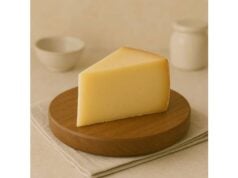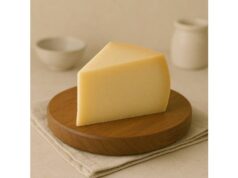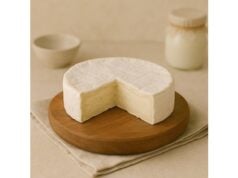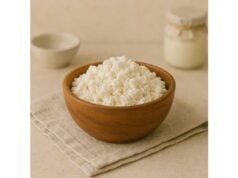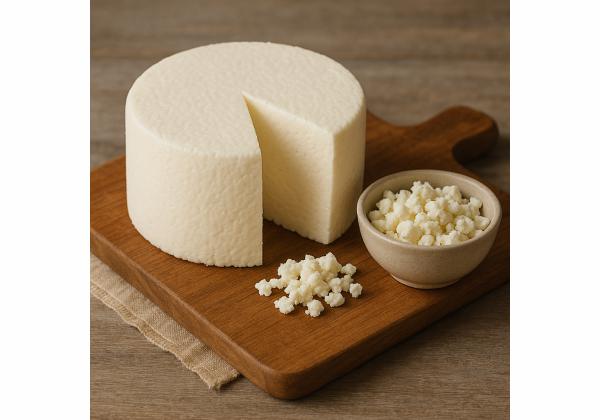
Queso fresco is the bright, fresh crumble that brings contrast and lift to tacos, roasted vegetables, tostadas, and summer salads. Mild, slightly tangy, and pleasantly salty, it is traditionally made by curdling warm milk with rennet and cultures, then lightly pressing and salting the curds. Because it is young and high in moisture, queso fresco softens with heat yet usually does not stretch or flow like melting cheeses; instead, it warms into creamy crumbles that keep their shape. Nutritionally, it offers complete protein, bioavailable calcium, and very low carbohydrates. The caveat is sodium and, for some people, lactose. Quality and safety matter, too: pasteurized milk products reduce risk, and careful refrigeration preserves flavor and texture. This guide explains what queso fresco is and how it differs from similar cheeses, what a typical 100 gram portion provides, the most relevant health benefits and risks, how to choose a good block, sustainable purchasing tips, cooking methods that keep nutrients and texture, and realistic portions with smart substitutions—so you can enjoy it more confidently and deliciously.
Key Takeaways
- Good source of protein and calcium with minimal carbohydrates per 100 g.
- Softens but does not melt; ideal for crumbling over hot or cold dishes.
- Use pasteurized milk queso fresco and refrigerate promptly to reduce Listeria risk.
- Typical serving: 30–40 g, enjoyed 3–4 times weekly within sodium goals.
- People with milk allergy or strict low-sodium needs should limit or avoid.
Table of Contents
- Queso Fresco: What It Is
- Queso Fresco Nutrition Profile
- Queso Fresco Health Benefits
- Queso Fresco Risks and Allergies
- Selecting Quality, Sustainability and Storage
- Preparation, Cooking and Nutrient Retention
- Portions, Comparisons and FAQs
Queso Fresco: What It Is
Queso fresco (“fresh cheese”) is a soft, white, Latin American cheese known for its clean dairy flavor, gentle tang, and lightly salty finish. It is traditionally produced by culturing pasteurized cow’s milk (sometimes blended with goat’s milk), setting the curd with rennet, and pressing briefly to expel whey without developing a rind. The result is a moist, tender cheese that crumbles when cut and softens on heat without becoming stringy. Many home recipes shortcut the process with an acid-set method; these versions are close in texture but usually milder and slightly less tangy than cultured, rennet-set styles.
Culinary behavior is central to queso fresco’s appeal. Sprinkle it cold over hot foods and it warms into creamy pebbles that cling to surfaces—perfect for tacos, enchiladas, chilaquiles, esquites, refried beans, and grilled vegetables. Crumbled into salads or fruit plates (think watermelon or mango with chili and lime), it adds cool richness and a savory counterpoint. Because it does not melt into puddles, you can bake it on top of stuffed peppers or tostadas without obscuring texture beneath. It also dissolves pleasantly into warm sauces when mashed with a bit of cooking liquid, creating a quick, creamy finish.
Queso fresco belongs to a family of fresh cheeses that includes queso blanco, cuajada, and farmer’s cheese. Compared with queso blanco, which is usually set by heat and acid only, queso fresco is often culture-ripened for several hours and salted slightly more assertively; it crumbles more readily and tastes a touch tangier. Compared with paneer, it is saltier and less bouncy; compared with feta, it is less acidic and usually far lower in brine.
Quality varies with milk freshness, pressing time, and salt level. A good block is bright white, moist but not wet, and yields to gentle pressure without turning pasty. Flavor should be clean, milky, and lightly tangy, with no sour or barnyard notes. In markets, you will find versions labeled “queso fresco,” “queso casero,” or “queso ranchero”; all share the same core use: a finishing cheese that lifts and balances savory, spicy, or sweet elements rather than dominating them.
Queso Fresco Nutrition Profile
The numbers below reflect typical values for a pasteurized, salted, cow’s-milk queso fresco. Actual labels vary by brand, moisture, and sodium content. Percent Daily Value (%DV) is based on standard adult DVs.
Macros and Electrolytes (per 100 g)
| Nutrient | Amount | %DV |
|---|---|---|
| Energy | 295 kcal | — |
| Protein | 18.5 g | 37% |
| Total Fat | 23.0 g | 30% |
| Saturated Fat | 14.0 g | 70% |
| Carbohydrates | 2.6 g | 1% |
| Total Sugars | 1.7 g | — |
| Dietary Fiber | 0 g | 0% |
| Sodium | 760 mg | 33% |
| Potassium | 90 mg | 2% |
| Cholesterol | 65 mg | — |
| Water | ~54 g | — |
Fats and Fatty Acids
| Nutrient | Amount | %DV |
|---|---|---|
| Monounsaturated Fat | 7.5 g | — |
| Polyunsaturated Fat | 0.7 g | — |
| Trans Fat | 0 g | — |
Vitamins
| Vitamin | Amount | %DV |
|---|---|---|
| Vitamin A (RAE) | 210 µg | 23% |
| Vitamin B12 (Cobalamin) | 1.6 µg | 67% |
| Riboflavin (Vitamin B2) | 0.30 mg | 23% |
| Niacin (Vitamin B3) | 0.2 mg | 1% |
| Folate | 12 µg | 3% |
| Choline | 16 mg | 3% |
Minerals
| Mineral | Amount | %DV |
|---|---|---|
| Calcium | 520 mg | 40% |
| Phosphorus | 360 mg | 29% |
| Zinc | 2.3 mg | 21% |
| Selenium | 13 µg | 24% |
| Magnesium | 22 mg | 5% |
| Iron | 0.2 mg | 1% |
Allergens and Intolerance Markers
- Milk proteins: Contains casein and whey; strictly avoid with confirmed milk allergy.
- Lactose: Fresh cheeses retain more lactose than long-aged cheeses, but servings are small; many people with lactose intolerance tolerate 30–40 g portions with meals.
- Sodium: Brined or more heavily salted brands can exceed 800 mg sodium per 100 g. Compare labels if you manage blood pressure or fluid status.
Glycemic and Acid–Base Notes
- Glycemic impact: Very low—carbohydrate content is minimal and mostly lactose.
- Dietary acid load: Like most cheeses, contributes to net acid load; pair with vegetables and fruit to balance meals.
Notes: Values reflect non-fortified cheese. Some mass-market products may add acidulants to standardize curd formation; these do not change macro- or mineral content meaningfully. Always defer to your brand’s label for precise data.
Queso Fresco Health Benefits
Convenient complete protein. Queso fresco delivers roughly 18–19 g protein per 100 g, so a standard 30–40 g serving adds 5–7 g complete protein with very little carbohydrate. That makes it a practical way to distribute protein across breakfast, lunch, and dinner—useful for appetite control, recovery after activity, or meeting needs during life stages with higher protein demand.
Efficient calcium delivery. With about 520 mg calcium per 100 g, queso fresco provides a concentrated, highly bioavailable source that supports bone mineralization, muscle contraction, and nerve signaling. Because the cheese is salty and flavorful, you can use modest amounts to raise daily calcium without adding sugars or starches.
Nutrient matrix advantages. Dairy foods contain more than just calcium and protein; phosphorus, zinc, and vitamin B12 contribute to energy metabolism, immune function, and red blood cell formation. Emerging clinical evidence suggests that, within balanced diets and moderate portions, cheese can fit into cardiometabolic eating patterns without worsening blood lipids. In practice, the context matters: when queso fresco replaces refined carbs or ultra-salty toppings and shares the plate with fiber-rich foods, the overall pattern can remain cardiometabolically sound.
Satiety and flavor leverage. The combination of protein, fat, and salt amplifies taste and satisfaction. A tablespoon or two of crumbled queso fresco can make a bowl of beans and roasted vegetables feel complete, helping you eat more plants without relying on heavy sauces. Because the flavor is gentle, acids (lime, tomato) and heat (chiles) shine—encouraging meals built on vegetables, legumes, and whole grains.
Culinary versatility that enables healthier choices. Queso fresco’s non-melting crumble means you can finish hot dishes without a thick cheese layer. Browned crumbles over grilled zucchini, corn, or mushrooms give texture and richness while keeping portions modest. In soups and stews, mashing a small amount into the broth adds body and dairy notes in place of cream.
Who may benefit most.
- Vegetarians and flexitarians seeking complete protein to complement legumes and grains.
- People moderating carbohydrates, since the cheese adds protein and flavor with minimal carbs.
- Cooks pursuing lower-waste meals: a small amount of a flavorful finishing cheese helps leftovers feel new without heavy additions.
Remember that benefits hinge on the whole meal pattern: portion size, sodium targets, and what the cheese displaces are decisive.
Queso Fresco Risks and Allergies
Soft cheeses and Listeria risk. Fresh, high-moisture cheeses made with unpasteurized milk have been linked to outbreaks of Listeria monocytogenes, a pathogen that can grow at refrigerator temperatures. Illness can be severe for pregnant people, newborns, older adults, and those with weakened immunity. Reduce risk by choosing products made with pasteurized milk, keeping them at or below 40°F (4°C), observing “use by” dates, and avoiding cross-contamination. If buying from a market stall or deli, ask how the cheese is made and stored; if information is unclear, skip it—especially if you are pregnant or immunocompromised.
Sodium considerations. Brining and salting preserve freshness and flavor but raise sodium. A 40 g serving can provide 300–350 mg sodium depending on brand. If you are managing blood pressure or fluid balance, compare labels and choose lower-sodium options. You can also crumble the cheese, rinse briefly under cool water, and pat dry; this removes surface brine without dulling flavor excessively.
Saturated fat and overall diet. Queso fresco contains about 14 g saturated fat per 100 g, so serving size matters. In heart-healthy patterns, modest portions can fit when most fats come from unsaturated sources (olive oil, nuts, seeds, fish). Balance the plate with vegetables, legumes, and whole grains, and keep cheese as a flavorful accent rather than the main course.
Allergy and intolerance.
- Milk allergy: Avoid entirely. Reactions can be immediate and severe.
- Lactose intolerance: Because it is fresh, queso fresco retains more lactose than long-aged cheeses; many people tolerate 30–40 g portions with meals, but individual thresholds vary. Lactase tablets or lactose-free alternatives can help if needed.
Medication and condition notes. There are no common drug–nutrient interactions unique to queso fresco. People with conditions that require strict sodium restriction (e.g., certain kidney, heart, or liver diseases) should count cheese sodium carefully. Immunocompromised individuals should avoid unpasteurized soft cheeses and ensure strict cold-chain handling.
Storage and food safety at home. Keep refrigerated, limit time at room temperature, and consume within 5–7 days after opening. Discard if the surface becomes slimy, the smell turns sharp or yeasty, or mold develops (fresh cheeses are not trimmed like aged blocks—when in doubt, throw it out). For homemade versions, sanitize equipment, use pasteurized milk, cool rapidly, and label with the make date.
Selecting Quality, Sustainability and Storage
What to look for on the label.
- Ingredients: Milk, cultures, rennet, and salt are typical. Short ingredient lists signal a minimally processed cheese. Some brands add calcium chloride or lactic/citric acid to standardize curd; these are common in fresh cheeses.
- Milk source and pasteurization: Prefer pasteurized milk for safety, particularly for pregnant people and anyone at higher risk of infection. Cow’s milk is most common; goat blends are tangier.
- Sodium per 100 g: Brands vary widely (e.g., 600–900 mg). If you are sodium-conscious, choose the lower end.
- Date codes: Select the farthest “use by” date and ensure packaging is cold, sealed, and free of trapped air.
Quality cues in the package. The cheese should be bright white, slightly moist, and firm enough to crumble cleanly. Avoid packages with pooled whey or yellowing edges. If buying from a deli, ask for a fresh cut from a recently opened block.
Sustainable and ethical choices.
- Local dairies: Buying closer to home can reduce transport emissions and support regional producers.
- Animal care and stewardship: Some brands share third-party certifications or animal-welfare standards—use these to guide purchases.
- Packaging: Vacuum-sealed pouches usually use less plastic than tubs and extend freshness; choose recyclable options where available.
- Food waste reduction: Pick a size you will finish in a week. A smaller block fully used is better than a large block wasted.
Storage best practices.
- Temperature: Keep at 34–40°F (1–4°C); store in the main compartment, not the door.
- Wrapping: After opening, rewrap tightly or transfer to an airtight container lined with parchment; this limits moisture loss and odor transfer.
- Shelf life: Opened pasteurized queso fresco keeps 5–7 days; unopened, follow the “use by” date.
- Freezing: Possible but not ideal. Thawed cheese can weep and become mealy; if you must freeze, portion in 30–50 g pieces and use in cooked dishes within 1–2 months.
Budget and accessibility tips. Store brands often match national brands in quality; what varies most is salt level and moisture. If you cook for one or two, buy half-blocks or split a large block with a friend. Crumble your own rather than buying pre-crumbled tubs to save money and reduce surface area exposure.
Preparation, Cooking and Nutrient Retention
How queso fresco behaves on heat. Because it is fresh, lightly pressed, and higher in moisture, queso fresco softens and warms rather than forming long strings. On a hot surface, surface moisture evaporates and proteins firm up slightly; crumbles keep their shape while the interior becomes creamy. This makes it a finishing cheese that adds contrast and richness without blanketing a dish.
Techniques to keep nutrients and texture.
- Crumbly finish: Crumble onto hot foods at the table—tacos, pozole, enchiladas, roasted squash. Brief heat exposure warms the cheese without leaching minerals into cooking liquid.
- Quick fold-in: For soups or beans, turn off the heat and stir in the cheese during the last minute; it will soften and integrate without prolonged simmering.
- Griddle crisp: Press thin slices between paper towels to dry, then sear on a lightly oiled griddle. You will get golden spots and a tender center—excellent for tostadas or breakfast plates.
- Marinate briefly: Toss cubes with lime juice, minced garlic, and herbs for 15–20 minutes. Acid boosts flavor so you can use less salt.
- Balance with produce: Pair with vitamin-C–rich salsas, tomatoes, peppers, or citrus to create high-flavor, plant-forward meals.
Everyday recipe ideas.
- Roasted veggie bowls: Charred zucchini, corn, and onions over quinoa, finished with crumbled queso fresco, cilantro, and lime.
- Watermelon, cucumber, and chili: Cold fruit salad with a modest sprinkle of cheese and a dusting of chili-lime seasoning.
- Chilaquiles verdes: Toss baked tortilla chips with tomatillo salsa, top with queso fresco, sliced radish, and onion.
- Black bean soup: Mash a spoonful of queso fresco into the broth for body; finish with crumbles and scallions.
- Stuffed poblanos: Fill with rice, black beans, and vegetables; top with queso fresco and bake until the cheese just warms.
Safety while cooking. Use clean cutting boards and knives, keep the cheese chilled until prep time, and return leftovers to the fridge within 2 hours (within 1 hour if above 90°F/32°C). Reheat leftovers to steaming hot and eat within 2–3 days.
Flavor without excess sodium. Build brightness with acids (lime, vinegar), aromatics (garlic, scallion), spices (cumin, coriander), and fresh herbs so smaller cheese portions satisfy fully.
Portions, Comparisons and FAQs
How much to serve. A practical serving is 30–40 g (about 2–3 tablespoons crumbled). That yields roughly 90–120 kcal, 5–7 g protein, 7–9 g fat, and 200–320 mg sodium depending on brand. Most adults can enjoy queso fresco 3–4 times per week as a garnish or accent within individual sodium and saturated-fat goals.
How queso fresco compares.
- Queso blanco: Close cousin but often acid-set and a bit firmer on heat. Queso fresco is typically tangier and more crumbly.
- Cotija: Aged, saltier, and drier; more like a grating cheese. Use much smaller amounts to keep sodium in check.
- Feta: Brined and sharper; higher sodium per gram but a similar crumble. Flavor is stronger, so smaller portions can suffice.
- Paneer: Firmer and less salty; better for pan-frying in cubes. Nutrition is broadly similar, but sodium is usually lower.
- Fresh mozzarella: More elastic and meltable with higher moisture; different in cooking behavior and flavor.
Is queso fresco lactose-free? No. It contains less lactose than milk, but more than long-aged cheeses. Many people with lactose intolerance tolerate small portions with meals; test your personal threshold.
Safe during pregnancy? Yes—if made with pasteurized milk and stored properly. Avoid unpasteurized soft cheeses and any product past its “use by” date.
Can I make it at home? Yes. A cultured, rennet-set version yields the most authentic texture and tang, but an acid-set “quick” queso fresco is also popular. Always use pasteurized milk, sanitize equipment, and chill the finished cheese promptly.
Best way to store after opening? Wrap tightly or keep in an airtight container at 34–40°F (1–4°C). Use within 5–7 days for best flavor and safety.
How do I keep portions in check? Crumble the cheese very finely and sprinkle from a small bowl rather than slicing thick slabs. Pair with bold, low-sodium flavors (lime, pickled onions, charred chiles) to make modest amounts feel satisfying.
What are good substitutes? For similar behavior: queso blanco (slightly firmer), farmer’s cheese (milder), paneer (firmer, less salty). For stronger flavor in smaller amounts: feta or cotija.
References
- Queso Fresco-type Cheeses Consumer Guidance 2025 (Guidance)
- Listeria Outbreak Linked to Queso Fresco and Cotija Cheese – February 2024 2024
- Dietary Guidelines for Americans, 2020-2025 2020 (Guideline)
- Effects of dairy intake on markers of cardiometabolic health: a systematic review and meta-analysis of randomized controlled trials 2023 (Systematic Review and Meta-analysis)
Disclaimer
This guide is for general education and is not a substitute for personalized medical advice, diagnosis, or treatment. Speak with a qualified health professional about your specific needs, especially if you are pregnant, immunocompromised, managing cardiovascular, kidney, or metabolic conditions, or have food allergies. If you suspect a foodborne illness, seek medical care and follow local reporting guidance.
If this article helped you, please consider sharing it on Facebook, X (formerly Twitter), or any platform you prefer. Your support helps us continue creating clear, evidence-informed resources.