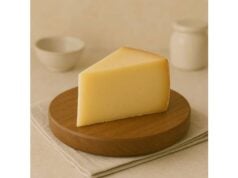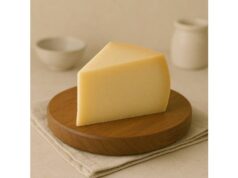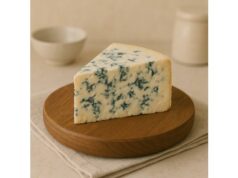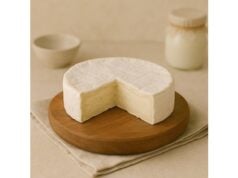
Raclette is the alpine original for cozy, crowd-pleasing melts—a supple, washed-rind cheese that turns silky under gentle heat and blankets potatoes, vegetables, bread, and charcuterie with nutty depth. Traditionally scraped from a warmed wheel in Switzerland and France, it’s now just as comfortable broiled at home on weeknights. Beyond its signature stretch, raclette delivers high-quality protein and abundant calcium with virtually no carbohydrates, making it adaptable to many eating patterns. Flavor varies by milk treatment and aging: young wheels taste buttery and mild; longer-ripened versions are more savory, with a hint of cellar aromatics. Because it’s typically aged and semi-soft, raclette is lower in lactose than fresh cheeses, yet still rich and satisfying—so portions matter for sodium and saturated fat. With a little planning, you can enjoy raclette as a centerpiece or as a smart accent that holds vegetable-heavy meals together. This guide distills the benefits, nutrition, purchasing tips, and safe handling strategies, plus practical techniques to get restaurant-quality melts at home.
Top Highlights
- High-quality protein (~25 g/100 g) and calcium (~500 mg/100 g) support muscle and bone health.
- Choose pasteurized raclette and keep refrigerated; skip raw-milk soft/semi-soft cheeses if pregnant or immunocompromised.
- Typical portion: 30–60 g per meal, a few times per week within a balanced diet.
- People with milk allergy or on tyramine-restricted plans (e.g., MAOIs, linezolid) should avoid or limit aged cheeses.
Table of Contents
- Raclette Cheese: Detailed Overview
- Raclette Nutrition Profile
- Raclette: Evidence-Based Health Benefits
- Raclette Risks, Allergies and Interactions
- Selecting, Quality, Sustainability and Storage
- Preparation, Cooking and Nutrient Retention
- Portions, Comparisons and FAQs
Raclette Cheese: Detailed Overview
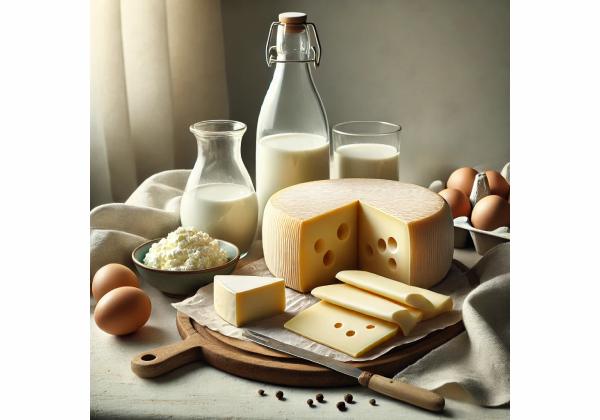
Raclette is a semi-hard, washed-rind cheese traditionally made from cow’s milk and matured about 2–3 months (longer for “reserve” styles). The hallmark is how it melts: the paste becomes flowing and glossy while retaining gentle elasticity, ideal for scraping over boiled or roasted potatoes, vegetables, bread, and cured meats. The rind is washed during aging, encouraging surface microflora that contribute to a savory, slightly earthy aroma. Inside, the pale ivory paste is supple and dotted with tiny openings from gas produced during fermentation.
Flavor and texture. Young raclette is mellow, buttery, and faintly nutty; longer aging deepens saltiness and brings roasted, meaty notes. Compared with Gruyère, raclette is creamier and more melt-forward; compared with Emmental, it is less sweet and more savory. In cooking, it softens at relatively low temperatures, pools evenly, and clings to ingredients without splitting into oil and solids when heated with care.
Milk and make. You’ll find pasteurized, thermized, and raw-milk versions from Switzerland, France, and other alpine-style producers worldwide. Pasteurized raclette offers broad accessibility and predictable safety; raw-milk wheels can amplify complexity but require careful sourcing and storage. Fat content is typically similar to classic alpine cheeses, with whole-milk versions delivering richer mouthfeel. Some brands offer smoked raclette for a campfire aroma without the need for charcoal.
Culinary roles beyond the classic. Raclette performs in gratins, tartines, croque-style sandwiches, savory tarts, stuffed mushrooms, and skillet bakes. Thin slices are excellent for quick “sheet-pan” melts over broccoli, cauliflower, or Brussels sprouts. Because it brings both flavor and structure, raclette can replace heavier sauces: a modest layer binds fillings and adds satisfaction.
Who it suits. Home entertainers who want a convivial centerpiece; busy cooks who want reliable, delicious meltability; people seeking protein-dense, low-carb toppings; and anyone looking to make vegetables feel like the main event.
Quick buying cue. Look for a smooth, slightly tacky rind (if not pre-trimmed), an even paste free of cracks, and a clean, dairy-savory aroma—no harsh bitterness or ammonia. Pre-sliced packs are convenient; wheels or half-wheels offer superior freshness when sliced to order.
Raclette Nutrition Profile
Values below reflect typical raclette cheese per 100 g from widely available retail products. Exact numbers vary by brand, aging time, and moisture. Use these as a practical reference and check your label when precision matters.
Macros & Electrolytes (per 100 g)
| Nutrient | Amount | %DV* |
|---|---|---|
| Energy | 350 kcal | — |
| Protein | 25.0 g | 50% |
| Total fat | 25.0 g | 32% |
| Saturated fat | 15.0 g | 75% |
| Carbohydrate | 0.0 g | 0% |
| Total sugars | 0.0 g | — |
| Sodium | 800 mg | 35% |
| Potassium | 0 mg | 0% |
| Cholesterol | 75 mg | — |
Key Minerals (per 100 g)
| Mineral | Amount | %DV* |
|---|---|---|
| Calcium | 500 mg | 38% |
| Sodium | 800 mg | 35% |
Fats & Fatty Acids (per 100 g)
| Component | Amount | %DV* |
|---|---|---|
| Saturated fatty acids | 15.0 g | 75% |
| Trans fatty acids | 0 g | — |
| Monounsaturated + polyunsaturated | present | — |
Allergens & Intolerance Markers
- Contains milk proteins (casein, whey).
- Lactose: naturally reduced with aging; not lactose-free. Individual tolerance varies.
- Tyramine: can accumulate as cheeses age; relevant to certain medications (see Risks section).
*%DV based on U.S. reference values (2,000 kcal/day): Protein 50 g; Total fat 78 g; Saturated fat 20 g; Carbohydrate 275 g; Sodium 2,300 mg; Calcium 1,300 mg; Potassium 4,700 mg. Not all nutrients have established DVs.
Label notes and additives. Typical ingredients are pasteurized milk, salt, cultures, and microbial rennet/enzymes. Some brands add calcium chloride to improve curd firmness; this does not materially change nutrition at typical levels. Fortification is uncommon.
Interpreting the numbers. A 30 g slice provides roughly 105 kcal, 7.5 g fat (about 4.5 g saturated), 7.5 g protein, 240 mg sodium, and 150 mg calcium. Raclette is concentrated nutrition; using modest amounts as a binder or topping lets you capture protein and calcium while controlling saturated fat and salt.
Raclette: Evidence-Based Health Benefits
Bone and dental health from bioavailable calcium and protein. Cheese provides readily absorbed calcium alongside high-quality milk proteins that supply essential amino acids for bone matrix and tissue repair. In dietary patterns that include dairy, observational syntheses and scoping reviews generally report neutral to modestly favorable associations with musculoskeletal outcomes and nutrient adequacy. Raclette’s calcium density (~500 mg/100 g) makes it a practical way to raise meal calcium when used thoughtfully with vegetables and legumes.
Cardiometabolic context: typically neutral, sometimes favorable. Contemporary reviews of dairy intake suggest that, within balanced patterns, cheese consumption is not associated with increased cardiovascular risk and may show modestly beneficial associations for certain endpoints. Possible mechanisms include calcium-fatty acid complexes that reduce fat absorption, fermentation-derived peptides that modestly affect vascular tone, and substitution effects when cheese displaces ultra-processed toppings. These signals are small; benefits are most plausible when raclette is part of minimally processed, plant-forward meals rather than added to already rich dishes.
Protein for satiety and muscle maintenance. Raclette delivers about 7–8 g protein per 30 g slice with a robust leucine content typical of cow’s-milk cheeses. Pairing raclette with potatoes and non-starchy vegetables increases gastric distension and slows gastric emptying, which can enhance satiety and help moderate portions across the meal.
Low carbohydrate, steady energy. With ~0 g carbohydrates, raclette fits low-carb or carbohydrate-controlled approaches. That does not make it “free”: calorie density is high, and sodium and saturated fat still count. But as a topping or binder, raclette adds satisfaction without spiking sugars—useful for mixed meals where carbohydrate comes from potatoes, bread, or grains.
Behavioral leverage in vegetable-rich cooking. Melted raclette can make produce-forward plates feel indulgent. A tray of roasted root vegetables or brassicas becomes more appealing with a thin layer of raclette broiled until blistered, encouraging higher vegetable intake while you keep cheese to a measured amount.
What not to expect. Raclette is not a cure-all. It will not offset the effects of a high-sodium, highly processed diet, nor does it provide vitamin D unless the rest of the meal supplies it. Its advantages show up when portions are reasonable and meals emphasize produce, legumes, and whole grains.
Raclette Risks, Allergies and Interactions
Milk allergy. People with IgE-mediated cow’s-milk allergy must avoid raclette. Heating does not reliably reduce allergenicity because casein and whey proteins persist.
Lactose intolerance. Aging reduces lactose, so raclette may be better tolerated than fresh cheeses. Still, sensitivity varies. Many people do well with 15–30 g portions eaten with other foods. If you experience bloating, gas, or diarrhea, reduce the amount, pair with fiber-rich sides, or use lactase products as advised by a clinician.
Tyramine and medications. Aged cheeses can accumulate tyramine, which can trigger dangerous blood-pressure spikes in people taking monoamine oxidase inhibitors (MAOIs) or linezolid. If you use these medications (or have recently stopped MAOIs), follow your care team’s tyramine-restricted plan and avoid aged cheeses unless specifically cleared.
Pregnancy and food safety. Choose pasteurized raclette and ensure refrigeration. Avoid raw-milk soft or semi-soft cheeses unless the cheese is heated until steaming hot in the dish. For everyone, but especially for pregnant individuals, older adults, and those with weakened immunity, good cold-chain handling matters.
Sodium and blood pressure. Raclette contributes ~240 mg sodium per 30 g. For salt-sensitive blood pressure, measure your portions and balance the rest of the plate with low-sodium foods: unsalted potatoes, steamed vegetables, fresh herbs, citrus, and vinegars.
Saturated fat and LDL-C. A 30 g slice contains ~4.5 g saturated fat. If you are managing LDL cholesterol, keep daily saturated fat within recommended limits. Useful levers include trimming processed meats from the raclette board, emphasizing vegetables, and using thinner slices.
Histamine and biogenic amines. Washed-rind cheeses can develop histamine during ripening. If you are sensitive to histamine, trial very small portions or choose fresher, milder cheeses after discussing with a clinician.
At-home safety basics. Refrigerate at ≤4 °C (≤40 °F). Discard cheese left at room temperature for >2 hours (or >1 hour if ambient is above 32 °C/90 °F). Avoid cross-contamination with raw meats. If surface mold appears on a cut piece, trim with a 2.5 cm (1-inch) margin around and below the spot; discard if the paste is slimy, smells strongly of ammonia, or tastes bitter.
Selecting, Quality, Sustainability and Storage
How to choose a good raclette.
- Milk treatment: Pasteurized options suit most households; raw-milk wheels offer complexity but require strict cold-chain handling.
- Age statement: Young (≈2–3 months) melts gently with sweet, buttery notes; reserve styles (longer aged) are firmer, saltier, and more aromatic.
- Origin: Raclette du Valais AOP (Switzerland) and regional French raclettes are benchmarks. Domestic alpine-style versions can be excellent; sample brands to match your taste and budget.
- Appearance & aroma: The paste should be even, supple, and slightly shiny when cut; the washed rind should smell savory and clean, not acrid. Excess moisture in packages, cracks, or ammonia notes suggest poor handling.
Smart shopping and storage.
- Pack size: Buy what you’ll use in 7–10 days once opened; whole or half-wheels keep best, but pre-sliced packs are convenient.
- Wrapping: For cut pieces, wrap in cheese paper or parchment, then place in a loose bag or vented container to balance humidity and airflow. Avoid tight plastic wraps that trap moisture and accelerate rind breakdown.
- Placement: Store in the vegetable drawer or a cheese bin where temperature and humidity are stable.
- Shelf life: Unopened wedges usually keep 2–6 weeks refrigerated; once opened, target 7–14 days for peak quality. Pre-sliced packs are best within 5–7 days after opening.
- Freezing: Acceptable for cooked dishes only. Slice or grate, then freeze in thin layers up to 2 months; thaw overnight in the refrigerator.
Sustainability pointers.
- Portion planning reduces waste. Food waste carries its own carbon cost; plan portions with your guest count.
- Packaging choices. Vacuum packs minimize spoilage; choose sizes that match your usage.
- Dietary pattern matters most. A plant-forward table—potatoes, pickled vegetables, mushrooms, and greens—with modest raclette portions lowers environmental footprint compared with meat-heavy boards.
- Producer transparency. When available, favor producers that disclose animal-care standards, pasture access, and energy use; improvements in feed and manure management can reduce emissions.
Label cues to decode.
- “Smoked” raclette: Adds aroma; sodium may be slightly higher.
- “Lactose free”: Some regions label long-aged cheeses as effectively lactose-free; check local regulations and your tolerance.
- “Thermized”: Milk heated below pasteurization; treat product handling with the same care as raw-milk cheeses.
Preparation, Cooking and Nutrient Retention
Classic service, simplified.
- Tabletop raclette grill: Arrange thin slices over crocks or paddles; warm until bubbling at the edges, then scrape over steamed or roasted potatoes, sautéed mushrooms, blanched broccolini, or crisp bread.
- Broiler method: Place sliced raclette on a parchment-lined pan, broil on the middle rack until just melted and spotting, then slide onto vegetables or toast.
- Skillet melts: For tartines and grilled sandwiches, use medium heat; cover briefly to concentrate heat without scorching.
Technique tips for perfect melts.
- Gentle heat wins. Pull from heat when the surface glosses and flows. Overheating drives oil off the curd and toughens proteins.
- Uniform thickness. Slice 2–3 mm thin for fast, even melts; thicker slices can pool oil before the center softens.
- Moisture management. Drain cooked vegetables well. Excess water can cause splitting; a dry surface helps cheese adhere.
- Acid and crunch. Build plates with quick pickles, cornichons, mustard, radishes, and lemon to balance richness and lift flavors.
- Salt smarts. Raclette brings salt; keep other components low-sodium and season with herbs and acids instead of more salt.
Nutrition in the pan.
- Protein and minerals withstand normal cooking.
- Fat can visibly separate with aggressive heat—this does not “reduce calories”; it just diminishes texture.
- Sodium is unchanged by cooking; total dish sodium depends on sides and condiments.
- Lactose persists with heat; cooking does not make aged cheeses lactose-free if they are not already.
- Portion strategy: Aim for 30–60 g per person in frequent meals; reserve 100–150 g portions for occasional feasts.
Balanced raclette meal ideas.
- Vegetable board first. Roast potatoes, cauliflower, Brussels sprouts, mushrooms, and leeks; keep charcuterie minimal.
- Legume lift. Add warm lentils with herbs or white beans with lemon and olive oil; a little raclette binds everything together.
- Whole-grain swaps. Use rye bread or whole-grain baguette to add fiber and texture.
- Fresh finishes. Shower with parsley, chives, or dill; add a crisp salad to reset the palate between bites.
Portions, Comparisons and FAQs
Portion guidance that works.
- For everyday meals, 30–60 g (1–2 thin slices) provides satisfying melt, ~210–420 kcal, 15–30 g fat, 15–30 g protein, 240–480 mg sodium, and 150–300 mg calcium.
- For special raclette nights, 100–150 g per person is common; balance the table with vegetables, fruit, and plenty of water or tea.
How raclette compares (per 100 g, typical).
- Raclette vs. Gruyère: Similar calories and protein; raclette melts more fluidly and tastes creamier; Gruyère is nuttier and often saltier.
- Raclette vs. Emmental: Both melt smoothly; Emmental is sweeter with larger eyes; raclette is more savory with a washed-rind aroma.
- Raclette vs. Fontina: Fontina is soft-melt and buttery; raclette brings a bolder rind-driven savoriness.
- Raclette vs. mozzarella: Mozzarella is lower in sodium and saturates per 100 g but also lower in calcium (fresh styles) and less flavorful when broiled alone.
Calorie-savvy tactics.
- Build a vegetable-first platter, then add raclette as a garnish rather than the main course.
- Use thinner slices and layer over high-volume vegetables to stretch flavor.
- Favor boiled or roasted potatoes over fried sides; swap charcuterie for mushrooms or lentils to lower saturated fat and sodium.
FAQs
Is raclette low in lactose?
Aged cheeses like raclette tend to be low in lactose, though not necessarily lactose-free. Many people with lactose intolerance tolerate small servings, especially with meals.
Is raclette safe during pregnancy?
Yes—when pasteurized and stored properly. Avoid raw-milk soft/semi-soft cheeses unless the dish is heated until steaming hot just before serving.
Can I freeze raclette?
Yes for cooked uses. Freeze thin slices or grated cheese up to 2 months; expect a drier texture after thawing.
What is the best substitute if I cannot find raclette?
Gruyère, Fontina, mild young Appenzeller, or low-moisture mozzarella can stand in depending on the dish; adjust seasoning for salt and aroma.
How do I manage sodium?
Measure the cheese, choose unsalted sides, and rely on acids (lemon, vinegar) and herbs for brightness.
References
- Emmi Schweiz Ag – Pure Classic Swiss Raclette Cheese, Classic (2024)
- Preventing Listeria Infection (2025)
- Eating, Diet, & Nutrition for Lactose Intolerance (2025)
- Milk and dairy products – a scoping review for Nordic Nutrition Recommendations 2023 (2024)
- MAOI (Monoamine Oxidase Inhibitors) Diet Sheet (2022)
Disclaimer
This guide is educational and does not replace personalized medical advice, diagnosis, or treatment. If you have milk allergy, lactose intolerance, hypertension, high cholesterol, or take medications such as MAOIs or linezolid, consult your healthcare professional or a registered dietitian for individualized guidance. Food safety recommendations—especially regarding pasteurization and refrigeration—are essential during pregnancy, older age, and immunocompromising conditions.
If this article helped you, please consider sharing it on Facebook, X (formerly Twitter), or any platform you prefer. Your support helps us continue creating clear, evidence-based resources. Thank you.