Raspberries are small, fragrant powerhouses that bring color, texture, and surprising nutrition to everyday meals. Behind their delicate drupelets lies an unusual combination for fruit: very high fiber, meaningful vitamin C, and a broad mix of polyphenols—especially anthocyanins and ellagitannins—that contribute both color and potential health benefits. Their tart-sweet profile fits as easily into yogurt bowls and salads as it does into sauces, dressings, and desserts. Fresh berries shine in season, while frozen raspberries keep quality steady and cost predictable year-round. Because raspberries are tender and perishable, a few smart handling habits prevent waste and preserve nutrients. This guide walks through the essentials: what to know about varieties and flavor; a precise, per-100-gram nutrition profile; the most credible evidence on benefits; safety notes and allergen considerations; how to choose, store, and prep for best quality; and practical portions and swaps that help you use raspberries more often—with less sugar and more satisfaction.
Nutrition Snapshot
- Per 100 g, raspberries provide about 52 kcal, 6.5 g fiber (≈23% DV), and ~26 mg vitamin C (≈29% DV).
- Anthocyanins and ellagitannins supply color and antioxidant capacity; frozen berries retain much of this if handled gently.
- Typical serving: 1 cup fresh (≈120–150 g) or ¾ cup frozen, 3–5 times per week as part of varied fruit intake.
- Safety caveat: raspberries can trigger oral allergy symptoms in people sensitized to birch or related pollens; introduce cautiously if affected.
- Who should limit: those advised to follow a temporary low-fiber diet (e.g., during an acute GI flare) or with confirmed salicylate sensitivity.
Table of Contents
- Raspberry: detailed overview
- Raspberry nutrition profile (per 100 g)
- Evidence-based health benefits of raspberries
- Risks, allergies and interactions
- Selecting, quality, sustainability and storage
- Preparation, cooking and nutrient retention
- Portions, comparisons and FAQs
Raspberry: detailed overview
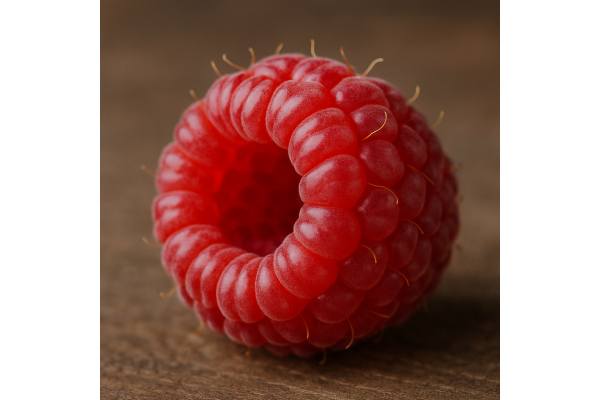
Raspberries (most commonly Rubus idaeus, with black raspberries from Rubus occidentalis) are aggregate fruits made of tiny juice-filled drupelets clustered around a hollow core. Their flavor sits on the tart side of the berry spectrum, with a floral, almost tea-like finish that balances rich foods and sweetens lighter dishes with less added sugar. Red raspberries are the supermarket staple, while golden (yellow) cultivars taste slightly milder and black raspberries bring a deeper, winey note with a different anthocyanin profile.
Culinarily, raspberries work well wherever you want bright acidity, perfume, and structure. That structure—hundreds of micro-seeds bound by pectin and delicate cell walls—explains both their pleasant crunch and their tenderness in handling. A handful can lift a savory plate (think a quick pan sauce for salmon or chicken) or add contrast and color to a grain salad with farro, pistachios, and feta. In breakfasts, they cut the richness of yogurt, kefir, chia pudding, or overnight oats and let you dial back sweeteners. They also puree into dressings, smoothie bowls, and coulis, and their high pectin is why raspberry jam sets beautifully—even with reduced sugar when you simmer gently and finish with lemon.
From a nutrition standpoint, raspberries stand out for fiber: roughly 6.5 g per 100 g, much higher than most fruits. They also contribute vitamin C, manganese, and a spectrum of polyphenols—anthocyanins (which color red and black types), ellagitannins (precursors to urolithins formed by gut microbes), and flavonols like quercetin and kaempferol glycosides. These compounds work alongside fiber and minerals rather than acting alone. In practice, that means raspberries play well in “real plates”: alongside proteins, whole grains, yogurt, nuts, and seeds.
Fresh raspberries are fragile and best within a few days. Frozen berries, flash-frozen at peak ripeness, are an equal—sometimes better—choice for smoothies, cooking, and baking. Because quality and cost can fluctuate, smart shoppers often rely on fresh when local and seasonal, then switch to frozen the rest of the year. Either way, small habits (store dry, wash just before eating, don’t pack tightly) keep losses low and flavor high.
Raspberry nutrition profile (per 100 g)
Values below reflect raw red raspberries per 100 g edible portion. % Daily Value (%DV) uses standard adult reference intakes. Natural variation occurs with cultivar, soil, and ripeness; frozen berries are nutritionally comparable if unsweetened.
Macros & Electrolytes (per 100 g)
| Nutrient | Amount | %DV |
|---|---|---|
| Energy | 52 kcal | — |
| Water | 85.8 g | — |
| Carbohydrate | 11.9 g | 4% |
| Dietary fiber | 6.5 g | 23% |
| Total sugars | 4.4 g | — |
| Protein | 1.2 g | 2% |
| Total fat | 0.7 g | 1% |
| Sodium | 1 mg | 0% |
| Potassium | 151 mg | 3% |
Carbohydrates (detail)
| Component | Amount |
|---|---|
| Starch | 0.0 g |
| Glucose | ~2.3 g |
| Fructose | ~2.1 g |
| Sucrose | ~0.0–0.2 g |
Fats & Fatty Acids
| Component | Amount |
|---|---|
| Saturated fatty acids (total) | ~0.02 g |
| Monounsaturated fatty acids (total) | ~0.06 g |
| Polyunsaturated fatty acids (total) | ~0.38 g |
| Omega-3 (alpha-linolenic acid) | trace |
| Cholesterol | 0 mg |
Vitamins
| Vitamin | Amount | %DV |
|---|---|---|
| Vitamin C (ascorbic acid) | 26 mg | 29% |
| Vitamin K (phylloquinone) | 7.8 µg | 6% |
| Vitamin E (alpha-tocopherol) | 0.9 mg | 6% |
| Folate (DFE) | 21 µg | 5% |
| Vitamin B6 (pyridoxine) | 0.06 mg | 4% |
| Thiamin (B1) | 0.03 mg | 3% |
| Riboflavin (B2) | 0.04 mg | 3% |
| Niacin (B3) | 0.60 mg | 4% |
| Vitamin A (RAE) | 2 µg | 0% |
Minerals
| Mineral | Amount | %DV |
|---|---|---|
| Manganese | 0.67 mg | 29% |
| Magnesium | 22 mg | 5% |
| Calcium | 25 mg | 2% |
| Phosphorus | 29 mg | 2% |
| Iron | 0.7 mg | 4% |
| Zinc | 0.4 mg | 4% |
| Copper | 0.09 mg | 10% |
| Selenium | 0.2 µg | 0% |
Bioactives/Phytonutrients
- Anthocyanins: cyanidin-based glycosides predominate in red raspberries (with different profiles in black raspberries).
- Ellagitannins/ellagic acid: precursors to urolithins, formed by gut microbes; concentrated in drupelets and seeds.
- Flavonols: quercetin and kaempferol glycosides present in smaller amounts.
Allergens & Intolerance Markers
- Pollen-related oral allergy syndrome (OAS): possible in birch-sensitized individuals.
- Salicylates: naturally present; can trigger symptoms in salicylate-sensitive people.
Glycemic & Acid–Base Metrics
- Estimated glycemic index (GI): ~25–32 (low).
- Glycemic load (GL) per 100 g: ~3 (low).
- PRAL (acid–base): mildly base-forming relative to energy content.
Footnote: Values reflect unfortified fruit. Sweetened products (jams, syrups, fruit blends) differ markedly; check labels for added sugars.
Evidence-based health benefits of raspberries
High fiber for fullness, gut function, and glycemic steadiness
At ~6.5 g per 100 g, raspberries deliver more fiber than most fruits. This mix of insoluble and soluble fibers supports regularity, feeds beneficial microbes, and contributes to satiety at a very low calorie cost. In real meals, that means a cup of raspberries can make yogurt or oatmeal more filling and help you use less sugar: tartness and aroma increase perceived sweetness, so smaller amounts of honey or syrup go further.
Polyphenols that work with—not instead of—dietary patterns
Raspberries supply anthocyanins (the red/purple pigments) and ellagitannins. In human research across berries, anthocyanins have been linked with modest improvements in vascular function and long-term cardiovascular risk when part of overall healthy eating. Ellagitannins are noteworthy because gut microbes convert them to urolithins, which may influence inflammatory pathways and mitochondrial function. Not everyone forms the same urolithins, but regularly eating ellagitannin-rich foods (raspberries, strawberries, pomegranate, walnuts) increases the chance you’ll benefit from your resident microbes’ capabilities.
Vitamin C for collagen and iron uptake
A 100 g portion supplies roughly a third of daily vitamin C needs. As a cofactor in collagen synthesis, vitamin C supports skin and connective tissue. It also enhances absorption of non-heme iron—useful if your meals often feature beans, lentils, tofu, or leafy greens. Pairing raspberries with those foods is a simple way to improve the nutrient payoff without supplements.
Weight-management friendliness without austerity
Because raspberries combine high fiber, low energy density, and bright flavor, they fit seamlessly into strategies that emphasize “volume with value.” Swapping part of a dessert’s sugar for a tart raspberry compote, or building snacks around raspberries plus protein (yogurt, cottage cheese) and healthy fats (nuts, seeds), improves satisfaction and reduces the impulse for ultra-processed sweets later.
Metabolic markers and post-meal responses
Small clinical trials using whole raspberries or raspberry powders suggest favorable effects on post-prandial glucose and insulin in people with insulin resistance or prediabetes, especially when raspberries replace refined carbohydrate calories. Effects are modest but consistent with the fiber and polyphenol profile: slower carbohydrate absorption, better satiety, and less oxidative stress.
Everyday wins you can feel
- Breakfast staying power: 1 cup raspberries plus protein keeps hunger at bay through mid-morning.
- Recovery and hydration: raspberries’ vitamin C and natural fluids pair well with Greek yogurt after training.
- Savory balance: in sauces for poultry or fish, their acidity and aroma let you use less salt and added sugars.
Bottom line: Raspberries won’t replace medication or a balanced diet—but as frequent, flexible additions to meals, they help you eat more fiber and polyphenols with pleasure, not compromise.
Risks, allergies and interactions
Allergies and oral allergy syndrome (OAS)
Raspberries can trigger oral itching, lip or throat tingling, or hives in people sensitized to birch or related pollens. Cooking often reduces OAS symptoms because heat alters the proteins involved, but not always. Anyone with a history of systemic reactions should seek specialist advice and carry prescribed emergency medication.
Salicylate sensitivity
Raspberries naturally contain salicylates. Most people tolerate them well, but individuals with confirmed salicylate sensitivity may experience headaches, hives, or asthma-like symptoms and should individualize intake with a clinician or dietitian.
Seeds and texture considerations
The tiny seeds are edible and contribute fiber and ellagitannins, but they can feel gritty. For those recovering from dental or GI procedures—or anyone instructed to follow a temporary low-fiber diet—strained raspberry coulis, seedless jam, or well-blended smoothies are gentler options. Outside of acute flares, routine avoidance of seeds is generally unnecessary unless advised.
Sugar in processed products
Raspberries themselves are modest in sugars, but popular forms like preserves, dessert toppings, and fruit-on-the-bottom yogurts often contain large amounts of added sugar. Read labels. For everyday use, favor fresh, frozen, or unsweetened freeze-dried berries; make quick stovetop compotes with minimal sweetener.
Frozen berry hygiene
Frozen berries have, in some regions, been implicated in viral contamination events. Guidance varies by country. If your public health authority recommends heating frozen berries for safety, follow those instructions (for example, bringing to a brief boil before cooling for recipes). Purchase from reputable brands and keep cold-chain intact from store to home.
Drug–nutrient interactions
Typical raspberry portions are not known to interfere with common medications. If you take drugs with strict dietary constraints (e.g., certain anticoagulants or potassium-restricted regimens), raspberries are generally compatible, but always follow personalized medical guidance.
Who should be cautious
- Individuals with pollen-related OAS or documented raspberry allergy.
- People with confirmed salicylate sensitivity.
- Anyone instructed to follow temporary low-fiber or texture-modified diets (e.g., post-procedure).
- Those managing carbohydrate intake should prefer fresh or unsweetened frozen over syrup-packed products.
Selecting, quality, sustainability and storage
How to choose excellent raspberries
- Look: uniform, vivid color with intact drupelets and no crushed spots or leaking juice.
- Dryness: a dry clamshell and berries free of condensation keep mold at bay.
- Stems and hulls: raspberries naturally detach from their core when ripe; a hollow center is normal.
- Variety: red types are most common; golden raspberries are mellower; black raspberries (in some regions) have a more intense, winey flavor.
Seasonality and sourcing
Peak season is late spring through early autumn depending on climate. Local fruit tends to be more aromatic because it can be picked riper and travels less. Out of season, frozen berries are a smart default: value, consistency, and very good nutrient retention.
Sustainability snapshot
- Waste reduction: buy smaller quantities more often; raspberries are highly perishable. Use the freezer to rescue surplus fruit by spreading on a tray, freezing, then bagging.
- Packaging: most retail berries come in vented plastic clamshells for protection and airflow. Reuse or recycle where facilities exist; some growers now use recycled or plant-based plastics.
- Water and pesticides: raspberries require careful disease management in wet climates. Washing and good storage practices reduce residues and spoilage; choosing growers with integrated pest management supports lower inputs.
Storage and shelf life
- Refrigerator: keep berries dry in their vented container, ideally on a paper towel, 0–3 days depending on freshness at purchase.
- Do not wash until eating. Moisture accelerates mold.
- To rinse: just before serving, tip berries into a colander, rinse gently under cool water, drain well, and spread on a towel to dry.
- Freezing: for best texture later, freeze in a single layer before transferring to a bag; use within 6 months for peak flavor.
Troubleshooting quality
- One moldy berry? Remove it and any touching neighbors promptly; spores spread quickly.
- Watery flavor: likely underripe; use in cooked sauces or blend with a squeeze of lemon to sharpen.
- Too tart: fold into dairy (yogurt, ricotta) or balance with a small amount of honey or ripe banana.
Preparation, cooking and nutrient retention
Base handling for maximum quality
- Keep cold and dry; wash just before use.
- For salads or garnishes, pat dry thoroughly so vinaigrettes and desserts are not diluted.
- For smoothies, add frozen berries last and blend briefly to limit oxidation and color loss.
Heat and nutrients: what to expect
- Vitamin C is heat- and oxygen-sensitive; quick cooking retains more than long simmering.
- Anthocyanins (color pigments) are sensitive to high heat and alkaline conditions; a little acidity (lemon juice) protects both color and flavor.
- Ellagitannins and fiber are relatively stable; cooking does not eliminate their contribution, though prolonged boiling may leach some water-soluble components.
Techniques and where they shine
- Fresh (raw): best for vitamin C and delicate aroma; ideal in yogurt bowls, salads, and salsas (raspberry + cucumber + mint + lime).
- Quick compote: heat berries 2–4 minutes with a squeeze of lemon and a pinch of salt; sweeten to taste at the end. Spoon over oats, pancakes, or grilled meats.
- Oven-roasted raspberries: toss gently with a little lemon zest; roast at low heat (150–170°C / 300–325°F) 10–15 minutes to intensify flavor without harsh caramelization.
- Chia “jam”: mash thawed berries with chia seeds; set 15–30 minutes for a low-sugar spread.
- Vinaigrettes and sauces: blend raspberries with vinegar or citrus, olive oil, and herbs; strain if you prefer seedless.
- Baking: fold berries in from frozen to minimize breakage; dust with a bit of flour so they don’t all sink.
Smart pairings for more nutrition
- With iron: spinach, lentils, beans, tofu—vitamin C supports non-heme iron uptake.
- With protein: skyr, Greek yogurt, cottage cheese, ricotta—for satiety and blood sugar steadiness.
- With healthy fats: nuts and seeds (almonds, pistachios, pumpkin seeds) aid absorption of fat-soluble compounds and improve mouthfeel.
Food safety notes
- Use clean hands and tools; avoid cross-contamination with raw meats.
- Respect “best by” dates, but rely on sight and smell; discard any berries with visible mold or fermentation aromas.
Portions, comparisons and FAQs
How much is a serving?
A practical serving is 1 cup fresh raspberries (about 120–150 g) or ¾ cup frozen. That serving provides roughly 8–10 g fiber if your cup is heaping or includes some broken fruit, but plan on 6–8 g for most bowls. Enjoy raspberries 3–5 times per week as one of your daily fruit servings.
Who benefits most?
- People aiming for more fiber without many calories.
- Those managing blood sugar, when raspberries replace refined sweets and are paired with protein/fat.
- Active individuals, for vitamin C and hydration alongside recovery snacks.
- Cooks and bakers seeking high-impact flavor with less sugar.
Comparisons
- Raspberries vs strawberries: strawberries are lower in fiber per 100 g but higher in vitamin C; raspberries taste tarter and provide more ellagitannins.
- Raspberries vs blackberries: both are fiber-rich; blackberries are slightly juicier and may deliver more vitamin K; raspberry flavor is brighter and more aromatic.
- Raspberries vs blueberries: blueberries are sweeter and often higher in total sugars; raspberries bring more fiber per gram and sharper acidity, useful for low-sugar recipes.
Low-FODMAP considerations
Portion tolerance varies. Many people following low-FODMAP patterns do well with small servings (e.g., ½ cup), especially when combined with protein and fat. Personalize with a dietitian if you’re sensitive.
Are seeds a problem for diverticular disease?
Current guidance generally does not require routine avoidance of seeds outside acute flares, but individual plans differ. Follow your clinician’s instructions; during flares, choose seedless or strained forms for comfort.
Are organic raspberries necessary?
Choose what fits your budget and availability. Washing, keeping berries dry, and eating a diverse diet matter more than any single purchase. If organic berries look fresher and last longer in your area, that can reduce waste and offset higher cost.
How many raspberries make one cup?
About 30–35 medium berries depending on size. One 6-ounce (170 g) clamshell typically yields a generous cup after sorting.
Quick swap ideas
- Replace half the sugar in a dessert with a tart raspberry compote.
- Use raspberries instead of jam in PB&J by mashing fresh berries onto whole-grain toast.
- Fold frozen raspberries into pancake batter for bursts of flavor without extra syrup.
References
- Raspberries, raw 2024.
- Impact of dietary berries on cardiovascular health: evidence, mechanisms, and practical implications 2020 (Systematic Review).
- Raspberry consumption improves postprandial glucose and insulin in adults with prediabetes: a randomized controlled trial 2019 (RCT).
- Ellagitannins, urolithins, and their role in human health: a comprehensive review 2015 (Review).
Disclaimer
This article is for general education and does not replace personalized medical advice, diagnosis, or treatment. If you have food allergies, a medical condition, or take prescription medications, consult your healthcare professional or a registered dietitian before making significant dietary changes or using raspberry products for symptom management.
If this guide helped you, please consider sharing it on Facebook, X (formerly Twitter), or any platform you prefer. Your support helps us continue creating clear, evidence-informed nutrition resources.