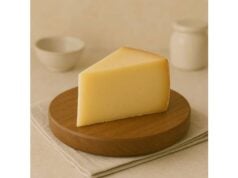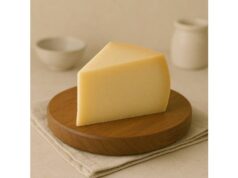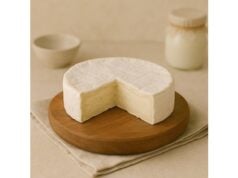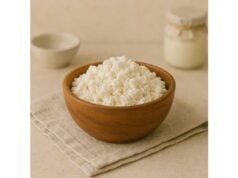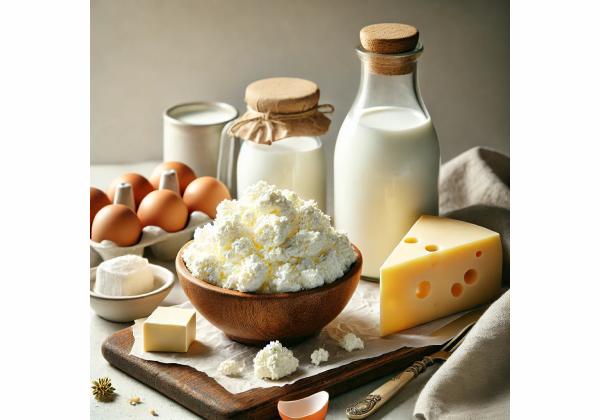
Ricotta is the gentle, cloud-like cheese that gives lasagna its creamy lift, cannoli their lush filling, and ricotta toast a satisfying, protein-rich base. Traditionally made by “recooking” whey left over from cheesemaking (hence the name ricotta), it is typically eaten fresh, with a light dairy sweetness and tiny curds that don’t fully melt but turn silky in sauces and bakes. Beyond taste, ricotta offers practical advantages: it provides high-quality protein for muscle and satiety, valuable minerals like calcium and phosphorus for bones and teeth, and relatively modest sodium compared with many aged cheeses. Because it is fresh and moist, ricotta behaves differently from melty cheeses—more of a tender binder than a gooey pull—which opens distinct culinary uses from pancakes and gnocchi to cheesecakes and savory dips. This guide brings together nutrition facts, evidence-based benefits, smart selection and storage, safety notes (including pregnancy guidance), and kitchen techniques so you can enjoy ricotta with confidence and purpose.
Top Highlights
- Provides complete protein (~7–11 g per 100 g) and meaningful calcium (~200 mg per 100 g) that supports bones and teeth.
- Soft fresh cheese style; choose pasteurized versions to reduce risk from harmful bacteria.
- Typical serving: 1/3–1/2 cup (80–125 g), enjoyed a few times per week within a balanced diet.
- People who should limit or avoid: those with milk allergy; some with lactose intolerance may need small portions or lactose-free ricotta.
Table of Contents
- Ricotta cheese detailed overview
- Ricotta nutrition profile (per 100 g)
- Evidence-based health benefits of ricotta
- Risks, allergies and interactions
- Selecting quality ricotta, sustainability and storage
- Preparation, cooking and nutrient retention
- Portions, comparisons and FAQs
Ricotta cheese detailed overview
Ricotta is a fresh, unripened cheese known for its fine, slightly grainy curds and clean dairy sweetness. Traditionally, Italian ricotta comes from heating the whey left from making pasta filata or hard cheeses (for example, after producing mozzarella or pecorino). As the whey is gently heated with a touch of acidity, residual proteins—mainly whey proteins like alpha-lactalbumin and beta-lactoglobulin—coagulate into soft, tender curds. That “recooked” method (ri-cotta) produces a naturally light, spreadable cheese with high moisture and a delicate flavor.
Modern supermarket ricotta varies. In many countries, especially outside Italy, manufacturers may combine milk and cream with whey or even make “whole-milk ricotta” directly from milk using acidification. This yields a richer texture and slightly higher fat than traditional, whey-only ricotta. You’ll also see:
- Part-skim ricotta: Lower fat and calories; slightly firmer, less creamy.
- Sheep or buffalo ricotta: Richer flavor and fuller body; often used in regional Italian dishes.
- Ricotta salata: Pressed and salted ricotta aged briefly until sliceable and grateable; far saltier and much drier than fresh ricotta.
- Smoked ricotta (ricotta affumicata): Lightly smoked for savory depth.
Because ricotta is fresh and high-moisture, it doesn’t melt like stretchable cheeses. Instead, it softens and enriches, creating creaminess without stringiness. That makes ricotta ideal for:
- Baked dishes and fillings: Lasagna, stuffed shells, manicotti, baked ziti.
- Dumplings and gnocchi: Ricotta gnocchi are tender and quick-cooking.
- Savory spreads: Whipped ricotta with herbs, lemon, and olive oil.
- Breakfast and desserts: Pancakes, toast with fruit and honey, cheesecakes, cannoli.
Flavor-wise, ricotta is mild, so it welcomes bright accents—citrus zest, fresh herbs, roasted garlic, chili flakes, or a swirl of pesto. A drizzle of good olive oil and a pinch of flaky salt can transform it into a simple appetizer. In nutrition terms, ricotta contributes complete protein, calcium, and phosphorus with modest sodium compared with many aged cheeses. Because it’s fresh, it can retain more whey proteins than hard cheeses, which are valued for their high biological value.
Key practical note: choose pasteurized ricotta for everyday use, especially for people at higher risk of foodborne illness (pregnancy, older adults, or anyone with weakened immunity). Fresh, short-shelf-life foods demand careful refrigeration from purchase to plate.
Ricotta nutrition profile (per 100 g)
Below are representative values for ricotta per 100 g. Because products differ (whey-only vs whole milk, part-skim, added cream), expect natural variation. Use the label on your specific brand for exact numbers. % Daily Value (%DV) is for adults and children ≥4 years using current FDA DVs.
Macros & Electrolytes (per 100 g)
| Nutrient | Amount | %DV |
|---|---|---|
| Energy | 150–174 kcal | — |
| Protein | 7.5–11.3 g | 15–23% |
| Total Fat | 10.2–13.0 g | 13–17% |
| Saturated Fat | ~6.4–8.3 g | 32–42% |
| Carbohydrates (mostly lactose) | ~3.0–7.3 g | 1–3% |
| Dietary Fiber | 0 g | 0% |
| Total Sugars | ~0.3–3.0 g | — |
| Sodium | ~84–100 mg | 4% |
| Potassium | ~200–220 mg | 4–5% |
| PRAL (acid load) | ~+1.9 (mild acid-forming) | — |
Fats & Fatty Acids
| Component | Amount (g) per 100 g |
|---|---|
| Saturated fatty acids | ~6.4–8.3 |
| Monounsaturated fatty acids | ~2.3–3.6 |
| Polyunsaturated fatty acids | ~0.3–0.4 |
| Trans fatty acids (naturally occurring) | trace |
Protein & Amino Acids
Ricotta provides complete protein with all essential amino acids. Its protein is a mix of casein and whey; whey proteins are fast-digesting and high quality, supporting muscle protein synthesis. Approximate protein quality is comparable to other dairy.
Vitamins (per 100 g, typical ranges)
| Vitamin | Amount | %DV |
|---|---|---|
| Vitamin A (RAE) | ~120–170 µg | 13–19% |
| Vitamin B12 (Cobalamin) | ~0.4–1.1 µg | 17–46% |
| Riboflavin (B2) | ~0.2–0.3 mg | 15–23% |
| Vitamin D | variable (often not significant unless fortified) | — |
| Folate (DFE) | ~10–20 µg | 2–5% |
Minerals (per 100 g, typical ranges)
| Mineral | Amount | %DV |
|---|---|---|
| Calcium | ~200–270 mg | 15–21% |
| Phosphorus | ~170–185 mg | 14–15% |
| Zinc | ~1.0–1.3 mg | 9–12% |
| Iodine | variable (depends on feed/salt) | — |
| Magnesium | ~18–25 mg | 4–6% |
| Selenium | ~10–12 µg | 18–22% |
Allergens & Intolerance Markers
- Milk proteins (casein and whey)—major allergens.
- Lactose—fresh cheeses generally contain more lactose than aged cheeses.
- Histamine/biogenic amines—typically low in fresh ricotta; ricotta salata (aged) may contain more.
Additives & Fortification (brand-dependent)
- Some brands include stabilizers (e.g., locust bean gum, guar gum, carrageenan) for texture.
- Fortification is uncommon; vitamin D or A may appear in some products.
Contaminants/Residues
- Main concern is microbial safety from soft cheeses if made with unpasteurized milk or if mishandled. Choose pasteurized products from reputable producers and keep cold.
Glycemic & Acid–Base Metrics
- Glycemic index is negligible (low-carb, high-protein/fat).
- PRAL around +2, indicating a mildly acid-forming food—typical for dairy proteins.
Footnote on variability: Whole-milk cow’s milk ricotta trends higher in calories and fat; part-skim or whey-only styles are leaner; sheep’s milk versions are richer in fat and flavor.
Evidence-based health benefits of ricotta
1) Supports bones and teeth. Ricotta provides meaningful calcium (~200–270 mg/100 g) and phosphorus, two minerals that work together in bone mineralization. Regular inclusion of calcium-containing foods is linked with better bone outcomes across the lifespan when paired with adequate vitamin D and weight-bearing activity. Because ricotta’s sodium is typically modest compared with many aged cheeses, it lets you add calcium without a large salt load.
2) High-quality protein for muscle and satiety. Dairy proteins have high biological value. Ricotta delivers complete protein, including whey, which is rich in leucine. Meals that combine ricotta with fiber-rich carbohydrates (e.g., whole-grain toast and fruit, or roasted vegetables and farro) can improve satiety and support muscle recovery after activity.
3) Cardiometabolic neutrality—potential benefits within healthy patterns. Large-scale syntheses of dairy research indicate that cheese intake—within balanced dietary patterns—tends to be neutral to modestly protective for cardiometabolic outcomes. Fermented dairy (including many cheeses) has been linked in umbrella and scoping reviews with either neutral associations or small inverse associations for outcomes like type 2 diabetes and cardiovascular disease when consumed in moderate amounts. Mechanisms may include the “cheese matrix” effect (calcium-fatty acid soap formation reducing fat absorption), bioactive peptides from fermentation, and improved fat and mineral bioavailability. For ricotta specifically (a fresh rather than aged cheese), expect similar neutrality when portions are moderate and overall diet quality is high.
4) Dental health support. Dairy provides calcium and phosphorus and buffers oral pH, helping re-mineralization after acid exposure from carbohydrate-containing foods. Ricotta’s low acidity and mineral profile make it a tooth-friendly option, especially as part of meals rather than frequent solo snacking.
5) Culinary advantages that increase nutrient density. Ricotta’s mild flavor makes it an easy vehicle for nutrient-dense add-ins: you can fold in chopped spinach, roasted squash, or herbs to increase fiber, carotenoids, and polyphenols without sacrificing texture. Swapping some cream or butter for ricotta in fillings and batters can reduce saturated fat while maintaining indulgent mouthfeel.
How much is “moderate”? For most adults, 80–125 g (about 1/3–1/2 cup) a few times per week fits well if total saturated fat and calorie targets are met. If you need tighter saturated fat limits, choose part-skim ricotta or blend half ricotta with pureed cottage cheese or silken tofu for a leaner mix.
Who benefits most?
- People seeking bone support, muscle repair, or higher satiety at meals.
- Cooks wanting creaminess without melt, for lightened sauces, dips, and baked fillings.
- Those needing lower sodium options compared with sharp, aged cheeses.
Risks, allergies and interactions
Milk allergy (immune-mediated). If you have a diagnosed milk allergy, avoid ricotta entirely. It contains both casein and whey proteins that can trigger reactions from hives to anaphylaxis.
Lactose intolerance. Ricotta is a fresh cheese and often contains more lactose than many aged cheeses. Tolerance varies widely. Many people do well with small portions (e.g., 2–4 tablespoons) eaten with other foods. Consider lactase enzyme aids or lactose-free ricotta products if you’re sensitive, and monitor for symptoms.
Microbial safety: soft cheeses and pregnancy. Fresh, high-moisture cheeses made from raw (unpasteurized) milk or mishandled after production pose a higher risk for Listeria and other pathogens. To reduce risk, choose pasteurized ricotta, keep it refrigerated (≤4°C/40°F), and use it by the “use-by” date. Heating dishes containing ricotta until steaming hot adds an extra margin of safety for high-risk groups (pregnant people, older adults, and those with weakened immune systems).
Saturated fat and cholesterol. Whole-milk ricotta contains ~6–8 g saturated fat per 100 g. If you’re managing LDL cholesterol or cardiovascular risk, prefer part-skim ricotta, keep portions moderate, and emphasize vegetables, whole grains, pulses, and unsaturated fats across the day.
Sodium. Ricotta is generally lower in sodium than many hard cheeses (often <120 mg/100 g), but ricotta salata is salted and can be several times higher. For sodium-sensitive individuals, prioritize fresh ricotta, check labels, and rinse ricotta salata slices if using sparingly in salads.
Biogenic amines and MAOIs. Aged cheeses accumulate tyramine; fresh ricotta is typically low, whereas ricotta salata (aged) may be higher. If you take monoamine oxidase inhibitors (MAOIs), follow your clinician’s diet guidance and favor fresh ricotta.
Food handling and storage. Ricotta spoils quickly when warm. Keep it cold on the way home, refrigerate promptly, store covered, and discard if you notice sour odors, off-flavors, or mold. Avoid cross-contamination with raw meats in the refrigerator.
Drug-nutrient interactions. Ricotta’s calcium can bind certain antibiotics (e.g., tetracyclines, some fluoroquinolones). If you take these, follow timing advice from your pharmacist or prescriber to separate doses from calcium-rich foods.
Selecting quality ricotta, sustainability and storage
How to select at the store
- Pasteurized, fresh-dated tubs: For general use and for anyone at higher risk of foodborne illness, choose pasteurized ricotta with the freshest “use-by” date.
- Ingredients list: Ideal ricotta lists milk/whey, acid (citric or vinegar), salt. Stabilizers (locust bean gum, guar, carrageenan) are common for texture—acceptable if you prefer a firmer, scoopable style.
- Style matters:
- Whole-milk for ultra-creamy bakes and desserts.
- Part-skim for lighter fillings and everyday savory uses.
- Sheep’s milk for richer flavor; excellent in Italian regional dishes.
- Ricotta salata for shaving and grating; handle like feta in salads.
- Look and smell: Curds should appear white to ivory, moist but not watery, with a clean, fresh dairy aroma (no sour or yeasty notes).
Quality cues at home
- Texture test: A spoonful should hold softly; gritty or excessively watery ricotta may be past prime or poorly drained.
- Whip test: Whisking should quickly turn ricotta fluffy. If it breaks or weeps, strain through cheesecloth.
Sustainability choices
- Local dairies and short supply chains can reduce transport emissions and often mean fresher product.
- Animal welfare and certifications: Some brands disclose farm standards or third-party certifications.
- Packaging: Recyclable tubs with minimal plastic are a plus; buy sizes you can finish to avoid waste.
- Dairy diversity: Incorporate other sustainable protein sources (pulses, eggs, fish, poultry, plant proteins) during the week to balance environmental footprint.
Storage and shelf life
- Refrigeration: Store at ≤4°C/40°F. Opened ricotta keeps 3–5 days; always re-cover tightly and avoid double-dipping.
- Freezing: Possible but quality suffers—freezing leads to graininess after thawing. If you must freeze, portion into cooking-ready amounts (e.g., 1/2 cup) and use later in baked dishes where texture changes are less noticeable.
- Straining: For thicker, spreadable ricotta, line a sieve with cheesecloth and drain in the fridge 1–12 hours. Use whey for soups or bread.
Signs to discard
- Sour, yeasty, or bitter odor; discoloration; visible mold; or tub swelling. When in doubt, throw it out.
Preparation, cooking and nutrient retention
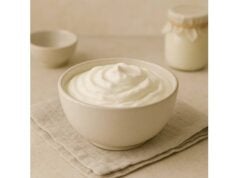
Whipped ricotta (5 minutes). For silky spreads and toppings, whisk ricotta vigorously with a pinch of salt. For sweet applications, add honey and lemon zest; for savory, drizzle olive oil and fold in herbs or roasted garlic. Whipping aerates curds, improving mouthfeel without adding cream.
Better bakes and fillings. In lasagna or stuffed shells, combine ricotta with egg (binding), a handful of grated hard cheese for umami, chopped parsley or spinach, and a pinch of nutmeg. The egg helps set structure while baking; ricotta delivers creaminess rather than stretch. For moisture balance, briefly drain ricotta before mixing if it seems wet.
Ricotta gnocchi (gnudi). Use well-drained ricotta mixed with egg, finely grated cheese, and just enough flour to hold. Over-flouring creates heavy dumplings; aim for tender and barely cohesive dough. Chill before shaping and cook in gently simmering water until they float, then finish in a sauce or with olive oil and herbs.
Sauce enrichment without heaviness. Stir a spoonful of ricotta into hot tomato sauce off heat for a blushy, creamy finish. In pestos or green sauces, ricotta can replace part of the oil or nuts for a lighter, protein-boosted spread.
Desserts and breakfast. Ricotta shines in cheesecakes (Italian style, lighter than cream-cheese versions), pancakes (tender crumb), and toasts (with fruit, nuts, or a drizzle of honey). For a dietitian-friendly breakfast, pair ricotta with high-fiber fruit (berries, figs) and whole-grain toast.
Nutrient retention pointers
- Minerals (calcium, phosphorus) are heat-stable; cooking doesn’t reduce their content, but draining or high-heat weeping can leave nutrient-rich whey in the pan. Consider cooking gently and serving with sauces that retain exuded whey.
- Protein remains intact with standard cooking; very high heat can firm curds and squeeze out moisture.
- Vitamins A and B12 are relatively heat-sensitive; minimize prolonged high-heat exposure when possible (e.g., add ricotta near the end of simmering).
- Food safety: When cooking for high-risk groups, heat ricotta-containing dishes until steaming hot.
Make-your-own (acid-set) ricotta
- Heat 2 L (2 quarts) milk (or 1.5 L milk + 500 mL whey) to ~85–90°C (185–194°F).
- Stir in 60–80 mL (4–5 tbsp) lemon juice or 5–6 g citric acid dissolved in water; rest 5–10 minutes until curds separate.
- Ladle into a cheesecloth-lined sieve; drain 10–60 minutes depending on the texture you want.
- Season lightly with salt. Use within 3–4 days refrigerated.
Lean swaps and blends
- Half ricotta + half low-fat cottage cheese for lighter fillings.
- Ricotta + silken tofu for a dairy-lightened, extra-protein spread.
- Part-skim ricotta in place of whole-milk in frequent use.
Portions, comparisons and FAQs
Recommended portion and frequency
- Everyday cooking: 1/3–1/2 cup (80–125 g) per serving, a few times per week as part of a varied diet.
- If managing saturated fat or calories: choose part-skim and use 2–4 tablespoons as a creamy accent rather than a main protein.
How does ricotta compare to other fresh cheeses?
- Ricotta vs cottage cheese: Cottage cheese typically has more protein per 100 g (especially higher-protein styles) and similar or slightly higher sodium, with larger curds. Ricotta is creamier and sweeter tasting, better for baking, desserts, and smooth spreads.
- Ricotta vs mascarpone: Mascarpone is much higher in fat and calories, ideal for desserts like tiramisu. Ricotta offers more protein and calcium with less fat.
- Ricotta vs cream cheese: Cream cheese is firmer and higher in fat; ricotta is lighter and more versatile for both sweet and savory dishes.
- Ricotta vs feta/ricotta salata: Feta and ricotta salata are saltier and drier, better for crumbling or shaving; fresh ricotta is mild, moist, and spreadable.
Can I eat ricotta during pregnancy?
Yes—if it’s pasteurized and handled safely. Avoid artisanal or raw-milk fresh ricotta unless heated thoroughly. When in doubt, cook ricotta-containing dishes until steaming hot.
Is ricotta suitable for vegetarians?
Traditional ricotta is produced by recooking whey and typically does not require animal rennet. Many commercial versions are vegetarian-friendly, but check labels for added enzymes if this matters to you.
What about lactose?
Ricotta contains lactose; tolerance varies. Try small portions with meals, consider lactase tablets, or choose lactose-free ricotta if needed.
How can I make ricotta more flavorful without extra salt?
Use acid and aromatics: lemon zest, a squeeze of lemon juice, black pepper, fresh herbs (basil, chives, mint), roasted garlic, chili flakes, or good extra-virgin olive oil. For dessert, add cinnamon, vanilla, or citrus zest with seasonal fruit.
Budget and storage tips
Buy the smallest tub you can finish in 3–5 days after opening. Strain excess whey for a thicker texture; use the drained whey in soups or doughs to minimize waste.
References
- Nutrition Facts for Ricotta Cheese 2024.
- How Listeria Spread: Soft Cheeses and Raw Milk 2025.
- Preventing Listeria Infection 2025.
- Cheese consumption and multiple health outcomes 2023 (Systematic Review).
- Milk and dairy products – a scoping review for Nordic Nutrition Recommendations 2023 2024 (Scoping Review).
Disclaimer
This article is for general information and education. It does not replace personalized medical advice, diagnosis, or treatment. Always consult a qualified health professional about your specific health needs, food allergies, intolerances, medications, and dietary goals—especially if you are pregnant, immunocompromised, or managing a medical condition.
If you found this guide helpful, please consider sharing it with friends or colleagues on Facebook, X (formerly Twitter), or any platform you prefer. Your support helps us continue creating high-quality, practical nutrition content.