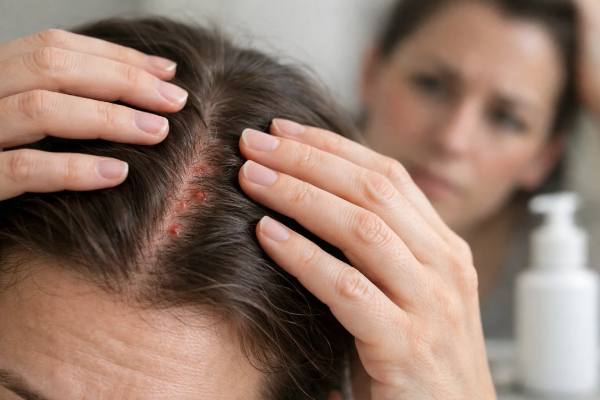
Scalp bumps are easy to underestimate. At first, they may seem like a few pimples at the hairline, a patch of tenderness after sweating, or an itchy area that flares after dry shampoo, oils, or a missed wash day. But when those bumps keep coming back, start to sting, or leave crusting and soreness behind, the problem may be scalp folliculitis rather than ordinary irritation. Folliculitis simply means inflammation centered around the hair follicle, yet the reasons it happens can vary widely. Bacteria, yeast, friction, occlusive products, shaving, inflammation, and deeper scalp disorders can all create a similar-looking eruption. That is why random treatment often fails. The most effective relief comes from recognizing what the bumps look like, what tends to trigger them, and when they are still mild versus when they are moving into a more stubborn or scarring pattern. This guide explains how scalp folliculitis usually presents, what commonly causes it, and which treatment options are most likely to help.
Quick Summary
- Scalp folliculitis often appears as tender or itchy follicle-centered bumps, small pustules, crusts, or recurring pimples on the scalp or hairline.
- Mild cases may settle with gentler scalp care and the right wash routine, while persistent or widespread cases often need targeted prescription treatment.
- Picking, squeezing, heavy oils, and harsh exfoliation can worsen inflammation and increase the risk of lingering marks or infection.
- Itchy, uniform bumps that worsen with antibiotics or heat can point toward yeast-driven folliculitis rather than simple bacterial pimples.
- Start with a low-irritation routine, avoid occlusive scalp products, and seek medical care sooner if the bumps are painful, draining, scarring, or linked to hair loss.
Table of Contents
- What scalp folliculitis looks like
- Why these bumps happen
- How to tell it from other scalp problems
- Home care for mild cases
- Medical treatment options
- When bumps can threaten hair growth
What scalp folliculitis looks like
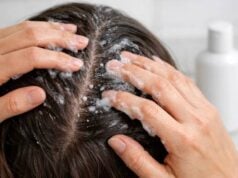
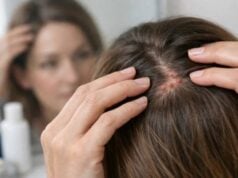
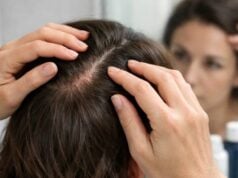
Scalp folliculitis usually starts as follicle-centered inflammation, which means the bumps form where hairs emerge from the skin. That sounds technical, but in practice it often looks familiar: small red or skin-colored bumps, tender pimples, pinpoint pustules, itchy spots, or crusted areas scattered across the scalp. Some people notice them most at the back of the head and crown. Others get them near the hairline, around the nape, or anywhere sweat, oil, friction, and products build up.
The symptoms are not always dramatic. A mild case may feel like recurring scalp acne that never fully clears. A more obvious flare may bring soreness when brushing, pain when resting the head on a pillow, or a crusty patch that seems to re-form after every wash. Some bumps stay superficial and disappear without much trace. Others deepen, drain, or leave dark marks behind. That range is part of why scalp folliculitis gets mislabeled so often.
A useful feature is how “uniform” the spots look. Folliculitis tends to produce repeated bumps of a similar size and shape. They often center around hairs rather than appearing as mixed blackheads, whiteheads, and cysts the way facial acne can. That does not make self-diagnosis easy, but it can help. People frequently compare it to acne, especially when the lesions are pustular, yet true folliculitis is usually more itch-prone and more clearly linked to the follicle itself. If that comparison keeps coming up, it helps to know the typical differences between folliculitis and common causes of scalp acne before deciding they are the same condition.
Symptoms also vary by depth. Superficial folliculitis tends to look like clusters of small bumps and pustules with mild redness. Deeper inflammation can create larger, more painful nodules and longer-lasting crusts. Some people mainly itch. Others mainly hurt. Some have both. Scalp texture matters too. Dense hair can hide quite a lot of inflammation before the scalp ever looks obviously inflamed in the mirror.
A few patterns deserve special attention:
- Tiny pustules or red bumps that recur in the same zones.
- Itchy follicle-centered bumps that worsen with sweat, hats, or occlusive products.
- Tender spots that crust after being scratched.
- Hairline pimples that seem to spread inward onto the scalp.
- Soreness or swelling that feels disproportionate to how small the bumps look.
The key point is that scalp folliculitis is not defined only by “pimples on the scalp.” It is defined by the follicle as the center of the problem. That is why the pattern, symptoms, and recurrence matter so much. When bumps repeatedly form where the hair emerges, especially with itch, tenderness, or pustules, folliculitis moves much higher on the list than random irritation.
Why these bumps happen
Scalp folliculitis is a reaction pattern, not a single cause. The follicle becomes inflamed, but the reason that happens can differ from person to person. In many mild cases, bacteria are involved, especially ordinary skin bacteria such as Staphylococcus aureus. In other cases, yeast, friction, sweat, occlusion, shaving, scratching, medications, or inflammatory skin disease play a bigger role than infection alone.
One common setup is a scalp environment that stays warm, sweaty, and occluded. Tight hats, helmets, heavy dry shampoo, thick oils, greasy pomades, and infrequent washing can create conditions in which follicles become blocked or irritated. That does not mean every oily scalp will develop folliculitis. It means certain scalps become more reactive when oil, heat, microbes, and friction stack together. That broader scalp context matters, because follicle problems rarely happen in isolation from the surrounding follicle environment and scalp health.
There are also several important subtypes and look-alikes within the folliculitis family:
- Superficial bacterial folliculitis: often produces small pustules and tender bumps and may settle quickly or recur.
- Malassezia folliculitis: a yeast-driven form that tends to itch, produce monomorphic bumps, and sometimes worsens with antibiotic use.
- Friction or occlusion-related folliculitis: linked to pressure, sweating, tight headwear, and heavy products.
- Eosinophilic folliculitis: less common and more likely in people with immune suppression or other medical triggers.
- Scarring folliculitis disorders: deeper conditions such as folliculitis decalvans or dissecting cellulitis can begin with pustules but behave very differently over time.
That last group is especially important because not every “scalp pimple” is harmless. Some deeper inflammatory disorders start with follicular pustules and later produce tufting, crusting, draining areas, or permanent hair loss. Early on, they can look deceptively ordinary.
Daily habits also help explain why some cases keep returning. Scratching drives more inflammation into already irritated follicles. Shaving or close clipping can irritate hair shafts and encourage ingrown hairs. Long gaps between washes can allow buildup. On the other hand, aggressive over-washing, rough scrubbing, or harsh exfoliants can damage the barrier and make the scalp more reactive. The result can be a cycle in which the scalp feels “dirty” and “irritated” at the same time.
A few common triggers stand out:
- Heavy leave-in scalp oils and waxes.
- Heat, sweat, and tight headwear.
- Repeated touching, picking, or squeezing.
- Product residue and irregular cleansing.
- Antibiotic exposure that shifts the scalp microbiology.
- Inflammation from nearby eczema or seborrheic dermatitis.
So the better question is often not “Why do I have scalp pimples?” but “What is pushing my follicles into repeated inflammation?” Once you identify the dominant pattern, treatment becomes more targeted. Without that step, people often bounce between acne products, dandruff shampoos, and oils without addressing the real driver of the bumps.
How to tell it from other scalp problems
One reason scalp folliculitis is frustrating is that it overlaps visually with several other scalp disorders. Dandruff can flake and itch. Scalp eczema can sting and inflame. Psoriasis can create plaques and crusts. Acne can create bumps at the hairline. Product reactions can cause redness, tenderness, and rash after a new serum, shampoo, dye, or oil. A correct diagnosis often depends less on one perfect visual clue and more on the pattern as a whole.
Folliculitis usually announces itself through follicle-centered lesions. That means you see or feel individual bumps, pustules, or crusted spots where hairs emerge. Acne often mixes in blackheads, whiteheads, and more varied lesion types. Eczema and dermatitis are more likely to create broader red, flaky, burning areas rather than repeated follicular pustules. Psoriasis often forms thicker, more adherent scale and better-defined plaques. Of course, overlap is common, and one condition can exist alongside another.
The symptom profile can also help. Malassezia folliculitis often itches more than it hurts and tends to produce similar-looking, monomorphic bumps. Bacterial folliculitis may be more tender and pustular. Contact dermatitis is more likely if the scalp burns or itches sharply after a new product and the rash extends onto the ears, neck, or forehead. If you have recently changed products and the scalp feels reactive in a broader way, it may help to understand the difference between allergy and irritation from hair products rather than assuming every bump is infectious.
A few clues point away from simple folliculitis and toward something else:
- Thick silvery or tightly adherent plaques suggest psoriasis more than folliculitis.
- Diffuse greasy scale without many pustules leans more toward seborrheic dermatitis.
- Broad eczematous patches with burning and product sensitivity suggest dermatitis.
- Large draining nodules or interconnected tender swellings suggest a deeper inflammatory process.
- Patchy hair loss, shiny skin, or tufted hairs raise concern for scarring disorders.
History matters just as much as appearance. Recent hot tub exposure, close shaving, a sweaty helmet, long-term antibiotics, immune suppression, or new hair products can all steer the diagnosis. So can the timing. A flare that appeared suddenly after a dye or styling product is a different story from bumps that recur every few weeks on an oily scalp.
This is why self-treatment sometimes misfires. People use dandruff shampoo on bacterial folliculitis, acne products on eczema, steroid lotions on yeast folliculitis, or oils on an already occluded scalp. None of those choices are irrational. They are just mismatched. If the scalp has been itchy, flaky, and inflamed for a while, it may be worth reviewing how scalp eczema and dermatitis tend to behave, because eczema-related inflammation can look surprisingly similar to folliculitis in its early stages.
The goal is not to turn you into your own dermatologist. It is to help you notice when the pattern truly looks follicular and when it looks broader, scaly, or more reactive than infectious. That distinction often decides whether home care will help or whether a different treatment path is needed.
Home care for mild cases
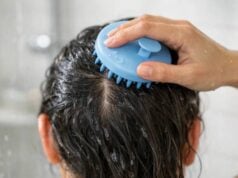
Mild scalp folliculitis often improves when the routine gets calmer and cleaner at the same time. The mistake many people make is trying to “scrub out” the bumps. That usually backfires. Inflamed follicles do not respond well to rough nails, abrasive scalp brushes, strong acids, or repeated picking. They respond better to lower friction, better hygiene, and less occlusion.
The first step is to stop making the scalp more inflamed. Avoid squeezing the bumps, scratching them open, or coating them with thick oils in the hope of “soothing” them. Heavy occlusive products can trap heat and residue against an already irritated follicle. The same caution applies to harsh exfoliation. If buildup is part of the problem, a gentler approach to removing buildup without irritation is much safer than attacking the scalp with abrasive scrubs.
A practical home-care plan usually includes:
- Wash the scalp regularly enough that sweat, oil, and styling residue do not sit for long periods.
- Use lukewarm water rather than very hot water.
- Choose a gentle shampoo between treatment washes instead of constantly switching products.
- Keep leave-in products off the scalp if possible.
- Avoid tight hats, helmets, and hairstyles that rub or trap heat until the flare calms.
- Change pillowcases and clean brushes if product residue and oil buildup are heavy.
Warm compresses can help tender superficial bumps feel less tight and may encourage small pustules to settle. But compresses should be clean, brief, and gentle. This is not a squeezing routine. It is simply supportive care.
Some mild bacterial cases improve with nothing more than time and better scalp hygiene. That does not mean “do nothing.” It means give the follicle a better environment and stop provoking it. A low-irritation routine for a week or two can be surprisingly effective when the case is superficial.
It also helps to watch for triggers rather than treating every day the same way. If bumps flare after dry shampoo, scalp oils, or long sweaty workouts, that pattern matters. If they worsen after long stretches between washes, that matters too. Many recurring cases are not random. They are habitual.
Home care is less likely to be enough when:
- The scalp is painful rather than just itchy.
- The bumps are widespread or keep returning in the same areas.
- There is thick crusting, drainage, or larger nodules.
- The scalp seems worse after antibiotics or standard acne products.
- Hair density is changing around the inflamed areas.
That is the point where “pimples” may not be simple anymore. Good home care can still support recovery, but it may no longer be the full answer. Mild folliculitis usually responds to restraint and consistency. Stubborn folliculitis usually needs a more specific diagnosis and treatment.
Medical treatment options
Medical treatment works best when it matches the likely cause. That sounds obvious, but scalp folliculitis is often treated too generically at first. One person needs an antibacterial approach. Another needs antifungal treatment. Another needs anti-inflammatory control because the condition is deeper, chronic, or moving toward a scarring form. The more persistent the scalp bumps are, the more important that distinction becomes.
For superficial bacterial folliculitis, clinicians often start with topical options when the affected area is limited. These may include antibiotic solutions, gels, or washes aimed at reducing bacterial load and calming active pustules. If the disease is more extensive, deeper, or recurrent, oral antibiotics may be used, particularly when tenderness, crusting, and broader involvement are present. Culture can matter more in stubborn cases than in first-time mild ones, especially if lesions recur despite prior treatment or if antibiotic resistance is a concern.
When the bumps are very itchy, monomorphic, and seem to worsen with prior antibiotics, yeast-driven folliculitis becomes more likely. In that setting, antifungal treatment may help more than antibacterial treatment. Some patients do well with medicated shampoos, while others need oral antifungals depending on the severity and pattern. If an antifungal wash is part of the plan, it helps to understand the basics of ketoconazole shampoo use because contact time and frequency affect how well these products work.
Common office-based strategies may include:
- Topical antibiotics for limited bacterial disease.
- Antifungal shampoos or oral antifungals when Malassezia is suspected.
- Short courses of anti-inflammatory topicals when the scalp is very inflamed.
- Oral antibiotics for more widespread, painful, or persistent disease.
- Bacterial culture, potassium hydroxide testing, or biopsy when the pattern is atypical.
The last point is important. Not every scalp folliculitis case can be diagnosed from a quick glance. A clinician may need to determine whether the process is bacterial, yeast-driven, eosinophilic, acne necrotica-like, or part of a scarring neutrophilic disorder such as folliculitis decalvans. That becomes especially relevant when pustules sit alongside tufted hairs, thick crusts, progressive tenderness, or visible hair loss.
There is also a difference between controlling a flare and preventing recurrence. Some people improve quickly on medication, then relapse because the background trigger remains: occlusive products, irregular washing, friction, sweating, or an untreated inflammatory scalp disease. So medical therapy usually works best when it is paired with a scalp routine that does not recreate the same environment that fueled the flare.
The most effective treatment plan is rarely the most complicated. It is usually the one that answers three questions clearly: what is the likely subtype, how active is it, and is there any sign that the follicles are being damaged deeply enough to threaten hair retention? Once those questions are answered, the treatment path becomes much more precise and much less frustrating.
When bumps can threaten hair growth
Most mild scalp folliculitis does not cause permanent hair loss. That is reassuring and worth stating clearly. Superficial inflammation can be uncomfortable, unsightly, and recurrent without permanently damaging the follicle. The concern rises when the process becomes deeper, more chronic, more destructive, or clearly scarring. That is when scalp bumps stop being a nuisance and start becoming a hair-preservation issue.
Warning signs include pain rather than simple itch, thick crusting, recurrent drainage, larger tender nodules, clumps of several hairs emerging from one opening, or areas where the scalp begins to look smoother and less populated. If the inflamed area also shows reduced density, broken hairs, or widening patches, the follicles may be under more sustained stress than in a routine superficial flare. In those situations, it helps to recognize broader signs of hair loss linked to scalp inflammation instead of assuming the shedding is incidental.
Two conditions deserve special respect here. Folliculitis decalvans often presents with pustules, crusts, tufted hairs, and eventually scarring alopecia. Dissecting cellulitis of the scalp can create deep nodules, draining tracts, and more extensive permanent loss if not treated early. Both conditions can start with what seem like ordinary scalp “pimples,” which is why recurrent painful pustules should not always be dismissed as minor.
Seek medical care sooner rather than later if you notice:
- Painful or draining bumps.
- Recurring pustules in the same area for weeks or months.
- Crusting that returns rapidly after washing.
- Tufted hairs or clumps of hairs from one opening.
- Areas of reduced density, patchy loss, or visible scalp where bumps have been active.
- Fever, spreading redness, or swelling beyond the immediate bumps.
A clinician may need to examine the scalp with dermoscopy, obtain cultures, or occasionally perform a biopsy if the diagnosis is uncertain. That is not overkill. It is how deeper follicular disorders are separated from routine superficial folliculitis before scarring becomes the dominant story.
It is also worth getting help if the bumps are simply not responding. Persistent scalp folliculitis can sometimes reflect an overlooked yeast component, an inflammatory subtype, a medication trigger, or a scalp condition that only resembles folliculitis at first glance. In those cases, waiting for it to “burn out” may only prolong discomfort and increase the chance of lingering hair changes.
The practical rule is simple: itchy bumps can often be watched briefly and managed conservatively, but painful, recurrent, crusting, draining, or hair-changing bumps should move the issue into the medical category. When follicles are inflamed repeatedly over time, protecting hair becomes part of the treatment goal, not just clearing the bumps.
References
- A Practical Algorithm for the Management of Superficial Folliculitis of the Scalp: 10 Years of Clinical and Dermoscopy Experience 2023
- Folliculitis – StatPearls – NCBI Bookshelf 2023
- Malassezia Folliculitis: An Underdiagnosed Mimicker of Acneiform Eruptions 2025 (Review)
- Treatments for Dissecting Cellulitis of the Scalp: A Systematic Review and Treatment Algorithm 2023 (Systematic Review)
- Management of Folliculitis Decalvans: A Systematic Review 2025 (Systematic Review)
Disclaimer
This article is for educational purposes only and is not a substitute for medical advice, diagnosis, or treatment. Scalp folliculitis can range from a mild self-limited problem to a chronic inflammatory disorder that threatens hair retention. Painful, draining, spreading, or recurrent scalp bumps, especially those linked to hair loss or scarring, should be evaluated by a qualified clinician.
If this article helped you, please consider sharing it on Facebook, X, or another platform where it may help someone recognize scalp folliculitis earlier and choose safer treatment options.