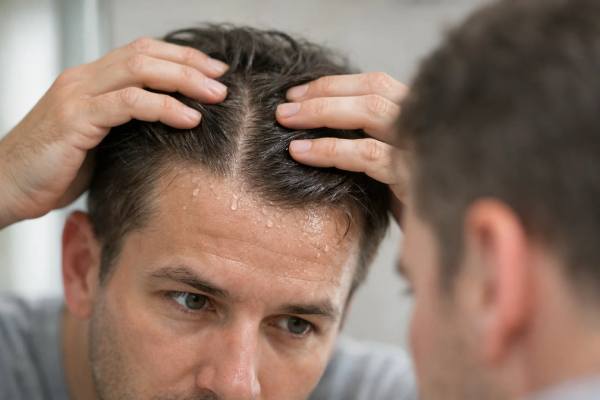
A sweaty scalp is easy to dismiss until it starts shaping your day. Hair falls flat within minutes, roots feel damp again soon after washing, hats become uncomfortable, and itch or odor can creep in even when your routine is otherwise careful. For some people, this is just heat, exercise, or a temporary trigger. For others, it is scalp hyperhidrosis: sweating that is more intense than the body needs for normal temperature control.
That distinction matters. Excess sweat on the scalp does not just create inconvenience. It can amplify flaking, irritate sensitive skin, worsen product buildup, and make styling feel unpredictable. It can also be the first clue that something broader is going on, from medication effects to thyroid disease, menopause, or anxiety-related sweating. The good news is that helpful solutions do exist. The most effective approach starts with identifying the pattern of sweating, then matching it to practical daily changes, better scalp care, and, when needed, medical treatment that targets the sweating itself.
Top Highlights
- Scalp hyperhidrosis can be managed more effectively once you distinguish heat or exercise sweating from persistent excessive sweating.
- The biggest day-to-day gains usually come from lighter scalp products, faster post-sweat cleansing, and wash frequency that matches your scalp rather than your hairstyle.
- New-onset sweating, night sweats, medication-related changes, or sweating with palpitations and weight loss deserve medical attention.
- A practical starting step is to track when sweating happens, what triggers it, and whether it continues during cool conditions or without exertion.
Table of Contents
- What a Sweaty Scalp Can Mean
- Primary Versus Secondary Causes
- How Sweating Affects the Scalp and Hair
- Daily Solutions That Often Help Most
- Medical Treatments for Persistent Scalp Sweating
- When to Seek Medical Evaluation
What a Sweaty Scalp Can Mean
Everyone sweats from the scalp. It is one of the most vascular, heat-responsive areas of the body, and it is often covered by hair, hats, helmets, scarves, wigs, or styling products that hold warmth close to the skin. That means scalp sweat during exercise, hot weather, emotional stress, or a fever is completely normal. Scalp hyperhidrosis is different. It describes sweating that is excessive relative to the situation and disruptive enough to affect comfort, daily function, or confidence.
That may sound subjective, but in real life it becomes clear quickly. People with troublesome scalp sweating often notice that their hair becomes wet at the roots in mild conditions, their forehead and hairline dampen when others seem comfortable, or they need to wash, restyle, or dry the scalp far more often than expected. The pattern tends to feel out of proportion to the environment.
A few common features make scalp hyperhidrosis more likely:
- sweating begins with minimal heat or effort
- the scalp feels wet even in air-conditioned spaces
- the hairline, nape, or crown become damp repeatedly during the day
- the problem interferes with work, social situations, makeup, or hairstyles
- sweating is frequent enough to shape clothing and product choices
This does not always mean the scalp is the only place involved. Many people with excessive head sweating also notice sweating on the face, forehead, upper lip, neck, underarms, hands, or feet. When the face, scalp, and head are involved together, clinicians often think in terms of craniofacial hyperhidrosis rather than a scalp-only problem.
The important nuance is that sweat itself is not automatically harmful. Sweat is part of normal thermoregulation. The trouble comes from the consequences of too much of it in the wrong context. Repeated wet-dry cycles can make roots collapse, encourage scalp odor, dissolve styling products into a film, and create more friction from constant touching, blotting, or redoing the hair. In people prone to dandruff or seborrheic dermatitis, a persistently sweaty scalp can make symptoms harder to control. If flakes and oiliness are part of your pattern, it can help to understand seborrheic dermatitis and its common triggers rather than assuming the issue is sweat alone.
One of the most useful first steps is simply noticing the pattern. Does it happen mostly in heat, mostly with anxiety, mostly under hats, or even without obvious triggers? Does it improve when the scalp is clean and product-light, or does it push through regardless? Those answers help separate a hair-routine problem from a sweating problem.
A sweaty scalp is not always a diagnosis. Sometimes it is a clue. The value lies in figuring out what it is pointing to.
Primary Versus Secondary Causes
Once scalp sweating seems excessive, the next question is whether it is primary or secondary. That distinction matters because the solutions are different.
Primary hyperhidrosis is excessive sweating without another identifiable disease causing it. It tends to begin earlier in life, often during childhood, adolescence, or early adulthood. It is commonly focal, meaning it affects specific areas such as the scalp, face, palms, soles, or underarms rather than the whole body at once. It often runs in families. People with primary hyperhidrosis may notice that sweating is bilateral, fairly symmetrical, and tied to stress, heat, or seemingly minor triggers. It typically does not continue during sleep.
Secondary hyperhidrosis happens because something else is driving it. The onset is often later. The pattern may be more generalized, more abrupt, or more strongly linked to symptoms outside the scalp. The list of possible causes is broad, but a few categories come up often:
- medications, including some antidepressants, opioids, steroids, and other prescription drugs
- endocrine causes such as overactive thyroid, diabetes, menopause, and certain hormone-related disorders
- infections
- neurologic conditions
- obesity
- alcohol or substance-related triggers
- anxiety or panic symptoms
- rare tumors or systemic illnesses
This is one reason history matters so much. A scalp that has “always run hot” since the teens suggests something different from a scalp that started sweating heavily at 43 after a medication change. The pattern with sleep also helps. Night sweats, especially when new or persistent, push the evaluation away from primary focal sweating and more toward a secondary cause.
Practical clues that point more toward secondary sweating include:
- onset later in adulthood
- sweating during sleep
- generalized sweating beyond the scalp and face
- associated palpitations, tremor, diarrhea, or weight loss
- flushing, fever, or feeling unwell
- recent medication changes
- menopause symptoms
- sudden change from your usual baseline
Scalp-specific triggers can still layer on top of either type. Helmets, wigs, extensions, dense protective styles, frequent blow-drying at the roots, and heavy occlusive scalp oils can make any sweaty scalp feel worse. But those triggers usually amplify an underlying tendency rather than explain everything.
A common mistake is to spend months chasing products when the more important clue is the timing. If the sweating began after a new prescription, after postpartum hormonal shifts, around perimenopause, or with symptoms such as tremor and heat intolerance, the better question is not “Which shampoo will fix this?” but “What changed in my body or my medication list?” That is especially true when sweating is paired with scalp irritation, burning, or discomfort. If the symptom set is broader than moisture alone, this guide to burning scalp triggers and causes can help frame what else may be going on.
The point is not to overmedicalize every sweaty workout. It is to know when excessive scalp sweating is likely a long-standing autonomic pattern and when it is asking for a broader medical explanation.
How Sweating Affects the Scalp and Hair
Scalp hyperhidrosis does not usually damage follicles directly, but it can create a chain of smaller problems that make the scalp feel unhealthy and the hair harder to manage. That is why people often describe the issue in practical terms rather than medical ones. They say their roots feel dirty again by noon, their scalp smells sour after mild heat, or their hairline feels itchy as soon as they start sweating.
The scalp itself reacts to repeated moisture in several ways. Sweat mixes with oil, shed skin, dust, styling residue, and environmental debris. That mixture can sit at the root and turn into a film, especially if wash frequency is low or products are heavy. The result may look like buildup, dandruff, or both. In people already prone to flaking, the extra moisture and oil can make the scalp environment feel more reactive.
This is why excessive sweating often overlaps with symptoms such as:
- itch
- scalp odor
- visible root buildup
- limp or separated roots
- flakes that reappear quickly after washing
- irritation at the hairline or nape
- the urge to rewash or restyle constantly
Hair styling takes a hit too. Sweat weakens volume at the roots, shortens the life of blowouts, softens edge products into residue, and makes silk presses, waves, and stretched styles less stable. Textured hair can frizz at the scalp even when the lengths still look polished. Fine hair can flatten fast. Dense or occlusive styles may trap more heat and worsen the feeling of a constantly damp scalp.
What scalp sweating does not reliably do on its own is cause classic hair loss. That point is worth making clearly. Sweat itself is not usually the reason follicles miniaturize or shut down. But the behaviors that follow can contribute to secondary problems: over-washing, harsh scrubbing, repeated heat at the roots, using too much dry shampoo, or wearing hats and tight styles longer than the scalp tolerates well. Medication side effects can complicate the picture further. Some people experience both sweating changes and shedding changes at the same time, especially when a drug is involved. If that possibility is on your mind, medication-related hair loss patterns can provide useful context.
There is also an odor issue that many people are reluctant to mention. Sweat itself is nearly odorless when it first reaches the skin. Odor develops more from breakdown at the skin surface and from interaction with microbes, oils, and product residue. A sweaty scalp under a hat, helmet, wig, or heavy style can create the perfect conditions for that. If odor is a major part of the experience, common scalp odor causes and fixes can help distinguish sweat from buildup, dandruff, or infection.
The most important insight is that scalp hyperhidrosis is often a comfort-and-maintenance problem before it becomes anything else. That may sound less serious than other scalp disorders, but it still matters. When the scalp is damp too often, it is harder to keep it calm, harder to keep styles predictable, and harder to tell when a second condition is developing underneath.
Daily Solutions That Often Help Most
The most effective daily solutions for a sweaty scalp are usually simple, but they work best when they are consistent. The aim is not to stop all sweat with home care. It is to lower the factors that make sweating feel worse, linger longer, or leave more aftermath behind.
Start with the hair routine itself. Heavy scalp oils, pomades, waxes, thick leave-ins, and dense dry shampoo use can turn ordinary sweat into a more irritating coating. When the scalp is already producing enough moisture, layering occlusive products on top often backfires. Lighter routines usually work better.
Daily strategies that genuinely help many people include:
- choosing lightweight scalp products over heavy oils and butters
- washing often enough to prevent sweat-residue film from building up
- drying the roots after sweating instead of leaving the scalp damp for hours
- using breathable hats, helmet liners, or moisture-wicking headbands
- avoiding repeated high-heat root styling that can trigger more heat buildup
- keeping dense hairstyles looser when possible in hot weather
One of the most practical changes is adjusting wash frequency to your scalp rather than to your hairstyle alone. A sweaty scalp often needs more regular cleansing, even if the mid-lengths and ends do not. That does not mean harsh daily shampooing for everyone. It means being honest about how long your scalp stays comfortable. If it is itchy, greasy-feeling, and coated by day four, stretching to day nine may not be serving you. For a broader framework, this guide on wash frequency by scalp type can help you build a schedule around real scalp behavior.
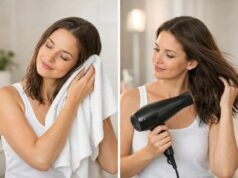
After exercise or heat exposure, the quickest win is often not a full restyle. It is root care. Even a focused scalp rinse, sweat blotting with a clean absorbent cloth, or drying the roots on a cool setting can break the wet cycle before it turns into itch and flattening. The longer sweat sits, the more likely it is to mingle with product and leave the scalp feeling stale.
It also helps to reduce the “panic layering” that sweaty scalp days tend to trigger. A common sequence is sweat, then more dry shampoo, then more edge product, then a tighter hairstyle to hide the roots. By evening, the scalp feels worse than the sweating alone would have caused. When possible, keep the correction small: blot, dry, and reset rather than pile on more product.
If your routine depends heavily on dry shampoo, use it carefully. It can be useful, but it is not a sweat treatment. On a scalp that is repeatedly damp, it can combine with oil and salts into a persistent film. If buildup and irritation are already issues, these tips for using dry shampoo with less itching and buildup are worth applying.
The goal of daily management is not perfection. It is lowering the scalp’s overall burden. A sweaty scalp usually behaves better when it is cleaner, lighter, cooler, and dried promptly after sweat episodes. Those changes do not cure hyperhidrosis, but they often make the difference between a manageable nuisance and an all-day problem.
Medical Treatments for Persistent Scalp Sweating
When home strategies are not enough, medical treatment becomes reasonable, especially if sweating is interfering with work, social life, or hair care on most days of the week. The treatment ladder for scalp and craniofacial hyperhidrosis is real, but it is more nuanced than what is used for underarms because the scalp is hair-bearing, sensitive, and close to the eyes and face.
The first medical step is often topical treatment, but it has limits on the scalp. Aluminum-based antiperspirants are a common starting point for mild hyperhidrosis in general, usually applied to dry skin at night and reduced to maintenance use once symptoms improve. On the scalp, though, they can be less practical because hair interferes with contact and irritation can be more noticeable along the hairline and forehead. That does not make them useless, but it does mean technique and placement matter, and many people do best using them only with clinician guidance if the face or frontal hairline is involved.
Other topical options may include anticholinergic preparations, especially when sweating involves the face and hairline along with the scalp. These work by reducing sweat signaling rather than plugging the sweat duct mechanically. They can help, but they are not casual over-the-counter fixes. Eye exposure, dry mouth, blurred vision, and local irritation are real reasons to use them carefully.
If topical care is not enough, the next steps may include oral medication. Oral anticholinergics, including agents such as oxybutynin or glycopyrrolate, can reduce sweating more broadly. They are often considered when sweating affects multiple sites or when topical approaches are too cumbersome. The tradeoff is side effects. Dry mouth, dry eyes, constipation, urinary retention, and blurred vision can limit how useful they feel in daily life. Some people do very well with them. Others stop quickly because the cost in comfort is too high.
For truly focal, stubborn scalp or craniofacial sweating, botulinum toxin is one of the most effective office-based options. It reduces sweat by blocking the nerve signals that activate eccrine glands. This is already well established for some body sites, and newer reviews support its usefulness in selected patients with facial and scalp hyperhidrosis as well. The downside is that it requires injections, expert placement, repeat treatments, and a realistic discussion about cost and duration. Improvement is often meaningful, but it is not permanent.
A practical treatment ladder often looks like this:
- confirm the sweating pattern and rule out secondary causes
- simplify scalp care and reduce product-related aggravation
- try dermatologist-guided topical therapy when appropriate
- consider oral medication if sweating is broader or persistent
- use botulinum toxin when focal scalp or craniofacial sweating remains disruptive
The “best” treatment depends on the pattern. A mostly scalp-and-forehead problem may be managed differently from sweating that also involves the palms, underarms, and trunk. The right treatment is the one that lowers sweating enough to improve daily life without creating side effects that feel worse than the sweat itself.
When to Seek Medical Evaluation
Not every sweaty scalp needs a workup, but certain patterns should move you from self-management to medical evaluation more quickly. The most important red flag is change. Long-standing sweaty roots in a person who has “always been this way” suggest something different from new excessive sweating that appears in adulthood or changes rapidly over a few months.
Get checked sooner if you notice any of the following:
- sweating that begins later in life without a clear reason
- night sweats
- generalized sweating beyond the scalp and face
- sweating that starts after a medication change
- palpitations, tremor, heat intolerance, diarrhea, or weight loss
- fever, flushing, or feeling unwell
- persistent scalp irritation, odor, or rash that does not improve with better cleansing
- visible thinning, increased shedding, or painful scalp symptoms alongside sweating
These clues matter because secondary hyperhidrosis is common enough that it should be considered whenever the pattern does not fit the classic primary picture. Medication review alone can be surprisingly revealing. Endocrine issues, menopause transitions, anxiety syndromes, and infections may also surface through the history.
Medical evaluation is also worthwhile when the main issue is not danger, but burden. If you are planning your week around scalp sweat, choosing hairstyles only for concealment, washing far more often than your hair tolerates, or avoiding social settings because your roots and hairline feel wet, the problem is already significant enough to justify help. Hyperhidrosis is not trivial just because it is not life-threatening.
A dermatologist or primary care clinician may ask about:
- age of onset
- whether sweating stops during sleep
- family history
- exact body areas involved
- triggers and timing
- associated symptoms
- medication and supplement use
- the degree to which sweating interferes with daily life
That history often points the way more clearly than product experiments do. In some cases, the next step is simple reassurance plus a targeted treatment plan. In others, it leads to blood work, medication changes, or a more focused medical evaluation. If sweating is part of a broader scalp symptom pattern rather than an isolated issue, this guide to itchy scalp causes and when to worry can help frame whether irritation, dermatitis, or another scalp condition may also need attention.
The core message is reassuring but important: excessive scalp sweating is real, it can be treated, and it is worth addressing when it starts disrupting your life. The best results usually come when the sweating pattern is understood early, before the cycle of buildup, itch, and overcorrection becomes your new normal.
References
- Primary hyperhidrosis: an updated review 2025 (Review)
- A Review of the Etiologies and Key Clinical Features of Secondary Hyperhidrosis 2025 (Review)
- Hyperhidrosis: assessment and management in general practice 2024 (Clinical Review)
- Current treatment options for craniofacial hyperhidrosis 2020 (Review)
- Beyond the axilla: The evolving role of botulinum toxin in the treatment of facial, scalp, and focal hyperhidrosis 2025 (Systematic Review)
Disclaimer
This article is for educational purposes only and is not a substitute for medical advice, diagnosis, or treatment. Excessive scalp sweating can be part of primary hyperhidrosis, but it can also reflect medication effects, hormonal changes, endocrine disease, infection, anxiety-related sweating, or other medical conditions. Seek professional evaluation if sweating is new, worsening, occurs at night, is associated with other symptoms, or is interfering significantly with daily life.
If this article helped, please share it on Facebook, X, or your preferred platform so more readers can recognize when a sweaty scalp is just a nuisance and when it deserves a closer look.