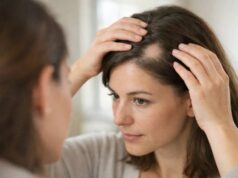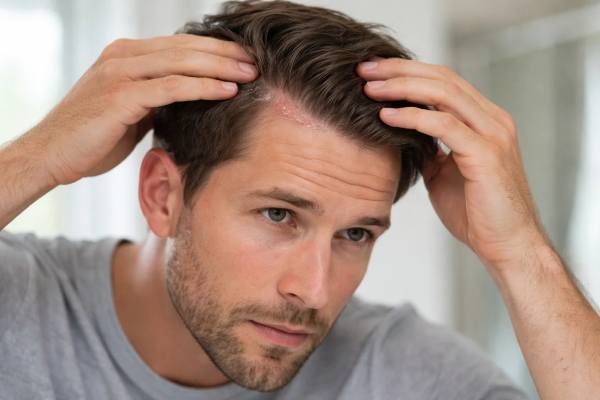
A persistently flaky scalp is easy to dismiss as dandruff, especially when the first signs are scattered scale and itching. Scalp psoriasis is different. It tends to produce thicker, more stubborn plaques, stronger inflammation, and a cycle of shedding, scratching, and discomfort that can affect sleep, confidence, and hair care routines. Because hair partly hides the skin, many people do not realize how inflamed the scalp has become until the itching worsens or patches creep beyond the hairline.
This condition can range from mild, with fine powdery flaking, to severe, with dense scale, burning, and temporary hair shedding. It is also one of the more frustrating places to treat because medication must reach the skin without simply coating the hair. The good news is that scalp psoriasis is manageable. A thoughtful plan can reduce itch, soften scale, calm inflammation, and help prevent repeat flares. The key is understanding what you are treating, what tends to trigger it, and which options are most likely to work on a hair-bearing scalp.
Quick Facts
- Scalp psoriasis often improves with a combination of anti-inflammatory treatment, scale removal, and trigger control.
- The condition can cause temporary shedding or breakage, but it does not usually destroy hair follicles.
- Thick scale and plaques that extend beyond the hairline are more suggestive of psoriasis than simple dandruff.
- Strong scalp treatments should usually be used in short, guided courses rather than indefinitely.
- Applying medicine directly to parted rows of scalp skin, not onto the hair shaft, improves the chance of success.
Table of Contents
- What Scalp Psoriasis Actually Is
- Symptoms and Common Look-Alikes
- Why Flares Happen
- How Diagnosis and Severity Are Judged
- Treatment Options That Work
- Hair Loss, Daily Care, and Long-Term Control
What Scalp Psoriasis Actually Is
Scalp psoriasis is a chronic inflammatory condition in which the immune system pushes skin cells to turn over too quickly. Instead of shedding in an orderly way, cells build up on the scalp surface and form thick, adherent scale. Under that scale, the skin is inflamed. This is why the condition does not behave like ordinary dryness. The visible flakes are only part of the picture; the deeper problem is ongoing immune-driven irritation.
For many people, scalp involvement is part of plaque psoriasis, the most common form of psoriasis. The scalp may be the first area affected, or it may appear alongside plaques on the elbows, knees, lower back, around the ears, or near the navel. In some cases it remains mostly limited to the scalp for long periods, which can make diagnosis feel confusing. Someone may assume they just have “bad dandruff” because the rest of the skin looks normal.
The location creates special challenges. Hair blocks easy access to the skin, so creams and ointments that work elsewhere on the body may be awkward on the scalp. Scale can also trap medication before it reaches the inflamed skin below. That is one reason scalp psoriasis often needs a layered approach: first loosen the scale, then calm inflammation, then maintain control with a routine that is practical enough to keep using.
A few features are worth keeping in mind:
- It is not contagious.
- It is not caused by poor hygiene.
- It can itch intensely, but it may also sting, burn, or feel tight.
- It often comes and goes in flares rather than staying the same every week.
- It can affect a small patch or nearly the entire scalp.
Scalp psoriasis can also behave differently across skin tones. On lighter skin it may appear pink to red with silvery scale. On darker skin it may look violet, deep red, or brownish with gray-white scale. Because color can vary, texture and pattern often tell the clearer story: thick plaques, more defined borders, and scale that clings rather than dusts away.
A useful way to think about scalp psoriasis is as a condition with two layers of impact. The first is physical: itching, soreness, visible flakes, and irritation. The second is practical: trouble styling hair, discomfort with darker clothing, sleep disruption, and stress from repeated flares. That second layer matters because it shapes treatment choices. The best regimen is not simply the strongest one. It is the one that reaches the scalp, fits daily life, and can be repeated when the condition predictably returns.
Symptoms and Common Look-Alikes
The most recognized symptom of scalp psoriasis is scale, but the condition usually announces itself in a fuller pattern. The scalp may itch, feel sore after scratching, burn during sweating, or become tender when brushing or washing. The scale can range from fine flaking to thick plates that cling to the skin and lift in larger pieces. Some people see plaques only in one region, such as the back of the scalp, temples, or crown. Others develop diffuse involvement across most of the head.
A classic clue is spread beyond the hairline. Psoriasis can extend onto the forehead, behind the ears, and down the back of the neck. That “edge effect” is not universal, but when it is present it helps separate psoriasis from simpler causes of flakes. Another clue is the feel of the plaques. Psoriasis tends to be thicker, more sharply defined, and more persistent than routine scalp dryness.
Common symptoms include:
- Thick white, gray, or silvery scale
- Red, violet, or darker inflamed patches beneath the scale
- Itching that can be mild or intense
- Burning, soreness, or scalp tightness
- Bleeding after picking or forceful scale removal
- Temporary hair shedding or short broken hairs from scratching
The biggest source of confusion is dandruff, especially dandruff linked to seborrheic dermatitis. Both can cause flakes and itching. The difference is often one of degree and texture. Dandruff tends to produce finer, greasier scale and less sharply bordered inflammation. Psoriasis usually forms thicker plaques, more persistent scale, and more obvious inflammation. The two conditions can also overlap, which is why some scalps respond partly to dandruff shampoos but never fully clear. For a closer comparison, this guide to dandruff and dry scalp differences can help readers sort out common confusion points.
Other look-alikes include contact dermatitis from hair dye or fragranced products, scalp eczema, fungal infection, and some forms of scarring alopecia. These alternatives matter because they change the treatment plan. For example, a fungal infection may cause patchy hair loss and scaling, while allergic contact dermatitis may produce more diffuse burning, stinging, or swelling after product use.
The scalp’s limited “vocabulary” is what makes self-diagnosis tricky. A handful of different disorders can all cause itch, flakes, and redness. What tends to favor psoriasis is persistence, plaque-like thickness, repeat flares, extension beyond the hairline, and a history of psoriasis elsewhere or in close relatives. Nail changes such as pitting or lifting can also strengthen suspicion.
If flakes are increasing, the scalp hurts, or hair shedding has become noticeable, it is worth looking beyond the word “dandruff.” A more precise label often leads to faster relief, better treatment choices, and less damage from over-scrubbing or repeatedly switching products that do not address the real problem.
Why Flares Happen
Scalp psoriasis is not caused by one single exposure, food, or shampoo. It develops from an underlying immune tendency, often with a genetic component, and then flares when internal or external triggers push the scalp into a more inflamed state. That is why symptoms may seem quiet for weeks and then suddenly intensify without any obvious infection or major routine change.
The scalp is a particularly flare-prone site because it combines several aggravating factors at once: heat, sweat, friction, styling products, and the mechanical stress of combing, brushing, and scratching. On top of that, thick hair can make it harder to remove scale gently and harder to apply medication evenly, so inflammation can linger longer than it does on bare skin.
Common triggers include:
- Psychological stress
- Cold, dry weather
- Illnesses, especially after infections
- Skin injury, scratching, or forceful picking
- Irritation from dyes, fragrances, or harsh styling products
- Inconsistent treatment during early warning signs
- Smoking, heavy alcohol use, and poor sleep in some people
The role of injury is especially important. Psoriasis can worsen in areas of repeated friction or trauma, a pattern sometimes called the Koebner response. On the scalp, that can mean vigorous scratching, aggressive scale lifting, tight protective styles, or frequent picking at “one stubborn patch.” The irritation is not the root cause of psoriasis, but it can make a mild flare much harder to settle.
Stress also matters more than many people expect. It does not create psoriasis from nothing, but it can intensify itch and increase the tendency to touch or scratch the scalp. That turns a flare into a feedback loop: inflammation causes itch, scratching worsens inflammation, and visible flaking increases stress. Breaking that cycle is part of treatment, not just a side note.
Another common misconception is that scalp psoriasis must be triggered by poor product choices alone. Hair products can certainly irritate the scalp or make plaques feel worse, but they usually act as amplifiers rather than sole causes. If a product burns, stings, or seems to trigger a rash beyond a known psoriasis pattern, another problem such as allergy or irritation may be layered on top. In those situations, patch testing for scalp product reactions may be more useful than endless product swapping.
The practical lesson is that flare control usually works best when it is two-part. First, calm the inflammation with the right treatment. Second, reduce the factors that keep reactivating it. People often focus only on medication, then wonder why symptoms rebound. A trigger-aware routine makes treatment more effective and makes maintenance feel less like starting over every few weeks.
How Diagnosis and Severity Are Judged
Doctors usually diagnose scalp psoriasis through history and examination. The pattern often tells a great deal: long-lasting plaques, thick scale, itching or burning, flares over time, and possible psoriasis elsewhere on the body. A clinician will often look not only at the scalp, but also at the ears, hairline, elbows, knees, nails, and lower back. Nail pitting, nail lifting, or classic plaques outside the scalp can make the diagnosis much clearer.
The exam also helps rule out conditions that look similar. Seborrheic dermatitis, allergic contact dermatitis, fungal infection, and some inflammatory hair disorders can all mimic parts of scalp psoriasis. This matters because a treatment that helps one condition may do little for another. A strong steroid might calm psoriasis, for example, but an untreated fungal infection would need a different approach.
Severity is not judged only by how much scalp surface is involved. A relatively small patch can still be severe if it causes intense itch, sleep disruption, embarrassment, bleeding, or daily styling problems. That is one reason scalp disease can feel disproportionately burdensome. A person may have limited body psoriasis but still feel significantly affected because the scalp is so visible and so difficult to treat.
During assessment, clinicians often consider:
- How much of the scalp is involved
- How thick and adherent the scale is
- How inflamed the skin looks
- How much itch, pain, or burning is present
- Whether there is hair shedding or breakage
- How much the condition affects sleep, work, and quality of life
Sometimes dermoscopy, a magnified scalp exam, helps distinguish psoriasis from other scalp disorders. A biopsy is not required in most straightforward cases, but it may be considered when the appearance is atypical, treatment has failed, or there is concern for scarring disease. Readers who want to understand what that process can clarify may find this overview of what a scalp biopsy can reveal useful.
Diagnosis should also extend beyond the scalp itself. Clinicians may ask about joint pain, morning stiffness, swollen fingers, or back pain because psoriasis can coexist with psoriatic arthritis. That does not mean every itchy scalp points to joint disease, but it is an important reason not to treat scalp plaques as a purely cosmetic issue.
Medical review is especially important when the scalp is very painful, crusted, rapidly worsening, or associated with notable hair loss. Those features do not automatically rule out psoriasis, but they raise the need for a closer look. A good diagnosis does more than attach a label. It separates likely psoriasis from look-alikes, measures how disruptive the condition really is, and sets the stage for a treatment plan that matches both the biology of the disease and the realities of caring for hair.
Treatment Options That Work
Scalp psoriasis treatment works best when it is practical enough to use consistently and strong enough to calm inflammation quickly. Because the scalp is covered with hair, the most helpful treatments are often solutions, foams, gels, sprays, lotions, or medicated shampoos rather than thick creams. The goal is to reach the skin without making the hair so greasy or stiff that the routine becomes impossible to maintain.
For mild to moderate scalp psoriasis, first-line treatment often starts with a topical corticosteroid. These reduce redness, scale, itch, and soreness more reliably than most other scalp treatments. They are commonly used once daily for a short course, often a few weeks, and then stepped down or rotated. Combination products that pair a corticosteroid with a vitamin D analogue can be especially useful when a plaque is thick and recurrent.
Scale management is the second major pillar. Thick scale blocks medication, so softening it first can make the anti-inflammatory treatment work better. This may involve a keratolytic ingredient such as salicylic acid or urea, or a softening step with oil or another prescribed scale-lifting product. The key is gentle removal. Scraping plaques off forcefully often worsens bleeding, pain, and rebound inflammation.
A practical treatment ladder may include:
- A scalp-friendly steroid solution, foam, gel, spray, or shampoo
- A vitamin D analogue or combination prescription for maintenance or added control
- A scale softener when plaques are thick and medication is not penetrating well
- Medicated shampoos as supportive care, not always as stand-alone treatment
- Phototherapy or systemic treatment when scalp disease is extensive, stubborn, or paired with significant body psoriasis
Medicated shampoos can help, but they are often misunderstood. They may reduce scale or itching, yet they do not always provide enough anti-inflammatory effect on their own. Many people do best when shampoo is treated as an accessory step rather than the entire plan. If a shampoo is prescribed, leaving it on the scalp for the instructed contact time matters more than washing quickly.
For moderate to severe disease, or scalp psoriasis that keeps returning despite solid topical care, doctors may consider phototherapy, oral medicines, or biologics. These options are more likely when scalp plaques are part of broader psoriasis, when itching is severe, or when quality of life is significantly affected. They can be especially helpful in people whose plaques recur as soon as topical treatment stops.
Application technique is often the hidden difference between failure and success. Part the hair in rows, place medicine on the skin rather than the hair, and treat the most active areas first. Avoid layering multiple irritants at once. During a flare, even a well-meant exfoliating routine can backfire. If you are unsure whether a supportive cleanser belongs in the routine, it helps to understand how medicated and antifungal washes differ from simple cleansing in guides such as anti-dandruff shampoo ingredient breakdowns.
The most successful treatment plans are not the most complicated. They are the ones that control inflammation early, soften scale safely, and leave room for maintenance before the next flare becomes severe.
Hair Loss, Daily Care, and Long-Term Control
Hair changes are one of the most distressing parts of scalp psoriasis, but they are often temporary. The condition does not usually cause permanent follicle destruction on its own. More often, visible thinning comes from inflammation, scratching, picking, forceful scale removal, and temporary shedding during a bad flare. Hair can also look thinner simply because dense plaques push strands apart and make scalp visibility more obvious.
That distinction matters. When inflammation settles and trauma decreases, the hair often recovers gradually. The timeline is not immediate, though. Even after itch and scale improve, broken hairs need time to grow and shed cycles need time to normalize. This delay can make progress feel slower than it really is.
Daily care during a flare should focus on reducing friction and improving treatment adherence. Helpful habits include:
- Wash often enough to control scale and product buildup, but not so aggressively that the scalp feels stripped
- Use lukewarm rather than very hot water
- Loosen scale gently instead of picking it
- Avoid tight hairstyles that pull on already inflamed skin
- Limit harsh dyes, strong fragrance, and heavy styling residue during active flares
- Keep nails short if scratching during sleep is common
The right washing frequency depends on hair type, oil production, scale burden, and treatment plan. Someone with dense plaques may need more frequent cleansing than they expect because controlled washing can reduce scale and improve medication contact. Someone with a dry, curly, or coily hair pattern may need a more deliberate balance between cleansing and scalp comfort. A broader guide to how often to wash by scalp type can help when routine questions start affecting control.
Long-term management is usually about pattern recognition. Notice whether flares follow stress, winter weather, illness, missed treatment, or specific cosmetic exposures. Many people benefit from keeping one short “flare plan” ready: what to use first, when to add scale softening, and when to book care instead of trying another month of guesswork.
You should seek prompt medical review if scalp psoriasis is bleeding often, disrupting sleep, causing marked hair shedding, or not responding to a reasonable topical plan. Joint pain or morning stiffness also deserves mention, since scalp psoriasis can exist alongside psoriatic arthritis. More broadly, people dealing with persistent inflammation and hair change may find it helpful to review when scalp symptoms and hair loss warrant specialist care.
The overall outlook is encouraging. Scalp psoriasis can be stubborn, but it is treatable. Better control usually comes from a realistic routine, earlier treatment of flares, gentler scale handling, and a plan that fits your hair texture and daily life. The aim is not perfect skin every single day. It is a scalp that is calmer, more predictable, and far less disruptive than it was before.
References
- Scalp Psoriasis: A Literature Review of Effective Therapies and Updated Recommendations for Practical Management 2021 (Review). ([PMC][1])
- Treatment of Scalp Psoriasis 2022 (Review). ([PubMed][2])
- Systemic therapy in treating palmoplantar and scalp psoriasis: A systematic review and network meta-analysis 2024 (Systematic Review). ([PubMed][3])
- 2023 guidelines on the management of psoriasis by the Dermatological Society of Singapore 2024 (Guideline). ([PubMed][4])
Disclaimer
This article is for educational purposes only and is not a substitute for medical diagnosis or personalized treatment. Scalp psoriasis can overlap with dandruff, contact dermatitis, fungal infection, and other inflammatory scalp disorders. Seek medical care if you have severe pain, pus, rapidly worsening hair loss, frequent bleeding, joint symptoms, or symptoms that do not improve with appropriate treatment.
If this article helped, please share it on Facebook, X, or another platform you use so more people dealing with scalp psoriasis can find clear, practical guidance.