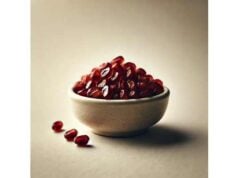
Shahi jeera, often called imperial or royal cumin, is a delicately aromatic seed that can transform a simple dish into something special. Used sparingly in biryanis, rich curries, rice dishes, and breads, it adds a warm, earthy, slightly sweet note distinct from regular cumin. Beyond its culinary value, shahi jeera (botanically linked to Bunium persicum and related species) contains essential oils, phenolic compounds, and minerals that may support antioxidant defenses, digestive comfort, and metabolic health when enjoyed as part of a varied diet.
Because it is a potent spice, most people consume very small quantities, yet its concentrated plant compounds have attracted growing scientific interest. At the same time, it is important to distinguish shahi jeera from other “black cumin” spices and to understand when concentrated extracts or essential oils might pose risks. This article walks through its origins, nutritional profile, evidence-informed benefits, practical kitchen uses, and safety considerations so you can use shahi jeera with knowledge and confidence.
Key Takeaways for Shahi Jeera
- Shahi jeera is a fragrant black cumin–type seed with essential oils and polyphenols that can enhance flavor and antioxidant intake.
- Laboratory and animal research suggests antimicrobial, anti-inflammatory, and metabolic effects, but human evidence is still limited.
- A practical culinary serving is about 1–2 grams (roughly ½–1 teaspoon) of whole seeds, used several times per week in cooking.
- People with seed allergies, sensitive digestion, or who use concentrated essential oil or herbal mixtures should seek professional guidance before regular or high-dose use.
Table of Contents
- Shahi Jeera History and Uses
- Shahi Jeera Nutrition and Components
- Research Backed Benefits of Shahi Jeera
- Risks, Allergies and Interactions
- Buying and Storing Shahi Jeera
- Cooking Shahi Jeera to Preserve Nutrients
- Portions, Comparisons and FAQs
Shahi Jeera History and Uses
Shahi jeera is a traditional spice of Central and South Asia, especially valued in northern India, Afghanistan, Iran, and surrounding regions. It comes from plants in the Apiaceae family, closely related to cumin, caraway, and other aromatic umbellifer herbs. The seeds are slender, curved, and darker than regular cumin, with very fine ridges and a distinctive aroma that is often described as nutty, earthy, and slightly floral.
The name “shahi” means “royal” in several Indo-Persian languages, reflecting its association with festive and courtly dishes. It is also sold under names like kala jeera (black cumin), royal cumin, or black caraway. To complicate matters, other spices—especially Nigella sativa and some caraway species—are also called “black cumin” in different traditions, which can cause confusion. True shahi jeera from Bunium or closely related species tends to be longer, thinner, and more delicately flavored than either regular cumin or nigella.
Culinarily, shahi jeera is often used whole. It appears in:
- Aromatic rice dishes such as biryani and pulao
- Creamy korma and rich, slow-cooked meat curries
- Flavored breads, naans, and parathas
- Spice blends for legumes, lentil soups, and vegetable dishes
The seeds may be dry-roasted or fried briefly in ghee or oil to release their essential oils before other ingredients are added. This technique, known as tempering or “tadka,” creates a fragrant base for a dish with very little spice by weight.
In traditional systems of medicine, related black cumin–type seeds have long been used as digestive aids, carminatives (to help relieve gas), and tonics after childbirth or illness. Contemporary research into Bunium persicum and allied species focuses on their essential oils and extracts, which contain aromatic compounds with potential antimicrobial and antioxidant activity.
Because shahi jeera is relatively rare and labor intensive to harvest—each plant yields only a small volume of seed—it is often more expensive than common cumin. This scarcity contributes to its “special occasion” status and encourages cooks to use it thoughtfully, as a finishing or accent spice rather than in large quantities.
Altogether, shahi jeera sits at the intersection of culinary tradition and emerging nutritional science: an heirloom spice with a long cultural story that modern research is only beginning to fully explore.
Shahi Jeera Nutrition and Components
Like most whole spices, shahi jeera is nutrient dense on a per-gram basis but eaten in very small amounts. Detailed nutrient tables specifically for Bunium persicum are limited, yet available analyses and its close relationship to cumin suggest a broadly similar composition: a mix of fats, proteins, carbohydrates, and fiber, plus a concentrated profile of minerals and bioactive phytochemicals.
Per 100 grams of related cumin-type seeds, you typically see energy in the mid-300 kilocalorie range, with total fat around the low-20-gram mark, mostly from unsaturated fatty acids. Protein often falls in the high teens per 100 grams, and carbohydrates in the low-to-mid 40-gram range, including close to 10 grams of dietary fiber. Shahi jeera’s exact numbers may differ somewhat, but in practice you might only use 1–2 grams in a dish, meaning its direct contribution to daily macronutrient intake is modest.
Its micronutrient and phytochemical contribution, however, can still be meaningful when used frequently. The seeds contain:
- Essential oils rich in compounds such as aldehydes and terpenes, which are central to the spice’s fragrance and have been studied for antimicrobial, antioxidant, and digestive effects.
- Phenolic compounds and flavonoids, which can help neutralize free radicals and influence inflammatory pathways. Different extraction methods (for example, hydroalcoholic versus steam-distilled essential oils) pull out slightly different profiles of these compounds.
- Fixed oils (non-volatile fats), including polyunsaturated fatty acids like linoleic acid and monounsaturated fats such as oleic acid.
- Minerals including calcium, iron, magnesium, and potassium, present at relatively high concentrations per 100 grams, though the small serving size means shahi jeera acts more as a “booster” than a primary source.
A key distinction is between whole seeds and concentrated products. Whole shahi jeera used in everyday cooking delivers low doses of plant compounds spread across meals. Essential oils, tinctures, or encapsulated extracts may contain much higher levels of active constituents per serving. That difference explains why studies on Bunium persicum essential oil sometimes report strong effects in laboratory systems, while culinary use is more about gentle, cumulative support.
Bioavailability also matters. Light roasting or tempering in fat helps release essential oils and may improve the accessibility of some lipophilic (fat-loving) constituents, though very high heat for prolonged periods can degrade delicate aromatic molecules. Ground shahi jeera exposes more surface area and can deliver flavor and phytochemicals more quickly, but its oils also oxidize faster if not stored properly.
In everyday terms, you can think of shahi jeera as a micro-dose provider of beneficial plant compounds: each pinch is small, but over weeks and months these contributions add up within a varied, spice-rich diet.
Research Backed Benefits of Shahi Jeera
Scientific interest in shahi jeera and related Bunium persicum seeds has increased over the past decade. Much of the research looks at extracts and essential oils rather than the tiny amounts used in home cooking, yet the findings offer useful clues about potential health-supportive roles.
Antioxidant and anti-inflammatory activity
Laboratory and animal studies suggest that Bunium persicum extracts can scavenge free radicals, reduce oxidative stress markers, and modulate inflammatory signaling molecules. Essential oils and phenolic-rich extracts have demonstrated the ability to reduce oxidized substrates in test systems and to improve antioxidant enzyme activity in experimental models. These properties may help protect lipids, proteins, and DNA from damage, especially when combined with other plant foods rich in antioxidants.
Antimicrobial and food-preserving potential
The essential oil of Bunium persicum has shown activity against a range of bacteria and fungi, including some foodborne pathogens, in laboratory tests. Researchers have examined it alone and in combination with other agents to inhibit microbial growth and, in some cases, to enhance the shelf life of perishable foods. While sprinkling shahi jeera on a dish will not make it sterile, this evidence supports the traditional practice of using aromatic spices in preservation and may inform future natural food-protection strategies.
Metabolic and digestive effects
Reviews of Bunium persicum highlight possible lipid-lowering and glucose-modulating effects observed in animal experiments and early human work. Extracts have been reported to improve blood lipid profiles, reduce total cholesterol and triglycerides, and influence blood sugar control in some models. In traditional medicine, black cumin–type spices are used for bloating, appetite regulation, and post-meal digestive comfort, which aligns with modern observations of their carminative and motility-modulating effects.
Parasitic and specialized medical applications
A notable line of research has explored Bunium persicum essential oil as a scolicidal agent—meaning it can inactivate parasitic structures involved in certain tapeworm-related cyst diseases. Experimental work suggests high-concentration essential oil can effectively kill these parasitic forms with limited toxicity in animal models. This is highly specific to clinical procedures under specialist care and is not relevant to culinary use, but it underscores the potency of concentrated extracts.
Realistic expectations for everyday use
It is important to distinguish between the doses and preparations used in research and what you might use at home. Many studies apply essential oils in milligram-per-milliliter concentrations or give animals relatively high doses of extracts relative to body weight. Eating a teaspoon of shahi jeera in your biryani will not replicate those conditions. Instead, everyday benefits are likely to be:
- Subtle support for antioxidant and anti-inflammatory capacity alongside other plant foods
- Enhanced enjoyment of healthy dishes, which can encourage more home cooking
- Possible gentle digestive support and improved tolerance of rich foods
Overall, current evidence paints shahi jeera as a promising functional spice with multiple bioactive properties. However, the human clinical evidence base is still modest, and shahi jeera should be viewed as a helpful part of an overall diet and lifestyle, not a stand-alone treatment for specific diseases.
Risks, Allergies and Interactions
For most people, culinary amounts of shahi jeera are considered low risk. The spice has been used for generations as a flavoring in foods and drinks, and overviews generally describe it as safe when consumed in normal dietary quantities. Still, a few important cautions are worth understanding.
Digestive tolerance and irritation
Because shahi jeera is aromatic and slightly bitter, some people may notice digestive sensations—often positive, such as reduced bloating or a feeling of better digestion. Yet in individuals with highly sensitive stomachs, gastritis, reflux, or functional bowel disorders, strong seasonings of any kind may trigger symptoms. When you first add shahi jeera to your cooking, it is wise to start with a small amount and track how you feel.
Allergic reactions and cross-sensitivity
Allergy to shahi jeera appears uncommon, but reactions to other Apiaceae family members (such as celery, anise, fennel, or coriander) are well described. Because shahi jeera belongs to the same botanical family, cross-reactivity is possible. Symptoms can include itching in the mouth, hives, swelling, or, in rare severe cases, difficulty breathing. Anyone with known seed or spice allergies should be cautious and seek allergy evaluation if they suspect sensitivity to cumin-type spices.
Concentrated essential oils and extracts
Most safety concerns arise not from culinary use but from stronger preparations like essential oils, alcoholic extracts, or capsules prepared from concentrated Bunium persicum. Animal studies on acute and sub-acute toxicity suggest a generally favorable safety margin, yet they also underline that essential oils can have measurable effects on organs such as the liver and kidneys at high intake levels. These products should never be taken casually or in large doses without professional guidance.
Drug interactions
There is limited direct research on shahi jeera–drug interactions. However, because its essential oil components can influence detoxification enzymes and cell membranes in experimental systems, caution is prudent in people taking medications with a narrow therapeutic window, such as certain blood thinners, anti-seizure medicines, or immunosuppressants. Combining concentrated herbal extracts from multiple sources can further complicate this picture.
Pregnancy, breastfeeding, and children
Traditional practices sometimes use black cumin–type spices in postpartum care and children’s remedies, but these uses occur in controlled cultural contexts and doses. High-dose supplements or essential oils are generally discouraged during pregnancy, breastfeeding, or early childhood unless prescribed and monitored by a knowledgeable clinician. For home cooking, modest amounts of shahi jeera in family meals are usually acceptable, but it is best to avoid giving strong herbal preparations to infants and young children.
Quality, purity, and mislabeling
Because shahi jeera is relatively expensive and visually similar to other small seeds, there is potential for mislabeling or adulteration. Some products marketed as “black cumin” may actually contain a mixture of species with slightly different safety and pharmacological profiles. Purchasing from reputable suppliers and using modest quantities helps reduce these risks.
In summary, shahi jeera as a culinary spice is low risk for most healthy adults when used in typical amounts. Higher-risk situations involve allergies, existing digestive disease, pregnancy, complex medication regimens, or the use of concentrated oils and extracts. In these settings, expert advice is essential.
Buying and Storing Shahi Jeera
Because shahi jeera is a premium spice, it is worthwhile to choose and store it carefully so you capture its full value.
How to recognize authentic shahi jeera
True shahi jeera seeds are:
- Slender and curved, finer and longer than regular cumin
- Dark brown to nearly black, often with subtle lighter ridges
- Strongly aromatic when crushed, with a warm, earthy, slightly sweet scent
They should not be confused with nigella seeds (which are angular, matte black, and less aromatic when crushed) or with standard caraway (slightly wider, lighter, and more pungently herbal). Specialty spice shops and well-curated South Asian grocers are often better sources than generic labels such as “black cumin” alone.
Quality indicators at purchase
When shopping, look for:
- Whole seeds with a uniform color and shape
- Minimal dust or broken fragments at the bottom of the container
- Strong, pleasant aroma after gently rubbing a few seeds between your fingers
- Packaging that protects from light and moisture (opaque bags or tinted jars)
If you buy from a bulk bin, make sure turnover is high, the container is covered, and the spice smells fresh rather than musty or flat.
Storage to preserve flavor and potency
Once at home, transfer shahi jeera to an airtight glass jar if it did not already come in one. Store it in a cool, dark cupboard away from heat sources like the stove or direct sunlight. Under these conditions, whole seeds can retain good flavor for a year or longer, although the most vivid aroma is usually enjoyed within the first several months.
Ground shahi jeera loses its fragrance faster because the volatile oils are more exposed to air. For best results:
- Grind small amounts as needed in a spice grinder or mortar and pestle
- If you must store ground spice, use a tightly sealed jar and aim to use it within a few months
Sustainability and ethical sourcing
Shahi jeera is often harvested from plants that yield only a few grams of seed each, which helps explain its high price. To support sustainable practices:
- Buy from suppliers who clearly identify the species and origin
- Choose smaller amounts you know you will use rather than large bags that may go stale
- Consider brands that highlight fair trade or smallholder partnerships when available
By treating shahi jeera as a valued ingredient—purchased thoughtfully, stored correctly, and used with care—you can enjoy its full aromatic and nutritional potential while minimizing waste.
Cooking Shahi Jeera to Preserve Nutrients
The way you cook with shahi jeera determines not only how your dish tastes but also how much of the spice’s beneficial compounds survive to your plate. Its essential oils are both the source of its aroma and the carriers of many bioactive molecules, so your goal is usually to release them into the food without burning or volatilizing them completely.
Tempering in fat
One classic technique is to briefly fry the seeds in hot ghee, butter, or oil at the beginning of cooking. This:
- Warms the seeds and opens their structure.
- Allows essential oils to dissolve into the fat.
- Carries flavor evenly through the dish when other ingredients are added.
To protect delicate compounds, the oil should be hot but not smoking. The seeds will sizzle and darken slightly while releasing a nutty fragrance; this usually takes less than a minute. Over-frying them until very dark brown or black can lead to bitter flavors and partial degradation of beneficial phytochemicals.
Dry-roasting for deeper flavor
Another method is dry-roasting in a small pan over medium heat. Stir the seeds continuously until they become fragrant and just a shade deeper in color, then cool and grind if desired. Gentle dry-roasting can enhance certain toasted flavor notes and may help release some phenolic compounds, but very high, prolonged heat risks destroying both volatile oils and heat-sensitive antioxidants.
Using whole vs. ground
Whole seeds:
- Keep longer and resist oxidation.
- Provide bursts of flavor when bitten into.
- Work well in rice, pilafs, breads, and pickles.
Ground shahi jeera:
- Disperses flavor more uniformly.
- Integrates well into marinades, rubs, and masala blends.
- Is more vulnerable to loss of aroma over time.
From a nutrition perspective, both forms deliver similar plant compounds if used soon after preparation, though ground spice might yield slightly better immediate extraction. The trade-off is shelf life, so grinding small batches as needed is a practical compromise.
Pairing for absorption and synergy
Because many of shahi jeera’s constituents are fat soluble, pairing it with healthy fats improves the transfer of compounds into the meal. Dishes that include:
- Ghee, butter, or oils such as mustard, sesame, or olive
- Full-fat yogurt, cream, or coconut milk
- Nut or seed pastes
may help your body access more of the spice’s lipophilic components. Combining shahi jeera with other spices—like turmeric, coriander, ginger, or garlic—also adds layers of phytochemicals that can work together to support antioxidant and anti-inflammatory pathways.
Gentle handling of infusions
If you cook with water-based infusions or herbal teas that contain shahi jeera, steeping in hot (not vigorously boiling) water and covering the container helps retain volatile oils. Adding the infusion near the end of cooking further limits losses.
The key principle is balance: enough heat to unlock flavor and release beneficial compounds, but not so much that the spice burns or its delicate aromatics evaporate. Over time, you will recognize the telltale aroma that signals perfectly tempered shahi jeera and can adjust your technique accordingly.
Portions, Comparisons and FAQs
Because shahi jeera is a strong spice, very small amounts go a long way. Understanding realistic portions and how it compares with similar seeds can help you use it comfortably and safely.
Typical serving size and frequency
In everyday cooking, a common range is:
- About ½–1 teaspoon (roughly 1–2 grams) of whole seeds for a dish serving 2–4 people
- Smaller amounts, such as ¼ teaspoon, in spice blends or seasoning mixes
For most healthy adults, using shahi jeera–seasoned dishes a few times per week is a reasonable pattern. This level is in line with traditional culinary use and well below doses used in most experimental extract studies.
If you are new to the spice or have a sensitive digestive system, start with the lower end of the range and increase gradually as tolerated.
How shahi jeera compares with similar spices
- Regular cumin (jeera): Seeds are thicker, lighter brown, and more pungent, with a slightly harsher earthy note. Nutrition and essential oil profiles overlap, but shahi jeera’s aroma is often described as more refined and slightly sweeter.
- Caraway: Seeds are wider and more boat-shaped, with a pronounced licorice-like, minty note. Caraway is common in European breads and cabbage dishes, while shahi jeera leans toward South and Central Asian recipes.
- Nigella (kalonji/black seed): Small, angular black seeds with a smoky, onion-like flavor and different botanical identity. They are used on naan, pickles, and some Middle Eastern breads but are not the same as shahi jeera, despite shared “black cumin” naming in some languages.
Recognizing these differences helps you choose the right spice for a recipe and avoid accidental substitutions that change both flavor and potential effects.
Common questions
- Can I eat shahi jeera every day?
For most people, small culinary amounts daily are acceptable, as long as you tolerate them well and do not rely on high-dose supplements or oils without supervision. - Is shahi jeera good for weight loss?
No spice on its own will drive weight loss, but using aromatic spices like shahi jeera can make modest, nutrient-dense meals more satisfying. Some research on Bunium persicum suggests support for lipid and glucose metabolism, yet these effects are modest and should be viewed as complementary to broader lifestyle changes. - Is it safe in pregnancy?
Culinary use in food is generally considered acceptable for most pregnant individuals, but concentrated extracts or essential oils should only be used under professional guidance. If you have a history of pregnancy complications or are on medication, discuss herbal spices with your healthcare provider. - Can children have shahi jeera?
Older children can usually enjoy small amounts of shahi jeera in family meals. Avoid giving concentrated preparations to infants and very young children unless explicitly advised by a pediatric clinician.
If you remain unsure how shahi jeera fits into your particular health context, a registered dietitian or healthcare professional who understands both nutrition and herbal products can help tailor advice to your needs.
References
- Critical Review on Nutritional, Bioactive and Medicinal Properties of Bunium persicum 2025 (Systematic Review)
- Chemical Composition, Antioxidant and Antibacterial Activities of Bunium persicum Essential Oil 2018 (Experimental Study)
- Evaluation of the Acute and Sub-acute Toxicity of the Black Caraway Bunium persicum Essential Oil 2019 (Toxicology Study)
- Bunium persicum: An Overview on Phytochemistry and Therapeutic Potential 2018 (Review)
- Role of Bunium persicum in Human Life 2022 (Review)
Disclaimer
This article is intended for general information and educational purposes only. It does not provide medical advice, diagnosis, or treatment, and it should not be used as a substitute for consultation with qualified healthcare professionals. Individual responses to shahi jeera and other spices can vary, especially in the presence of allergies, digestive disorders, pregnancy, or complex medication regimens. Always discuss significant dietary or supplement changes with your physician, registered dietitian, or other licensed health professional, and seek prompt medical attention if you experience concerning symptoms after consuming any herb or spice.
If you found this guide useful, you are kindly invited to share it with others on Facebook, X (formerly Twitter), or any platform you prefer. Your thoughtful sharing helps support the continued creation of careful, evidence-informed nutrition and wellness content.