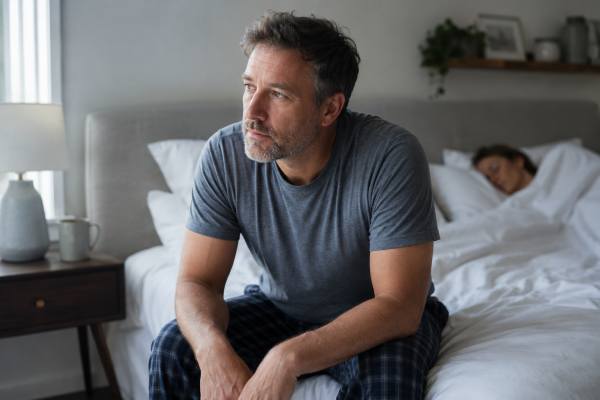
Snoring is often treated like a joke, a bedroom annoyance, or a sign that someone is exhausted after a long day. Sometimes it is harmless. But when loud snoring comes with daytime fatigue, morning headaches, poor focus, low mood, or dozing off during quiet moments, it can point to a breathing problem during sleep. The most common concern is obstructive sleep apnea, a condition where the upper airway repeatedly narrows or closes while you sleep.
Many men miss the pattern because they do not remember waking up. A partner may notice choking, gasping, pauses in breathing, or restless sleep before the person snoring does. Poor sleep habits, alcohol, weight gain, nasal congestion, and stress can all make snoring worse, but persistent fatigue is a reason to look deeper. Treating the cause can improve energy, concentration, blood pressure control, and overall health.
Table of Contents
- Why Snoring and Fatigue Belong Together
- Signs It May Be Sleep Apnea
- Why Men Are More Likely to Miss the Problem
- Health Risks Beyond Being Tired
- What to Check Before the Appointment
- How Sleep Apnea Is Tested
- Treatment Options That Can Improve Energy
- When to Get Medical Help
Why Snoring and Fatigue Belong Together
Snoring happens when air moves through a partly narrowed airway and makes nearby tissues vibrate. The sound may come from the soft palate, tongue base, throat, or nasal passages. Light snoring can happen with a cold, after alcohol, or when sleeping on the back. The concern rises when the airway narrows enough to disturb breathing.
In obstructive sleep apnea, the airway repeatedly becomes partly or fully blocked during sleep. Breathing may become shallow, stop briefly, or require extra effort. The brain then reacts by pulling you out of deeper sleep just enough to reopen the airway. You may not fully wake up or remember it, but the sleep cycle has been interrupted.
That cycle can happen many times per hour. A man may spend eight hours in bed and still wake up feeling unrested because his sleep was broken into small pieces. This is why “I slept long enough” does not always mean “I slept well.”
Fatigue from sleep-disordered breathing can feel different from ordinary tiredness. It may show up as:
- Waking up unrefreshed even after a full night in bed
- Needing caffeine to function
- Dozing off while watching TV, reading, or sitting in traffic
- Trouble concentrating in meetings
- Irritability or low patience
- Morning headaches or dry mouth
- Lower motivation to exercise
- Feeling sleepy instead of simply physically tired
Not all snoring means sleep apnea. Some people snore loudly but breathe normally through the night. Others have sleep apnea without dramatic snoring, especially if they sleep alone and no one notices breathing pauses. The combination of snoring and daytime fatigue deserves attention because it suggests the noise may be part of a larger breathing problem.
Sleep quality also affects hormones, mood, appetite, and recovery. Men who feel drained often wonder first about testosterone, stress, or aging. Those can matter, but sleep is one of the first places to look. Poor breathing at night can overlap with symptoms discussed in low energy in men, including low drive, slower workouts, poor focus, and a sense of dragging through the day.
Signs It May Be Sleep Apnea
The strongest clues often happen while you are asleep. That makes sleep apnea easy to miss unless a partner, roommate, or family member notices it. A phone recording can sometimes catch loud snoring, gasping, or long quiet pauses followed by a snort, but it cannot diagnose the condition.
The signs below help separate simple snoring from a pattern that needs medical evaluation.
| Pattern | More likely simple snoring | More concerning for sleep apnea |
|---|---|---|
| Sound | Light to moderate, steady snoring | Loud snoring with choking, gasping, or sudden silence |
| Morning feeling | Usually refreshed after enough sleep | Unrefreshed, headache, dry mouth, heavy fatigue |
| Daytime energy | Normal once awake | Sleepiness, poor focus, dozing off, irritability |
| Breathing pauses | Not witnessed | Partner notices pauses, gasps, or restless breathing |
| Risk pattern | Temporary cold, allergies, or alcohol use | Persistent pattern, higher body weight, large neck, high blood pressure |
A common story is the man who says, “I only wake up once or twice, so I cannot have sleep apnea.” That is not reliable. Sleep apnea can cause brief arousals that are too short to remember. The body may shift position, tighten throat muscles, or raise stress hormones without forming a clear memory of waking.
Another common pattern is waking to urinate several times at night. Men often assume this is only a prostate issue. In some cases it is. But sleep apnea can also contribute to nighttime urination because repeated breathing stress affects hormones and pressure changes in the chest. If nighttime urination comes with loud snoring and daytime fatigue, both prostate and sleep causes may need attention. Men with frequent nighttime urination may also want to understand nocturia causes in men so they do not focus on only one explanation.
Morning headaches can happen because oxygen levels dip or sleep becomes fragmented. Dry mouth may come from mouth breathing. Sore throat can happen after heavy snoring. Reflux may worsen when breathing effort changes pressure in the chest and abdomen.
Mood changes are also common. A man may not feel sad, but he may feel short-tempered, flat, impatient, or less resilient. Sleep loss can make stress feel harder to handle. When fatigue, irritability, and poor sleep travel together, the issue may overlap with anger and irritability in men rather than being a personality problem.
Why Men Are More Likely to Miss the Problem
Men are at higher risk for obstructive sleep apnea, especially with age, weight gain, a thicker neck, nasal blockage, alcohol use, and certain jaw or airway shapes. Risk also rises when fat is carried around the abdomen and upper body. This does not mean only men with obesity get sleep apnea. Lean men can have it too, especially if they have a narrow jaw, large tonsils, chronic nasal obstruction, or a family history.
Many men also explain away fatigue. Work stress, parenting, late workouts, phone use at night, alcohol, and long hours can all seem like enough of an explanation. Sometimes they are. But when the fatigue is out of proportion, long-lasting, or paired with loud snoring, it should not be dismissed.
Weight gain and sleep apnea can feed each other. Extra tissue around the neck and abdomen can worsen airway collapse and breathing effort. Poor sleep can then increase cravings, reduce exercise motivation, and make weight loss harder. Men with central weight gain may benefit from understanding why visceral belly fat is risky, especially when snoring, blood pressure, and low energy appear together.
Alcohol is another frequent trigger. It relaxes muscles in the throat, which can make snoring louder and apnea events worse. Drinking close to bedtime can also fragment sleep, increase bathroom trips, worsen reflux, and reduce REM sleep quality. A man may think alcohol helps him fall asleep because it makes him drowsy, but the second half of the night is often lighter and more disrupted.
Sleep position matters too. Many people snore more on their back because gravity lets the tongue and soft tissues fall backward. Side sleeping may help simple snoring and some cases of positional sleep apnea, but it is not a substitute for testing when symptoms are strong.
Nasal congestion can add to the problem. Allergies, a deviated septum, chronic sinus issues, or untreated nasal blockage can increase mouth breathing and snoring. Nasal treatment may reduce snoring in some people, but it does not always fix deeper airway collapse in the throat.
Testosterone is another area where confusion is common. Low testosterone can cause fatigue, low libido, depressed mood, and reduced muscle recovery. Poor sleep can also lower testosterone levels, and untreated sleep apnea can leave men feeling hormonally “off.” Before assuming testosterone is the main cause, it is worth looking at sleep quality. Men considering hormone testing may want to compare symptoms with low testosterone and sleep because the overlap can be misleading.
Health Risks Beyond Being Tired
Untreated sleep apnea is not only a sleep problem. Repeated drops in oxygen, frequent arousals, and nighttime stress responses can affect the heart, blood vessels, brain, metabolism, and mood.
Blood pressure is one of the biggest concerns. During apnea events, the body reacts as if it is under threat. Stress hormones rise, blood vessels tighten, and the heart works harder. Over time, this can contribute to high blood pressure or make existing hypertension harder to control. Men with snoring, fatigue, and elevated readings should take the pattern seriously. A related issue is covered in blood pressure in men, especially for men who rarely check readings outside a clinic.
Sleep apnea is also linked with heart rhythm problems, heart disease, stroke risk, and metabolic problems. The risk is not the same for every person, and severity matters. Someone with mild sleep apnea and few symptoms may face a different situation than someone with severe oxygen drops, resistant high blood pressure, and major daytime sleepiness.
Blood sugar can also be affected. Poor sleep and intermittent oxygen drops can worsen insulin resistance, which means the body has a harder time managing glucose. This may be part of a larger pattern that includes abdominal weight gain, high triglycerides, high blood pressure, and prediabetes. Men with snoring and fatigue who also have thirst, frequent urination, weight changes, or family history may need glucose testing. Sleep problems can overlap with type 2 diabetes symptoms in men in ways that are easy to miss.
Cognition is another concern. Men may describe “brain fog,” poor memory, slower reaction time, or trouble staying sharp at work. This is not always aging or lack of discipline. Fragmented sleep can reduce attention and decision speed. Severe sleepiness can also raise the risk of motor vehicle crashes, especially during long drives, early mornings, or after lunch.
Sexual health may be affected too. Fatigue alone can reduce interest in sex. Sleep apnea can also worsen blood vessel health and may overlap with erectile dysfunction, low libido, and lower morning erections. The link is not always direct, but when sexual changes appear alongside snoring, weight gain, high blood pressure, or poor sleep, the bigger health pattern matters. Erectile changes can sometimes be an early warning sign, as explained in ED as a warning sign.
Mood symptoms can be subtle. Some men do not report sadness; they report being “done,” annoyed, foggy, or unmotivated. Chronic sleep disruption can worsen anxiety, depression, irritability, and burnout. If mood symptoms are severe, include hopelessness, or affect safety, they need direct care. Sleep evaluation can be part of the plan, but it should not delay mental health support.
What to Check Before the Appointment
A doctor can do more with specific details than with “I snore and I’m tired.” Before the visit, write down a short sleep and symptom record for one to two weeks. It does not need to be perfect. The goal is to spot patterns.
Track:
- Bedtime and wake time
- Number of awakenings you remember
- Morning headaches, dry mouth, or sore throat
- Daytime sleepiness and when it happens
- Caffeine timing and amount
- Alcohol use and timing
- Sleep position if known
- Nighttime urination
- Weight changes
- Blood pressure readings if available
- Partner observations, including breathing pauses or gasping
Ask a partner what they notice. Specific observations matter: “You stopped breathing for several seconds,” “You gasp and roll over,” or “The snoring gets quiet and then suddenly loud” is more useful than “You snore.”
A short audio or video recording may help show the pattern, but it cannot confirm or rule out sleep apnea. Consumer sleep apps and smartwatches may estimate oxygen drops or sleep stages, but they are not the same as a medical sleep test. They can be useful clues, especially if they show repeated oxygen dips or very restless sleep, but they should not replace proper evaluation when symptoms are strong.
Also review medications and substances. Sedatives, sleep aids, opioids, muscle relaxers, and alcohol can worsen breathing during sleep. Some allergy medicines can cause daytime drowsiness. Stimulants and late caffeine can mask sleepiness during the day and then worsen sleep at night. Energy drinks can create another loop: they temporarily push through fatigue but may worsen anxiety, heart rate, blood pressure, and sleep timing.
Do not ignore other causes of fatigue. Anemia, thyroid disease, depression, chronic infection, kidney or liver problems, low testosterone, medication side effects, and heart disease can all cause low energy. Snoring may be one piece of the puzzle, not the whole explanation. If fatigue is new, severe, or worsening, basic lab work and a medical exam may be needed along with sleep evaluation. A broader approach is covered in fatigue in men.
One mistake is trying to “fix” suspected sleep apnea only with sleep hygiene. A dark room, regular bedtime, less screen time, and less caffeine are helpful, but they do not hold the airway open if it repeatedly collapses. Another mistake is assuming a normal oxygen reading during the day means sleep breathing is fine. Many people with sleep apnea have normal daytime oxygen levels.
How Sleep Apnea Is Tested
Sleep apnea is diagnosed with a sleep study, not by symptoms alone. Symptoms and risk factors help decide who should be tested, but the test measures breathing patterns during sleep.
There are two main types.
A home sleep apnea test is done at home with a small device. It usually measures airflow, breathing effort, oxygen level, and pulse. It is often used when an adult has a high chance of moderate to severe obstructive sleep apnea and does not have certain complicating medical conditions. It is more comfortable and convenient than an in-lab study, but it collects less information.
An in-lab sleep study, called polysomnography, is done overnight in a sleep center. It measures brain waves, breathing, oxygen levels, heart rhythm, body position, limb movement, and sleep stages. This test may be preferred when symptoms are complex, when another sleep disorder is possible, when a home test is negative despite strong symptoms, or when there are significant heart, lung, neurological, or medication-related concerns.
The result often includes an apnea-hypopnea index, or AHI. This is the number of breathing pauses and shallow-breathing events per hour of sleep. In general:
- Mild sleep apnea: 5 to 14 events per hour
- Moderate sleep apnea: 15 to 29 events per hour
- Severe sleep apnea: 30 or more events per hour
AHI is important, but it is not the only detail. Oxygen drops, time spent with low oxygen, sleepiness level, heart rhythm findings, blood pressure, and other medical conditions also matter. Two people with the same AHI may feel different and face different risks.
Some men hesitate because they picture a sleep lab as uncomfortable or embarrassing. Home testing has made evaluation easier for many people. For those who need an in-lab study, the equipment can feel awkward at first, but most people sleep enough for the test to gather useful information.
A negative home test does not always end the story. If symptoms are strong, a clinician may recommend an in-lab study. Home tests can miss some cases because they may estimate recording time rather than true sleep time, and they do not measure every sleep stage or every possible sleep disorder.
Testing is especially important before using certain treatments. For example, a mouthguard bought online may reduce snoring sound but fail to treat oxygen drops. Sedating sleep aids may make a person less aware of waking but can worsen airway collapse in some cases. Oxygen alone may improve oxygen numbers in selected medical situations, but it does not necessarily fix airway obstruction. The right treatment depends on the cause and severity.
Treatment Options That Can Improve Energy
Treatment aims to keep the airway open, improve oxygen levels, reduce sleep disruption, and lower health risks. The best option depends on severity, anatomy, weight, comfort, other medical issues, and what the person can use consistently.
Positive airway pressure therapy is the most common treatment for moderate to severe obstructive sleep apnea. CPAP, or continuous positive airway pressure, sends air through a mask to help keep the airway open. Some machines use changing pressure during the night. The goal is not to force breathing, but to prevent collapse.
CPAP can work very well, but comfort matters. Mask leaks, dry nose, pressure discomfort, and claustrophobia can make people quit too early. Many problems can be fixed with a different mask, humidification, pressure adjustment, ramp settings, nasal treatment, or coaching. The first few weeks are often the adjustment period. A man who gives up after two bad nights may miss a treatment that could help once fitted properly.
Oral appliance therapy can help some people with snoring or mild to moderate obstructive sleep apnea, especially when CPAP is not tolerated. These devices are usually made by a qualified dentist and move the lower jaw forward to create more airway space. They are not the same as basic sports mouthguards. Follow-up testing is often needed to confirm that breathing improves, not just that snoring gets quieter.
Weight loss can reduce sleep apnea severity in many men with overweight or obesity, but it may not cure the condition completely. It also takes time. Breathing support may still be needed while weight changes are underway. Newer weight-loss medications have changed the treatment landscape for some adults with obesity and moderate to severe obstructive sleep apnea, but they are not for everyone and require medical supervision.
Sleep position changes can help people whose breathing is much worse on their back. Positional therapy may include a wearable device, backpack-style method, side-sleeping pillow, or other strategy. It works best when testing confirms a strong position-related pattern.
Nasal treatment may help when congestion contributes to snoring or CPAP discomfort. Options may include allergy treatment, saline rinses, nasal steroid sprays, or evaluation for structural blockage. Nasal care can improve airflow through the nose, but throat-level collapse may still need separate treatment.
Surgery may be considered when anatomy plays a major role, when other treatments fail, or when a person cannot tolerate PAP therapy. Surgical options vary widely, from nasal surgery to tonsil removal, palate procedures, jaw surgery, or hypoglossal nerve stimulation in selected patients. Surgery should be matched to the person’s anatomy and sleep study results.
Lifestyle changes still matter. Alcohol reduction, avoiding sedatives unless medically necessary, regular sleep timing, weight management, exercise, and treating nasal allergies can all improve the overall picture. These steps are often most effective when paired with a treatment that directly addresses airway collapse.
Energy may improve quickly for some men after effective treatment, sometimes within days to weeks. For others, improvement is gradual. Long-standing sleep debt, other health problems, shift work, depression, medications, or poor sleep habits can slow the change. If treatment numbers look good but fatigue remains, the next step is not to assume treatment failed. It may mean another cause of fatigue needs attention.
When to Get Medical Help
Make an appointment if loud snoring happens most nights and comes with daytime fatigue, witnessed breathing pauses, gasping, morning headaches, poor focus, or high blood pressure. You do not need to wait until symptoms are extreme. Sleep apnea is often underrecognized because people normalize years of poor sleep.
Seek care sooner if you fall asleep while driving, operating equipment, or doing safety-sensitive work. Drowsy driving can be dangerous even when you think you can push through it. Until evaluated, avoid long drives when sleepy, take breaks, share driving, and do not rely on caffeine as the main safety plan.
Urgent medical care is needed for chest pain, fainting, severe shortness of breath, new confusion, stroke-like symptoms, or a sudden severe headache. Those symptoms are not “just sleep apnea” and should be treated as possible emergencies.
A primary care clinician can start the evaluation, check blood pressure, review medications, order basic labs, and refer for sleep testing. A sleep medicine specialist may be helpful if the diagnosis is unclear, treatment is not working, central sleep apnea is suspected, or there are complex heart, lung, neurological, or medication issues.
A dentist trained in sleep medicine may be involved for an oral appliance. An ear, nose, and throat specialist may be involved when nasal blockage, tonsils, jaw structure, or surgical options need review. A cardiologist may be involved when sleep apnea overlaps with resistant high blood pressure, atrial fibrillation, heart failure, or other heart concerns. Men with broader health changes may also benefit from knowing when to see a men’s health specialist.
Do not let embarrassment delay care. Snoring is common, and sleep apnea is a medical condition, not a character flaw. The goal is not simply to make the bedroom quieter. The goal is to breathe normally during sleep, wake with better energy, protect long-term health, and stop treating exhaustion as normal.
References
- Clinical Practice Guideline for Diagnostic Testing for Adult Obstructive Sleep Apnea: An American Academy of Sleep Medicine Clinical Practice Guideline 2017 (Guideline)
- Screening for Obstructive Sleep Apnea in Adults: US Preventive Services Task Force Recommendation Statement 2022 (Guideline)
- Obstructive Sleep Apnea and Cardiovascular Disease: A Scientific Statement From the American Heart Association 2021 (Position Statement)
- Referral of adults with obstructive sleep apnea for surgical consultation: an American Academy of Sleep Medicine clinical practice guideline 2021 (Guideline)
- Tirzepatide for the Treatment of Obstructive Sleep Apnea and Obesity 2024 (RCT)
- FDA Approves First Medication for Obstructive Sleep Apnea 2024 (Official Page)
Disclaimer
This article is for educational purposes and does not replace care from a qualified health professional. Loud snoring with daytime fatigue, breathing pauses, chest symptoms, severe sleepiness, or high blood pressure should be discussed with a clinician. Sleep apnea testing and treatment should be chosen based on your symptoms, medical history, exam findings, and sleep study results.