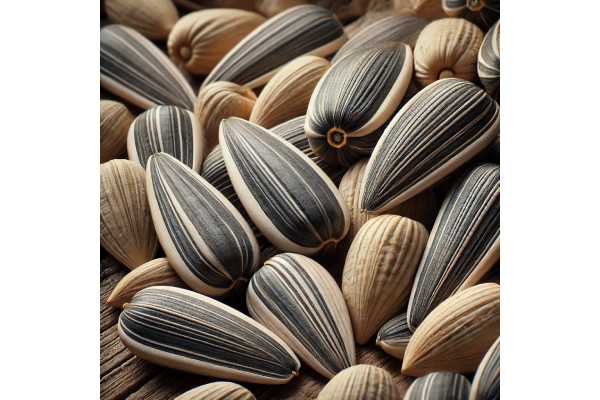
Sunflower seeds punch far above their size. These tiny kernels deliver a rare mix of vitamin E, plant protein, and heart-friendly unsaturated fats, with a toasty flavor that fits breakfast bowls, salads, trail mixes, and baking. A small handful adds crunch and substance while supplying minerals such as magnesium, selenium, zinc, and copper. Sunflower seeds also provide phytosterols and arginine—compounds linked to healthy cholesterol levels and vascular function. They are naturally gluten free and available in hulled kernels, in-shell seeds for snacking, and seed butter as a peanut alternative. Like most seeds, they are energy dense, so portion awareness matters; salted coatings can raise sodium intake; and true sunflower seed allergy, while uncommon, can be serious. This guide explains the full picture—what is inside, how it benefits you, who should be cautious, and the best ways to buy, store, and cook sunflower seeds to keep both flavor and nutrients intact.
Fast Facts
- 100 g of kernels provide ~35 mg vitamin E and 20–21 g protein; rich in magnesium, selenium, and zinc.
- Typical portion: 28 g (¼ cup kernels) most days of the week fits many healthy eating patterns.
- Choose unsalted or lightly salted to limit sodium; flavored coatings add sugars and additives.
- People with confirmed seed allergies or on anticoagulants at high vitamin E intakes should take care.
Table of Contents
- Detailed Overview
- Nutrition Profile
- Evidence-Based Health Benefits
- Risks, Allergies and Interactions
- Selecting, Quality, Sustainability and Storage
- Preparation, Cooking and Nutrient Retention
- Portions, Comparisons and FAQs
Detailed Overview
Sunflower seeds are the edible kernels of Helianthus annuus. You’ll see them sold in two main forms: in-shell seeds (striped “confectionery” types, often roasted and salted) and hulled kernels (“hearts”) used in cooking and baking. Hulled kernels are the most versatile: sprinkle on yogurt and oatmeal, toss into salads and grain bowls, stir into granola and energy bites, or blend into seed butter. Their naturally nutty taste deepens when dry-roasted.
From a nutrition viewpoint, sunflower seeds stand out for vitamin E (alpha-tocopherol), unsaturated fats—especially linoleic acid (an omega-6)—and a useful dose of plant protein with arginine. They also pack magnesium and selenium, minerals involved in energy metabolism, antioxidant defenses, and thyroid function. A typical 28 g handful provides about 160–170 kcal, which means they are energy dense; the same density is why small portions can be so satisfying.
A few nuances help you use them well:
- Form matters for sodium and additives. In-shell and flavored products are frequently high in salt. Kernels labeled “dry roasted, unsalted” keep sodium negligible and let you season to taste.
- Storage protects flavor and oils. Because sunflower fats are largely polyunsaturated, keep kernels airtight, cool, and out of light. Refrigeration or freezing extends freshness.
- Culinary compatibility. Their mild, toasty profile pairs with apples, berries, dark chocolate, pumpkin, roasted carrots or beets, leafy greens, and whole grains like farro and quinoa. They can stand in for pine nuts in pesto and for peanuts in sauces.
- Dietary patterns. Sunflower seeds fit vegetarian, vegan, Mediterranean, and gluten-free diets; seed butter serves as a school-safe spread where nut restrictions apply.
In short, sunflower seeds are a compact way to add texture, nourishment, and plant-based fats to everyday meals. The sections below break down their exact nutritional profile, the evidence behind key benefits, and practical guidance to choose, store, and cook them for best results.
Nutrition Profile
Serving basis in this section: per 100 g of hulled sunflower seed kernels (dried or dry roasted, unsalted), with % Daily Value (%DV) where applicable.
Macros and Electrolytes
| Nutrient (per 100 g) | Amount | %DV |
|---|---|---|
| Energy | 584 kcal | 29% |
| Total Fat | 51.5 g | 66% |
| Saturated Fat | 4.5 g | 22% |
| Monounsaturated Fat | 18.5 g | — |
| Polyunsaturated Fat (mostly linoleic acid) | 23.1 g | — |
| Omega-3 (ALA and others, trace) | 0.06 g | — |
| Carbohydrate | 20.0 g | 7% |
| Dietary Fiber | 8.6 g | 31% |
| Total Sugars | 2.6 g | — |
| Protein | 20.8 g | 42% |
| Sodium | 9 mg | 0% |
| Potassium | 645 mg | 14% |
Notes: There is no FDA %DV for omega-6 or omega-3 ALA. Values reflect unsalted kernels; flavored or salted products can raise sodium and sugars.
Vitamins
| Vitamin (per 100 g) | Amount | %DV |
|---|---|---|
| Vitamin E (alpha-tocopherol) | 35.2 mg | 234% |
| Thiamin (B1) | 1.5 mg | 123% |
| Riboflavin (B2) | 0.36 mg | 27% |
| Niacin (B3) | 8.3 mg | 52% |
| Vitamin B6 | 1.3 mg | 79% |
| Folate (DFE) | 227 µg | 57% |
| Choline | 55.1 mg | 10% |
| Vitamin K | 0 µg | 0% |
| Vitamin C | 1.4 mg | 2% |
| Vitamin A (RAE) | 3 µg | 0% |
Minerals
| Mineral (per 100 g) | Amount | %DV |
|---|---|---|
| Magnesium | 325 mg | 77% |
| Phosphorus | 660 mg | 53% |
| Selenium | 53 µg | 96% |
| Zinc | 5.0 mg | 45% |
| Copper | 1.8 mg | 200% |
| Manganese | 2.0 mg | 85% |
| Iron | 5.3 mg | 29% |
| Calcium | 78 mg | 6% |
Fats and Fatty Acids
| Category | Amount per 100 g |
|---|---|
| Total Saturated Fat | 4.5 g |
| Total Monounsaturated Fat (mostly oleic acid) | 18.5 g |
| Total Polyunsaturated Fat (mostly linoleic acid) | 23.1 g |
| Trans Fat | 0 g |
Interpretation: Most fat in sunflower seeds is unsaturated. Linoleic acid can help lower LDL cholesterol when it replaces saturated fat in the diet.
Protein and Amino Acids
| Amino Acid (per 100 g) | Amount |
|---|---|
| Arginine | 2.40 g |
| Leucine | 1.66 g |
| Lysine | 0.94 g |
| Methionine | 0.49 g |
| Threonine | 0.93 g |
| Tryptophan | 0.35 g |
| Valine | 1.32 g |
Context: Arginine is a nitric-oxide precursor supportive of vascular function. Overall, sunflower protein is complementary to legumes and grains.
Bioactives and Anti-nutrients
| Compound (per 100 g) | Amount |
|---|---|
| Total Phytosterols | ~0.53 g |
| Phytic Acid (estimate, varies with processing) | Present |
Notes: Phytosterols compete with cholesterol absorption in the gut. Phytic acid can modestly reduce mineral bioavailability; soaking or roasting can lessen it.
Glycemic and Acid–Base Metrics
| Metric | Value |
|---|---|
| Net Carbohydrate (Carb − Fiber) | ~11.4 g/100 g |
| Estimated Glycemic Impact | Low when eaten alone |
| PRAL (acid load) | ~+11 (moderate acid forming) |
Footnote on additives and fortification: Plain kernels are not fortified. Flavored seeds may include added sugars, salt, colors, or stabilizers—check labels.
Evidence-Based Health Benefits
1) Heart health: lipid profile and vascular function
Sunflower seeds supply unsaturated fats—especially linoleic acid—and phytosterols. Replacing saturated fat with poly- and monounsaturated fats helps reduce LDL cholesterol. Phytosterols further curb intestinal cholesterol absorption. In the broader dietary context, regular intake of nuts and seeds (≈30 g/day) is associated with lower cardiovascular disease incidence and mortality. Arginine, abundant in sunflower protein, supports nitric oxide production that helps blood vessels relax. Magnesium also contributes to normal blood pressure regulation.
2) Antioxidant support from vitamin E and selenium
Sunflower seeds are a top whole-food source of vitamin E (≈35 mg per 100 g). Vitamin E functions as a fat-soluble antioxidant in cell membranes, helping limit lipid peroxidation. Selenium participates in glutathione peroxidase and other selenoproteins central to antioxidant defenses and thyroid hormone metabolism. Together, these nutrients contribute to cellular resilience. Foods rich in vitamin E are preferable to high-dose supplements for everyday protection, as supplement trials have shown mixed results for prevention.
3) Metabolic health and satiety
Protein (≈21 g/100 g), fiber, and unsaturated fats slow gastric emptying and promote fullness—useful for appetite control when portions are measured. Nuts and seeds patterns are linked to improved blood lipids and do not promote weight gain when they replace refined snacks. The carbohydrate content is modest, and glycemic impact is low when seeds are eaten alone or paired with high-fiber foods.
4) Micronutrient density and everyday energy
Magnesium (≈77% DV/100 g) supports ATP generation, muscle and nerve function, and insulin signaling. B vitamins—thiamin, niacin, and B6—aid energy metabolism. Zinc and copper are involved in immune function and connective-tissue integrity. Selenium supports thyroid hormone conversion (T4 to T3).
5) Practical ways benefits show up in meals
- Swap saturated fat: Use a tablespoon of sunflower seeds plus olive oil to finish roasted vegetables instead of butter.
- Boost vitamin E: Stir kernels into morning oats or yogurt; a 28 g serving can deliver 9–10 mg vitamin E.
- Support cholesterol management: Replace part of the cheese or processed meat in salads and sandwiches with a small handful of seeds for plant fat and sterols.
- Athletic recovery: Mix seeds with dried fruit and whole-grain cereal after training to provide protein, magnesium, and carbs.
6) What benefits are not proven
Despite antioxidant content, high-dose vitamin E supplements have not consistently prevented heart disease or cancer and may pose risks at large doses. The food-first approach—small, regular servings of seeds within an overall healthy pattern—remains the most reliable strategy.
Risks, Allergies and Interactions
Allergy and cross-reactivity
Sunflower seed allergy is uncommon compared with peanut or sesame but can range from mild oral symptoms to full anaphylaxis. Case series and reviews describe sensitization to storage proteins (2S albumins) and lipid transfer proteins, with possible cross-reactivity to mugwort pollen. Individuals with known seed allergies should seek evaluation before using sunflower butter as a nut alternative. Most people with sunflower seed allergy tolerate refined sunflower oil because proteins are largely removed during processing; however, tolerance must never be assumed—decisions should follow medical testing and advice.
Sodium and flavor coatings
In-shell snacks and flavored kernels can deliver several hundred milligrams of sodium per small handful. If you’re managing blood pressure or fluid retention, choose unsalted or “lightly salted” varieties and season foods yourself.
Dental and GI considerations
Chewing hard in-shell seeds can crack dental enamel. The fibrous hull is not intended for swallowing; eating large amounts of hulls may irritate the gastrointestinal tract. Choose hulled kernels for cooking and mindful snacking.
Contaminants and residues
Sunflower plants can take up cadmium from certain soils. In the European Union, maximum cadmium levels in foods—covering categories that include seeds and oilseeds—are regulated to help limit exposure. Choosing reputable brands and varying your sources of seeds and nuts helps diversify trace heavy-metal exposure.
Medication and nutrient interactions
- Anticoagulants and antiplatelets: Very high intakes of vitamin E from supplements can increase bleeding risk when combined with blood thinners such as warfarin. Vitamin E from typical food amounts is not associated with this effect. If you use anticoagulants, avoid high-dose vitamin E supplements unless advised by your clinician.
- Thyroid considerations: Selenium supports thyroid health; those already meeting or exceeding selenium needs should avoid additional selenium supplements on top of high-selenium foods. Typical servings of sunflower seeds fall well within safe intakes.
Who should limit or avoid sunflower seeds?
- Anyone with a confirmed sunflower seed allergy.
- People on strict sodium-restricted diets (choose unsalted only, watch portions).
- Individuals advised to limit concentrated vitamin E or on anticoagulation considering high-dose supplements.
Safe use checklist
- Buy kernels from brands with clear origin and date codes.
- Store airtight and cool; discard rancid or stale seeds.
- Keep portions moderate (see Section 7).
- Seek medical advice if you’ve had reactions to seeds or mugwort pollen.
Selecting, Quality, Sustainability and Storage
How to choose
- Form: For cooking, choose hulled kernels (a.k.a. “hearts”). For snacking, in-shell seeds are traditional but tend to be saltier.
- Roast level: “Raw” kernels have a mild flavor and the highest heat-sensitive nutrients. Lightly dry-roasted kernels develop deeper flavor with minimal added ingredients. Oil-roasted versions can carry extra oil and salt—read labels.
- Ingredient lists: Aim for “sunflower seeds” only or with a touch of salt. Skip added sugars, artificial colors, and long additive lists unless desired for a specific recipe.
- Organic and origin: Organic products can reduce pesticide residues; origin labeling helps traceability. Prioritize companies that publish quality and safety testing information.
Sustainability notes
Sunflowers support pollinators and can fit into crop rotations that diversify fields. Kernels are shelf-stable plant foods with a relatively small packaging footprint per calorie compared with many animal products. Minimize waste by buying sizes you can finish before quality declines and by storing correctly.
Storage for peak freshness
- Airtight: Oxygen speeds rancidity in polyunsaturated fats. Use jars or zip bags with most air pressed out.
- Cool and dark: Keep in a pantry under 20°C; for longer storage (over a month), refrigerate; for several months, freeze.
- Moisture control: Avoid condensation. Let refrigerated or frozen seeds come to room temperature before opening to prevent moisture from condensing on them.
- Shelf life guide: Unopened room-temperature kernels often keep 2–4 months; refrigerated 6 months; frozen up to a year. Trust your senses—discard if oils smell paint-like or bitter.
Quality cues
Fresh seeds are crisp, not rubbery; they taste nutty and clean, without bitterness. Spots, off-odors, or a sticky feel suggest staleness or oxidation. For in-shell seeds, shells should be intact without dark moldy patches.
Smart purchasing
Buy from stores with brisk turnover. If you shop bulk bins, confirm high turnover and clean bins with tight lids. Prefer sealed bags for extended storage or hot climates.
Preparation, Cooking and Nutrient Retention
Toasting for flavor
Dry-toasting briefly heightens aroma and crunch. Spread kernels in a single layer on a skillet or sheet pan:
- Skillet: Medium heat, 3–5 minutes, stirring until lightly golden and fragrant.
- Oven: 160–175°C for 7–10 minutes, shaking once.
- Air fryer: 150–160°C for 5–7 minutes, checking early.
Short, moderate heat helps preserve delicate unsaturated fats and vitamin E while unlocking flavor. Over-roasting can darken seeds, dull vitamin E, and increase oxidation.
Soaking and sprouting
A brief soak (4–6 hours) followed by draining can soften texture for blending and may modestly reduce phytic acid. Keep everything sanitary; sprouted seeds are more perishable—refrigerate and eat within 2–3 days.
Seed butter at home
Blend lightly toasted kernels in a high-power processor until creamy, resting the motor as needed. Add a pinch of salt and, if desired, a splash of neutral oil for smoother texture. Homemade seed butter stays fresh ~2 weeks refrigerated.
Culinary applications that protect nutrients
- No-cook uses (granola, trail mix, salads) preserve vitamin E.
- Finishers (sprinkle on soups, roasted vegetables, grain bowls) add crunch with minimal extra heat.
- Baking tips: Fold seeds into quick breads, muffins, and crackers. Baking time and moisture limit surface browning; use moderate oven temperatures (≤180°C).
- Savory sauces: Blend with water or broth, garlic, lemon, and herbs for a creamy dairy-free dressing.
Flavor pairings
- Sweet: Dark chocolate, dates, bananas, apples, maple, cinnamon.
- Savory: Lemon, dill, parsley, cumin, smoked paprika, miso, tamari, roasted broccoli or carrots.
- Texture partners: Pumpkin seeds, chopped almonds, toasted oats, puffed rice.
Food safety at home
Use clean, dry utensils to avoid introducing moisture. Store seed butter refrigerated. For sprouted or soaked seeds, keep cold and discard at the first sign of sour odor or slime.
Sample 5-minute ideas
- Crunchy avocado toast: Mash avocado, top with sunflower seeds, lemon zest, and chili.
- Protein oatmeal: Stir in seeds, berries, and a spoon of sunflower butter.
- Speedy pesto: Basil, parsley, garlic, lemon, sunflower seeds, olive oil—blend.
- Roasted carrot salad: Toss warm carrots with cumin and honey; finish with seeds and yogurt.
Portions, Comparisons and FAQs
How much is a serving?
- Standard portion: 28 g (¼ cup) hulled kernels (about a small handful).
- How often: Most healthy adults can enjoy a portion daily as part of balanced meals, adjusting for total energy needs.
- For children: Portions scale to appetite and age—often 1–2 tablespoons for younger kids (ensure readiness to manage small foods safely).
Portion strategies
Pre-portion seeds into small jars or bags. Add them to meals rather than eating straight from the bag. If you are tracking cholesterol or weight, use a tablespoon measure: 1 Tbsp ≈ 9–10 g.
How do sunflower seeds compare to other nuts and seeds (per 28 g kernels)?
- Sunflower vs. almonds: Similar calories; sunflower seeds offer more vitamin E per ounce, while almonds provide more calcium.
- Sunflower vs. pumpkin seeds: Pumpkin seeds deliver more iron and magnesium per ounce; sunflower seeds lead on vitamin E and often selenium.
- Sunflower vs. sesame: Sesame excels in calcium (especially whole/tahini); sunflower wins on vitamin E and typically lower sodium if unsalted.
- Sunflower vs. walnuts: Walnuts are unique for omega-3 ALA; sunflower seeds are mostly omega-6 and higher in vitamin E.
Are sunflower seeds low carb?
They are moderate in total carbohydrate and high in fat and fiber. Net carbs are low for the portion typically eaten, and their glycemic impact is small when eaten without added sugars.
Will eating seeds raise my omega-6 too high?
Most diets already include omega-6 linoleic acid. Rather than avoiding sunflower seeds, aim for balance: keep portions moderate, include omega-3 sources (fatty fish, chia, flax), and prioritize overall diet quality.
Can I eat the shells?
No. The fibrous hulls are meant to be cracked and discarded. Swallowing hulls can irritate your digestive tract.
Are salted in-shell seeds okay?
Yes in moderation, but sodium can add up quickly. Consider mixing half salted with half unsalted kernels to lower the overall sodium load.
Is sunflower butter a safe peanut-free alternative?
For most people, yes. For anyone with seed allergies—or unexplained reactions—consult an allergist before substituting sunflower butter for peanut products.
Simple meal plan ideas
- Breakfast: Greek yogurt, berries, 1–2 Tbsp sunflower seeds.
- Lunch: Chickpea-kale salad with lemon-tahini-sunflower dressing.
- Snack: Apple slices with sunflower butter.
- Dinner: Farro bowl with roasted vegetables, a spoon of seeds, and herbs.
References
- Nutrition Facts for Dried Sunflower Seeds 2024.
- Nuts and seeds consumption and risk of cardiovascular disease, type 2 diabetes and their risk factors: a systematic review and meta-analysis 2023 (Systematic Review).
- Vitamin E – Health Professional Fact Sheet 2021 (Guideline).
- Commission Regulation (EU) 2021/1323 of 10 August 2021 amending Regulation (EC) No 1881/2006 as regards maximum levels of cadmium in certain foodstuffs 2021 (Regulation).
- Sunflower seed allergy 2016 (Review/Case Report).
Disclaimer
This article is for general education and is not a substitute for personalized medical advice, diagnosis, or treatment. If you have a medical condition, take prescription medications (especially blood thinners), are pregnant or breastfeeding, or have suspected food allergies, consult a qualified health professional before making dietary changes. If you experience signs of an allergic reaction (hives, swelling, breathing difficulty, dizziness) after eating sunflower seeds, seek emergency care.
If you found this guide helpful, please consider sharing it with friends or colleagues on Facebook, X (formerly Twitter), or any platform you prefer. Your support helps us continue creating clear, evidence-based nutrition content.