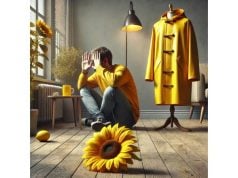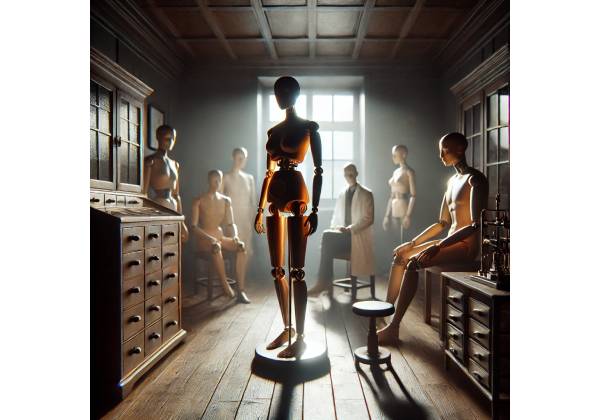
Automatonophobia is an intense fear of human-like figures such as mannequins, wax statues, animatronics, humanoid robots, or ventriloquist dummies. To someone without the phobia, these objects may seem harmless, decorative, or even entertaining. For the person affected, however, they can trigger immediate fear, physical distress, and a powerful urge to leave. The reaction is not simple dislike. It is a real anxiety response that can shape daily choices in quiet but far-reaching ways.
Because human-like figures appear in clothing stores, museums, theme parks, seasonal displays, films, and public attractions, automatonophobia can interfere with ordinary life more often than people expect. It can also feel hard to explain, especially when others see the trigger as artificial and therefore safe. The encouraging reality is that this condition is treatable. With accurate diagnosis, structured therapy, and steady practice, many people can reduce avoidance and regain confidence.
Table of Contents
- Understanding automatonophobia
- Signs and symptoms
- Causes and risk factors
- How diagnosis is made
- Daily impact and complications
- Treatment options that help
- Managing automatonophobia day to day
- When to seek help and outlook
Understanding automatonophobia
Automatonophobia is a specific phobia involving intense fear of human-like figures. The trigger is usually not a real person. Instead, it is something that looks partly human while still feeling artificial, fixed, exaggerated, or unsettling. Common examples include mannequins, wax figures, store display models, animatronic characters, lifelike dolls, ventriloquist dummies, and some humanoid robots.
This condition belongs to the broader group of specific phobias, which are anxiety disorders centered on a clearly defined object or situation. The fear is usually out of proportion to the actual danger. Even when the person knows the figure cannot realistically cause harm, the body may react as if there is an immediate threat. That mismatch often leads to embarrassment and confusion. Many people say some version of, “I know it is not alive, but I still feel panicked.”
Automatonophobia can overlap with several narrower fears, but it is not exactly the same as all of them. For example:
- fear of dolls may be more limited to dolls
- fear of clowns centers more on clown appearance and behavior
- fear of robots may involve technology rather than human likeness alone
- fear of statues may be linked to stillness, facial expression, or cultural meaning
In automatonophobia, the shared theme is usually human resemblance combined with something that feels unnatural, frozen, uncanny, or unpredictably lifelike. Some people fear that the figure will suddenly move. Others feel disturbed by fixed eyes, stiff smiles, realistic skin, or the sense that the figure is “almost human but not quite.” That experience can be especially strong in places designed to create illusion, such as wax museums, haunted attractions, or theme park shows.
Triggers may also be broader than people expect. Fear can be set off by:
- seeing a mannequin in a store window
- walking past a wax museum
- hearing animatronic movement or mechanical sounds
- viewing film scenes with lifelike figures
- spotting a costume figure or prop in a dark hallway
- anticipating a display before entering a shop or attraction
Because these triggers are woven into ordinary spaces, the condition can quietly influence routines. A person may avoid certain stores, refuse museum visits, take alternate routes in malls, or check event details in advance to avoid surprise encounters.
Understanding automatonophobia as a form of specific phobia matters because it changes the frame. It is not a character flaw, childishness, or a strange habit. It is a recognizable fear response that can be assessed and treated using the same evidence-based principles used for other phobias.
Signs and symptoms
The symptoms of automatonophobia often appear quickly and can affect emotions, thoughts, physical sensations, and behavior at the same time. For some people, the reaction begins the moment they see a human-like figure. For others, the distress starts earlier, when they expect they might encounter one. Anticipation can be a major part of the problem, especially if the person knows they are going to a shopping mall, museum, costume store, or themed attraction.
Common emotional and mental symptoms include:
- intense fear or dread
- a sense that something terrible is about to happen
- feeling watched, even while knowing the figure is not alive
- intrusive thoughts that the figure will move, speak, or come closer
- discomfort with facial features, fixed smiles, or staring eyes
- shame or frustration about reacting so strongly
Physical symptoms may resemble a panic response and can include:
- rapid heartbeat
- sweating
- trembling
- shortness of breath
- chest tightness
- nausea
- dizziness
- dry mouth
- shaky legs
- an urgent desire to escape
Behavioral symptoms are often the clearest sign that a fear has become a phobia. A person with automatonophobia may:
- avoid stores with mannequins in the window
- refuse wax museums, haunted houses, or certain rides
- leave movie scenes, videos, or exhibits involving lifelike figures
- ask others to walk ahead and check spaces first
- scan rooms quickly for displays, props, or statues
- freeze in place or rush out suddenly if surprised by a trigger
The response is not always pure panic. Some people describe the feeling more as deep unease, revulsion, or overwhelming tension. Others feel a disturbing mix of fear and disgust. The object may seem as though it is crossing a boundary between human and nonhuman, which can make the scene feel wrong in a way that is hard to explain.
Children may show the phobia differently. They might cry, cling, refuse to enter certain stores, hide behind a parent, or become extremely distressed by mannequins in shop displays or character figures at attractions. Adults often mask the problem better, but the fear can still be severe. They may plan around it quietly and appear simply “picky” or “difficult” to others.
Symptoms can also generalize. A person who first feared wax figures may later begin to react to mannequins, statues, animatronics, or even images of humanoid robots. This happens because the brain starts treating a wider range of similar-looking stimuli as dangerous.
The key issue is not whether the trigger seems objectively harmless. It is whether the fear is persistent, disproportionate, and limiting. When a person starts arranging work, shopping, travel, entertainment, or social life around avoiding human-like figures, the condition has moved beyond ordinary discomfort.
Causes and risk factors
Automatonophobia does not come from one single cause. Like most specific phobias, it usually develops through a combination of temperament, experience, learned associations, and ongoing avoidance. In some cases, the path is obvious. In others, the fear seems to build gradually and becomes clear only after it has already started shaping daily life.
A distressing encounter can be one starting point. Examples include:
- being startled by a mannequin or statue in childhood
- having a frightening experience in a wax museum or haunted attraction
- being scared by an animatronic figure that moved unexpectedly
- exposure to horror films or stories involving dolls, mannequins, or lifelike figures
- getting trapped in a dark or crowded place with human-like displays nearby
Yet many people with automatonophobia cannot name a single event. Fear can also develop through repeated smaller experiences or through observation. A child may absorb another person’s alarm, watch media that portrays lifelike figures as threatening, or grow up with a vivid imagination that makes still figures feel unpredictable.
One possible contributor is the discomfort many people feel when something looks almost human but not fully human. This reaction is often described as an uncanny effect. It is not a diagnosis on its own, and not everyone who finds lifelike figures unsettling develops a phobia. Still, for some individuals, that uneasy response may become stronger and more fear-based over time.
Risk factors may include:
- a family history of anxiety disorders or phobias
- a naturally cautious or highly reactive temperament
- childhood sensitivity to startling images or unusual faces
- previous traumatic experiences linked to displays, costumes, or figures
- other anxiety conditions, including panic disorder or generalized anxiety
- high sensitivity to body sensations such as rapid heartbeat or dizziness
The visual qualities of the trigger can matter too. Human-like figures often combine familiar and unfamiliar features at the same time. Eyes may appear too still, skin too smooth, expressions too fixed, or movement too mechanical. For some people, this mismatch creates strong alarm. The brain expects normal human behavior but receives something close to human without the cues that usually signal safety.
Avoidance then helps maintain the fear. Each time a person escapes a store, museum, or attraction after seeing a mannequin or animatronic figure, the brain gets the message that leaving prevented harm. That lesson feels convincing even when no real danger existed. Over time, avoidance makes the fear stronger and can widen the list of triggers.
It is also important to separate automatonophobia from other concerns that may overlap with it. Some people mainly fear horror imagery, being startled, crowded spaces, or loss of control during panic. Those patterns can coexist with a phobia of human-like figures, but careful assessment is needed to see what the main fear actually is.
In treatment, it is often more useful to ask not only how the fear began, but what keeps it going now. Usually the answer is a cycle of threat prediction, physical alarm, and repeated escape.
How diagnosis is made
Automatonophobia is usually diagnosed through a clinical interview rather than a laboratory test or scan. A qualified mental health professional explores the pattern of fear, the specific triggers involved, the severity of symptoms, and how much the problem affects daily life. The goal is not only to label the fear, but to understand it well enough to treat it effectively.
A thorough evaluation usually includes questions about:
- which human-like figures trigger the reaction
- whether the fear is limited to certain settings or has spread more broadly
- how intense the anxiety feels
- what physical symptoms appear
- whether panic attacks occur
- how much avoidance is happening
- how long the problem has lasted
- how work, school, social life, travel, or entertainment are affected
For a diagnosis of specific phobia, the fear is generally persistent, excessive relative to the actual risk, and strong enough to cause distress or meaningful impairment. The person often recognizes that the fear is unreasonable, but insight does not stop the response. Exposure to the trigger nearly always produces anxiety, or the person avoids the trigger intensely enough to prevent exposure.
A careful diagnosis is especially important with automatonophobia because the presentation can overlap with other conditions. These may include:
- panic disorder, when the main fear is having panic in a difficult setting
- post-traumatic stress, when mannequins or figures are tied to a traumatic memory
- obsessive fears, such as contamination or intrusive harm thoughts
- autism-related sensory overload, if the issue is primarily sensory and not fear-based
- psychotic disorders, if the person believes the figures are literally alive or controlled by outside forces
Most people with automatonophobia do not have psychosis. They usually know the figure is not alive. The distress comes from the fear response, not from a fixed delusional belief. That distinction matters because it helps guide treatment toward exposure-based therapy rather than toward a different kind of psychiatric intervention.
Clinicians may also ask about related fears. Some people are bothered mainly by dolls, masks, clowns, or costume characters. Others fear only moving animatronics or only highly realistic wax figures. Mapping those details helps create a treatment hierarchy later.
Questionnaires and rating scales may be used to measure severity and monitor progress, but they are only part of the picture. Diagnosis still depends on a careful, person-specific assessment.
Medical evaluation may be useful if symptoms include unexplained fainting, severe dizziness, substance use, or other physical or mental health concerns that complicate the presentation. This is not because the fear is “not real.” It is because good care includes ruling out other factors when needed.
A clear diagnosis often brings relief. It explains why the reaction feels so immediate, why avoidance has expanded, and why structured exposure-based treatment is usually recommended for lasting improvement.
Daily impact and complications
Automatonophobia can affect everyday life more than people expect because human-like figures appear in ordinary places as well as entertainment settings. The impact may begin with a few narrow triggers, such as wax museums or haunted houses, but it can gradually spread into shopping, travel, work, and social life.
Common daily disruptions include:
- avoiding clothing stores with mannequins in the window
- refusing museums, theme parks, fairs, seasonal attractions, or costume shops
- feeling distressed in hotel lobbies, restaurants, or events with decorative statues
- leaving movies, advertisements, or videos that include unsettling humanoid figures
- asking others to scout unfamiliar places first
- changing routes in malls or public areas to avoid displays
The phobia can also affect relationships. Friends and relatives may not understand why an artificial figure feels threatening. Because the trigger seems harmless to others, the person may hide the fear rather than explain it. That secrecy can lead to misunderstandings. Others may see avoidance as rude, dramatic, or immature when it is actually an attempt to manage intense anxiety.
Complications can include:
- reduced participation in social events
- missed family outings or children’s activities
- fewer options for shopping or travel
- embarrassment and self-criticism
- broader anxiety as the number of triggers increases
- loss of confidence in handling unexpected situations
One major burden is anticipatory anxiety. The person may spend large amounts of time thinking ahead: Will that store have mannequins? Will this museum include wax figures? Will the restaurant use decorative statues? This mental rehearsal can be exhausting long before any trigger appears.
Physical escape reactions can create practical problems too. Someone may rush out of a store, freeze in a crowded area, or become disoriented when surprised by a display. In places with stairs, traffic, or limited exits, panic itself can create safety concerns. The figure is not actually dangerous, but the person’s response may still put them in a difficult position.
Children and adolescents may face challenges that adults overlook. They may avoid certain shops, school trips, theater productions, fairs, or community events. Adults might misread this as oppositional behavior instead of fear. Repeated forced exposure without support can make the phobia worse, especially if the child feels mocked or dismissed.
Over time, untreated automatonophobia can narrow a person’s world. They may not only avoid the trigger itself but also whole categories of places associated with possible exposure. That spreading pattern is one reason early treatment matters. The longer the fear controls routines, the more effort it usually takes to reverse.
The real complication is not simply being afraid of mannequins or animatronics. It is the way avoidance can begin making decisions about where a person goes, what they enjoy, and how freely they move through ordinary life.
Treatment options that help
The treatment most strongly associated with improvement in specific phobias is exposure-based cognitive behavioral therapy, often called CBT. For automatonophobia, this means gradually facing human-like figures in a planned, structured way while learning that the fear can rise and fall without escape. The goal is not to force the person into the most frightening situation immediately. It is to retrain the brain through repeated, manageable contact with the trigger.
Treatment often includes several parts:
- Psychoeducation. The person learns how phobias work, how avoidance strengthens them, and why physical symptoms can feel so convincing.
- A fear hierarchy. Triggers are ranked from easier to harder, such as cartoon mannequins, still photographs, store windows, museum figures, or moving animatronics.
- Gradual exposure. The person practices staying with each step long enough for anxiety to reduce without leaving or relying on safety rituals.
- Cognitive work. The therapist helps examine catastrophic beliefs, such as “It will move toward me,” “I will lose control,” or “I will not be able to handle the panic.”
- Repeated practice. Skills learned in session are used in real places that matter to the person’s life.
Exposure can start very gently. Early steps may involve:
- looking at simple images of mannequins or wax figures
- watching short video clips
- standing outside a store with window displays
- entering for a brief, planned visit
- moving closer to a mannequin while staying grounded
- practicing in a museum or attraction with support
For some people, virtual reality or technology-assisted exposure can be useful, especially when accessing real-life triggers is difficult or when the person feels too overwhelmed to begin in vivo exposure. These tools can make the process more controlled and repeatable, though they often work best as part of a broader treatment plan rather than as the only method.
Medication is not usually the main treatment for specific phobia. In certain situations, a clinician may use short-term medication to reduce acute anxiety, but medication alone does not teach the brain that the feared object can be tolerated. Because learning is central to recovery, exposure remains the core treatment for most people.
Treatment should also address related problems when relevant. If the fear is tied to trauma, panic attacks, depression, or strong disgust reactions, those factors may influence the pace and design of therapy. Good treatment is not one-size-fits-all. It is structured, but still individualized.
Success does not mean the person has to like mannequins, wax statues, or animatronics. It means the fear stops controlling choices. Practical gains often matter most: entering stores more comfortably, attending family outings, walking through museums, or recovering more quickly after an unexpected encounter. That change can be significant and life-expanding.
Managing automatonophobia day to day
Day-to-day management can support formal treatment and help prevent avoidance from spreading. The most useful approach is usually gradual and practical. Rather than testing yourself with the hardest trigger all at once, it is better to build tolerance in small, repeatable steps.
A graded practice plan might move through stages such as:
- looking at simple drawings or low-intensity images
- viewing photographs of mannequins or statues for longer periods
- watching short videos of wax museums or animatronic displays
- standing outside a store that uses mannequins
- entering briefly and staying until the anxiety softens
- practicing in more difficult settings, such as museum halls or theme attractions
During practice, it helps to notice the difference between fear and danger. The body may feel as if an emergency is happening, but the task is to stay long enough to let the alarm system settle without escaping immediately.
Helpful coping tools include:
- slow, steady breathing instead of rapid shallow breaths
- relaxing the shoulders, jaw, and hands
- keeping your eyes on the trigger long enough to reduce avoidance
- planting both feet and noticing the floor beneath you
- using brief phrases such as “This is anxiety, not actual danger”
- allowing physical symptoms to rise and fall without treating them as proof of threat
It also helps to cut back on safety behaviors that keep the fear looking necessary. These may include:
- looking away instantly
- hiding behind another person
- gripping exits or door handles the whole time
- asking for constant reassurance
- leaving after only a few seconds
- researching every location so thoroughly that surprise becomes impossible
Support from family and friends matters. The most helpful support is calm and respectful. Loved ones can encourage practice, recognize effort, and avoid mockery or pressure. Statements such as “Just stop thinking about it” are rarely useful. Better support sounds like, “You stayed longer this time,” or “Let’s try the next step together.”
Lifestyle factors also play a role. Poor sleep, heavy caffeine use, chronic stress, and alcohol misuse can all make anxiety harder to regulate. These factors do not cause automatonophobia by themselves, but they can make exposure work feel more difficult and can intensify physical symptoms.
Self-management has limits. If the fear is severe, tied to trauma, or already affecting major parts of life, working with a therapist is usually more effective than trying to push through alone. The goal is not perfect comfort. It is greater freedom and steadier control.
A good way to judge progress is by function. Can you enter the store? Stay in the room? Walk past the display without leaving? Those gains often matter more than whether fear disappears completely.
When to seek help and outlook
It is time to seek help when fear of human-like figures is starting to direct important choices, create repeated distress, or shrink daily life. Many people delay because the phobia feels too unusual or too embarrassing to mention. That hesitation is understandable, but it often allows avoidance to become more deeply rooted.
Consider professional evaluation if:
- you avoid stores, museums, attractions, or events because mannequins or similar figures may be present
- panic symptoms occur when you see or anticipate a trigger
- the fear is interfering with work, parenting, travel, entertainment, or social plans
- the problem has lasted for months and does not seem to be improving
- the list of triggers is growing over time
- shame about the fear is leading to secrecy or isolation
A primary care clinician can be a useful first step, especially if panic, depression, sleep problems, or substance use are also present. A psychologist, psychiatrist, or therapist with experience in anxiety disorders and exposure-based treatment is often best placed to provide ongoing care.
Urgent support is important when fear is tied to severe depression, thoughts of self-harm, unsafe escape behavior, or heavy reliance on alcohol or sedatives to cope. A phobia may look narrow from the outside, but its effects can become serious when it disrupts safety and functioning.
The outlook for automatonophobia is generally good with proper treatment. Specific phobias are among the anxiety conditions that often respond well to targeted therapy. Many people improve substantially, even when the fear has been present for years. Progress is not always linear, and some settings may remain harder than others, especially surprise encounters. Still, improvement is usually very possible.
Recovery often looks like this:
- the fear response becomes less intense
- avoidance begins to shrink
- unexpected triggers feel more manageable
- confidence returns through repeated success
- daily choices are guided more by values than by fear
Relapse can happen, especially after long periods without practice or during stressful times. That does not mean the person is back at the beginning. Often the same tools that helped before work again more quickly the second time.
For families and close friends, one message is especially important: the person is not overreacting on purpose. They are responding through an alarm system that has become overtrained and can be retrained with patience and evidence-based care.
The key takeaway is that automatonophobia is real, understandable, and treatable. No one has to keep organizing life around mannequins, wax figures, or animatronics. With accurate diagnosis, structured treatment, and repeated practice, many people regain flexibility, confidence, and a wider sense of ease in everyday spaces.
References
- Specific Phobia – StatPearls – NCBI Bookshelf 2024 (Clinical Review)
- Virtual Reality Exposure Treatment in Phobias: a Systematic Review – PubMed 2021 (Systematic Review)
- The relative efficacy and efficiency of single- and multi-session exposure therapies for specific phobia: A meta-analysis – PubMed 2022 (Meta-analysis)
- One session treatment (OST) is equivalent to multi-session cognitive behavioral therapy (CBT) in children with specific phobias (ASPECT): results from a national non-inferiority randomized controlled trial – PubMed 2023 (RCT)
- The uncanny valley effect in embodied conversational agents: a critical systematic review of attractiveness, anthropomorphism, and uncanniness – PubMed 2025 (Systematic Review)
Disclaimer
This article is for educational purposes only and is not a substitute for medical or mental health care. Automatonophobia can overlap with panic symptoms, trauma-related reactions, sensory distress, and other conditions that need proper evaluation. Seek qualified professional help for diagnosis, treatment planning, or urgent support if fear is severe, worsening, or affecting safety, work, school, or daily functioning.
If this article was helpful, please share it on Facebook, X, or another platform you prefer so others can find reliable information about automatonophobia.