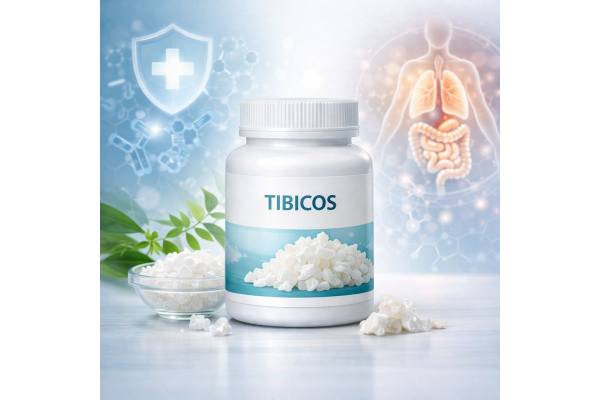
Tibicos, often known as water kefir grains, is a traditional fermented culture used to produce a lightly sparkling, tangy drink. These translucent “crystals” are a living mix of beneficial bacteria and yeasts that feed on sugar in water to create a beverage rich in organic acids, small amounts of vitamins and minerals, and a wide range of probiotic microbes.
Because tibicos is dairy free and naturally flavored with fruits or herbs, it appeals to people seeking alternatives to yogurt or milk kefir, as well as those exploring functional drinks for digestion and immune support. Early laboratory and animal research suggests possible benefits for gut microbiota balance, antioxidant status, and metabolic health, but human trials remain limited.
This guide walks you through what tibicos is, its potential health effects, practical ways to use it, reasonable daily amounts, and who should be careful or avoid it altogether, so you can make an informed decision with your healthcare provider.
Tibicos Quick Summary
- Traditional fermented drink made with tibicos grains may support gut microbiota diversity and digestive comfort.
- Typical daily intake for healthy adults is about 100–300 mL of finished tibicos drink, introduced gradually.
- Poorly prepared or contaminated homemade tibicos can cause digestive upset or, rarely, infection in vulnerable people.
- Start with 50–100 mL once daily and increase slowly as tolerated, watching for gas, bloating, or discomfort.
- People who are immunocompromised, pregnant, very young, or living with uncontrolled diabetes should only use tibicos under medical supervision or may need to avoid it.
Table of Contents
- What is tibicos exactly?
- Tibicos health benefits in detail
- How to take tibicos daily
- Tibicos dosage guidelines for adults
- Tibicos side effects and risks
- Who should avoid tibicos?
- What science says on tibicos
What is tibicos exactly?
Tibicos are small, gelatinous, crystal-like grains formed by a complex community of bacteria and yeasts embedded in a polysaccharide matrix. When you place these grains into sugar water (often with dried fruit, lemon, or other flavoring) and leave them at room temperature, they ferment the solution into a mildly acidic, lightly fizzy drink known as water kefir.
The grains themselves are mostly composed of a natural polysaccharide (often a dextran-like substance) produced by lactic acid bacteria living in the grains. Within this matrix live different species of lactic acid bacteria, acetic acid bacteria, and yeasts. These microbes transform sugar into lactic acid, acetic acid, small amounts of ethanol and carbon dioxide, and bioactive compounds such as peptides and phenolic metabolites derived from added fruits or plants.
Tibicos is distinct from milk kefir. Milk kefir uses kefir “grains” that ferment lactose in milk, whereas tibicos ferments sucrose or other sugars in water. This makes tibicos naturally dairy free and suitable for people who avoid milk due to allergy, lactose intolerance, or dietary preference.
The drink created with tibicos can vary widely depending on:
- Type and amount of sugar used.
- Fermentation time and temperature.
- Use of fruits, herbs, or juices during or after fermentation.
- Microbial composition of the specific tibicos grains.
Typically, a first fermentation runs for 24–48 hours at room temperature. A second fermentation in a sealed bottle may follow to increase carbonation and flavor. The resulting beverage usually contains live microorganisms, residual sugars, organic acids, and small amounts of vitamins and minerals extracted from ingredients and produced during fermentation.
Although many people consider tibicos a “supplement” or “functional drink,” it is not standardized like a capsule or tablet. The exact microorganism counts and composition can vary significantly between homemade batches and commercial products.
Tibicos health benefits in detail
Interest in tibicos centers on its potential to support gut and overall health. Much of the evidence so far comes from laboratory and animal studies on water kefir beverages, with human data still emerging.
Potential digestive and gut microbiota benefits
Tibicos drinks are naturally rich in live lactic acid bacteria and yeasts, along with their fermentation products. In experimental models, water kefir has been shown to:
- Increase the abundance of beneficial bacteria such as Lactobacillus.
- Produce short-chain organic acids that may support a balanced gut environment.
- Modulate markers of intestinal barrier integrity and inflammatory signaling in cell-based systems.
In everyday terms, people often report improved bowel regularity, less bloating, and a subjective sense of better digestion when they tolerate tibicos well, although these effects have not been firmly proven in large clinical trials.
Possible immune and inflammatory effects
The bioactive compounds generated during fermentation, including exopolysaccharides and phenolic metabolites, have shown antioxidant and immunomodulatory properties in preclinical studies. Animal work suggests that water kefir may influence oxidative stress markers and certain inflammatory mediators. These findings are promising but do not mean tibicos can prevent or treat infections, autoimmune conditions, or chronic inflammatory diseases.
Metabolic and cardiometabolic markers
Some experimental research indicates that water kefir may:
- Improve certain blood lipid parameters in animal models.
- Influence glucose handling and oxidative stress in tissues.
- Help modulate body weight and fat mass in specific diet-induced obesity models.
These findings are early and do not replace evidence-based approaches for managing cholesterol, blood pressure, or blood glucose. At most, tibicos may be a supportive beverage within a broader diet and lifestyle plan supervised by a healthcare professional.
Other potential advantages
- Dairy free and often gluten free, depending on ingredients.
- Provides hydration combined with low to moderate sugar, if fermentation is managed carefully.
- Naturally effervescent, which can make it a more satisfying alternative to soft drinks for some people.
Overall, tibicos is best viewed as a complementary fermented drink that may support gut-related wellness rather than a stand-alone treatment for any medical condition.
How to take tibicos daily
For most people, tibicos is consumed as a beverage rather than a capsule or powder. How you include it in your routine can shape both benefits and tolerability.
Choosing between homemade and commercial tibicos
Homemade tibicos allows full control over ingredients and fermentation time, but it also demands attention to hygiene and consistency. Commercial water kefir products may be more standardized and tested for safety, though they can vary in sugar content, flavoring, and whether they still contain live cultures after bottling.
When selecting a product or batch, consider:
- Sugar content per serving. Many commercial bottles contain added juices or flavorings that raise sugar levels.
- Presence of live cultures, usually indicated on the label for commercial products.
- Ingredient list, especially if you have allergies or intolerances.
Best times and ways to drink tibicos
There is no single “best” time of day, but several practical patterns work well:
- With or after meals: This can help slow absorption of residual sugars and may reduce digestive sensitivity in people prone to bloating.
- Split doses: For those building tolerance, dividing intake into two smaller servings (for example, lunch and early evening) can be easier on the gut than one large glass.
- Avoid late-night large servings: The natural carbonation and mild acidity may aggravate reflux in people who lie down soon after drinking it.
Serving suggestions
- Start with 50–100 mL (about ¼–½ cup) once daily.
- If tolerated for several days, gradually increase toward 150–250 mL per day, either in one or two servings.
- Combine with meals rich in fiber (vegetables, whole grains, legumes) to support gut microbiota and glycemic response.
- Avoid mixing tibicos with very high-sugar desserts or sweetened drinks, since the combined sugar load may counter its metabolic advantages.
Storage and handling
- Keep finished tibicos refrigerated in sealed bottles to slow further fermentation and maintain quality.
- Open bottles carefully, as carbonation may cause foaming.
- Discard batches that smell strongly off, show visible mold, or taste unusually harsh, as these may indicate contamination.
Above all, treat tibicos as a living food that thrives under careful preparation. Clean equipment, good ingredients, and patient fermentation are central to a safe, pleasant drink.
Tibicos dosage guidelines for adults
Because tibicos is a fermented drink rather than a standardized drug, official dosage guidelines do not exist. However, existing safety and experimental data offer practical ranges that many adults can use as a starting point, always under professional guidance if health conditions are present.
General daily range for healthy adults
For most healthy adults, a reasonable daily intake of finished tibicos drink is:
- Initial phase: 50–100 mL once daily for 3–7 days.
- Usual maintenance: 100–250 mL per day, often in one or two servings.
- Upper range for experienced users: up to about 300 mL per day, provided digestion, blood glucose, and overall tolerance remain good.
These amounts aim to provide a meaningful intake of fermentation products and live microorganisms without excessive sugar, acidity, or gas production.
Titrating dose for sensitive digestion
If you are prone to bloating, irritable bowel symptoms, or reflux, a slower introduction is wise:
- Begin with 30–50 mL every other day.
- Stay at this level for one to two weeks while monitoring stool pattern, abdominal comfort, and any reflux.
- Increase by 20–50 mL increments, up to a personal comfort limit, if symptoms remain mild or absent.
- Reduce or pause if you notice persistent pain, diarrhea, or significant gas.
Sugar and calorie considerations
Even after fermentation, tibicos usually contains several grams of sugar per 100 mL, though exact amounts depend on recipe and fermentation time. To keep sugar intake moderate:
- Prefer longer-fermented batches that taste tangy rather than very sweet.
- Limit highly sweetened second-fermentation flavorings such as syrups or large amounts of juice.
- Factor tibicos into your overall daily carbohydrate and calorie intake, particularly if you manage weight or blood glucose.
Children and older adults
- Children older than about three years may tolerate small amounts, such as 30–50 mL, but parents should check with a pediatrician, especially for children with chronic conditions or on medication.
- Frail older adults may also need lower starting amounts and closer supervision, as sudden changes in gut microbiota or fluid intake can affect them more strongly.
For anyone with chronic illness, autoimmune disease, organ transplant history, or complex medication regimens, personalized recommendations from a healthcare professional are essential before using tibicos regularly.
Tibicos side effects and risks
Tibicos is often perceived as gentle and natural, but it can cause side effects, particularly when introduced quickly or prepared without proper hygiene. Understanding these risks can help you decide whether and how to use it.
Common, usually mild side effects
When people start drinking tibicos, they may experience:
- Gas and bloating from increased fermentation in the gut.
- Changes in stool frequency or consistency, including softer stools.
- Mild abdominal cramping or discomfort.
These reactions often improve as the body adapts, especially when doses are introduced gradually. Reducing serving size, spacing intake apart, or drinking it with meals can ease symptoms.
Sugar and acidity concerns
- Residual sugars: Even well-fermented tibicos contains sugar, which contributes to calorie intake and can affect blood glucose. People with diabetes or prediabetes should monitor responses closely and may need stricter limits.
- Dental enamel: Acidity and sugar together can promote enamel erosion and cavities. Rinsing the mouth with water afterwards and avoiding frequent sipping throughout the day can reduce this risk.
Infection and contamination risks
Tibicos is a live culture beverage. If equipment or ingredients are not clean, or if fermentation parameters are poorly controlled, undesirable microorganisms can grow. Potential issues include:
- Spoilage organisms that cause off smells, flavors, or cloudiness.
- Rarely, opportunistic pathogens that might pose a risk to immunocompromised individuals.
Signs you should discard a batch include fuzzy or colored mold, strong rotten or chemical odors, or an unusually slimy texture. When in doubt, it is safer to discard and start again.
Histamine and intolerance reactions
Fermented foods often contain biogenic amines such as histamine. In sensitive people, these compounds may trigger:
- Headaches or flushing.
- Nasal congestion.
- Itching or mild hives.
People with known histamine intolerance or mast cell–related conditions should be cautious, start with very small amounts if approved by their clinician, or avoid tibicos altogether.
Interactions with medical conditions
Tibicos may not be appropriate, or may need close supervision, in people with:
- Severe reflux disease, where acidic drinks can worsen symptoms.
- Small intestinal bacterial overgrowth, where added fermentable substrates and microbes may aggravate gas and bloating.
- Strict low-FODMAP or low-carbohydrate diets, where even small sugar amounts may conflict with the therapeutic plan.
Side effects are often manageable by adjusting dose, timing, and fermentation style, but in any serious or persistent reaction, stopping tibicos and seeking medical advice is the safest choice.
Who should avoid tibicos?
Although many healthy people tolerate tibicos well, certain groups face higher risks and should either avoid it or only use it with explicit medical clearance.
People with significantly weakened immune systems
Those who are severely immunocompromised—such as individuals undergoing intensive chemotherapy, people with advanced HIV, or organ transplant recipients on strong immunosuppressants—are generally advised to avoid non-pasteurized probiotic foods. Even small numbers of normally harmless microbes can, in rare cases, cause infections in these settings. Pasteurized products without live cultures might be safer but also lose many probiotic-related properties.
Pregnant and breastfeeding individuals
Data on tibicos use during pregnancy and breastfeeding are very limited. While fermented foods like yogurt are often part of usual diets, homemade water kefir varies widely in microbial content and hygiene. For this reason:
- Discuss any regular tibicos use with your obstetric or neonatal care team.
- Consider sticking to small amounts, if approved, and avoid batches that seem over-fermented or poorly controlled.
- Avoid giving tibicos directly to newborns or very young infants.
Infants and very young children
Because their immune systems and digestive tracts are still developing, infants and toddlers are more vulnerable to contaminants and rapid shifts in gut microbiota. Tibicos should not be given to infants. For young children, only a pediatrician familiar with the child’s health status should decide whether tibicos is appropriate.
People with uncontrolled metabolic conditions
Those with poorly controlled diabetes or significant insulin resistance need to account for all dietary sugar sources. Even modest daily servings of tibicos can add up if heavily sweetened or if other sugary drinks are also consumed. In these cases:
- Medical teams may recommend tight limits or avoidance of tibicos.
- If allowed, sugar content per serving and overall dietary intake should be monitored closely.
Individuals with specific digestive disorders
People with diagnosed small intestinal bacterial overgrowth, severe irritable bowel syndrome, active inflammatory bowel disease flares, or major surgically altered gastrointestinal anatomy may react unpredictably to probiotic beverages. For some, tibicos can worsen gas, pain, or diarrhea.
In general, if you live with a serious chronic illness, take multiple prescription medications, or have had adverse reactions to other probiotic foods, it is important to discuss tibicos with your healthcare provider before starting or significantly increasing intake.
What science says on tibicos
Scientific interest in tibicos and water kefir has grown in recent years, but the evidence base is still developing. Most data come from laboratory experiments, in vitro gut models, or animal studies, with relatively few well-designed human clinical trials to date.
Microbial diversity and composition
Modern sequencing techniques show that water kefir grains host complex communities of lactic acid bacteria, acetic acid bacteria, and yeasts. Common genera include Lactobacillus, Leuconostoc, Acetobacter, Gluconobacter, and various Saccharomyces-like yeasts. The exact composition varies by origin of the grains, local environment, and fermentation conditions.
Reviews of the literature highlight that:
- Water kefir can reach high counts of lactic acid bacteria during fermentation.
- The specific strains present influence flavor, gas production, and potential health effects.
- The polysaccharide matrix produced by these microbes contributes to texture and may have prebiotic-like functions.
In vitro and animal findings
Across different experimental models, water kefir has been reported to:
- Modulate simulated human gut microbiota, increasing certain beneficial bacteria and affecting markers of barrier function.
- Show antioxidant and anti-inflammatory properties in cell-based assays.
- Improve selected metabolic parameters, such as lipid profiles or oxidative stress markers, in rodents.
- Demonstrate a favorable safety profile in subchronic toxicity testing in animals at doses that would translate to moderate human consumption.
Some studies also explore the ability of water kefir cultures to reduce toxins or inhibit harmful microbes in food systems, suggesting possible applications beyond direct consumption.
Human data and limitations
Human evidence is still limited, often relying on small pilot studies or extrapolation from other fermented foods. Key gaps include:
- Well-controlled clinical trials evaluating tibicos on clearly defined outcomes such as gut symptoms, cardiometabolic markers, or immune responses.
- Standardization of tibicos products used in research, making it difficult to compare results.
- Long-term safety and effectiveness data in diverse populations, including older adults and those with chronic diseases.
At present, the scientific consensus is that tibicos appears promising as a safe, traditional fermented drink with potential gut and metabolic benefits, but it should not be promoted as a treatment or cure for specific medical conditions. It fits best as one component of a varied, plant-forward diet, alongside other evidence-based lifestyle measures.
References
- Water Kefir: Review of Microbial Diversity, Potential Health Benefits, and Fermentation Process 2025 (Systematic Review)
- Challenges in water kefir production and limitations in human consumption: A comprehensive review of current knowledge 2024 (Systematic Review)
- Water Kefir and Derived Pasteurized Beverages Modulate Gut Microbiota, Intestinal Permeability and Cytokine Production In Vitro 2021 (In Vitro Study)
- Metagenomic and phytochemical analyses of kefir water and its subchronic toxicity study in BALB/c mice 2021 (Toxicology and Metagenomics Study)
- Microbial Composition of Water Kefir Grains and Their Application for the Detoxification of Aflatoxin B1 2024 (Experimental Study)
Disclaimer
The information in this article is for educational purposes only and is not a substitute for personalized medical advice, diagnosis, or treatment. Tibicos and other fermented foods are not approved to prevent, treat, or cure any disease. Individual responses and risks can vary depending on your health status, medications, and overall diet. Always consult your physician or another qualified healthcare professional before making significant changes to your eating pattern, starting or stopping any supplement or functional beverage, or using tibicos alongside prescription treatments.
If you found this article helpful, please consider sharing it on Facebook, X (formerly Twitter), or any platform you prefer, and follow our work on social media. Your support through sharing helps our team continue to research and create clear, reliable, and practical health content.