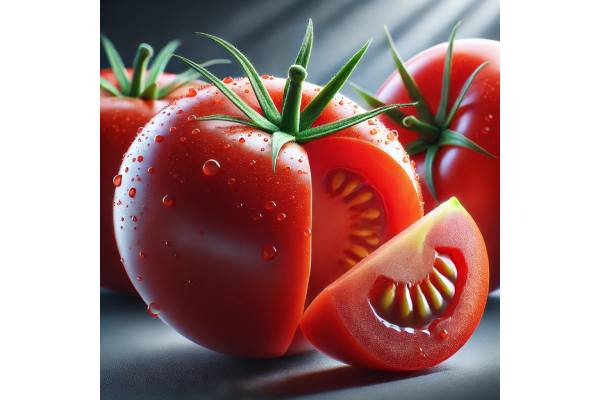
Juicy, sweet-acid, and deeply versatile, tomatoes are among the most-cooked fruits in home kitchens and professional restaurants alike. From crisp salads and quick pan sauces to slow braises and long-simmered soups, tomatoes deliver robust flavor with very few calories. Their scarlet pigment comes from lycopene, a carotenoid that becomes easier to absorb when tomatoes are cooked or blended with oil. A typical 100 g portion offers hydration, potassium, and vitamin C with trace amounts of many other vitamins and minerals. Because tomatoes can be eaten raw or cooked and come in many forms—fresh, canned, pureed, sun-dried—they adapt to every season and budget. Choosing the right variety and preparation method lets you customize sweetness, acidity, and body, whether you are building a caprese salad, a shakshuka, or a glossy pasta pomodoro. This guide details tomato nutrition per 100 g, realistic health benefits, safety and allergy notes, purchasing and storage strategies, and preparation techniques that preserve nutrients while maximizing flavor—so you can use tomatoes confidently and intentionally in everyday meals.
At a Glance
- Per 100 g raw: ~18 kcal, 3.9 g carbohydrate, 1.2 g fiber, 13–17 mg vitamin C, ~2.5 mg lycopene (varies by variety and ripeness).
- Cooking with a little oil improves lycopene absorption; brief, high heat preserves texture and vitamin C.
- Typical serving: 100–150 g fresh tomato (≈1 medium) or 125 ml canned products, enjoyed several times per week within a varied produce rotation.
- Safety note: remove damaged or moldy areas; rinse under running water; individuals with confirmed tomato or nightshade allergy should avoid or seek medical guidance.
- People with severe reflux, latex–fruit syndrome, or potassium restrictions should individualize intake and preparation.
Table of Contents
- Tomato: Detailed Overview
- Tomato Nutrition Profile (per 100 g)
- Evidence-Based Benefits of Tomatoes
- Tomato Risks, Allergies and Interactions
- Selecting Quality, Sustainability and Storage
- Preparation, Cooking and Nutrient Retention
- Portions, Comparisons and FAQs
Tomato: Detailed Overview
Botanically a berry (Solanum lycopersicum) but used as a vegetable, the tomato spans thousands of cultivars: cherry and grape for snacking, classic round slicers, plum and Roma types for sauces, beefsteaks for sandwiches, and heirlooms with complex aromas and colors. The signature balance of malic and citric acids with natural sugars makes tomatoes taste bright yet savory, especially when ripe. Their pectin and soluble solids lend body to sauces without cream or roux, and their glutamate content contributes umami that deepens soups, stews, and braises.
Tomatoes shine in both raw and cooked dishes. Raw, they bring crunch and freshness to salads, pico de gallo, and bruschetta. Cooked, they transform: slow heat softens cell walls, concentrates flavors, and converts some lycopene into more absorbable isomers. A teaspoon or two of olive oil helps carry fat-soluble carotenoids; a pinch of salt and a touch of sugar (if needed) round out acidity without masking character. Roasting or broiling blistered tomatoes develops smoky notes that pair well with roasted peppers, cheese, and seafood.
Culinary forms widen your options year-round. Canned crushed tomatoes provide consistent texture for sauces; tomato paste brings intensity and Maillard depth when bloomed in oil; strained passata offers silky body in quick-cooking recipes. Cherry tomatoes roast fast for sheet-pan dinners; sun-dried tomatoes punctuate grain salads; tomato juice and purées serve as broth bases. Each form differs in water content, acidity, and concentration—understanding these differences helps you season intelligently and limit added sodium.
Nutritionally, tomatoes are mostly water with modest carbohydrates and fiber, traces of protein and fat, and a broad spread of micronutrients in small amounts. The standouts are vitamin C, potassium, vitamin K, and the carotenoid lycopene. Because many meals already include tomatoes, small optimizations—choosing lower-sodium canned products, finishing with extra-virgin olive oil, or pairing tomatoes with legumes and whole grains—can elevate diet quality without major changes in habit.
Finally, tomatoes are a sustainability ally. They are transport-stable, widely grown, and highly preservable via canning and drying. Minimizing waste is straightforward: cook down slightly bruised fruit into sauce or soup stock, and freeze leftover paste in teaspoon portions. That practicality, combined with broad cultural appeal, makes tomatoes a foundational ingredient for nutrient-dense, budget-conscious cooking.
Tomato Nutrition Profile (per 100 g)
All data below are for raw, red, ripe tomatoes (fruit only), per 100 g. %DV uses adult Daily Values for a 2,000 kcal diet. Natural variation by cultivar and ripeness is expected.
Macros and Electrolytes
| Nutrient | Amount (per 100 g) | %DV |
|---|---|---|
| Energy | ~18 kcal | — |
| Water | ~94.5 g | — |
| Carbohydrate | 3.9 g | — |
| Dietary Fiber | 1.2 g | 4% |
| Total Sugars | 2.6 g | — |
| Protein | 0.9 g | — |
| Total Fat | 0.2 g | — |
| Sodium | 5 mg | 0% |
| Potassium | ~237 mg | 5% |
Carbohydrates
| Component | Amount | %DV |
|---|---|---|
| Starch | 0.0 g | — |
| Total Sugars | 2.6 g | — |
| Fiber | 1.2 g | 4% |
| Net Carbohydrate | ~2.7 g | — |
Fats and Fatty Acids
| Component | Amount | %DV |
|---|---|---|
| Saturated Fat | 0.03 g | — |
| Monounsaturated Fat | 0.04 g | — |
| Polyunsaturated Fat | 0.10 g | — |
| Omega-3 (ALA) | ~0.004 g | — |
| Omega-6 (Linoleic) | ~0.098 g | — |
Vitamins
| Vitamin | Amount | %DV |
|---|---|---|
| Vitamin C | 13–17 mg | 14–19% |
| Vitamin K (Phylloquinone) | 7.9–10 µg | 7–8% |
| Vitamin A (RAE) | ~42–52 µg | 5–6% |
| Vitamin E (α-tocopherol) | ~0.5–0.7 mg | 3–5% |
| Vitamin B6 (Pyridoxine) | ~0.07–0.10 mg | 4–6% |
| Niacin (Vitamin B3) | ~0.6–0.7 mg | 4% |
| Thiamin (B1) | ~0.03–0.05 mg | 2–4% |
| Riboflavin (B2) | ~0.02–0.03 mg | 2% |
| Folate (DFE) | ~15–19 µg | 4–5% |
| Choline | ~7–9 mg | 1% |
Minerals
| Mineral | Amount | %DV |
|---|---|---|
| Potassium | ~237 mg | 5% |
| Magnesium | ~11–14 mg | 3% |
| Phosphorus | ~24–30 mg | 2% |
| Calcium | ~10–12 mg | 1% |
| Iron | ~0.27–0.33 mg | 2% |
| Zinc | ~0.17–0.21 mg | 2% |
| Copper | ~0.06–0.07 mg | 7–8% |
| Manganese | ~0.11–0.14 mg | 5–6% |
Bioactives / Phytonutrients
| Compound | Amount (per 100 g) | Notes |
|---|---|---|
| Lycopene | ~2,500–3,200 µg | Rises with ripening; more bioavailable after cooking or blending with oil. |
| Lutein + Zeaxanthin | ~120–150 µg | Xanthophyll carotenoids contributing to eye-healthful patterns. |
| Polyphenols (e.g., chlorogenic acid) | — | Vary widely by variety and growing conditions. |
Allergens and Intolerance Markers
| Item | Presence | Notes |
|---|---|---|
| Nightshade family proteins | Yes | Rare true allergy possible; cross-reactivity can occur in pollen-related oral allergy. |
| Histamine and amines | Variable | Some individuals with histamine intolerance report symptoms with tomato products. |
| Glycoalkaloids (α-tomatine) | Low in ripe fruit | Higher in green/unripe fruits; ripening markedly reduces levels. |
Glycemic and Acid–Base Metrics
| Metric | Value | Interpretation |
|---|---|---|
| Estimated Glycemic Load (100 g) | ≈0.4 | Very low impact due to low available carbohydrate. |
| PRAL (100 g) | ≈ −4 to −5 | Slightly alkaline-forming load. |
Footnotes: Values reflect raw, unfortified tomatoes. Canned and jarred products (sauces, paste, ketchup) often contain added sodium or added sugars; check labels if you monitor these nutrients.
Evidence-Based Benefits of Tomatoes
1) A low-calorie path to higher produce intake
At roughly 18 kcal per 100 g, tomatoes add brightness and body to meals without pushing up energy intake. Because flavor drives adherence, tomato-forward sauces, soups, and salsas can help you eat more vegetables, legumes, and whole grains—patterns repeatedly associated with healthier weights and cardiometabolic profiles. Choosing lower-sodium canned options or making quick sauces from fresh tomatoes keeps the upgrade salt-aware and budget-friendly.
2) Vitamin C, potassium, and vitamin K—small amounts that add up
Tomatoes supply vitamin C for collagen formation and antioxidant support, potassium for fluid balance and blood-pressure-friendly eating, and vitamin K for normal blood clotting. While each serving offers modest fractions of the Daily Value, tomatoes are eaten frequently in many cuisines, so their contributions accumulate across the day alongside leafy greens, citrus, and other produce.
3) Lycopene: improved absorption with heat and fat
Lycopene, the carotenoid that colors red tomatoes, is fat-soluble and becomes more bioavailable when tomatoes are cooked, crushed, or puréed and eaten with a little oil. That means tomato sauce, tomato paste, and roasted tomatoes may deliver lycopene more effectively than raw slices alone. In an overall pattern rich in vegetables, fruits, nuts, and legumes, regularly including tomatoes and tomato products helps diversify carotenoid intake in forms the body can use.
4) Supportive evidence for heart health from dietary patterns
Human research connects diets higher in tomato products and lycopene-rich foods with favorable cardiovascular markers and outcomes. Mechanisms discussed in the literature include antioxidant activity, modulation of LDL oxidation, and effects on endothelial function. The most consistent signal favors tomatoes as foods within balanced eating patterns; isolated lycopene supplements show mixed results compared with whole-food sources.
5) Digestive and culinary versatility promotes long-term change
Tomatoes meet you where you are: raw for salads, quick-sautéed for eggs, simmered down for pasta, or blitzed into an all-purpose soup base. This flexibility lowers barriers to cooking at home, where you can control added salt, sugar, and fats. A few practical patterns: add a handful of cherry tomatoes to sheet-pan dinners for moisture and acidity; stir a spoonful of tomato paste into stews for richness without cream; and finish tomato dishes with olive oil and herbs to support carotenoid absorption and flavor satisfaction.
What to expect (and what not to): Tomatoes can modestly support heart-healthy, weight-aware eating by improving flavor, hydration, and nutrient diversity. They are not stand-alone treatments for disease. Prioritize overall diet quality, physical activity, sleep, and medical care; use tomatoes as an easy, affordable lever within that broader plan.
Tomato Risks, Allergies and Interactions
Allergy and oral allergy syndrome
True IgE-mediated tomato allergy is uncommon but documented, with symptoms ranging from oral itching to hives or, rarely, anaphylaxis. People sensitized to certain pollens can experience oral allergy syndrome (pollen–food syndrome) with raw tomatoes—typically itch or tingling in the mouth and throat that appears quickly and fades after swallowing. Light cooking often reduces these reactions, but anyone with suspected allergy should seek professional evaluation and carry prescribed medications if indicated.
Reflux and acidity
Tomatoes are naturally acidic. If you have reflux or sensitive teeth, keep portions moderate, avoid concentrated tomato late in the evening, and pair with less-acidic foods (e.g., dairy alternatives, avocados, grains). Finishing sauces with a pinch of baking soda is a classic cook’s trick to subtly reduce sharpness without loading on sugar; a splash of cream or cashew purée also softens perception of acid.
Glycoalkaloids in green vs ripe fruit
Tomatine, a steroidal glycoalkaloid, concentrates in green, unripe tomatoes and diminishes markedly as fruit ripens. Ripe red tomatoes typically contain low levels. While small tastes of green tomatoes are customary in some cuisines (e.g., fried green tomatoes, chutneys), very large amounts of unripe fruit are not advisable for sensitive individuals. Leaves and stems are not for eating.
Kidney and medication considerations
A 100 g serving supplies ~237 mg of potassium—helpful for most people. Those with advanced chronic kidney disease or on medications that limit potassium excretion should tailor tomato intake to individualized targets. Tomatoes are not known for grapefruit-like drug interactions; if you take medications with strict dietary cautions, follow your clinician’s guidance.
Food safety
Rinse tomatoes under running water before cutting or cooking, even if you plan to peel or roast them. Use clean knives and cutting boards, separate produce from raw meats, and chill leftovers promptly. Discard fruit with deep mold, fermentation odors, or extensive soft spots; trim away small damage generously.
Bottom line on safety: Most people can enjoy tomatoes daily in varied forms. Those with confirmed tomato or nightshade allergy, significant reflux, or potassium restrictions should individualize choices with a healthcare professional.
Selecting Quality, Sustainability and Storage
How to choose tomatoes for your purpose
- Raw eating (salads, sandwiches): Seek vine-ripened, fragrant tomatoes that feel heavy for their size and yield slightly to gentle pressure. Heirlooms often deliver complex flavors; cherry and grape tomatoes offer consistent sweetness year-round.
- Sauces and stews: Plum and Roma types have more flesh and fewer seeds, reducing watery sauces. Slightly soft fruit is ideal for cooking.
- Roasting and grilling: Choose small-to-medium firm tomatoes that can blister without collapsing; cherry and Campari types excel.
- Canning substitutes: When fresh flavor is lackluster, reach for high-quality canned crushed tomatoes or passata for predictable results.
Seasonality and sourcing
- Peak season: Late spring through early fall, depending on climate. In off-season months, cherry and greenhouse-grown tomatoes provide more reliable sweetness than large slicers.
- Local vs shipped: Locally grown, vine-ripened fruit can deliver better flavor when handled well. Shipped tomatoes are picked earlier and may prioritize durability; balance convenience with taste by testing a few sources.
- Sustainability tips: Reduce waste by planning recipes that use up whole cans or the full cluster on the vine; freeze extra sauce in flat, labeled bags. Tomato plants are water-intensive in some regions—buying in season and avoiding spoilage meaningfully lowers environmental impact.
Storage and shelf life
- Room temperature (best for flavor): Store whole tomatoes stem side down, out of direct sun, and use within a few days.
- Refrigerator (for overripe or cut fruit): Cold slows spoilage but dulls aroma. If you must chill, let tomatoes return to room temperature before serving to regain flavor.
- Freezer (for cooking): Freeze whole cored tomatoes on a tray, then bag; skins slip off easily under warm water when thawed. Or freeze sauces in portioned containers.
- Open products: Refrigerate opened jars or cans after transferring to a nonreactive container; use within 5–7 days for sauces and 3–4 days for chopped tomatoes.
Label literacy for convenience products
- Sodium: Tomato sauces, soup, and juice can vary from 100 to >400 mg sodium per 125 ml; compare labels and seek “no salt added” when you’ll season at home.
- Added sugars: Ketchup and some pasta sauces contain added sugars; select versions with lower grams per serving or make small homemade batches to control sweetness.
- Additives: Calcium chloride is common in diced tomatoes to help pieces keep their shape; it’s safe and flavor-neutral but can firm texture in quick sauces.
Preparation, Cooking and Nutrient Retention
Smart prep basics
- Rinse whole tomatoes under running water; pat dry.
- Core large tomatoes by angling the knife around the stem.
- For easy peeling, score an X at the blossom end, dip in boiling water 15–30 seconds, then shock in ice water and slip skins.
- Seed only when needed for texture (e.g., delicate sauces); many nutrients and flavors live in the gel around the seeds.
Cooking methods and what they deliver
- Quick sauté: Heat oil, add minced garlic and tomatoes, simmer 5–8 minutes. Preserves fresh character and most vitamin C while boosting lycopene absorption via oil.
- Roasting/broiling: High heat (220–245°C / 425–475°F) concentrates sweetness and fosters charred notes. Great for sheet-pan dinners and salsa.
- Slow simmer: For ragù or long sauces, cook low and slow to meld flavors; add a lid partially to control evaporation. Vitamin C losses are higher, but lycopene becomes more available.
- Blooming tomato paste: Stir paste into hot oil until it deepens in color (1–2 minutes). This step unlocks caramel notes for soups and stews.
- Grilling: Skewer cherry tomatoes or grill halved Romas cut side down until blistered; finish with olive oil and herbs.
- Raw applications: Slice for sandwiches; dice for pico de gallo; blend with cucumber and peppers for gazpacho. Raw prep preserves vitamin C and crisp acids.
Retention and absorption tips
- Add a little fat: Include olive oil, nuts, or seeds to improve carotenoid absorption.
- Cut just before serving: Limits air exposure and vitamin C loss.
- Season thoughtfully: Salt enhances perceived sweetness; acidity can be balanced with a splash of dairy or a pinch of baking soda near the end of cooking.
- Use the right pot: Acidic tomato sauces can react with unlined aluminum; choose stainless steel, enameled cast iron, or nonreactive cookware for pure flavor.
Three fast, nutrient-savvy ideas
- Ten-minute skillet sauce: Sauté garlic and chili flakes in olive oil, add crushed tomatoes, simmer, finish with basil—serve over beans and whole grains.
- Roasted tomato soup: Roast halved tomatoes, onion, and carrot; blend with stock; finish with yogurt or olive oil for creaminess.
- Tomato-caper relish: Chop ripe tomatoes with capers and parsley; spoon over grilled fish or tofu for a bright, low-calorie finish.
Portions, Comparisons and FAQs
Practical portions
- Everyday serving: 100–150 g fresh tomato (≈1 medium) or about 125 ml of canned crushed tomatoes or passata.
- Athletes: Add 150–200 g tomatoes to post-training meals for hydration, potassium, and flavorful volume without many calories.
- Children: Start with small wedges or halved cherry tomatoes; incorporate into familiar dishes (pasta, tacos) for higher acceptance.
- Diabetes planning: Count ~3.9 g carbohydrate and ~1.2 g fiber per 100 g; in mixed meals, tomatoes usually have negligible glycemic impact.
Common comparisons
- Tomatoes vs tomatillos: Tomatoes are sweeter and richer in lycopene; tomatillos are tarter with more lutein and zeaxanthin. Use tomatoes for red sauces and tomatillos for salsa verde’s citrusy pop.
- Fresh vs canned: Canned products provide year-round consistency and often higher lycopene bioavailability due to heat processing. Watch sodium and added sugars; choose “no salt added” when possible.
- Red vs yellow/orange tomatoes: Orange varieties can be milder and slightly sweeter with lower lycopene but different carotenoid profiles; mix colors for variety and balanced carotenoid intake.
- Tomato paste vs sauce: Paste is concentrated and best used in small amounts to add depth; sauce is ready-to-use and better for volume. Paste typically contains no added sugar; flavor intensifies when bloomed in oil.
FAQs
Are raw tomatoes as “healthy” as cooked ones?
Both forms have advantages. Raw preserves vitamin C and a fresh profile; cooked increases lycopene bioavailability. Eating a mix is ideal.
Do I need to peel tomatoes?
Not usually. Peel for ultra-smooth sauces or when skins are tough. Many antioxidants live near the skin; keep it on when texture permits.
Can I eat green tomatoes?
Yes, in moderate culinary amounts. Unripe green tomatoes contain more tomatine; ripening reduces it. Avoid very large quantities if you are sensitive.
How often should I eat tomatoes?
Enjoy several times weekly as part of a varied produce rotation. Let taste and tolerance guide you—there is no single “right” frequency.
What about canned BPA concerns?
Many brands use BPA-free linings; check labels or the producer’s website. Transferring leftovers to glass or stainless containers is a smart habit.
References
- Nutrition Facts for Tomatoes 2025 (Database Summary)
- Tomatoes: An Extensive Review of the Associated Health Benefits 2022 (Systematic Review)
- Are Processed Tomato Products as Nutritious as Fresh Tomatoes? Scoping Review on the Effects of Industrial Processing on Nutrients and Bioactive Compounds in Tomatoes 2022 (Scoping Review)
- Risk assessment of glycoalkaloids in feed and food, in particular in potatoes and potato-based foods 2020 (Guideline/Risk Assessment)
- Tomato Allergy: The Characterization of the Selected Allergens 2022 (Review)
Medical Disclaimer
This article provides general nutrition and food-safety information about tomatoes. It is not a substitute for personalized medical advice, diagnosis, or treatment. If you have food allergies, significant reflux, kidney disease, or take medications with dietary cautions, speak with a qualified healthcare professional before making dietary changes. Seek urgent care for severe allergic reactions such as hives, swelling, throat tightness, or breathing difficulty.
If you found this guide useful, please consider sharing it on Facebook, X, or any platform you prefer. Your support helps us continue creating clear, practical nutrition resources.