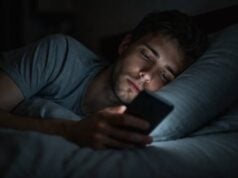
Trichotillomania can look deceptively simple from the outside: a person pulls at hair, a patch thins, a habit forms. But the lived experience is usually more complicated than that. Many people describe a rising inner tension, a sensory discomfort, or a hard-to-name urge that seems to take over for a few seconds or much longer. Pulling may happen during stress, boredom, fatigue, or even while watching television without much awareness. The relief is often brief, and the shame can last far longer.
Because of that cycle, trichotillomania is often misunderstood as “just a bad habit” or confused with anxiety, self-harm, or an obsessive-compulsive ritual. In reality, it is a distinct and often impairing condition. This article explains what hair-pulling disorder is, how it typically unfolds, what signs and symptoms matter most, what “withdrawal” can mean in this context, and when the physical or emotional risks become serious.
Table of Contents
- What Trichotillomania Is and Is Not
- How Hair-Pulling Episodes Usually Happen
- Signs, Symptoms, and Common Pulling Patterns
- Causes, Triggers, and Risk Factors
- Urges, Cravings, and Withdrawal-Like Rebound
- Effects on Hair, Skin, Health, and Daily Life
- When the Condition Becomes Medically Serious
What Trichotillomania Is and Is Not
Trichotillomania, also called hair-pulling disorder, is a condition marked by repeated pulling of one’s own hair that leads to noticeable hair loss, distress, or functional impairment. It most often affects the scalp, eyebrows, and eyelashes, but it can involve almost any hair-bearing area, including the beard, arms, legs, or pubic region. For some people, pulling happens in short bursts. For others, it can continue for long stretches and become part of daily routine.
One of the most important things to understand is that trichotillomania is not simply vanity, a nervous quirk, or a lack of self-discipline. It is also not always best described as an addiction in the classic sense. People may feel cravings, relief, and repeated return to the behavior, but the condition is generally classified among obsessive-compulsive and related disorders and body-focused repetitive behaviors rather than substance addictions. That distinction matters because the driving force is often not pleasure alone. It may be tension relief, sensory correction, emotion regulation, habit, or a mix of all four.
Trichotillomania is also commonly misunderstood in three ways.
First, it is often mistaken for “just stress.” Stress can worsen pulling, but many people pull when they are bored, tired, focused, or even relaxed. Second, it is often confused with self-harm. Hair-pulling disorder usually is not driven by a wish to injure oneself. The behavior is more often about urge relief, sensory satisfaction, or automatic repetition. Third, it may be confused with other body-focused repetitive behaviors, especially skin-picking disorder. These conditions can overlap, but they are not identical.
A proper clinical picture of trichotillomania usually includes:
- recurrent pulling that causes hair loss
- repeated attempts to stop or reduce the behavior
- distress, shame, avoidance, or disruption in life
- no better explanation from another medical or psychiatric condition
That last point is especially important. Hair loss can happen for many reasons, including alopecia areata, fungal scalp disease, traction from hairstyles, and other dermatologic problems. In trichotillomania, the hair loss is caused by pulling, even if the person is only partly aware of it.
The disorder often begins in late childhood or adolescence, though it can start earlier or later. Some people have a mild, fluctuating course. Others live with it for years. Across that range, the same basic truth holds: this is a real condition with recognizable patterns, not a personal failing hidden in a grooming habit. Once that is understood, the rest of the symptoms make much more sense.
How Hair-Pulling Episodes Usually Happen
Hair-pulling episodes are often more structured than they appear. From the outside, it may look like a person is absentmindedly tugging at hair. From the inside, there may be a sequence: a sensation, a search, a pull, a brief release, and then either a stop or a continued loop. Understanding that sequence is useful because trichotillomania often operates through a blend of automatic and focused behavior.
Automatic pulling happens with limited awareness. A person may pull while reading, scrolling, studying, driving, watching television, or lying in bed. They may not realize how much hair has been pulled until they notice strands on clothing or a sore spot on the scalp. This form often feels habit-like and can be hard to track.
Focused pulling is different. In this pattern, the person is more aware of the urge and actively seeks out a hair that feels wrong. They may search for a coarse, kinky, uneven, or “not right” strand. The act can involve rituals that make the behavior more reinforcing, such as:
- feeling along the scalp for a certain texture
- isolating one hair with the fingertips
- pulling in a particular way
- examining the root afterward
- rubbing the strand across the lips or fingers
- biting, chewing, or swallowing the hair in some cases
Many people do not fit neatly into one style. Their pulling changes with mood, fatigue, setting, and stress. Someone may pull automatically during a film and then pull in a highly focused way later while looking in the mirror.
Environment matters too. Episodes often cluster in places where attention is partly occupied and the hands are free. Common settings include:
- sitting at a desk
- lying in bed
- using a laptop or phone
- riding in a car
- doing homework
- being alone after a stressful interaction
This is one reason the disorder can feel so frustrating. The behavior becomes woven into ordinary moments rather than standing out as a separate event. The person may realize only afterward that another pulling episode happened.
There is also often a sensory component. Some people describe itching, tingling, asymmetry, or discomfort that seems to quiet down after the pull. Others describe tension building in the body, then easing briefly once the hair is removed. Still others say the act helps them concentrate for a moment, almost as if the brain narrows around the urge and shuts out everything else.
This pattern helps explain why hair-pulling disorder is hard to stop by simple willpower. The behavior is not usually random. It is learned, cued, and reinforced. The brain begins to associate specific sensations, emotions, and environments with the act of pulling and the temporary relief that follows. Over time, those links can become strong enough that the behavior feels almost preloaded into daily life.
Signs, Symptoms, and Common Pulling Patterns
The clearest symptom of trichotillomania is repeated hair pulling that leads to visible thinning, bald patches, or broken hairs of uneven length. But the condition usually shows up in more ways than hair loss alone. Its signs can be physical, behavioral, and emotional, and they often develop together.
Physical signs may include:
- patchy hair loss on the scalp
- thinning eyebrows or missing eyelashes
- short, broken hairs in affected areas
- scalp tenderness, redness, or irritation
- repeated touching or scanning of the same body area
- hand fatigue or soreness after longer episodes
The pattern of hair loss is often irregular rather than smooth. One side may be affected more than the other. A person may preserve hair in one area while repeatedly targeting another. On the scalp, the patch can look unusual enough that clinicians sometimes need to distinguish it from other causes of alopecia.
Behavioral signs are often even more revealing. These can include:
- spending time searching for “wrong” hairs
- pulling during sedentary activities such as reading or screen use
- avoiding haircuts, salons, wind, swimming, or bright lighting
- keeping tweezers or mirrors nearby
- covering bald spots with hats, scarves, makeup, or styling changes
- denying or minimizing the behavior even when it is frequent
Emotionally, shame is one of the most common themes. Many people hide the condition for months or years. They may fear being seen as strange, careless, or out of control. Some avoid dating, photos, medical care, or social situations because they worry others will notice missing hair or damaged brows and lashes.
Another important sign is the internal experience around the behavior. A person may feel rising tension before pulling and temporary relief afterward. They may feel embarrassed immediately after an episode and still return to the behavior later the same day. The repetition of that cycle is a major clue that this is not just casual grooming or a simple stress habit.
Hair-pulling disorder can also overlap with other emotional symptoms. Some people feel keyed up, restless, or physically tense much of the time. Others feel numb or detached until the urge appears. At times, the condition can sit next to broader anxiety symptoms, which may blur the picture. But timing helps: if the urge builds around specific sensations, settings, or emotional states and then drops after pulling, trichotillomania is more likely to be central.
A final sign that often goes unnoticed is mental preoccupation. The person may spend a surprising amount of time thinking about damaged areas, planning how to hide them, checking regrowth, or promising themselves they will stop. Even when the pulling episodes are brief, the condition can occupy much more of a person’s day than outsiders realize. That hidden mental load is part of the disorder, not a side note to it.
Causes, Triggers, and Risk Factors
There is no single cause of trichotillomania. It appears to develop through a mix of vulnerability, learning, environment, and reinforcement. For some people, the first episodes happen during a stressful period. For others, the behavior starts as a sensory habit that gradually becomes more ingrained. In many cases, there is no single dramatic beginning. The condition grows by repetition.
Research and clinical observation suggest several broad contributors.
One is emotional regulation. Hair pulling may temporarily reduce tension, frustration, boredom, or inner discomfort. If the behavior reliably brings even brief relief, the brain begins to learn that pulling “works,” at least for a moment. That kind of negative reinforcement can make the behavior more likely to return.
Another contributor is sensory processing. Some people are drawn to particular textures, root sensations, or the feeling of removing a hair that seems coarse or out of place. In that case, the behavior is not only emotional. It is also tactile and perceptual.
Common triggers include:
- stress or conflict
- boredom and understimulation
- fatigue
- studying or reading
- screen time
- mirrors and grooming routines
- feeling an uneven or “wrong” hair
- perfectionistic thoughts about appearance
Risk can also be shaped by broader mental health patterns. Trichotillomania often coexists with anxiety, depression, obsessive-compulsive features, attention difficulties, and other body-focused repetitive behaviors. That does not mean one directly causes the other, but overlap is common enough that clinicians usually look for it. The condition may also be misread as purely obsessive-compulsive, even though many people with hair-pulling disorder do not experience the kind of intrusive thoughts that define classic OCD patterns.
Family factors may play a role too. Some people report relatives with similar behaviors, tics, anxiety disorders, or compulsive habits. That does not make trichotillomania inevitable, but it suggests that temperament and biology may matter. Puberty and developmental changes may also influence onset in some cases.
Importantly, triggers are not always negative. People may pull when deeply focused, relaxed, or disengaged. That is why advice such as “just reduce stress” is rarely enough. Stress reduction can help, but hair pulling often has more than one function. It can soothe, stimulate, occupy, correct, and regulate, sometimes all in the same person.
The disorder is best understood as a loop:
- an internal or external trigger appears
- tension, discomfort, or sensory focus increases
- pulling happens
- brief relief or satisfaction follows
- shame, damage, or renewed urges set the stage for repetition
When that loop repeats often enough, it becomes easier for the behavior to happen automatically and harder for the person to believe they can interrupt it. The cause, in practice, is not one factor but the way multiple factors begin reinforcing each other over time.
Urges, Cravings, and Withdrawal-Like Rebound
Although trichotillomania is not a substance use disorder, many people describe the urge to pull in language that sounds very similar to craving. That is not accidental. The experience can be repetitive, intrusive, difficult to ignore, and linked to temporary relief. The person may tell themselves they will not do it again today, only to feel the urge build the moment they sit down in a familiar chair or run their fingers across a certain patch of hair.
These urges vary in intensity. Sometimes they appear as a quiet mental pull toward a specific area. Sometimes they feel physical, like tension under the skin or an itch that is hard to dismiss. Sometimes the craving is emotional: the person wants the brief sense of release, correction, or completion that pulling provides.
Common features of hair-pulling urges include:
- feeling driven to fix a hair that seems wrong
- rising tension or discomfort before pulling
- a sense of incompleteness if the urge is resisted
- repetitive thoughts about the target area
- temporary relief after the hair is removed
This helps explain why stopping can feel harder than outsiders expect. A person is not only trying to avoid an action. They are trying to tolerate the build-up that normally ends with that action. In that sense, trichotillomania can produce a withdrawal-like rebound when someone resists pulling, even though it does not cause classical medical withdrawal.
That rebound may include:
- irritability
- inner restlessness
- increased awareness of scalp or hair sensations
- difficulty concentrating
- frustration that keeps returning to the same spot
- a feeling that something is unfinished until the urge passes
For some people, the rebound is strongest during quiet moments. For others, it rises at night, after stress, or when they notice regrowth. Resisting one urge may make the next few hours feel mentally crowded. The person may become more tense, not less, before the discomfort begins to fade.
This is one reason relapse after attempted stopping is so common. The person may genuinely want to quit, but they underestimate how persistent the urge can feel and how often it is tied to daily cues. Mirrors, specific hairstyles, boredom, study time, bedtime, and emotional conflict can all reactivate the cycle.
There is often a second layer as well: rumination. After resisting or after pulling, the person may replay the episode, check the area repeatedly, and mentally bargain with themselves. That kind of repetitive mental looping can resemble broader rumination patterns, especially when shame and self-monitoring take over.
So while the word withdrawal should be used carefully here, it is still meaningful to say that many people experience a rebound state when they try to stop: more tension, more urge awareness, more irritability, and a temporary sense that the body and mind are demanding the familiar behavior. Understanding that response can reduce shame. It does not mean the person is weak. It means the habit loop has become strongly conditioned.
Effects on Hair, Skin, Health, and Daily Life
The most obvious effect of trichotillomania is hair loss, but the condition often reaches much further. Repeated pulling can affect the hair shaft, the follicle, the skin, and over time a person’s social life, confidence, routines, and sense of identity.
On the physical side, repeated pulling can cause:
- broken hairs and uneven regrowth
- irritated or tender skin
- small areas of bleeding or infection
- eyebrow and eyelash thinning
- reduced density in repeatedly targeted areas
- in more severe or prolonged cases, follicle damage and less reliable regrowth
Not every person with trichotillomania develops permanent hair loss, but chronic pulling raises that risk. Early in the course, regrowth is often possible. With repeated trauma over time, the follicles may become less resilient.
The condition can also affect more than the pulling site itself. Some people chew on the hair root, bite strands, or swallow hair after pulling. This is called trichophagia when hair is eaten. It matters because swallowed hair does not digest well and can collect in the stomach over time. That creates a small but important medical risk discussed more fully in the final section.
Psychological effects are often just as heavy as the physical ones. Many people describe:
- embarrassment about appearance
- fear that others will notice
- low self-esteem
- avoidance of social events or intimacy
- constant checking of mirrors, photos, and lighting
- exhaustion from trying to conceal the problem
Daily functioning can narrow in subtle ways. A person may spend extra time styling hair to cover patches, using cosmetics to disguise eyebrow loss, or arranging their day around privacy. They may avoid hairdressers, gyms, windy weather, sleepovers, or situations where they cannot control how they look. What begins as a pulling behavior becomes a larger system of concealment and vigilance.
Trichotillomania can also interfere with attention and work. A person may lose time to episodes, spend energy fighting urges, or struggle to focus because part of their attention is stuck on a specific patch of hair. The mental drain can be significant even when others do not notice the behavior.
Children and adolescents may face teasing, school embarrassment, or family misunderstanding. Adults may experience shame in professional settings or relationships, especially when they have worked hard to hide the condition for years. The disorder can make a person feel isolated even when they are outwardly functioning well.
That combination of physical visibility and hidden mental load is one reason trichotillomania can be so impairing. It affects appearance, yes, but it also affects time, confidence, spontaneity, and the feeling of being at ease in one’s own body. The risk is not only what hair-pulling removes. It is also what it gradually makes a person avoid.
When the Condition Becomes Medically Serious
Trichotillomania is often discussed as a chronic but non-emergency condition, and that is frequently true. But there are times when the risks become medically important and should not be brushed aside. The most urgent concerns usually involve skin injury, infection, severe functional impairment, or hair ingestion.
A major red flag is trichophagia, which means chewing or swallowing pulled hair. Hair is difficult for the body to break down. Over time, swallowed hair can collect in the stomach and form a compact mass called a trichobezoar. In rare but serious cases, this can cause abdominal pain, nausea, vomiting, constipation, weight loss, obstruction, or the need for surgery. This risk is uncommon, but it is one of the clearest examples of why hair-pulling disorder is more than a cosmetic problem.
Warning signs that deserve medical attention include:
- ongoing chewing or swallowing of hair
- stomach pain, vomiting, constipation, or a palpable abdominal mass
- scalp or skin infections
- significant bleeding or repeated open sores
- rapid expansion of hair loss
- signs of scarring or areas where regrowth seems absent
- severe shame, depression, or thoughts of self-harm
Urgency can also be psychological. Some people with trichotillomania become so distressed by appearance changes and loss of control that they withdraw socially, avoid school or work, or sink into depression. The condition itself is not the same as suicidal behavior, but severe embarrassment, isolation, and hopelessness can still become dangerous and deserve prompt professional care.
Another reason to seek proper assessment is diagnostic clarity. Hair pulling can coexist with anxiety, depression, ADHD, autism, OCD-spectrum conditions, dermatologic disease, or other body-focused repetitive behaviors. A clinician can help determine what is primary, what overlaps, and whether another condition is also contributing to the picture.
A separate hair-pulling treatment guide can cover treatment and management in depth, so this article will not go further into that here. But it is worth saying plainly that the presence of medical or emotional risk changes the threshold for action. A person does not need to “wait until it gets worse” to deserve help.
The most serious mistake people make with trichotillomania is assuming that because it can look small, it must be harmless. In reality, the condition becomes medically serious whenever it is damaging skin, threatening hair regrowth, involving swallowed hair, or creating enough emotional pain and avoidance to shrink a person’s life. Those are not minor consequences. They are signs that the disorder has moved beyond a private habit and into a level of impairment that should be taken seriously.
References
- Trichotillomania 2024
- Trichotillomania: What Do We Know So Far? 2021 (Review)
- Trichotillomania and Skin-Picking Disorder: An Update 2021 (Review)
- Diagnostic Accuracy of Trichoscopy in Trichotillomania: A Systematic Review 2021 (Systematic Review)
- Trichotillomania 2023
Disclaimer
This article is for educational purposes only and is not a diagnosis or a substitute for medical or mental health care. Trichotillomania can overlap with other psychiatric or dermatologic conditions, and in some cases it can lead to infection, scarring, or gastrointestinal complications if hair is swallowed. Seek professional evaluation if hair pulling is persistent, causes distress, leads to bald patches or skin damage, or involves chewing or eating hair. Seek urgent medical care for severe abdominal symptoms, significant infection, or thoughts of self-harm.
If this article was helpful, please share it on Facebook, X, or another platform you prefer so more people can recognize hair-pulling disorder earlier and seek support sooner.