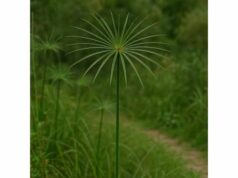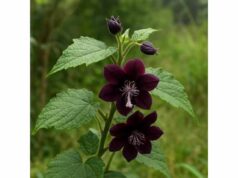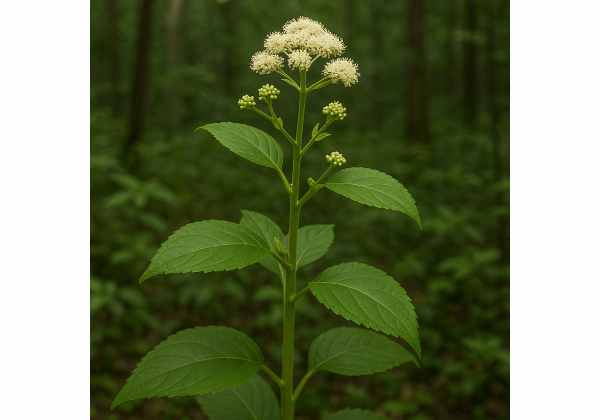
Udo, or Aralia cordata, is a tall perennial herb native to Japan, Korea, and parts of China. It is best known in Japan as a spring vegetable with crisp, pale stems, but it also has a longer history as a traditional medicinal plant, especially in root form. That dual identity matters. Udo is not just a wild edible and not just an herb. It sits between the two, which helps explain why people look for it both in the kitchen and in wellness traditions.
Interest in udo usually centers on three questions: what it contains, what it may actually help with, and how to use it safely without exaggerating the evidence. Its stems and shoots provide phenolic compounds, carotenoids, and other plant antioxidants, while the roots contain diterpenes, polyacetylenes, and related compounds studied for anti-inflammatory and metabolic effects. Even so, the strongest modern evidence is still mostly preclinical. Udo is promising, but it is not a proven cure. The most responsible way to view it is as a food-herb with traditional value, intriguing lab data, and a need for cautious, practical use.
Key Insights
- Udo is best supported as a food-herb for antioxidant support and inflammatory balance, not as a proven medical treatment.
- Young blanched stems are usually the gentlest form, while the root is more associated with traditional medicinal use.
- A practical food-first range is about 30–80 g of cooked or blanched stem per serving.
- Concentrated extracts deserve extra caution in people using diabetes medication or multiple herbal supplements.
- Avoid medicinal-strength udo during pregnancy, breastfeeding, and in children unless a qualified clinician advises otherwise.
Table of Contents
- What is udo and why do people use it
- Key ingredients and medicinal properties
- Health benefits and what the research suggests
- Uses in food, tea, and traditional practice
- Dosage, preparation, and how long to use it
- Safety, side effects, and who should avoid udo
What is udo and why do people use it
Udo belongs to the Araliaceae family, the same broad plant family that includes ginseng and several other traditional tonic herbs. That family connection has encouraged comparisons, but udo should not be treated as a direct stand-in for ginseng. Its culinary role is stronger, its flavor profile is different, and its best-known uses are more grounded in seasonal food culture and folk practice than in modern standardized supplementation.
In Japan, cultivated udo is often blanched during growth so the stems remain pale, tender, and mild. These stems are peeled, sliced, and eaten raw, pickled, or lightly cooked. Wild or less-blanched forms tend to be more aromatic, bitter, and resinous. In Korea and China, the root has a stronger medicinal reputation and has traditionally been used for complaints linked to pain, stiffness, rheumatic discomfort, and general debility.
That food-herb overlap is one of udo’s most useful features. A person may encounter it first as a vegetable, then later read about its roots in herbal preparations. The plant parts are not interchangeable in a simple way. The shoots and stems are mainly culinary. The root and rhizome are more likely to appear in traditional medicinal settings. Extracts, tinctures, and powders usually concentrate the root or mixed plant fractions, which means their effect profile can be noticeably stronger than eating the fresh stem at a meal.
People turn to udo for several reasons:
- To add a bitter-aromatic spring vegetable to the diet
- To support digestive freshness and appetite
- To explore traditional joint and pain-support uses
- To use a plant with antioxidant and anti-inflammatory potential
- To try a food-first herb rather than starting with a high-strength supplement
Its taste also shapes its use. Udo has a clean, slightly resinous, celery-meets-citrus quality with a faint bitterness. That bitter edge is not just culinary character. In herbal traditions, bitterness often signals a plant that may stimulate digestive secretions, sharpen appetite, or help a meal feel less heavy. That does not make it a drug, but it does help explain why it is valued before or alongside rich foods.
For readers who enjoy comparing edible roots and food-herbs, udo sits somewhere between a spring vegetable and the broader tradition represented by burdock’s food-and-herb profile. The key difference is that udo is generally prized for its young shoots and stems as much as for its root.
Key ingredients and medicinal properties
Udo’s medicinal profile comes from a mix of nutrient-like compounds and more specialized phytochemicals. Different plant parts emphasize different chemistry, which is why a plate of blanched stem should not be expected to act like a root extract.
The stems, leaves, berries, and related aerial parts contain a range of antioxidant compounds. These include phenolic compounds, carotenoids such as lutein and zeaxanthin, and pigmented compounds in some parts of the plant. Antioxidants are often oversold online, but in practical terms they matter because they may help limit oxidative stress and support normal tissue resilience. That is one reason udo is often described as a restorative spring food.
The root is more pharmacologically interesting from an herbal perspective. Reported compounds include:
- Diterpenes and diterpene acids
- Polyacetylenes
- Saponins
- Sterols
- Chlorogenic-acid-related phenolics
- Volatile and aromatic constituents
These compounds help explain the plant’s traditional medicinal reputation. Diterpene acids and related constituents have shown anti-inflammatory and analgesic activity in cell and animal research. Some compounds appear to influence inflammatory signaling pathways, while others have been studied for effects on lipid handling, glucose-related mechanisms, and cartilage-protective activity.
Several medicinal properties are commonly associated with udo:
Anti-inflammatory activity
This is the most consistent traditional and preclinical theme. Udo root compounds have been studied for effects on cyclooxygenase activity, inflammatory mediators, and pain-related responses.
Analgesic support
Traditional use in pain, rheumatic discomfort, and stiffness is supported by experimental findings, though not by strong human trials.
Antioxidant potential
Aerial parts and certain extracts show measurable antioxidant capacity. That does not guarantee a dramatic clinical effect, but it adds plausibility to food-based wellness use.
Metabolic modulation
Some research suggests that udo extracts may affect lipid synthesis or glucose-related pathways. These findings are interesting, but they remain early and should not be translated into claims that udo treats diabetes or fatty liver disease.
Digestive stimulation
Its aroma and bitterness make this one of the more practical properties. Even without dramatic medicinal claims, mild bitter plants often fit well into meals that need a fresher, lighter finish.
One useful way to think about udo is that it combines “gentle culinary physiology” with “stronger root pharmacology.” The stems may support digestion and provide plant antioxidants in a meal-sized way. The root is where most of the pain, inflammation, and metabolic research concentrates. That distinction helps prevent unrealistic expectations and also helps people choose the right form.
If you already know the broader herbal tradition of other East Asian aromatic roots, udo will feel familiar in concept, though its food use is more central and its evidence base remains thinner.
Health benefits and what the research suggests
Udo has several plausible benefits, but the key phrase is plausible benefits. Most of the evidence comes from laboratory, animal, and phytochemical studies rather than large, modern human trials. That means the most honest answer is not “yes, it works” or “no, it does nothing.” It is that udo shows enough biological activity to justify interest, but not enough clinical evidence to justify bold treatment claims.
The most realistic potential benefits include the following.
1. Support for inflammatory balance and joint comfort
This is where traditional use and modern research align most clearly. Udo root compounds have shown anti-inflammatory and pain-modulating activity in experimental models. Some studies suggest effects on inflammatory enzymes, histamine-related activity, and cartilage breakdown pathways. For someone dealing with occasional stiffness or mild inflammatory load, that makes udo an interesting supportive herb. Still, it should be seen as an adjunct, not as a replacement for diagnosis or established arthritis care.
2. Antioxidant support
Udo’s aerial parts contain phenolics and carotenoids that may help buffer oxidative stress. In daily life, this is less about “fighting free radicals” as a slogan and more about using diverse plant foods that support normal recovery and tissue maintenance. That benefit is most believable when udo is treated as part of a broader diet rich in vegetables and herbs.
3. Mild digestive and appetite support
Its bitterness and aromatic qualities may help stimulate digestive readiness, especially before or with meals. Many people notice that bitter spring vegetables help heavy foods feel easier to digest. This is a practical, experience-based use rather than a heavily researched one, but it is also one of the easiest to apply.
4. Metabolic support
Some studies suggest that udo extracts may influence fat synthesis, glucose transport, or related pathways. This is promising, especially for future research, but it is far too early to claim that udo improves blood sugar control in a clinically meaningful way.
5. Food-based seasonal nourishment
This is not a dramatic supplement benefit, but it may be the most dependable one. Udo brings fiber, phytochemicals, and sensory complexity to the diet. As a seasonal vegetable, it may help diversify plant intake in a way that supports digestion and overall dietary quality.
The biggest limitation is the evidence gap. There is no strong body of human clinical trials proving that udo reliably improves joint pain, metabolic markers, or inflammatory diseases. That matters. It means the plant is better described as promising and traditional than proven and therapeutic.
A good reality check is to compare it with a better-known anti-inflammatory food-herb such as ginger’s anti-inflammatory profile. Ginger has stronger human evidence. Udo has a compelling tradition and some interesting mechanisms, but it has not reached that level of validation.
So, does udo work? In a narrow and cautious sense, it probably does something biologically meaningful. In a strong clinical sense, the evidence is not there yet. That balanced view is the safest one.
Uses in food, tea, and traditional practice
Udo is unusually versatile because it can be used as a seasonal food, a folk medicinal plant, and a more concentrated extract. Each form has a different goal, and confusion often starts when people assume they all behave the same way.
As a vegetable
This is the gentlest and most traditional starting point for many people. Blanched stems are often peeled and sliced into salads, quick pickles, stir-fries, soups, or lightly sautéed dishes. The flavor is bright and slightly bitter, which makes it well suited to rich meals. Food use is the best entry point for anyone who wants to explore udo without jumping straight to concentrated herbal products.
As a bitter spring tonic food
In seasonal cooking, udo is often valued not only for nutrients but also for how it feels: crisp, aromatic, and cleansing on the palate. Herbs and vegetables with this profile are often used in spring menus to encourage appetite, reduce heaviness, and refresh digestion after richer winter foods.
As a traditional root remedy
The root has a different identity. In East Asian herbal traditions, it has been used for rheumatic pain, lower-back discomfort, stiffness, lameness, and cold-related aches. In this setting, the root is usually decocted or included in multi-herb preparations rather than eaten casually as a vegetable.
As tea or decoction
Mild household use usually favors low-strength preparations. A tea made from dried root or mixed plant material is more appropriate for short, cautious trials than for indefinite daily use. The taste tends to be stronger, earthier, and more medicinal than the fresh stem.
As powder, tincture, or extract
This is the form most likely to create unrealistic expectations. Extracts can be convenient, but they vary enormously in strength, plant part, and quality. A product labeled simply “Aralia cordata” may not tell you enough unless it also identifies the part used and the concentration.
As part of culinary-herbal experimentation
Some people pair udo with miso, sesame, citrus, broth, or vinegar. Those combinations are not just traditional for flavor. They also soften the plant’s edge and make it easier to include regularly.
Practical use depends on your goal:
- Choose fresh or cooked stem for food-first wellness
- Choose light decoction for short, traditional-style exploration
- Choose commercial extract only when the label is clear and the reason for use is specific
- Choose multi-herb formulas only with experienced guidance if you are taking medicines or managing chronic disease
People familiar with edible roots and bitters may notice some overlap with dandelion’s food-and-tea tradition, though udo is more aromatic, more stem-centered in culinary use, and less established in modern Western herbal routines.
Dosage, preparation, and how long to use it
Udo does not have a well-established, evidence-based clinical dosage. That is one of the most important safety points in the entire article. There is a difference between a traditional food plant with medicinal potential and a herb with a clearly standardized dosing system. Udo belongs mostly to the first group.
Because of that, the most sensible dosing strategy is food first, extract second.
Food-level use
For most adults, a reasonable starting point is about 30–80 g of blanched or cooked stem per serving. That works well as a side dish, salad ingredient, or soup addition. You do not need large amounts to appreciate its flavor or digestive character. Using it once or twice weekly during its season is a practical pattern.
Wild or more bitter shoots
These are usually used in smaller amounts because they can be more resinous and assertive. Peeling, soaking, blanching, or pairing with acid can make them gentler.
Tea or decoction
If you are using dried root, begin conservatively rather than chasing a strong medicinal effect. A low-strength preparation once daily is a cautious start. Because commercial dried materials vary in strength and cut size, exact home dosing is less reliable than it appears. When in doubt, stay close to label directions from a reputable supplier and avoid combining several strong herbal products at once.
Powder, capsules, and extracts
Use only products that identify:
- The plant part used
- Whether the product is powdered herb or extract
- The amount per serving
- Any standardization or extraction ratio
If the label is vague, skip it. Udo is not common enough in mainstream supplement markets to justify blind trust in poorly described products.
Timing
Food use is flexible. Tea or capsules usually make more sense earlier in the day or with meals, especially if bitterness or digestive stimulation makes you more aware of the stomach. Taking stronger preparations on an empty stomach may increase nausea in sensitive people.
How long to use it
A food form can be part of normal seasonal eating. A medicinal-strength preparation should be treated more like a trial:
- Start low
- Use it for 2 to 4 weeks
- Reassess whether it is clearly helping
- Stop if there is no meaningful benefit or if side effects appear
That trial approach is better than assuming “natural” means “safe to take indefinitely.” If your main reason for use is digestive support, looking at how other bitters are structured, such as artichoke’s digestive-support pattern, can help frame expectations: food and low-dose use first, concentrated products only when there is a clear reason.
Safety, side effects, and who should avoid udo
Udo has a long culinary history, which is reassuring, but that is not the same as proving that concentrated root extracts are safe for everyone. The plant is probably low-risk in food amounts for healthy adults, especially when prepared traditionally, but medicinal-strength use requires more caution.
Possible side effects
Most problems are likely to be mild and digestive:
- Bitterness or stomach discomfort
- Nausea if taken too concentrated or on an empty stomach
- Loose stools in sensitive people
- Mouth or throat irritation from poorly prepared raw material
- Headache or dislike of the aroma in some users
Fresh wild material can also be harsher than cultivated blanched stem. Peeling, soaking, and light cooking are not only culinary choices; they can improve tolerance.
Who should avoid medicinal-strength udo
The following groups should be especially cautious or avoid concentrated forms:
- Pregnant people
- Breastfeeding people
- Children
- People with a known allergy to udo or related plants
- People using multiple glucose-lowering medicines
- People preparing for surgery
- People with complex liver, kidney, or autoimmune conditions unless supervised
Why this caution if the evidence is limited? Because limited evidence cuts both ways. It means limited proof of benefit, but also limited proof of safety in higher-dose or long-term use.
Medication interactions
The most reasonable concerns involve:
- Diabetes medicines, because early research suggests possible glucose-related activity
- Multi-herb pain or inflammation formulas, because layering several bioactive plants can make effects harder to predict
- Sedating or symptom-targeted regimens, when a person is already taking several agents and cannot tell what is causing benefit or side effects
There is not enough solid evidence to produce a long, dramatic interaction list, and that is exactly why a simple rule works best: do not combine udo extracts casually with prescription medication if the purpose is medicinal rather than culinary.
Food safety and identification
If foraging, correct identification matters. Large aromatic shoots can be confused with other plants, and roadside or contaminated growing areas create additional risk. Food-grade, cultivated material is safer than uncertain wild harvest for most people.
The bottom line on safety
- Food use is the safest entry point
- Root extracts deserve more caution than stems
- Short trials are safer than indefinite use
- Stop immediately if you notice rash, severe stomach upset, dizziness, or any unusual reaction
Udo can be worthwhile, but only when its traditional reputation is matched with modern restraint.
References
- Aralia cordata Thunb. as a Source of Bioactive Compounds: Phytochemical Composition and Antioxidant Activity 2022 (Review) ([PMC][1])
- Traditional uses, phytochemistry, pharmacology, toxicity and quality control of medicinal genus Aralia: A review 2022 (Review) ([PubMed][2])
- Ethnobotanical review of traditional use of wild food plants in Japan 2024 (Review) ([PMC][3])
- Enhanced Bioactivity of Fermented Aralia cordata Extract for Glucose and Immune Modulation 2025 (Preclinical Study) ([PubMed][4])
- The analgesic and anti-inflammatory effects of 7-oxosandaracopimaric acid isolated from the roots of Aralia cordata 2010 (Animal Study) ([PubMed][5])
Disclaimer
This article is for educational purposes only and does not diagnose, treat, cure, or prevent any disease. Udo is a traditional food-herb with promising laboratory and historical evidence, but strong human clinical data are still limited. Food use and medicinal use are not equivalent. If you are pregnant, breastfeeding, managing a chronic illness, taking prescription medication, or considering concentrated extracts, speak with a qualified healthcare professional before using udo therapeutically.
If you found this article useful, please share it on Facebook, X, or your preferred platform to help others find clear, evidence-aware herbal information.