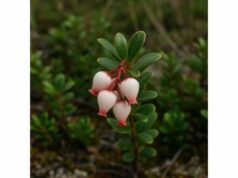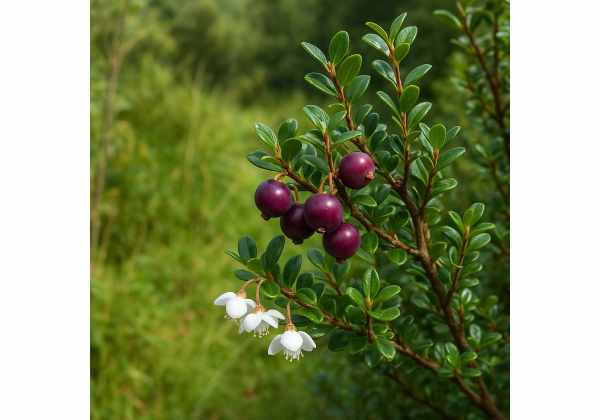
Ugni, better known as Ugni molinae, murta, murtilla, or Chilean guava, is a fragrant South American berry-bearing shrub valued as both a traditional plant food and a folk remedy. Native to southern Chile and parts of Argentina, it produces small red berries with a sweet, resinous aroma and leaves that have long been brewed as herbal infusions. Modern interest in Ugni centers on its rich polyphenol profile, especially anthocyanins, flavonols, phenolic acids, and leaf triterpenes that may help explain its antioxidant, antimicrobial, and anti-inflammatory activity.
What makes Ugni especially interesting is the gap between tradition and science. The plant has promising laboratory and food-science research behind it, but it still lacks robust human clinical trials. That means it is best understood as a functional berry and traditional herbal ingredient rather than a proven treatment. For readers who want a practical guide, the most useful questions are simple ones: what compounds it contains, what benefits are plausible, how people use it in food or tea, how much is reasonable, and when extra caution makes sense.
Essential Insights
- Ugni berries provide polyphenols and anthocyanins that may help reduce oxidative stress.
- Fruit and leaf extracts show antimicrobial and anti-inflammatory activity in laboratory studies.
- A practical starting range is 50 to 100 g of fresh fruit daily or 1 to 2 g of dried leaf per 250 mL of tea.
- Avoid concentrated Ugni extracts during pregnancy and breastfeeding, and use caution with blood pressure or blood sugar medicines.
Table of Contents
- What Ugni is and why it stands out
- Key ingredients and active compounds in Ugni
- Health benefits and medicinal properties of Ugni
- Traditional uses and practical ways to use it
- Ugni dosage timing and how to choose a form
- Safety side effects interactions and who should avoid it
What Ugni is and why it stands out
Ugni is an evergreen shrub in the myrtle family, the same broad botanical group that includes common myrtle, clove, and eucalyptus. Its berries are small, glossy, and usually red to deep pink when ripe, though color can vary by genotype and growing conditions. The fruit is one reason Ugni attracts attention: it combines the tart brightness of a berry with a warm, floral, almost spicy aroma that makes it distinctive in jams, sauces, syrups, and liqueurs. The leaves matter too. In southern Chilean tradition, they have been prepared as infusions and simple household remedies for mouth, throat, digestive, and urinary complaints.
One helpful point for readers is that Chilean guava is not a true guava in the tropical sense. The name reflects aroma and culinary character more than close botanical identity. That distinction matters because people often assume Ugni behaves nutritionally like tropical guava, when in fact its profile is closer to a small wild berry with concentrated phenolics and moderate fiber.
Ugni also stands out because both the fruit and the leaves appear biologically active. Many plants store their most interesting compounds in only one part, but Ugni has useful chemistry in both. The berries are valued for anthocyanins, flavonols, and aromatic compounds. The leaves add a different layer, including polyphenols and triterpenes that may contribute to anti-inflammatory and antimicrobial effects. In several studies, leaf extracts even showed stronger antioxidant or antimicrobial activity than fruit extracts, which is one reason Ugni is discussed in both food and herbal contexts.
From a practical health perspective, the best way to think about Ugni is as a “promising but not fully proven” plant. It is more grounded than a wellness fad because there is real phytochemical and preclinical research behind it. At the same time, it does not yet have the human evidence base that would justify disease-treatment claims. That middle ground is important. It keeps expectations realistic while still recognizing that Ugni may be a valuable addition to a nutrient-dense diet or a carefully used herbal routine.
Its position among wild and underused berries is also interesting. Like lingonberry’s polyphenol profile, Ugni seems to offer more value in its total compound matrix than in any single vitamin or mineral. In other words, people are usually reaching for Ugni because of its broader phytochemical pattern, not because it is an unusually concentrated source of one essential nutrient.
Key ingredients and active compounds in Ugni
When people search for the “key ingredients” in Ugni, they are usually asking about the compounds most likely to drive its medicinal properties. The answer begins with polyphenols. Ugni fruit contains a broad set of anthocyanins and flavonols, and the leaves add further polyphenols plus triterpenes. This combination helps explain why Ugni keeps appearing in discussions of antioxidant defense, inflammation, food preservation, and cellular protection.
The most important compound groups include:
- Anthocyanins, which give the fruit much of its red, purple, and blue color potential. In Ugni, researchers have identified compounds such as cyanidin, delphinidin, peonidin, malvidin, and petunidin derivatives. These are often linked with antioxidant activity and may help protect cells from oxidative stress.
- Flavonols, especially quercetin and related glycosides such as quercetin-3-glucoside, plus rutin, isoquercitrin, kaempferol, and myricetin. These compounds are frequently studied for their anti-inflammatory and vascular-supporting potential.
- Phenolic acids, including gallic acid, caffeic acid, chlorogenic acid, and ellagic acid derivatives. These may contribute to both antimicrobial and antioxidant effects.
- Triterpenes in the leaves, such as ursolic acid, oleanolic acid, maslinic acid, madecassic acid, corosolic acid, and asiatic acid. These are especially interesting because many triterpenes in other plants are investigated for anti-inflammatory and metabolic effects.
- Dietary fiber and pectin, which make the fruit more than just a source of pigments. Fiber helps explain part of Ugni’s value as a functional food and may influence gut health and glycemic response.
- Modest vitamins and minerals, including vitamin C and potassium, though Ugni is not best viewed as a major vitamin source compared with more familiar fruits.
This chemistry matters because whole-plant effects often come from interaction among compounds rather than from a single “star ingredient.” A berry that contains anthocyanins, quercetin-type flavonoids, phenolic acids, and fiber may behave differently from an isolated supplement that contains only one purified molecule. That is one reason whole berries and gentle leaf preparations are often more sensible starting points than highly concentrated extracts.
Another useful detail is that processing changes the picture. Drying method, heat exposure, fermentation, and extraction solvent can all alter what ends up in the final product. Freeze-dried Ugni tends to preserve phenolics better than harsher methods, while hydroalcoholic extracts can pull out compounds that plain water does not capture as efficiently. That means two Ugni products can look similar on the label but differ substantially in bioactive strength.
For readers familiar with dark berries, Ugni’s chemistry overlaps with other antioxidant-rich fruits. Its compound pattern shares some practical themes with blackberry antioxidant compounds, but Ugni also has a distinctive leaf chemistry that gives it a broader herbal identity than many common berries. That dual identity, food plus leaf remedy, is a big part of what makes it interesting.
Health benefits and medicinal properties of Ugni
Ugni’s potential health benefits are best understood in layers. The first layer is well supported: the fruit and leaves contain compounds with strong antioxidant activity in laboratory analysis. The second layer is reasonably promising: extracts have shown anti-inflammatory, antimicrobial, vasodilatory, and other bioactivities in cell and animal models. The third layer is where caution is needed: these findings have not yet translated into a strong body of human clinical evidence.
The most plausible benefit is oxidative stress support. Anthocyanins, flavonols, and phenolic acids in Ugni can neutralize reactive oxygen species and reduce lipid peroxidation in experimental settings. That does not mean Ugni “cures oxidative stress,” but it does support the idea that including it as a food or mild botanical may contribute to overall cellular defense.
A second promising area is inflammation control. Some Ugni extracts, especially those rich in phenolics or leaf triterpenes, have shown anti-inflammatory activity in laboratory models. This is relevant because low-grade inflammation is tied to many chronic conditions. Still, the right interpretation is not that Ugni replaces anti-inflammatory medication. It is that Ugni contains compounds worth further study for inflammatory balance.
A third area is vascular and endothelial support. Fruit extracts have shown dose-dependent vasodilator effects in preclinical research, suggesting possible benefits for vascular tone and nitric oxide signaling. This may help explain why Ugni sometimes appears in discussions of cardiovascular wellness. However, readers should not turn that into a claim that it treats high blood pressure. The evidence is promising but preliminary.
Ugni also shows antimicrobial activity, especially in certain fruit and leaf extracts. Laboratory studies found activity against selected bacteria, and traditional use has long linked the leaf infusion with minor mouth, throat, urinary, and digestive complaints. This is one of the more interesting bridges between folk use and modern science, though it is still not a substitute for appropriate medical treatment when infection is suspected.
Other emerging areas include:
- Skin and cosmetic interest, due to anti-tyrosinase and antioxidant effects
- Gut support, partly through fiber and possibly through effects on microbial balance
- Metabolic interest, especially around carbohydrate-processing enzymes in some processed or fermented forms
- Neuroprotective research, where Ugni extracts have shown early preclinical signals in protein-aggregation models
The key takeaway is simple: Ugni may support health in several plausible ways, but the strongest current case is for its role as a polyphenol-rich functional berry and traditional herbal ingredient. It is more accurate to say “Ugni shows promising medicinal properties” than to say “Ugni has proven medical benefits.” That distinction keeps the article honest and also makes it more useful.
Traditional uses and practical ways to use it
Ugni has long been used in southern Chile and nearby regions as both a food and a household plant remedy. That mixed identity is still the most practical way to use it today. Instead of treating Ugni as an exotic supplement first, it often makes more sense to start with familiar formats: fruit, preserves, and simple tea.
The berries are traditionally eaten fresh when available, but many people use them in forms that preserve the fruit’s aroma and tartness. Common options include:
- Fresh berries stirred into yogurt, porridge, or soft cheese
- Frozen berries blended into smoothies
- Jam, compote, chutney, or sauce for breakfast or savory dishes
- Syrup or reduced fruit sauce for desserts
- Juice, cordial, or liqueur in culinary settings
Because Ugni has both sweetness and a resinous floral note, it works especially well in small amounts. It does not need to dominate a dish to be noticeable. In the kitchen, it often behaves more like a high-aroma berry than a neutral one. People who already enjoy tart preserves may find it easiest to begin with recipes similar to cranberry uses for sauces and preserves, then adjust sweetness downward to let the berry’s own flavor come through.
The leaves are the more clearly herbal part of the plant. Traditional use centers on infusions. A mild Ugni leaf tea is usually the most practical entry point for people interested in non-culinary use. It can be taken warm after meals or used occasionally when someone wants astringent, soothing herbal support. The flavor is usually greener, more resinous, and more tannic than the fruit, so many people prefer it as a short, light infusion rather than a long, strong steep.
Other practical uses include:
- Fruit powder or freeze-dried berry blends for smoothies and functional foods
- Standardized extracts for people who want concentrated polyphenols, though quality varies widely
- Topical or cosmetic applications in experimental or specialty products, especially where antioxidant or anti-tyrosinase activity is of interest
- Food preservation roles, since Ugni extracts have been studied as natural antioxidant and antimicrobial ingredients in foods
A sensible rule is to match the form to the goal. If you want nourishment and broad dietary benefit, whole fruit is best. If you want traditional herbal use, tea is the most conservative and practical choice. If you want a concentrated product, it is wise to treat it as a different category entirely and use more caution.
One of Ugni’s quiet strengths is that it can fit into everyday life without much effort. A spoonful of preserve, a handful of berries, or a modest tea is usually enough to explore the plant without overcomplicating it or relying on high-dose supplement thinking.
Ugni dosage timing and how to choose a form
There is no universally accepted, evidence-based human dosage for Ugni. That is the most important dosage fact to understand up front. Most of the research focuses on extracts in laboratory settings, not on clinical dosing protocols for patients. Because of that, the safest approach is to use practical food and tea ranges rather than assume that more is better.
For everyday use, reasonable starting amounts are:
- Fresh fruit: 50 to 100 g per day
- Frozen fruit or puree: about the same as fresh fruit by weight
- Dried fruit: 10 to 20 g per day
- Leaf tea: 1 to 2 g dried leaf in 200 to 250 mL hot water, once or twice daily
- Concentrated extract: no standardized human dose has been established, so product-label dosing should be treated cautiously
These ranges are not prescriptions. They are conservative practical amounts that fit Ugni’s current evidence base. For most people, food forms are the easiest place to start because they are naturally self-limiting and less likely to create side effects than concentrated extracts.
Timing can also shape how well Ugni is tolerated:
- Take fruit with meals or snacks if you are simply adding it to the diet.
- Take leaf tea after food if you have a sensitive stomach or dislike astringent herbs on an empty stomach.
- Use extracts earlier in the day until you know how they affect you, since highly aromatic or concentrated plant products can feel stimulating, neutral, or slightly unsettling depending on the person.
Duration matters too. Whole fruit can be used as a seasonal or regular food. Tea is better approached in cycles, for example once or twice daily for 2 to 4 weeks, followed by reassessment. Concentrated extracts should not be used indefinitely without a clear reason and some professional guidance, especially if you are taking medication.
When choosing a form, use this decision path:
- Choose whole fruit for nutrition, flavor, fiber, and low risk.
- Choose leaf tea for traditional-style use and gentle experimentation.
- Choose freeze-dried powder when you want convenience without jumping straight to a strong extract.
- Choose extracts only if the product is transparent about plant part, extraction method, and standardization.
A good product label should tell you whether it uses fruit, leaves, or both. That matters because leaf-heavy formulas may behave differently from berry-only formulas. It should also explain extraction ratio or standardization, not just list a vague plant name. In Ugni’s case, clarity is especially important because chemistry varies by genotype, growing conditions, and processing.
Safety side effects interactions and who should avoid it
Ugni appears to be low risk when consumed as a normal food, and that is the context in which it is easiest to regard as safe. A handful of berries, a spoonful of preserve, or a mild tea is unlikely to cause problems in most healthy adults. The safety picture becomes less certain when concentrated extracts enter the discussion, because human studies are limited and product quality is not standardized.
Possible side effects are usually mild and may include:
- Stomach upset or nausea, especially with strong extracts or overly tannic tea
- Mouth dryness or puckering from astringent compounds
- Headache or digestive discomfort if large amounts are taken at once
- Allergy-like reactions in people sensitive to berries or aromatic plants
Concentrated Ugni products deserve the most caution. Polyphenol-rich extracts are biologically active by design, and even if a study reports low toxicity in a model system, that does not automatically establish long-term human safety. The leaf also contains triterpenes and other compounds that may have stronger physiological effects than the fruit alone.
People who should be especially cautious or avoid concentrated Ugni preparations include:
- Pregnant or breastfeeding people, because there is not enough human safety data
- Children, unless use is limited to ordinary food amounts
- Anyone with a known allergy to similar berries or plant extracts
- People taking blood sugar medication, because some polyphenol-rich foods and extracts may influence glucose handling
- People taking blood pressure medication, because preclinical vasodilatory effects raise a reasonable caution
- Anyone preparing for surgery or dealing with complex medication regimens, where adding a concentrated botanical without guidance is unwise
A practical safety principle is this: food first, extracts second. Whole berries are far easier to judge, dose, and tolerate than capsules or strong tinctures. If you want to test tolerance, begin with a small serving of fruit or a weak tea. Wait a day. If all is well, increase gradually.
You should stop use and seek medical advice if Ugni triggers rash, itching, swelling, wheezing, severe stomach pain, or unusual lightheadedness. And if you are using Ugni because of a medical symptom such as recurring urinary discomfort, throat pain, or blood sugar problems, it should complement, not replace, proper evaluation.
The strongest and most honest conclusion on safety is that Ugni is a promising functional berry with a traditional herbal role, but it is not yet a thoroughly standardized medicinal product. Respecting that limit is part of using it well.
References
- Ugni molinae Fruit as a Source of Bioactive Compounds with Good Quality Traits. 2021. (Review). ([PMC][1])
- Dietary fibre in processed murta (Ugni molinae Turcz) berries: bioactive components and antioxidant capacity. 2022. (Research Article). ([PubMed][2])
- Evaluation of the antioxidant, anti-inflammatory, and anti-tumoral properties of bioactive compounds extracted from murta berries (Ugni molinae T.) dried by different methods. 2023. (Research Article). ([PubMed][3])
- Antioxidant and Vasodilator Activity of Ugni molinae Turcz. (Murtilla) and Its Modulatory Mechanism in Hypotensive Response. 2016. (Research Article). ([PubMed][4])
- Chilean berry Ugni molinae Turcz. fruit and leaves extracts with interesting antioxidant, antimicrobial and tyrosinase inhibitory properties. 2017. (Research Article). ([PubMed][5])
Disclaimer
This article is for educational purposes only and is not medical advice. Ugni is a food plant and traditional herbal ingredient with promising laboratory and preclinical research, but it does not have a strong body of human clinical evidence for treating disease. Do not use Ugni as a substitute for professional diagnosis, prescribed treatment, or urgent care. If you are pregnant, breastfeeding, taking medication, managing a chronic condition, or considering concentrated Ugni extracts, speak with a qualified healthcare professional before use.
If this article was helpful, please consider sharing it on Facebook, X, or your preferred platform.