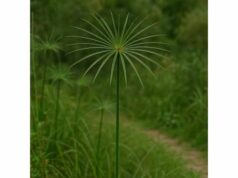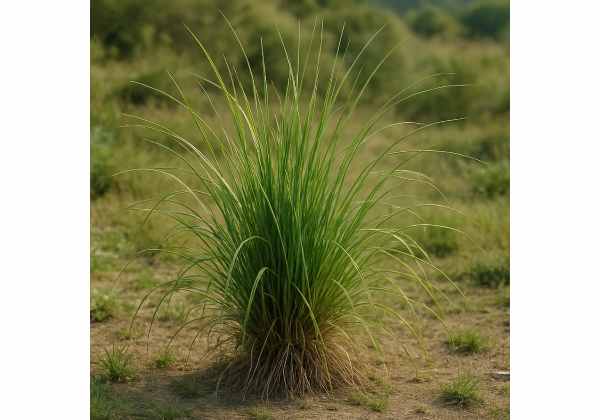
Ushir, the traditional Ayurvedic name for vetiver, refers to the fragrant roots of Vetiveria zizanioides, now more commonly classified as Chrysopogon zizanioides. It is a deeply rooted aromatic grass valued not only for its earthy scent, but also for its long medicinal history in cooling preparations, calming rituals, skin applications, and traditional remedies for heat, irritation, and digestive discomfort. In many parts of South Asia, ushir has been used in infused water, herbal baths, topical oils, and summer formulations designed to feel soothing and restorative.
What makes ushir especially interesting is that its reputation rests on two different foundations. One is traditional medicine, where it is often described as cooling, fragrant, and steadying. The other is modern phytochemical research, which points to a complex essential oil rich in sesquiterpenes such as khusimol and vetivones, along with antioxidant, anti-inflammatory, and antimicrobial activity in preclinical studies. Still, the evidence is stronger for aromatic and experimental uses than for proven human treatment outcomes. That makes ushir best understood as a traditional medicinal root with promising modern support and real limits.
Core Points
- Ushir is most credible as an aromatic root for topical comfort, inflammatory balance, and traditional cooling use.
- Vetiver root oil contains sesquiterpenes such as khusimol and vetivones that help explain its scent and bioactivity.
- A cautious traditional range for dried root infusion is about 1 to 3 g per cup.
- Essential oil is usually safer by inhalation or diluted topical use than by oral use.
- Avoid medicinal-strength ushir during pregnancy and use extra caution if you have fragrance sensitivity or chronic skin disease.
Table of Contents
- What is ushir and how has it been used
- Key ingredients and medicinal properties of ushir
- Health benefits and what the evidence actually supports
- Ushir in aromatic, topical, and seasonal use
- Dosage, preparation, and how to use it carefully
- Safety, side effects, and who should avoid ushir
What is ushir and how has it been used
Ushir is the medicinal root of vetiver, a tall perennial grass native to India and now cultivated widely across Asia, Africa, and other tropical regions. Unlike many grasses prized for leaves or seeds, vetiver is valued mainly for its dense, fragrant roots. Those roots carry a smoky, earthy, slightly sweet aroma that has made the plant important in perfumery, cooling mats, scented water, and herbal medicine alike.
In Ayurveda, ushir is traditionally described as cooling, aromatic, and soothing. Those traditional terms do not mean it literally lowers body temperature like a drug. Rather, they describe a sensory and physiologic profile associated with relief from heat, thirst, irritation, restlessness, and inflamed or overheated states. That is why ushir has historically appeared in summer drinks, infused water, body washes, fragrant fans, and formulations for burning sensations, excessive sweating, skin irritation, and urinary discomfort.
Traditional use is wide, but not random. Ushir tends to show up in four recurring roles:
- As a fragrant cooling root in hot weather
- As a soothing ingredient for skin comfort and body odor care
- As a mild digestive and thirst-support herb
- As an aromatic root used for calm, refreshment, and environmental comfort
The plant’s roots are the main medicinal part, though modern literature often discusses the distilled essential oil. That matters because the whole root and the essential oil are not interchangeable. Root infusions and infused water are relatively gentle. The essential oil is far more concentrated, more aromatic, and more likely to be used in perfumes, diffusion, massage blends, and topical products.
One reason ushir remains relevant is that it bridges household use and formal herbal use unusually well. It can be prepared as a low-strength aromatic infusion, woven into mats or screens that scent a room, added to baths, or distilled into an oil with a very different strength and purpose. In that sense, it is both a medicinal root and a sensory plant.
Its traditional “cooling” identity also makes it easy to misunderstand. Some people hear that term and assume ushir is a treatment for fever or heat illness. That is too literal. The better reading is that it has long been used where heat, thirst, irritability, and surface discomfort overlap. Readers who know other herbs used for this sensory role may notice a faint parallel with peppermint’s cooling and digestive pattern, although ushir is more earthy, more root-centered, and more aromatic than mint.
The most useful modern view is simple: ushir is a traditional aromatic root with broad cultural use, but its stronger medical claims still rest more on tradition and preclinical work than on human clinical trials.
Key ingredients and medicinal properties of ushir
Ushir’s medicinal character comes mostly from its root chemistry, especially its essential oil. Vetiver root oil is chemically complex and can contain well over a hundred constituents, most of them sesquiterpenes and related oxygenated compounds. This complexity helps explain why the aroma is so deep and why the plant is studied for several different biological effects at once.
The constituents most often discussed include:
- Khusimol
- Alpha-vetivone
- Beta-vetivone
- Vetiverol
- Epiglobulol
- Spathulenol
- Khusinol
- Khusimone
- Beta-vatirenene
- Alpha-gurjunene
- Delta-cadinene
These compounds are not just perfume markers. They are part of the reason vetiver can show antioxidant, anti-inflammatory, antimicrobial, and skin-related activity in laboratory studies. Khusimol and the vetivones are especially important because they contribute strongly to both the oil’s identity and its pharmacologic interest.
Another important point is that composition varies. Vetiver oil can differ by origin, extraction method, storage, and even the age of the oil. Some samples are richer in khusimol, while others emphasize different sesquiterpenes. This matters because two products both labeled “vetiver essential oil” may not behave quite the same in aroma, topical feel, or experimental activity.
From a practical herbal perspective, ushir’s medicinal properties can be grouped into a few major categories.
Aromatic and grounding
The scent is heavy, earthy, and stabilizing. This is why ushir is used in incense, aromatic oils, and spaces intended to feel calmer or more anchored.
Cooling and soothing
Traditional systems describe the root as calming for heat, thirst, burning sensations, and skin discomfort. This is partly sensory and partly traditional physiology.
Anti-inflammatory potential
Several reviews and experimental studies describe anti-inflammatory activity in root extracts and essential oil. The evidence is preclinical, but it is one of the plant’s more convincing research themes.
Antioxidant activity
Vetiver root oil and extracts have demonstrated free-radical scavenging and antioxidant activity in laboratory work. That does not make the root a cure-all, but it supports its role as a protective aromatic herb.
Antimicrobial and preservative interest
Vetiver oil has shown antimicrobial effects in vitro, though potency varies and it should not be treated as a substitute for antibiotics.
Topical and cosmetic value
Research and cosmetic literature suggest roles in skin comfort, surface protection, aroma, and formulation, especially when the oil is properly diluted.
A useful way to think about ushir is that it combines traditional cooling-root medicine with modern aromatic phytochemistry. It is not a single-compound herb with a sharply defined drug-like action. It is a chemically rich root whose benefits likely arise from overlapping compounds and sensory effects.
That is also why comparison with a more familiar anti-inflammatory botanical such as ginger’s well-studied active compounds can be helpful. Ginger is more clearly supported in humans. Ushir is more aromatic, more topical, and more tradition-led in its evidence profile.
Health benefits and what the evidence actually supports
Ushir is often praised for a long list of benefits, but the strongest approach is to separate traditional value, preclinical promise, and human proof. Vetiver has meaningful traditional uses and several encouraging experimental findings, yet human clinical evidence remains limited. That means the herb deserves interest, but not exaggeration.
The most supportable benefits are these.
1. Anti-inflammatory support
This is one of the better-established research directions. Experimental studies and reviews suggest that vetiver extracts and essential oil may help modulate inflammatory pathways and reduce inflammatory responses. That helps explain why the herb has been used in aches, irritated skin states, heat-related discomfort, and general inflammatory complaints. Still, this is not the same as having strong clinical evidence for arthritis, chronic pain, or inflammatory disease treatment.
2. Antioxidant activity
Root oil and root extracts have shown antioxidant activity in several laboratory models. In practical terms, that suggests a protective phytochemical profile rather than a dramatic symptom-relief effect. It supports the plant’s traditional status as a restorative aromatic root, especially in formulations aimed at comfort and tissue resilience.
3. Skin and surface comfort
This is one of ushir’s most practical modern uses. Vetiver appears in topical preparations for skin freshness, cooling feel, fragrance, and surface comfort. Some research points to antioxidant and antimicrobial contributions, while cosmetic literature suggests a role in supporting the skin barrier and maintaining a more comfortable surface environment. That said, the strongest evidence here is still cosmetic and preclinical rather than therapeutic dermatology.
4. Mild digestive and seasonal comfort use
Traditional vetiver root infusions and aromatic waters have been used for thirst, heaviness, heat, and mild digestive discomfort. This is plausible given the herb’s fragrance, traditional stomachic reputation, and use in warm climates. The evidence is mostly historical, but it remains a reasonable low-strength use.
5. Insect-repellent and environmental use
Vetiver oil has demonstrated repellent effects against mosquitoes and other pests in experimental research. That is not a classic “health benefit” in the internal medicinal sense, but it is practically relevant, especially for topical or environmental use.
Where people often go too far is in the area of calm and sleep. Vetiver is widely marketed as grounding, relaxing, and sleep-friendly. Those claims sound plausible, but the evidence is mixed. One animal EEG study actually suggested a more refreshing or alerting effect rather than a sedative one. That does not mean the scent cannot feel calming to some people. It means the herb should not be presented as a proven sleep aid on the level of better-studied aromatic herbs such as lavender’s anxiety and sleep profile.
So, what does the evidence really support? Ushir appears most credible as a traditional aromatic root for inflammation-related support, topical comfort, antioxidant activity, and seasonal cooling-style use. It is much less credible when described as a proven remedy for insomnia, infection, or chronic systemic disease.
That distinction protects both the herb and the reader. Ushir is interesting because it is genuinely useful in modest, practical ways. It becomes misleading only when marketed as something more definitive than the evidence allows.
Ushir in aromatic, topical, and seasonal use
Ushir is one of those herbs whose real-world value depends as much on how it is used as on what it contains. Unlike many capsule-first supplements, vetiver often works best in forms that preserve its sensory character: aromatic water, bath use, topical dilution, room fragrance, and gentle root infusion.
Aromatic use
This is probably the most familiar modern route. Vetiver essential oil is diffused for a grounded, earthy atmosphere or added in very small amounts to personal aromatic blends. People often use it in the evening, during meditation, or in hot weather when lighter citrus oils feel too sharp or fleeting. Vetiver’s strength is not sweetness or brightness. It is depth, steadiness, and persistence.
Seasonal infused water and root steeping
Traditional households sometimes soak clean roots in water to create lightly scented drinking water or wash water. The goal is usually refreshment rather than intense medicinal effect. This kind of preparation suits ushir’s traditional “cooling” identity because it is gentle, hydrating, and aromatic without being concentrated.
Baths and body care
The root and its oil are both used in bathing traditions. A mild root infusion added to bath water can feel cleaner, fresher, and more grounded than a perfume-heavy product. Essential oil, when diluted correctly, can also be used in bath blends, though direct addition to water without dispersing it first is not ideal.
Topical use
Diluted vetiver essential oil appears in massage oils, skin-care products, body oils, and after-sun or post-heat blends. Its appeal comes from a mix of scent, traditional cooling reputation, and experimental antimicrobial and anti-inflammatory interest. Still, it should be treated as an adjunctive topical aromatic rather than a standalone skin treatment.
Environmental and fabric use
Vetiver’s roots have long been used to scent spaces, wardrobes, and woven items. That may sound like pure tradition, but it also connects to practical benefits: a fresher environment, less stale odor, and some pest-repelling potential.
When low-strength forms make more sense than concentrated oil
This is an important practical point. Many people are attracted to vetiver because the root feels old, natural, and safe. Then they skip directly to the essential oil, which is the most concentrated form. Often, that is unnecessary. If your goal is seasonal refreshment, a gentle infusion or aromatic household use may fit better than a potent oil.
This difference mirrors the gap between soothing fresh botanicals and stronger topical or aromatic extracts. For surface comfort, some readers also compare gentle botanicals such as aloe vera’s skin-soothing uses, though ushir is more aromatic and far less moistening on its own.
The core lesson is simple: ushir is not only an herb to swallow. It is a plant that often makes the most sense in aromatic, topical, and environmental roles, where its scent and traditional cooling identity can be appreciated without forcing it into an overly medicinal mold.
Dosage, preparation, and how to use it carefully
Ushir does not have a well-established, evidence-based human dosage in the way a standardized supplement does. That is the single most important dosing fact. Much of its practical use depends on tradition, product strength, and form rather than controlled clinical dosing studies.
Because of that, a form-first approach works best.
For dried root infusion
A cautious traditional range is about 1 to 3 g of dried root per cup of water. This can be steeped hot or infused more gently, depending on the material. The result should be lightly aromatic, not harsh or intensely bitter. One to two cups daily is a reasonable short-term starting pattern for adults who are using it as a seasonal or digestive-support herb.
For infused water
If using clean whole roots to scent water, the preparation is usually mild and food-like rather than medicinally concentrated. In this case, the goal is aroma and refreshment more than therapeutic dosing.
For essential oil diffusion
Start with 1 to 3 drops in a diffuser for 15 to 30 minutes. Vetiver is heavy and persistent. Large amounts can feel overwhelming, especially in small rooms.
For topical use
A practical dilution is 0.5% to 2% in a carrier oil or finished topical product. Lower strengths make more sense for facial or frequent use, while slightly higher strengths may suit limited body application if the skin tolerates it.
For baths
Do not add essential oil directly to bathwater in undiluted form. Blend it first into a suitable carrier or dispersing base.
A few rules matter more than the exact numbers.
- Choose one form that matches your goal.
Root infusion suits gentle internal or seasonal use. Essential oil suits aromatic or diluted topical use. - Start lower than you think you need.
Vetiver’s aroma is strong, and concentrated products can easily be overused. - Avoid swallowing the essential oil unless specifically guided by a qualified clinician.
Oral essential oil use is not the same as root infusion. - Reassess after a short trial.
A 1 to 2 week trial is more sensible than indefinite use. - Store the oil well.
Vetiver oil is sensitive to heat, humidity, oxidation, and light. Poor storage can change scent quality and may increase irritation risk.
This is one herb where “more” is rarely “better.” A low-strength root preparation often fits traditional use more honestly than a high-dose modern extract. The same is true in aromatic use: a small amount often gives a fuller and more pleasant result than an aggressive dose.
For most people, ushir works best as a gentle aromatic root with practical, low-dose uses rather than as a heavily dosed internal remedy.
Safety, side effects, and who should avoid ushir
Ushir is generally regarded as a low-risk traditional herb when used in modest, appropriate forms, especially as root infusion or diluted aromatic support. Even so, safety depends heavily on the form. A mild root water and a concentrated essential oil are not the same thing.
Likely lower-risk forms
- Mild root infusion
- Lightly scented infused water
- Properly diluted topical products
- Short diffusion sessions in a ventilated room
Forms that deserve more caution
- Undiluted essential oil on skin
- Oral use of the essential oil
- Heavy continuous diffusion in enclosed spaces
- Layering vetiver with many other fragranced or sensitizing products
The most common side effects are likely to be mild:
- Headache or scent fatigue from overexposure
- Skin irritation or redness if applied too strong
- Nausea or aversion from an overly intense aroma
- Dryness or sensitivity in people with reactive skin
There are also a few broader safety themes.
Fragrance sensitivity
Vetiver oil is often well tolerated, but any essential oil can irritate sensitive skin or airways. People with eczema, fragrance allergy, or very reactive skin should patch test first.
Pregnancy and breastfeeding
There is not enough solid human safety evidence to recommend medicinal-strength use freely in pregnancy or breastfeeding. Traditional literature includes reproductive and uterine associations for some aromatic roots, so a cautious approach is best. Food-like or incidental aromatic exposure is one thing; deliberate medicinal use is another.
Children
Low-level environmental fragrance may be acceptable, but strong essential-oil use around children should be conservative and well diluted.
Asthma and scent-triggered symptoms
Even non-irritating scents can trigger symptoms in some people. Diffusion should be brief, optional, and never forced in shared spaces.
Medication interactions
There are no strong, well-defined clinical interaction profiles for ushir, which is both reassuring and a reminder of limited evidence. The safest interpretation is not “no interactions exist,” but “medicinal use has not been studied enough to be casual.”
Storage safety
Oxidized essential oil is more likely to irritate. Keep it tightly closed, away from heat and light, and discard old oil that smells unusually sharp or off.
The bottom line on safety is balanced. Ushir is not among the most alarming herbs, but it is also not so gentle that every form can be used casually. Root-level preparations are usually the safest place to start. Essential oil requires dilution, restraint, and realistic expectations.
If you are pregnant, breastfeeding, managing severe skin disease, or using the herb for anything beyond mild aromatic or seasonal support, it is wise to check with a qualified healthcare professional first.
References
- Pharmacological and Therapeutic Potential of Chrysopogon zizanioides (Vetiver): A Comprehensive Review of Its Medicinal Applications and Future Prospects 2025 (Review)
- Vetiver, Vetiveria zizanioides (L.) Nash: Biotechnology, Biorefineries, and the Production of Volatile Phytochemicals 2025 (Review)
- In vivo and insilico toxicity studies of hydroalcoholic extract of Vetiveria zizanioides roots 2025 (Safety Study)
- Chrysopogon zizanioides-a review on its pharmacognosy, chemical composition and pharmacological activities 2021 (Review)
- Chemical Composition, Antioxidant, and Antimicrobial Activities of Vetiveria zizanioides (L.) Nash Essential Oil Extracted by Carbon Dioxide Expanded Ethanol 2019 (Experimental Study)
Disclaimer
This article is for educational purposes only and does not provide medical advice, diagnosis, or treatment. Ushir is a traditional medicinal root with promising laboratory and historical evidence, but human clinical research remains limited. Its aromatic, topical, and traditional uses should not replace evaluation or treatment for persistent skin disease, infection, urinary symptoms, sleep problems, or other medical concerns. Essential oil use requires special care, especially during pregnancy, breastfeeding, childhood, and in people with fragrance sensitivity or chronic health conditions.
If you found this article helpful, please share it on Facebook, X, or your preferred platform so others can find accurate, balanced herbal information.