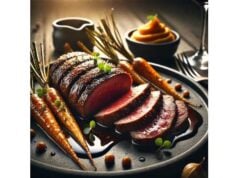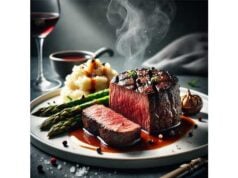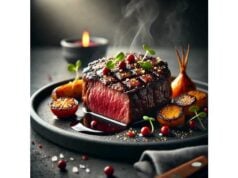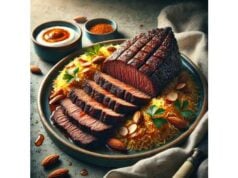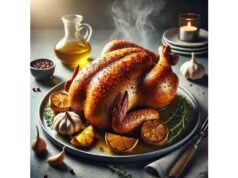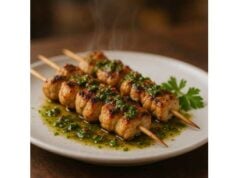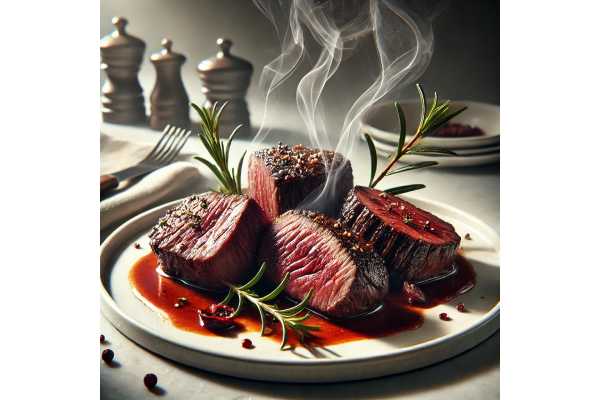
Lean, flavorful, and surprisingly versatile, water buffalo has nourished families from South Asia to the Mediterranean for centuries. Today it appears on modern menus as tender steaks, rich braises, and prized dairy—think mozzarella di bufala—while staying true to its reputation as a protein-dense, lower-fat red meat. Compared with conventional beef, buffalo meat (from the domestic water buffalo, Bubalus bubalis) typically contains less total fat and saturated fat yet delivers comparable amounts of high-quality protein and key micronutrients like iron, zinc, and vitamin B12. It also offers naturally occurring bioactives such as carnosine and anserine that contribute to meat’s savory taste and antioxidant capacity. In the kitchen, buffalo behaves much like lean beef: it browns beautifully, benefits from gentle heat to preserve juiciness, and pairs well with fresh herbs, garlic, and warm spices. If you are curious about nutrition, health effects, safe handling, or how to choose, store, and cook water buffalo for best results, this guide brings together practical, evidence-based details in one place.
Fast Facts
- Lean water buffalo provides ~22 g complete protein and modest fat per 100 g, supporting muscle maintenance with fewer calories.
- Rich in iron, zinc, selenium, and vitamin B12 per 100 g, important for oxygen transport, immunity, and nerve health.
- Safety: cook steaks/roasts to 63 °C (145 °F, 3-minute rest) and ground buffalo to 71 °C (160 °F); avoid unpasteurized buffalo dairy in pregnancy.
- Typical serving: 100–120 g cooked (1–2 palm-size portions) up to 1–2 times weekly as part of a varied diet.
- Limit or avoid if you have alpha-gal syndrome (red-meat allergy) or if a clinician has advised restricting red meat or saturated fat.
Table of Contents
- Water Buffalo as Food: Detailed Overview
- Water Buffalo Nutrition Profile (per 100 g)
- Evidence-Based Health Benefits of Water Buffalo
- Risks, Allergies and Interactions with Water Buffalo
- Selecting Quality, Sustainability and Storage
- Cooking, Preparation and Nutrient Retention
- Portions, Comparisons and FAQs
Water Buffalo as Food: Detailed Overview
What it is. “Water buffalo” in food contexts refers to meat and milk from the domestic water buffalo (Bubalus bubalis), a species distinct from American bison and African buffalo. Two main types exist: river buffalo (common in India, Pakistan, Italy) and swamp buffalo (common across Southeast Asia). Both supply meat; river buffalo also dominate dairy production used for ghee, yogurt, and specialty cheeses like mozzarella di bufala.
Flavor and texture. Buffalo meat is best described as clean, mildly sweet, and beef-like, with a finer grain. Because it is naturally leaner than conventional beef, the flavor reads as “brighter” with less tallowy richness. When properly handled—kept cold, cooked to medium-rare to medium, and rested—it stays tender and juicy. Cuts parallel familiar beef primals: striploin, ribeye, tenderloin, round/knuckle, chuck, brisket, and shank. Ground buffalo performs well in burgers, meatballs, and kebabs.
How it compares nutritionally. Per 100 g, lean water buffalo typically delivers around 22 g complete protein, ~2 g total fat, and fewer calories than most beef with similar cooking methods. Micronutrient standouts include iron (supporting oxygen transport), zinc (immune function and wound healing), selenium (antioxidant enzymes), phosphorus (energy and bone health), and vitamin B12 (nerve and blood health). Unlike poultry, buffalo is red meat and contains heme iron and myoglobin, explaining its deeper color and higher iron density.
Sourcing and labeling. In many markets, buffalo may be labeled “carabeef,” “bufala,” or simply “buffalo.” Verify that you’re buying water buffalo rather than American bison if you have a specific recipe or nutrition target; both are lean, but fat and flavor differ by species and cut. For dairy, authentic mozzarella di bufala carries protected designation (e.g., DOP) in Italy; outside of Europe, buffalo mozzarella may be made from buffalo milk alone or blended with cow’s milk.
Culinary uses worldwide.
- South Asia: slow-cooked curries, keema, kebabs, and stews where spices and low, moist heat keep lean meat succulent.
- Southeast Asia: satay, rendang-style braises, and noodle soups using shank or brisket.
- Mediterranean: simple grills and pan-sears of steaks, plus ragù and meatballs; buffalo dairy in caprese salads and pizza.
- Modern healthy cooking: fast sears of steaks, pressure-cooker shreds from shoulder, and high-protein meals with roasted vegetables and grains.
Who it suits. People seeking a nutrient-dense red meat with lower fat; strength athletes who want complete protein; cooks who enjoy beef but prefer a lighter profile; and anyone exploring global flavors.
Water Buffalo Nutrition Profile (per 100 g)
The values below reflect lean water buffalo meat, raw (typical composition; actual numbers vary with cut, age, and feed). %DV uses current U.S. Daily Values for adults.
Macros and Electrolytes (per 100 g)
| Nutrient | Amount | %DV |
|---|---|---|
| Energy | 110 kcal | — |
| Protein | 22.0 g | 44% |
| Total Fat | 2.0 g | 3% |
| Saturated Fat | 0.8 g | 4% |
| Carbohydrates | 0.0 g | 0% |
| Fiber | 0.0 g | 0% |
| Cholesterol | 55 mg | 18% |
| Sodium | 55 mg | 2% |
| Potassium | 340 mg | 7% |
Fats and Fatty Acids
| Fatty Acid | Amount | Notes |
|---|---|---|
| Monounsaturated Fat (MUFA) | 0.6 g | Predominantly oleic acid |
| Polyunsaturated Fat (PUFA) | 0.4 g | Includes omega-6 and omega-3 |
| Omega-3 (n-3) | 0.08 g | Trace ALA; long-chain n-3 minimal unless grass-fed |
| Omega-6 (n-6) | 0.30 g | Linoleic acid predominates |
| Trans Fat | 0 g | Naturally very low in lean cuts |
Vitamins
| Vitamin | Amount | %DV |
|---|---|---|
| Thiamin (B1) | 0.08 mg | 7% |
| Riboflavin (B2) | 0.20 mg | 15% |
| Niacin (B3) | 5.5 mg | 34% |
| Vitamin B6 | 0.40 mg | 24% |
| Vitamin B12 | 1.5 µg | 63% |
Minerals
| Mineral | Amount | %DV |
|---|---|---|
| Iron | 2.8 mg | 16% |
| Zinc | 4.0 mg | 36% |
| Selenium | 22 µg | 40% |
| Phosphorus | 190 mg | 15% |
| Copper | 0.06 mg | 7% |
Protein Quality and Bioactives (qualitative)
Water buffalo provides complete, highly digestible protein with all essential amino acids. Like other red meats, it contains carnosine and anserine, histidine-containing dipeptides that buffer acidity in muscle and contribute to antioxidant defenses and savory flavor.
Notes: Values are representative and may shift with feeding system (pasture vs. concentrate), leanness, and cooking method. Buffalo meat is unfortified; numbers represent intrinsic nutrients.
What about buffalo dairy? Buffalo milk and cheeses are naturally higher in fat and total solids than typical cow’s milk products; they can be energy-dense and calcium-rich. If comparing dairy, check each product’s label—buffalo mozzarella made with full-fat milk can be significantly higher in calories, fat, and sodium than cow’s milk mozzarella made with part-skim.
Evidence-Based Health Benefits of Water Buffalo
1) High-quality protein for strength and satiety.
With ~22 g protein per 100 g, buffalo supports muscle repair, enzyme and hormone production, and fullness between meals. Because protein is the most satiating macronutrient, swapping fattier red meats for lean buffalo can help meet protein goals while moderating calories—useful for body recomposition and weight maintenance.
2) Iron, zinc, selenium and B-vitamin support.
Heme iron in buffalo is efficiently absorbed and helps prevent fatigue related to low iron intake. Zinc supports immune function, wound healing, and taste perception; selenium participates in antioxidant enzymes (glutathione peroxidases). Vitamins B6, B12, riboflavin, and niacin act as cofactors in energy metabolism and nervous system function. Together, this profile suits active people, those with higher iron needs (e.g., some premenopausal adults), and anyone looking to diversify nutrient-dense protein options.
3) Lower total fat than many beef cuts, with similar culinary use.
Compared with common beef equivalents, lean buffalo often contains less total and saturated fat per serving while cooking and tasting like lean beef. This makes it a practical swap for people minding saturated fat intake without giving up the experience of red meat.
4) Bioactives that contribute to performance and antioxidant defenses.
Carnosine and anserine—naturally occurring in red meats—help buffer acid in muscle and may reduce oxidative stress during high-intensity activity. While these compounds are not unique to buffalo, choosing lean buffalo is a way to obtain them with fewer calories and less saturated fat than many marbled beef cuts.
5) Versatility across dietary patterns.
Buffalo fits into Mediterranean-style eating (paired with olive oil, legumes, and vegetables), lower-carbohydrate plans (lean steaks, roasts, ground), and higher-protein performance diets. For culturally diverse kitchens, buffalo adapts well to curries, braises, grilled skewers, and quick sears.
Practical example: a nutrient-dense swap.
Replace a 150 g serving of 80/20 beef mince with 150 g lean ground buffalo in chili. You’ll retain savory depth while typically reducing total fat and calories and maintaining comparable protein and iron. Add beans and peppers to boost fiber, potassium, and vitamin C for a more complete meal.
What benefits it does not guarantee.
Lean buffalo is not a cure for anemia, dyslipidemia, or any disease; outcomes depend on overall diet, portion sizes, and individual health status. If you need lower saturated fat, choose very lean cuts (round, sirloin, tenderloin), trim visible fat, and favor moist-heat methods or brief sears over prolonged high-heat cooking.
Risks, Allergies and Interactions with Water Buffalo
Foodborne illness risks and cooking temperatures.
Treat buffalo like other red meats: keep cold, avoid cross-contamination, and cook to safe internal temperatures measured at the center with a thermometer. For steaks, roasts, and chops, 63 °C (145 °F) with a 3-minute rest balances safety and juiciness. For ground buffalo, cook to 71 °C (160 °F). Leftovers should reach 74 °C (165 °F) when reheated. These temperatures minimize pathogens while preserving texture.
Allergies and sensitivities.
- Alpha-gal syndrome (AGS): A tick-associated allergy can cause delayed (2–6 hour) reactions after eating mammalian meats and dairy. If you have AGS—or any suspected red-meat allergy—avoid buffalo meat and, if advised, buffalo dairy and gelatin-containing products. Seek guidance from an allergist for testing and individualized avoidance lists.
- Milk allergy or lactose intolerance: These relate to buffalo dairy, not meat. People with cow’s milk allergy may also react to buffalo milk due to similar proteins; intolerance to lactose varies by product (aged cheeses have less lactose than fresh).
- Histamine sensitivity: Some aged buffalo products (e.g., aged cheeses) may contain biogenic amines that can trigger symptoms in sensitive individuals.
Pregnancy and immunocompromised states.
Avoid unpasteurized buffalo milk and soft cheeses made from raw milk because of the risk of Listeria monocytogenes. Choose pasteurized products and reheat deli meats and leftovers thoroughly. When cooking meat, follow the safe temperatures noted above.
Medication and nutrient interactions.
- Iron intake: Those with iron overload disorders (e.g., hemochromatosis) should moderate heme-iron sources, including buffalo, per clinician advice.
- Purines and uric acid: As a red meat, buffalo contains purines; people with gout may need individualized limits.
- Sodium considerations: Plain raw buffalo is naturally low in sodium; processed or cured buffalo products can be high—check labels if you are limiting sodium.
Contaminants and residues.
Like other meats, buffalo products are subject to veterinary and food safety oversight for residues and contaminants. Buy from reputable sources that follow good agricultural and processing practices. Trim surface fat if you are concerned about fat-soluble residues, and use wet-cooking or discard dripping fat to reduce potential exposure.
Bottom line: Handle buffalo with the same diligence you use for beef or lamb—clean, separate, cook, and chill—and consult your healthcare professional if you have allergies, pregnancy-related considerations, or diet-managed conditions.
Selecting Quality, Sustainability and Storage
How to choose quality buffalo meat.
- Color and moisture: Look for a deep, even red without dark brown spots. Surfaces should be moist, not wet or sticky.
- Fat and marbling: Expect minimal marbling; lean buffalo relies on cut selection and cooking method, not intramuscular fat, for tenderness.
- Packaging: Vacuum-sealed cuts keep color stable (purplish red) and extend shelf life; avoid puffed packages or excessive purge.
- Labels to note: Species (water buffalo), cut, grind ratio for minced meat (aim for 90–95% lean for everyday cooking), country of origin, and “never frozen” vs. frozen.
Sustainability snapshot.
Water buffalo are widely raised by smallholders in mixed crop-livestock systems, particularly in Asia, converting crop residues and coarse forages into nutrient-dense foods. In some regions, buffalo can graze wet or marginal lands that are less suitable for cattle, contributing milk and meat while supporting rural livelihoods. As with all ruminants, environmental impacts depend on feed, manure management, and land context. Choosing producers who practice responsible grazing, efficient water use, and good animal health improves sustainability outcomes.
Buffalo dairy: what to look for.
For cheeses, check for pasteurized milk (especially in pregnancy) and note fat levels: buffalo mozzarella made from full-fat milk is rich and creamy; “light” versions exist but may change texture. Yogurts and kefirs made from buffalo milk are tangy and thick due to higher milk solids.
Storage and shelf life.
- Fresh steaks/roasts: Refrigerate at ≤4 °C; use within 3–5 days.
- Ground buffalo: Use within 1–2 days.
- Freezing: Wrap tightly (double-wrap or vacuum-seal). Freeze up to 9–12 months for whole cuts and 3–4 months for ground. Thaw in the refrigerator, never at room temperature.
- Cooked leftovers: Chill within 2 hours; use within 3–4 days, reheating to 74 °C (165 °F).
- Cheeses and yogurt: Follow label dates; keep sealed to minimize moisture loss and odor absorption. Discard if mold appears on fresh cheeses or if off-odors develop.
Ethical and quality cues.
Look for transparent supply chains, animal-welfare certifications where available, and producers who share details on feed and veterinary care. For artisanal buffalo dairy, favor makers who document pasteurization, starter cultures, and hygienic production.
Cooking, Preparation and Nutrient Retention
Core principle: Buffalo is lean. Avoid overcooking and use techniques that add or retain moisture.
Quick-cook methods (tender cuts: strip, tenderloin, sirloin):
- Pat dry, season simply (salt 1–2% by weight; pepper, garlic).
- High-heat sear in a lightly oiled pan or on a grill: 1–3 minutes per side for steaks 2–3 cm thick.
- Finish to 63 °C (145 °F) and rest 3–5 minutes to allow juices to redistribute.
- Slice across the grain to maximize tenderness.
Moist-heat or slow methods (working cuts: chuck, round, shank, brisket):
- Braise or pressure-cook with aromatics (onion, garlic, tomatoes), umami boosters (mushroom, soy/tamari), and acids (wine, vinegar) that help solubilize collagen.
- Aim for fork-tender, then cool in cooking liquid to retain moisture before reheating.
Ground buffalo:
- Keep mixtures moist with grated onion, soaked breadcrumbs, or cooked grains.
- Burgers: Form gently; sear hard; cook to 71 °C (160 °F) to ensure safety. Avoid pressing patties on the grill (it squeezes out juices).
- Chili/ragù: Brown lightly, then simmer in sauce rather than “dry-frying,” which can toughen lean mince.
Maximizing nutrient retention:
- Gentle heat helps B-vitamins. Water-soluble vitamins (B6, B12, niacin, riboflavin) are sensitive to high heat and leaching. Prefer quick sears, roasting to doneness, or braising where the cooking liquid is consumed.
- Minimize charring. Very high, prolonged heat can form unwanted compounds; trim charred bits and cook just to safe temperatures.
- Use drippings wisely. If you’re moderating saturated fat, chill braising liquid and lift solidified fat before reheating; keep the savory gelatin-rich broth for flavor and micronutrients.
- Pairing for absorption. Serve with vitamin-C-rich vegetables (tomatoes, peppers, citrus dressings) to enhance non-heme iron absorption from side dishes and legumes in the meal.
Seasoning ideas (global inspo):
- Mediterranean: rosemary, thyme, lemon zest, olive oil; finish with parsley-garlic-lemon gremolata.
- South Asian: ginger-garlic paste, Kashmiri chili, turmeric, garam masala; finish with fresh cilantro.
- Southeast Asian: lemongrass, galangal, fish sauce (or soy), palm sugar; add lime and herbs after cooking.
- Latin: cumin, smoked paprika, oregano, chipotle; brighten with lime-chili salsa.
Buffalo dairy in cooking:
Buffalo mozzarella shines when gently warmed (pizza, baked pasta) or served fresh with tomatoes, basil, and good olive oil. Because it’s higher in moisture and fat than part-skim cow mozzarella, it melts into luscious pools—use moderate amounts to balance energy intake.
Portions, Comparisons and FAQs
Suggested portions and frequency.
A practical cooked serving is 100–120 g (about a palm-size steak or a heaping ½ cup of shredded meat). Many dietary patterns accommodate 1–2 servings weekly of lean red meat, balanced with fish, poultry, legumes, whole grains, vegetables, fruits, nuts, and olive oil. Individual needs vary—follow advice from your clinician or dietitian if you have specific health goals.
How does buffalo compare to beef, lamb, and venison?
- Beef: Buffalo is generally leaner at comparable doneness, with slightly less saturated fat and similar protein. Flavor is clean and mild rather than intensely beefy.
- Lamb: Typically fattier and more strongly flavored than buffalo; buffalo is a better choice when you want red meat with milder taste and lower fat.
- Venison: Wild deer meat is very lean and iron-rich; buffalo is similar in leanness but has a softer texture and more forgiving cooking window.
- Bison (American): Also lean and beef-like but a different species; check labels to avoid confusion. Cooking principles are similar—avoid overcooking.
Is buffalo “healthier” than beef?
“Healthier” depends on context. If you compare lean buffalo steak to a well-marbled beef steak, buffalo often wins on fat and calories. If you compare buffalo to extra-lean beef, differences narrow. Choose based on leanness, portion control, total dietary pattern, and preferences.
Can I eat buffalo if I’m watching cholesterol or saturated fat?
Yes—choose very lean cuts, trim visible fat, favor moist heat or quick sears, and keep portions modest. Balance your week with seafood, legumes, and plant-forward meals.
What about buffalo dairy?
Buffalo dairy is rich and energy-dense. Enjoy smaller portions, especially of fresh mozzarella and cream-based products. During pregnancy or immunosuppression, avoid unpasteurized buffalo dairy; choose pasteurized versions and store them cold.
Is buffalo meat halal or kosher?
Species suitability is not the issue; slaughter and processing must follow the respective religious requirements. Many producers offer halal-certified buffalo; kosher buffalo is less common and may require specialty suppliers.
Tips for first-timers.
Start with sirloin or strip steaks for quick sears, or chuck/shoulder for slow braises. Season simply. Use a thermometer. Rest the meat. Pair with a bright salad or vegetables to keep the plate balanced.
References
- Current Knowledge on River Buffalo Meat: A Critical Analysis 2021 (Systematic Review)
- Safe Minimum Internal Temperature Chart 2024 (Guideline)
- Daily Value on the Nutrition and Supplement Facts Labels 2024 (Guidance)
- People at Risk: Pregnant Women 2025 (Guidance)
- Buffaloes 2023 (FAO Overview)
Disclaimer
This article provides general nutrition, cooking, and food-safety information about water buffalo meat and dairy. It is not a substitute for personalized medical advice, diagnosis, or treatment. Always consult your healthcare professional or a registered dietitian for guidance tailored to your health status, allergies, pregnancy, or specific dietary needs. If you suspect a food allergy or intolerance, seek medical evaluation before reintroducing the food.
If you found this guide useful, please consider sharing it with friends or colleagues on Facebook, X (formerly Twitter), or your preferred platform. Your support helps us continue creating clear, evidence-based resources.