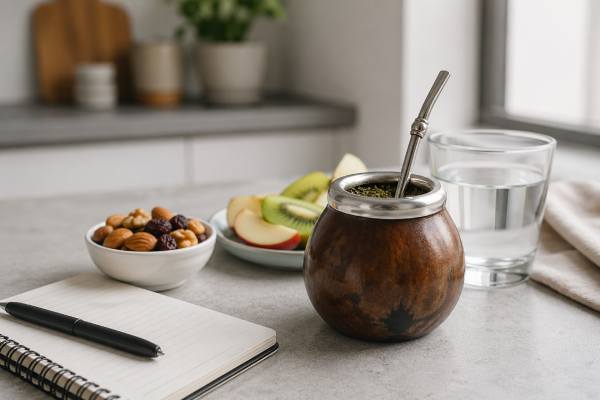
Yerba mate can support weight loss in a modest, indirect way, but it is not a proven fat-loss shortcut. The best human evidence suggests it may help some people feel a little less hungry, more alert, and more willing to stay active or stick to a calorie deficit. That can matter in real life. It is still very different from saying yerba mate reliably causes meaningful body-fat loss on its own.
Most of the appeal comes from its mix of caffeine and plant compounds, plus the way people actually use it: as a replacement for sugary drinks, a pre-workout boost, or a tool for getting through a low-energy afternoon without extra snacks. The biggest mistakes are expecting dramatic results, ignoring caffeine intake from other sources, or assuming “natural” means risk-free. The smart question is not whether yerba mate has any effect at all. It is whether its appetite, energy, and safety profile makes sense for your routine, tolerance, and goals.
Table of Contents
- What yerba mate is and why people use it
- Can yerba mate actually help with weight loss?
- How yerba mate may affect appetite and energy
- How to use yerba mate without overdoing it
- Safety, side effects, and drug interactions
- Who should limit it or avoid it
- Yerba mate vs coffee, energy drinks, and fat burners
- When yerba mate is worth trying and when it is not
What yerba mate is and why people use it
Yerba mate is a caffeinated drink made from the leaves and stems of Ilex paraguariensis, a plant traditionally consumed in parts of South America. It can be prepared hot in the classic loose-leaf style, served cold as tereré, sold in tea bags, bottled into ready-to-drink products, or concentrated into capsules and extracts.
People interested in weight loss usually turn to yerba mate for three reasons:
- it may reduce appetite or delay hunger in some situations
- it can increase alertness and perceived energy
- it is often marketed as a gentler “natural” alternative to stronger stimulant products
That marketing angle is part of the confusion. Yerba mate is not caffeine-free, not automatically mild, and not easy to compare across products. A traditional brewed gourd, a canned energy-style drink, and a capsule blend can feel completely different in the body. The caffeine content can vary widely depending on how much leaf is used, how long it steeps, whether you refill repeatedly, and whether the product includes added caffeine from other sources.
This variability matters because many people are not really asking whether yerba mate itself works. They are asking whether a caffeinated ritual that feels cleaner than coffee or less harsh than an energy drink can help them eat less or stay more active. Sometimes the answer is yes, but the effect may come more from replacing a high-calorie drink or boosting adherence than from any special fat-burning property.
Yerba mate also has a cultural and behavioral side that gets overlooked in supplement-style articles. Traditional mate drinking is often slow and social, while modern bottled products are faster and more functional. Those different use patterns can change the outcome. Slowly sipping a hot drink in the late morning may reduce mindless snacking. Chugging a sweetened canned mate at 4 p.m. may do the opposite if it disrupts sleep or adds calories.
That is why it helps to think of yerba mate in layers:
- as a plant beverage, similar in some ways to tea or coffee
- as a caffeine source, with the usual stimulant effects and risks
- as a possible weight-loss aid, but only in a limited, supportive role
The last layer is where expectations often go wrong. Yerba mate may contribute to a better setup for fat loss, but it does not replace a calorie deficit, protein intake, sleep, movement, or meal structure.
Can yerba mate actually help with weight loss?
Yes, but only modestly, and not in a way that justifies big promises.
That is the most accurate summary. Yerba mate has some human data suggesting possible benefits for body weight, food intake, satiety, or fat oxidation, but the evidence base is still limited. Studies tend to be small, short, product-specific, or designed around secondary outcomes rather than long-term real-world fat loss.
The strongest practical case for yerba mate is not “it melts fat.” The better case is that it may help some people:
- eat slightly less because hunger feels more manageable
- maintain energy during a calorie deficit
- improve exercise consistency
- replace higher-calorie beverages or snacks
Those are meaningful advantages, especially in a slow phase of dieting or maintenance. They are just not the same thing as a medication-level effect.
One older randomized clinical trial found that yerba mate was associated with improvements in body weight and body fat measures in adults with obesity. That finding is interesting and still relevant, but it does not settle the question because the broader literature remains too thin to treat yerba mate as a proven obesity therapy. More recent clinical work has suggested possible cardiometabolic and appetite-related benefits, but again, the data are not yet strong enough to say it should be used as a primary weight-loss intervention.
This is where articles often become misleading. They take several limited findings such as slightly better satiety, more fatty acid oxidation during exercise, and modest metabolic improvements, then turn them into sweeping claims about “natural thermogenesis.” In real life, the effect size is probably closer to helpful around the edges than dramatic at the center.
That makes yerba mate more useful in certain weight-loss situations than others. It may help when:
- low energy is making exercise harder to sustain
- hunger rises between meals and leads to snack creep
- you tend to use sugary coffee drinks or energy drinks
- you need a ritual beverage that supports consistency
It is much less likely to help when:
- calorie intake is still too high overall
- sleep is poor and caffeine is making it worse
- hunger is driven mainly by under-eating protein or fiber
- the real problem is weekends, alcohol, or untracked extras
That is why someone stalled in a deficit should usually check the bigger picture before blaming the absence of a supplement. A structured plateau checklist will usually move the needle more than adding a trendy drink.
So can yerba mate help with weight loss? Potentially, yes. Is it strong enough to rescue a weak plan? No. It is better seen as a mild support tool than a serious fat-loss treatment.
How yerba mate may affect appetite and energy
Yerba mate’s appeal mostly comes down to two short-term effects: you may feel less hungry, and you may feel more awake.
Those two changes can matter more than they seem. Weight loss often gets framed as a pure willpower problem, but many stalls are really an energy-management and appetite-management problem. A tool that reduces the urge to snack and makes movement easier can indirectly support fat loss even if it does not directly change body composition very much.
Appetite
Some human studies suggest yerba mate may reduce hunger ratings, desire to eat, or prospective food intake, at least in the short term. That does not mean it works for everyone or that it will noticeably shrink calorie intake at dinner. But some people do report that drinking mate before a work block, before exercise, or between meals helps them ride out cravings without feeling flat.
This may happen through a combination of:
- caffeine’s stimulant effect
- the overall beverage volume
- slower sipping behavior
- possible effects on satiety hormones or gastric emptying
- the replacement of more calorie-dense drinks or snacks
The “replacement” effect is worth more attention than it gets. If yerba mate takes the place of a sugary latte, an afternoon pastry, or an energy drink with calories, the benefit may have less to do with special bioactive compounds and more to do with removing extra energy from the day.
Energy and mental drive
Yerba mate can also increase alertness, focus, and willingness to move, especially in people who are tired, dieting, or training. Some studies have found increased fat oxidation during exercise and improvements in perceived focus or energy. That does not automatically mean better long-term fat loss, but it can help with adherence.
This is one reason yerba mate appeals to people who feel dragged down by a deficit. They may not need a major appetite suppressant. They may need enough lift to get through a workout, prepare dinner instead of ordering out, or avoid turning afternoon fatigue into snack hunting.
Still, there is a tradeoff. What feels like better energy at noon may become worse sleep at night if the timing is poor. That matters because poor sleep can easily cancel out the appetite and adherence benefits of caffeine by driving next-day hunger. In other words, yerba mate can help a weight-loss plan or quietly sabotage it depending on when and how you use it.
This is especially relevant if you already struggle with sleep-related hunger or use caffeine late enough to affect bedtime. A drink that helps you eat less at 3 p.m. but makes you ravenous the next day is not really helping.
The practical takeaway is that yerba mate’s appetite and energy effects are real enough to notice in some people, but subtle enough that timing, total caffeine load, and sleep quality determine whether they become useful or counterproductive.
How to use yerba mate without overdoing it
The best way to use yerba mate for weight loss is not as a “fat burner,” but as a controlled caffeine tool inside a plan that already makes sense.
That means focusing on four practical questions:
- How much caffeine am I getting?
- When am I drinking it?
- What is it replacing?
- How does it affect hunger, sleep, and cravings later?
A sensible approach usually looks like this:
- use it earlier in the day
- avoid stacking it with multiple other stimulant products
- choose unsweetened or lightly sweetened forms
- treat canned or bottled products with caution because some add sugar or extra caffeine
- pay attention to total daily intake from coffee, tea, pre-workouts, soda, and supplements
For many people, yerba mate works best in one of three slots:
- late morning, when energy drops but lunch is still a while away
- pre-workout, when the goal is more training consistency
- early afternoon, when you want a bridge without turning to snacks
It tends to work less well late in the day, especially for people already sensitive to caffeine. A good rule is that a tool for appetite control should not come at the expense of recovery and sleep. If you are already having trouble with caffeine timing, yerba mate should be treated with the same caution as coffee or pre-workout powders.
Practical ways to test it
- Start with one serving, not several.
- Avoid adding sugar, syrup, or high-calorie creamers.
- Use it consistently for a week or two before deciding whether it helps.
- Track what happens to:
- afternoon hunger
- evening snacking
- workout consistency
- sleep latency
- next-day appetite
This last point matters because many people misjudge caffeine tools. They notice the first effect and miss the rebound. Yerba mate may feel fantastic in the moment but still be a poor fit if it leaves you wired at night or more snack-prone the next evening.
What it should not be used for
Yerba mate is not a substitute for:
- a protein-poor diet
- poor hydration
- skipped meals that backfire later
- chronic sleep debt
- aggressive under-eating
If you are using it mainly to push through a plan that is already too restrictive, it may make the week feel easier and the rebound worse. That is one reason stimulant-style aids often pair badly with under-eating and rebound overeating.
The best result comes when yerba mate supports an already reasonable plan rather than trying to rescue an unsustainable one.
Safety, side effects, and drug interactions
Yerba mate is often described as natural, but the safety discussion is not optional. Most problems come from one of three issues:
- too much total caffeine
- poor timing
- using concentrated products or stimulant combinations without realizing it
Common side effects can include:
- jitteriness
- palpitations
- nervousness
- headache
- upset stomach
- insomnia
- anxiety
- faster heart rate
These are not unique to yerba mate. They are mostly caffeine-related. But that is exactly the point: the safety ceiling for yerba mate is not determined by plant branding. It is determined by dose, sensitivity, and what else you are consuming.
Adults often hear that caffeine up to about 400 mg per day is generally considered safe, but that is not a target and it is not a guarantee. Some people start feeling lousy far below that level, especially if they are small-bodied, anxious, poorly slept, or taking other stimulants. Single doses can also matter. A serving that feels fine after lunch may feel completely different on an empty stomach or when combined with a pre-workout.
Interactions also matter. Yerba mate can become more problematic when combined with:
- stimulant-heavy fat burners
- high-caffeine energy drinks
- pre-workouts
- certain ADHD medications
- some decongestants
- other ingredients promoted for thermogenesis
This is one reason “natural energy” labels can be misleading. A product can contain yerba mate, green tea extract, guarana, bitter orange, and added caffeine all at once. At that point, the question is no longer whether yerba mate is safe. The question is whether the full stack behaves like a stimulant blend. That is why many people are better off avoiding the entire fat burner supplement category rather than trying to guess which ingredient is doing what.
There are also two less obvious safety points worth knowing.
Very hot mate
The long-standing cancer concern around mate appears to be tied more to very hot beverage temperature than to yerba mate itself as a plant. That means regularly drinking it scalding hot is not the same risk discussion as drinking it warm or moderate in temperature.
Rare liver injury
Yerba mate appears generally well tolerated, but rare cases of liver injury have been reported. This is not common enough to scare most healthy users away, but it does matter if you develop jaundice, dark urine, unusual itching, or unexplained fatigue while using concentrated herbal products.
In practical terms, the biggest safety problems still come from caffeine overload, poor sleep, and stacking stimulants rather than from yerba mate alone.
Who should limit it or avoid it
Yerba mate is not a good fit for everyone. Some people are more likely to get the downside than the benefit.
Use extra caution or skip it if you:
- are very sensitive to caffeine
- have uncontrolled high blood pressure or frequent palpitations
- have panic disorder or anxiety that worsens with stimulants
- already struggle with insomnia
- are pregnant or trying to conceive and need to keep caffeine lower
- are combining multiple stimulant products
- have a history of problematic supplement reactions
- notice it triggers stomach irritation or reflux
Pregnancy deserves special mention. Yerba mate is not automatically forbidden in every form, but caffeine limits matter more during pregnancy than during routine dieting. For that reason, using it aggressively for appetite suppression during pregnancy is the wrong mindset. Anyone in that situation should default to pregnancy-safe guidance rather than general fat-loss advice.
People who mistake fatigue for hunger also need a reality check. Yerba mate can temporarily improve alertness, but it does not fix the reason you are exhausted. If the real issue is chronic poor sleep, long work hours, or under-fueling, then using caffeine to stay in a deficit can backfire. Hunger and cravings often return harder later.
It can also be a poor match for people who are already chronically stimulated. Someone drinking coffee in the morning, a pre-workout in the afternoon, and then adding yerba mate “for metabolism” is often not building a better plan. They are just making the plan noisier.
This is especially true if the person is also trying to manage stress eating. A little caffeine can improve focus, but too much can heighten tension, shakiness, and rebound cravings in people who already struggle with stress-related overeating.
Another group that should be careful is anyone using concentrated yerba mate extracts rather than the brewed beverage. Extracts can be harder to dose intuitively, easier to combine with other stimulants, and less forgiving if you are sensitive.
The bottom line is simple: yerba mate may be a reasonable beverage for many healthy adults, but “healthy adults” is not the same as “everyone trying to lose weight.”
Yerba mate vs coffee, energy drinks, and fat burners
Most people considering yerba mate are not deciding between yerba mate and nothing. They are deciding between yerba mate and another caffeine source.
| Option | Main appeal | Best use case | Main downside |
|---|---|---|---|
| Yerba mate | Steady-feeling energy, possible satiety support, tea-like ritual | People who want a caffeinated beverage that may help reduce snacking | Caffeine still adds up, and product strength varies |
| Coffee | Reliable caffeine, widely available, low calorie when plain | Simple morning alertness or pre-workout use | Can be harsher on the stomach or easier to over-sweeten |
| Energy drinks | Convenient, strong stimulation, often tasty | Fast alertness when convenience matters most | Often more processed, more expensive, and easier to overconsume |
| Fat burner blends | Marketed as stronger metabolism support | Usually unnecessary for most people | Higher risk of stimulant stacking, side effects, and overhype |
Compared with coffee, yerba mate is not automatically more effective for weight loss. The difference is often more about user experience than biology. Some people find mate smoother or more satisfying to sip slowly. Others do better with plain coffee because it is simpler to measure and easier to keep unsweetened.
Compared with energy drinks, yerba mate often wins on simplicity, but that depends on the product. Some canned mate drinks behave a lot like energy drinks once you look at caffeine and sugar content. Labels matter.
Compared with so-called fat burners, yerba mate is usually the more rational choice. Many fat-burner products are just complicated stimulant stacks with fancier branding. They tend to promise more than the evidence supports and raise the risk of anxiety, sleep disruption, and blood pressure issues.
There is also a behavioral point here. Yerba mate can fit well into a more stable routine because it feels like a beverage. Fat burners often fit into a “I need something stronger because progress is slow” mindset, which is usually the wrong response to a plateau.
If your main goal is simply to manage caffeine better while dieting, a broader look at caffeine doses and safety for weight loss may be more useful than focusing only on which drink source sounds healthiest.
When yerba mate is worth trying and when it is not
Yerba mate is worth trying when you want a modest, practical aid rather than a dramatic transformation.
It may be a good fit if:
- you tolerate caffeine well
- you want a beverage that may help with alertness and mild appetite control
- you are replacing a higher-calorie drink habit
- you need support with workout consistency or afternoon cravings
- you can keep the rest of your caffeine intake reasonable
It is usually not worth trying when:
- you are looking for medication-level fat loss
- you already have too many stimulants in your routine
- your main problem is poor sleep
- you are sensitive to caffeine
- you want a supplement to compensate for a plan that is too aggressive or too chaotic
One of the most useful ways to judge yerba mate is by asking not “Did I lose weight this week?” but:
- Did afternoon snacking decrease?
- Did my total calorie intake get easier to manage?
- Did my sleep stay intact?
- Did it make exercise or daily movement more consistent?
- Did it help more than plain coffee would have?
That last question matters because yerba mate does not need to be magical to be helpful. It just needs to be a better fit for your routine than the alternatives.
For some people, the answer will be yes. Yerba mate may be the caffeinated tool that supports adherence without making them feel overly wired. For others, it is just another source of caffeine with a more interesting reputation.
The best conclusion is measured: yerba mate may support appetite control, energy, and routine adherence enough to help with weight loss, but it should be treated as a beverage strategy, not a serious anti-obesity therapy. If you need bigger leverage than that, it is smarter to improve meal structure, check plateau drivers, or discuss evidence-based medical options than to keep chasing milder stimulants.
References
- Yerba Mate (Ilex paraguariensis St. Hill.) Tea May Have Cardiometabolic Beneficial Effects in Healthy and At-Risk Subjects: A Randomized, Controlled, Blind, Crossover Trial in Nonhabitual Consumers 2025 (RCT)
- Yerba Mate 2024 (Review)
- Dietary Supplements for Weight Loss 2022 (Government Fact Sheet)
- Yerba Mate-A Long but Current History 2021 (Review)
- Anti-obesity effects of Yerba Mate (Ilex Paraguariensis): a randomized, double-blind, placebo-controlled clinical trial 2015 (RCT)
Disclaimer
This article is for general educational purposes only and is not a substitute for medical advice, diagnosis, or treatment. Because yerba mate can affect caffeine intake, sleep, heart rate, anxiety, medication interactions, and in rare cases liver health, it is best to discuss regular or concentrated use with a qualified clinician if you have a medical condition or take prescription medications.
If you found this article helpful, consider sharing it on Facebook, X, or another platform you prefer.