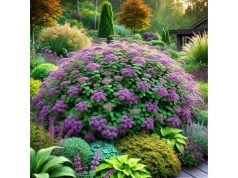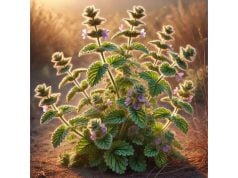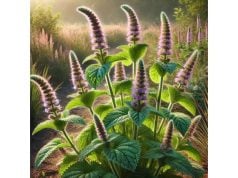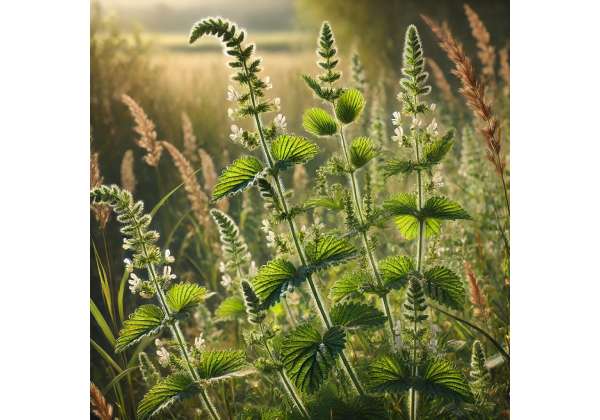
Horned melilot, Melilotus albus, is a fragrant legume more widely recognized as white sweet clover. It has a long history as a traditional herb, especially in discussions of vein comfort, local swelling, and minor skin irritation, while modern research focuses on its coumarins, flavonoids, and phenolic compounds. The plant’s sweet hay-like aroma hints at one of its signature chemicals: coumarin, a compound that helps shape both its therapeutic interest and its safety profile.
What makes this herb unusual is that its medicinal reputation rests partly on direct work with Melilotus albus and partly on broader sweet-clover literature, much of which centers on the closely related Melilotus officinalis. That means it is best approached with curiosity and restraint. Horned melilot may support mild venous discomfort, topical skin care, and antioxidant defense, but it is not a substitute for treatment when symptoms are severe or persistent. Used thoughtfully, it is a plant with genuine promise, clear limits, and a safety story that matters just as much as its benefits.
Quick Overview
- Horned melilot is mainly used for mild leg heaviness, local swelling, and minor skin irritation.
- Its most important compounds include coumarins and flavonoids, which are linked to vein-support and antioxidant activity.
- A practical oral benchmark is 1.0 to 1.2 g as an infusion, taken twice daily.
- Topical preparations are often used for small areas of irritated or inflamed skin.
- It should be avoided during pregnancy and lactation, and it is not recommended for people under 18 without medical guidance.
Table of Contents
- What is horned melilot and what is in it
- Does horned melilot help veins and swelling
- Can it support skin comfort and minor inflammation
- Other medicinal properties under study
- How to use horned melilot
- How much horned melilot per day
- Safety, interactions, and who should avoid it
- What the research really shows
What is horned melilot and what is in it
Horned melilot, Melilotus albus, is a tall annual or biennial herb in the legume family. In fields and roadsides it is often noticed for its upright habit, clusters of small white flowers, and distinct sweet scent that becomes even stronger as the plant dries. In herbal medicine, the aerial parts are the main material of interest. These include the flowering tops, leaves, and upper stems, which contain the compounds that give the plant both its traditional uses and its safety concerns.
The chemistry of horned melilot is led by coumarin-related substances. Coumarin is the best-known constituent because it contributes to the plant’s aroma and plays a role in many of the biologic effects associated with sweet clover. Melilotoside, a precursor that can convert during drying and processing, is also important. Alongside these are flavonoids, phenolic acids, tannins, and smaller supporting compounds that add antioxidant and anti-inflammatory potential.
The active profile matters because different compounds seem to contribute to different effects:
- Coumarin-related compounds are most closely tied to the herb’s reputation for supporting venous tone and fluid balance.
- Flavonoids contribute antioxidant and vessel-protective actions.
- Phenolic acids add to the broader anti-inflammatory and free-radical-scavenging profile.
- Tannins may support mild astringent effects, especially in topical preparations.
A practical point that many readers miss is that compound levels can vary. Flowers may contain a different balance than leaves, and drying conditions influence the final coumarin profile. That is one reason commercial preparations can behave differently from homemade teas. It is also why standardization matters more with this herb than with many gentler kitchen herbs.
Another useful distinction is between coumarin and dicoumarol. They are related in the sweet-clover story, but they are not the same thing. Dicoumarol is classically associated with spoiled or mold-affected sweet-clover material and is the compound historically linked to bleeding problems in livestock. That does not mean every properly prepared horned melilot tea acts like an anticoagulant drug, but it does explain why quality control and storage matter.
Botanically and medicinally, Melilotus albus is often discussed alongside yellow sweet clover, Melilotus officinalis. The two species share much of the same phytochemical conversation, and a great deal of the formal medicinal guidance available today comes from the officinalis literature. For readers, the takeaway is simple: horned melilot belongs to a chemically active, not merely decorative, group of herbs. Its value comes from that chemistry, and so do most of its cautions.
Does horned melilot help veins and swelling
This is the area where sweet-clover medicine has its strongest traditional identity. Horned melilot is most often discussed as a herb for mild venous discomfort, especially that tired, heavy, swollen-leg feeling that becomes worse after prolonged standing or sitting. It is not a cure for vein disease, but it may have a supportive role when symptoms are minor and uncomplicated.
The idea behind this use is fairly practical. Venous problems often show up as heaviness, pressure, mild ankle puffiness, or a sense that the lower legs feel fuller by the end of the day. Sweet-clover preparations have long been used in that setting because coumarin-related compounds appear to support lymphatic drainage and microcirculatory function. In plain language, the herb has been used to help tissues handle excess fluid a little more efficiently.
That helps explain why horned melilot is often mentioned for:
- leg heaviness after long periods of standing
- mild ankle swelling not caused by an emergency condition
- venous discomfort in warm weather
- support during conservative care for uncomplicated venous congestion
This does not mean the herb replaces compression, walking, weight management, or medical evaluation. In fact, it works best when readers think of it as supportive rather than central. If someone has one-sided sudden swelling, calf pain, chest symptoms, ulceration, or swelling linked to heart or kidney disease, horned melilot is not the right first move.
One useful way to think about it is as part of the same broad self-care category as leg elevation, gentle calf-muscle movement, and compression garments. It may fit into a conservative routine, but it should not distract from better-established measures. For people exploring broader circulation-support herbs, butcher’s broom for circulation support is another traditional option often considered in the same symptom cluster.
A second point is realism. Horned melilot is not likely to produce dramatic, same-day changes. Herbs used for venous comfort usually work gradually, if they help at all, and the most noticeable benefit is often modest: legs feel less heavy, socks leave less of a mark, or end-of-day discomfort is less bothersome. That is a meaningful outcome, but it is not the same as reversing varicose veins or solving chronic edema.
Form matters too. Oral preparations are usually the main choice for vein-related symptoms because the target is internal circulation and fluid handling. Topical forms may help comfort in a local area, but they are not a substitute for internal or mechanical support strategies when heaviness and swelling are the main complaints.
The strongest conclusion is a careful one: horned melilot has a believable traditional role in minor venous discomfort, but the evidence is stronger for the sweet-clover category than for Melilotus albus alone. That makes it reasonable as an adjunct, not as a stand-alone answer to persistent or worsening leg symptoms.
Can it support skin comfort and minor inflammation
Yes, topical use is one of the more practical ways horned melilot has been employed. Sweet-clover preparations have traditionally been used on small areas of irritated or mildly inflamed skin, especially when the goal is to calm local discomfort rather than to treat an infection or major wound. This use overlaps with the herb’s vein-support story because local swelling, tenderness, and superficial irritation often appear together.
In topical care, horned melilot is best understood as a mild support herb. It may be considered for:
- minor noninfected skin inflammation
- superficial bruised areas after the early acute stage
- localized puffiness
- skin that feels tight or uncomfortable from mild inflammatory changes
The likely reason it fits here is its chemical profile. Coumarins and flavonoids are often discussed for vessel-supportive and anti-inflammatory effects, while phenolic compounds contribute antioxidant activity. Together, these suggest a plant that may help calm tissues rather than aggressively alter them.
Still, the right expectations matter. Horned melilot is not a wound disinfectant, and it should not be used in place of proper care for infected, open, or rapidly worsening lesions. If a skin area is hot, draining, spreading, or associated with fever, redness streaks, or marked pain, the problem has moved beyond home herbal care.
Topical sweet-clover products are commonly found as creams, gels, patches, or semi-solid herbal preparations. A compress or carefully formulated topical product is usually more sensible than improvising a strong crude paste from raw plant material. The reason is simple: concentration and cleanliness are easier to control with a prepared product.
For comparison, readers interested in soothing topical botanicals often also explore witch hazel for topical astringent support or other skin-focused herbs. Horned melilot occupies a narrower lane. It is less of a general-purpose skin herb and more of a plant used when swelling, superficial inflammation, and circulatory sluggishness overlap.
There is also a timing question. In bruised or irritated areas, aggressive rubbing early on can sometimes make things feel worse. Gentle application is usually more appropriate than frequent heavy massage. The herb works best as part of a calm, measured approach: light application, watchful monitoring, and stopping if the skin becomes more irritated.
A useful rule is this: if the problem is clearly minor, localized, and improving, horned melilot may be a reasonable topical option. If the area is worsening, deeply painful, infected, or unexplained, do not push a topical herb beyond its lane. The value of horned melilot here is its modesty. It may help with comfort and mild tissue support, but it is not a rescue treatment, and it works best when used with that level of restraint.
Other medicinal properties under study
Horned melilot has attracted attention far beyond veins and skin. In laboratory research, the plant shows a wider profile that includes antioxidant, anti-inflammatory, antimicrobial, enzyme-modulating, and even tissue-protective effects. This broader interest comes from the fact that Melilotus albus contains more than coumarin alone. Its flavonoids and phenolic acids give it a more layered pharmacologic identity than its old-fashioned reputation might suggest.
The most discussed emerging properties include:
- antioxidant activity
- anti-inflammatory effects
- possible antimicrobial actions
- enzyme-related effects relevant to oxidative stress
- possible organ-protective activity in experimental models
These findings help explain why the herb continues to appear in phytochemical and pharmacology studies. In test systems, extracts from Melilotus albus can neutralize free radicals, interact with inflammation pathways, and show measurable activity against selected targets. That is scientifically interesting because it suggests the plant may have more potential than its traditional folk uses alone would indicate.
But this is exactly where many herbal articles become careless. A lab finding is not the same thing as a proven benefit in people. Antioxidant activity in a petri dish does not automatically mean an herb meaningfully reduces disease risk in real life. The same caution applies to antimicrobial testing. A plant extract can look strong under controlled laboratory conditions yet still be too weak, too variable, or too poorly absorbed to matter clinically.
That is why it helps to separate three levels of evidence:
- Traditional use, which tells us how the herb has long been used.
- Preclinical science, which tells us what the compounds may be capable of doing.
- Human evidence, which tells us what has actually been shown in patients.
Horned melilot is richest in the first two categories. The third is still limited. That does not make the herb unimportant. It simply means the most responsible claims remain moderate. It is fair to say the plant has biologically active compounds and credible mechanisms. It is not fair to say it has proven clinical effects for a long list of diseases.
Another practical point is that these broader properties depend heavily on the type of extract studied. A water infusion, alcoholic extract, dried powder, and topical semi-solid preparation are not interchangeable. One preparation may concentrate flavonoids, while another may emphasize different compounds. For readers, this means two products labeled “horned melilot” may not deliver the same profile or the same practical outcome.
In other words, the herb has genuine research depth, but much of its promise is still upstream from routine clinical use. That is useful knowledge because it keeps the herb interesting without turning it into hype.
How to use horned melilot
Horned melilot can be used in oral and topical forms, and the best choice depends on the symptom you want to address. For minor venous discomfort and leg heaviness, oral preparations are the most common route. For small, localized areas of minor skin inflammation, topical use makes more sense.
The most practical forms include:
- herbal infusion or tea
- powdered herb in solid oral doses
- topical creams, gels, or patches
- standardized extracts when clearly labeled
Tea remains the simplest home option. It also gives the user direct control over dose and timing. A mild infusion suits people who want a traditional preparation and prefer not to begin with a concentrated extract. The taste is not especially dramatic, but the aroma is characteristic and pleasant.
A straightforward way to prepare an infusion is:
- Measure the dried herb carefully.
- Pour boiling water over it.
- Cover the cup to keep volatile compounds from escaping.
- Steep for about 10 to 15 minutes.
- Strain and drink while warm.
For oral use aimed at venous comfort, consistency usually matters more than intensity. A measured twice-daily infusion is generally more sensible than sporadic high doses. For topical use, a prepared cream, gel, or patch is often preferable to a homemade paste because dose, hygiene, and skin tolerance are easier to manage.
It is also wise to match the form to the goal. Do not use a skin preparation when the main problem is deep leg heaviness, and do not expect a tea to behave like a local compress on a small irritated area. Each form has its own strengths.
Combination products deserve extra caution. Some sweet-clover products are paired with other vein-support herbs, antioxidants, or bromelain-like ingredients. These formulas may be useful, but they make it harder to know which ingredient is helping and which one is causing side effects if problems occur. First-time users usually do better with a simple, clearly labeled product.
Readers comparing topical herbal options sometimes look at aloe vera for soothing topical care when the main issue is comfort rather than circulation. Horned melilot is more specialized. It is better suited to mild inflammatory or swelling-related situations than to broad, all-purpose skin use.
One final point matters with this herb more than with many others: storage. Because the sweet-clover family has a long history tied to coumarin chemistry and dicoumarol formation in spoiled material, old, poorly stored, or musty plant matter is a bad idea. Use fresh, well-sourced dried herb or a reputable finished product, and discard anything that looks moldy, damp, or degraded. With horned melilot, careful preparation is part of safe use.
How much horned melilot per day
This is the section where accuracy matters most, because direct clinical dosing data for Melilotus albus are limited. In practice, the clearest structured dose ranges come from formal medicinal guidance on sweet clover, especially Melilotus officinalis. Because the two species are closely related and often discussed together, these ranges are the most useful practical benchmarks available, but they should be treated as reference points rather than perfectly species-specific proof.
Common oral benchmark doses include:
- Herbal infusion: 1.0 to 1.2 g dried herb per dose, taken 2 times daily
- Daily tea total: 2.0 to 2.4 g dried herb
- Powdered herb: 250 mg, taken 3 times daily
- Daily powdered total: 750 mg
For topical use in prepared patch-style products, daily use equivalent to 3 to 6 g of liquid extract preparation has been described for small affected areas. This form is not the same as improvising a home poultice, so readers should not treat those numbers as instructions for raw herb on the skin.
Timing depends on the goal:
- For venous discomfort, splitting doses across the day is usually the most rational approach.
- For topical use, application should stay limited to the affected area and follow the product directions.
- For general self-care, short courses make more sense than indefinite use.
Duration matters as much as dose. If oral use for leg heaviness or mild venous discomfort has not helped after about 2 weeks, it is time to reassess. If topical use for a minor skin problem has not improved things within about 1 week, continuing longer without evaluation is not a strong plan.
A few dosing mistakes are worth avoiding:
- Do not stack multiple sweet-clover products at the same time without understanding the total intake.
- Do not increase the dose simply because the herb feels “natural” or mild.
- Do not improvise pediatric dosing from adult amounts.
- Do not keep using it for symptoms that are getting worse or changing in character.
Because coumarin content can vary with plant part, drying, and manufacturing quality, a standardized product is often safer than guessing with loose herb from an uncertain source. Clear labeling should include the plant name, preparation type, and serving size. If a product hides those basics, it is not a good choice for a chemically active herb.
For healthy adults using the herb conservatively, measured dosing and limited duration are the safest guiding principles. Horned melilot is a plant where disciplined use is smarter than enthusiastic use.
Safety, interactions, and who should avoid it
Horned melilot has a more serious safety profile than many gentle household herbs. The main reason is its coumarin chemistry. That does not mean it is dangerous when used correctly, but it does mean careless use is not appropriate. Safety deserves equal weight with benefits.
People who should avoid horned melilot or use it only with medical guidance include:
- pregnant or breastfeeding women
- anyone under 18
- people with liver disease
- people with a history of unusual reactions to coumarin-containing products
- people taking anticoagulants or antiplatelet drugs
- people with unexplained swelling, bleeding, or bruising
- those preparing herb from poorly stored or suspect material
The pregnancy and lactation caution is straightforward: safety has not been adequately established. The same is true for children and adolescents. For that reason alone, routine use in these groups is not advised.
Liver caution is also important. Coumarin does not cause liver injury in everyone, but susceptibility varies, and some people appear more vulnerable than others. That is one reason prolonged self-prescribing is not smart. People with liver disease, heavy alcohol use, or multiple medications should be especially cautious.
Interaction data in formal herbal monographs are limited, but limited is not the same as impossible. A prudent clinician would think carefully before combining horned melilot with:
- warfarin or other anticoagulants
- antiplatelet drugs
- medicines that increase bleeding risk
- complex supplement stacks with other circulation-active herbs
Another nuance matters here: properly used horned melilot is not the same thing as ingesting dicoumarol. Dicoumarol is classically linked to spoiled sweet-clover material. Still, that history is exactly why poor storage is unacceptable. Musty, moldy, or degraded herb should be discarded immediately.
Possible warning signs during use include:
- new easy bruising
- unusual bleeding
- worsening swelling
- marked skin irritation from topical use
- upper abdominal discomfort or other concerning symptoms
If any of these appear, stop using the product and seek advice. With one-sided leg swelling, chest pain, or breathing symptoms, the issue could be urgent and unrelated to simple venous heaviness.
The safest way to think about horned melilot is as a short-term, symptom-specific herb for well-selected adults. It is not the right plant for pregnancy, casual long-term use, or uncertain symptoms. When readers respect that boundary, the herb becomes easier to use well and much harder to misuse.
What the research really shows
The research on horned melilot is promising, but it is uneven. That is the most important sentence in the whole article. If you read only one conclusion, it should be that one.
The strongest part of the evidence is not large modern clinical trials in Melilotus albus. Instead, it is a combination of three things: long traditional use of sweet clover, modern phytochemical work showing active compounds, and a formal medicinal framework built more clearly around the related species Melilotus officinalis. This gives horned melilot a credible medicinal profile, but not a fully settled one.
Here is the evidence landscape in plain terms:
- Chemistry: strong
- Preclinical pharmacology: moderately strong
- Direct human evidence in Melilotus albus: limited
- Practical medicinal guidance: mostly extrapolated from broader sweet-clover literature
That means several claims are well supported at the mechanism level. Horned melilot clearly contains coumarins, flavonoids, and phenolic compounds with biologic activity. It also has a plausible traditional role in minor venous discomfort and topical inflammatory care. What remains less certain is exactly how much benefit a person with a real-world symptom can expect from Melilotus albus alone.
This is not a weakness unique to this herb. Many traditional plants sit in the same middle ground: more than folklore, less than fully proven medicine. The mistake is pretending that limited evidence means no value, or that promising lab data mean complete proof. Neither is true.
The most responsible clinical reading is this:
- Horned melilot is reasonable for mild, low-risk symptom support.
- It is not strong enough as evidence to replace standard medical care.
- It deserves careful dosing and good product quality because its chemistry is active.
- Its closest formal medicinal guidance still comes from the sweet-clover tradition as a whole, especially Melilotus officinalis.
So where does that leave the reader? In a useful place, actually. Horned melilot can be part of a thoughtful herbal toolkit for adult self-care when the aim is modest: lighter-feeling legs, better comfort in a small irritated area, or cautious use of a herb with interesting antioxidant and vessel-supportive chemistry. What it cannot honestly be sold as is a miracle vein herb, a broad anti-inflammatory cure, or a risk-free natural blood thinner.
In short, the research supports interest, not exaggeration. That is enough to make horned melilot worth knowing, but not enough to excuse careless claims.
References
- European Union herbal monograph on Melilotus officinalis (L.) Lam., herba 2017 (Guideline)
- Sweet Clover (Melilotus spp.) as a Source of Biologically Active Compounds 2025 (Review)
- Phytochemical, Antioxidant Activity, and Toxicity of Wild Medicinal Plant of Melitotus albus Extracts, In Vitro and In Silico Approaches 2024
- Safety Profile of Nutraceuticals Rich in Coumarins: An Update 2022 (Review)
- Coumarin-Induced Hepatotoxicity: A Narrative Review 2022 (Review)
Disclaimer
This article is for educational purposes only and is not a substitute for medical advice, diagnosis, or treatment. Horned melilot may interact with health conditions, medications, and individual risk factors, especially those involving bleeding, liver function, pregnancy, or unexplained swelling. Seek medical guidance before using it medicinally, and get prompt care for sudden leg swelling, chest symptoms, unusual bleeding, or worsening skin inflammation.
Please share this article on Facebook, X, or your preferred platform if you found it useful.