Japanese cornel, Cornus officinalis, is the dried ripe fruit of an East Asian dogwood long used in traditional Chinese, Korean, and Japanese medicine. In herbal practice it is better known by the medicinal name Corni Fructus or shan zhu yu. What makes it especially interesting is the way old tonic use and modern phytochemistry overlap. The fruit is rich in iridoid glycosides, organic acids, tannins, and triterpenes, and these compounds help explain why researchers keep studying it for metabolic balance, oxidative stress, inflammation, neuroprotection, and bone health. Still, this is not a simple “superfruit” story. Most of the strongest claims about blood sugar, cognition, kidney support, and anti-aging benefits come from laboratory and animal research rather than robust human trials. That gap matters. Japanese cornel has genuine medicinal potential and a long traditional reputation, but it should be understood as a serious herbal medicine with promising evidence, not a fully proven modern treatment. The most useful guide, then, is one that respects both its heritage and its real scientific limits.
Key Takeaways
- Japanese cornel is most credible as a traditional tonic fruit for urinary, aging, and constitution-support formulas rather than as a stand-alone modern supplement.
- Its most plausible modern benefits are anti-inflammatory, metabolic, and neuroprotective support, though most evidence remains preclinical.
- Traditional oral use is commonly 6–12 g of dried fruit in decoction form.
- Pregnant or breastfeeding people and anyone taking prescription medicines should avoid self-prescribing it.
Table of Contents
- What is Japanese cornel
- Key compounds in Cornus officinalis
- What benefits are most plausible
- How Japanese cornel is used
- How much Japanese cornel per day
- Side effects, interactions, and warnings
- What the research really says
What is Japanese cornel
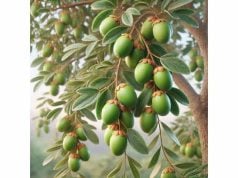
Japanese cornel is the medicinal fruit of Cornus officinalis, a dogwood species valued in East Asian herbal traditions for centuries. The medicinal part is not the bark, leaf, or ornamental flower. It is the ripe fleshy fruit, harvested, processed, and dried into what traditional medicine systems call Corni Fructus. That distinction matters because readers often confuse the herb with the garden tree as a whole, or with the related European cornelian cherry, Cornus mas. They are similar enough to invite comparison, but they are not interchangeable medicinal materials.
In traditional Chinese medicine, Japanese cornel is classified as sour, astringent, and slightly warm. Historically it has been used to “secure” what the body is losing too freely: excessive sweating, frequent urination, seminal leakage, and the fatigue-pattern complaints linked to aging or constitutional weakness. In practical terms, that means it has a long reputation as a stabilizing tonic rather than a strongly stimulating herb. It is often chosen for people who feel worn down, dry, over-drained, or slow to recover rather than for those seeking a quick symptom reliever.
The fruit also has a formula history that is hard to ignore. Japanese cornel is a classic ingredient in multi-herb prescriptions that support aging, urinary balance, lower-back weakness, and metabolic resilience. It is especially well known in kidney-liver tonic formulas, often paired with roots such as rehmannia in classic restorative combinations. This pairing is one reason Japanese cornel is frequently discussed in the same breath as longevity and vitality traditions, though those old concepts do not map neatly onto modern diagnoses.
Another point readers should know is that preparation changes the herb. Raw dried fruit, wine-processed fruit, and steamed forms are treated somewhat differently in traditional practice. Processing may reduce harshness, shift warming qualities, and influence how the fruit fits into a formula. That means “Japanese cornel” is not always one fixed product with one predictable effect.
Modern readers often come to this herb through search terms like kidney support, diabetes, osteoporosis, tinnitus, or anti-aging fruit. Some of that curiosity is understandable because the plant’s chemistry is impressive. But the safest starting point is still identity. Japanese cornel is best understood as a traditional medicinal fruit with specific historical uses, complex processing traditions, and growing but still incomplete modern evidence. Once that is clear, its benefits and limits become much easier to judge realistically.
Key compounds in Cornus officinalis
The medicinal interest in Japanese cornel comes largely from its unusually rich phytochemistry. Among its best-known compounds are iridoid glycosides, especially morroniside and loganin. These are so central to the herb that they are widely treated as marker compounds for quality control. They are also the reason modern papers often focus on oxidative stress, inflammatory signaling, glucose handling, and neuroprotection when discussing Cornus officinalis.
Iridoids are not the whole story, though. Japanese cornel also contains tannins, organic acids, triterpenes, flavonoids, polysaccharides, and volatile constituents. Some papers describe more than 300 identified compounds across the plant and its processed forms. For the average reader, that long list matters less than the pattern it creates. Japanese cornel is not chemically simple. It is a layered medicinal fruit whose effects likely come from groups of compounds acting together rather than from one “magic” ingredient.
Morroniside is one of the most discussed constituents because it appears repeatedly in research on antioxidant defense, cell protection, and nervous-system resilience. Loganin is similarly important, especially in work on inflammation, tissue protection, and bone metabolism. Other compounds, including ursolic acid, oleanolic acid, gallic acid, and fruit polysaccharides, widen the herb’s potential activity profile. That helps explain why the literature around Japanese cornel spreads across so many topics, from metabolic health to neurodegeneration to skeletal aging.
The chemistry also clarifies why this herb has been described as both a food and a medicine. The fruit has a sour, astringent taste and can appear in processed food products, but its medicinal identity is much stronger than that of a casual berry. Compared with Chinese wolfberry as a gentler tonic fruit, Japanese cornel tends to be more astringent, more formula-driven, and more associated with “retaining” and tonifying functions in traditional practice.
It is important not to exaggerate what these compounds prove. A compound can look promising in a cell model and still fail to produce reliable clinical results in humans. This is especially true in herbal medicine, where extraction method, dose, processing, and combinations with other herbs can all change the outcome. Still, Japanese cornel’s chemistry is strong enough to justify scientific attention. Its compound profile is one of the clearest reasons this fruit has remained relevant across both traditional and modern contexts.
In practical terms, the ingredient story suggests three grounded conclusions. First, the fruit is pharmacologically active. Second, its best-known molecules support anti-inflammatory, antioxidant, neuroprotective, and metabolic theories of action. Third, the gap between compound-level promise and proven human benefit is still significant. That is why “key ingredients” should be read as evidence of medicinal potential, not as proof that every popular claim about the herb is settled.
What benefits are most plausible
Japanese cornel is linked to a wide range of possible benefits, but they are not all equally convincing. The strongest way to read the evidence is to separate traditional consistency from modern clinical proof. When that is done, a few benefit areas stand out as plausible, while others remain more speculative.
The first is metabolic support. Traditional use has long connected the fruit with excessive urination, thirst-pattern complaints, and constitutional depletion. Modern studies extend that interest by examining antidiabetic, kidney-protective, and glucose-related pathways. Iridoids and related compounds appear relevant here, especially in oxidative stress and inflammatory signaling tied to diabetic complications. That does not mean Japanese cornel is a proven treatment for diabetes. It means the bridge between old use and modern mechanism is unusually coherent.
The second plausible area is neuroprotection. Japanese cornel compounds are frequently studied for nerve-cell protection, mitochondrial stress, inflammation control, and age-related neurological changes. This is one reason the herb often appears in anti-aging conversations. Still, the research is much stronger in models than in patients. It is better framed as a promising neuroprotective fruit than as a proven memory or dementia herb. For readers whose main goal is cognitive support from a more standardized evidence base, ginkgo for circulation-linked cognition remains easier to evaluate.
Bone health is a third emerging area. Several recent reviews focus on the herb’s possible role in osteoporosis and bone remodeling, especially within traditional “kidney-tonifying” theory translated into modern bone biology. This may sound abstract, but it has practical relevance. Researchers are interested in how Japanese cornel might influence osteoblast activity, inflammation, and age-related bone loss. Even so, this remains a research-forward use, not a mainstream clinical standard.
Inflammation and antioxidant defense are probably the broadest benefit cluster. These are not glamorous claims, but they may be the most transferable across conditions. Many of the herb’s proposed effects, from kidney protection to neuroprotection to bone support, appear to pass through these shared pathways.
What about eye health, tinnitus, and longevity? These are common search topics, and some traditional or formula-based logic supports them. But the direct human evidence is thin. If someone is specifically seeking a herb for visual support, something like bilberry for capillary and vision support is conceptually more direct.
The fairest summary is that Japanese cornel looks most plausible for metabolic resilience, age-related tissue protection, inflammation modulation, and formula-based vitality support. It may help, especially as part of a broader prescription tradition. But outside that context, it remains better supported by mechanisms and tradition than by strong stand-alone human trials.
How Japanese cornel is used
Japanese cornel is usually used as dried fruit, not as a fresh table fruit and not as a modern snack berry. In traditional medicine, it is commonly decocted, combined into formulas, or processed before use. That is an important starting point because people sometimes assume medicinal fruits work like culinary fruits. Japanese cornel does not. Its sour, astringent profile is one reason it is handled more like a medicinal ingredient than a casual food.
The most traditional preparation is a decoction. The dried fruit is simmered, usually with other herbs, to extract a broader range of constituents and to fit the formula-based logic of East Asian medicine. This method remains the most coherent way to use the herb when following traditional practice. It also explains why the fruit is often discussed in relation to combinations rather than single-herb dosing. Japanese cornel is less famous as a lone capsule than as one part of a carefully balanced prescription.
There are also processed forms. Wine-treated and steamed versions are used in some traditions to alter the herb’s character. These methods are not cosmetic. Processing can change taste, perceived warmth, and possibly even the balance of active compounds. That means two products labeled Cornus officinalis may not behave quite the same way if one is raw dried fruit and the other is processed Corni Fructus.
In current supplement markets, Japanese cornel may appear as:
- dried fruit pieces for decoction
- powder in capsules
- concentrated extracts
- formula blends aimed at urinary, aging, or metabolic support
Each form has tradeoffs. Decoctions are traditional but less convenient. Capsules are easier to use but may hide species identity, extract strength, or processing details. Standardized extracts can be more reproducible, but they also pull the herb away from the way it has historically been used. A good rule is to match the form to the goal. If the aim is traditional support, decoction or formula use makes the most sense. If the aim is convenience, capsules are reasonable only when the source is trustworthy and clearly labeled.
Readers sometimes compare rooty tonic herbs and warming decoction herbs across traditions. That can be helpful up to a point. For example, ginger is another classic decoction herb, but it is used for very different reasons. Ginger disperses and warms quickly, while Japanese cornel tends to conserve, stabilize, and tonify more gradually.
The practical lesson is simple: Japanese cornel is best used deliberately. Think processed fruit, formulas, and method of preparation. Do not treat it like an interchangeable berry powder. The way it is prepared is part of what makes it medicinal, and that preparation history is one of the clearest clues to how the herb is meant to be used safely and intelligently.
How much Japanese cornel per day
The most commonly cited traditional oral dose for Japanese cornel is 6–12 g of dried fruit in decoction form. That range appears consistently in traditional medicine guidance and remains the most practical starting point for readers who want a real number. It is also a reminder that this herb is usually dosed as crude medicinal fruit, not as a highly standardized extract with one universally accepted milligram target.
That said, dosage for Japanese cornel is less standardized than people often expect. Traditional use depends on pattern, preparation, and the other herbs in the formula. Someone using it for urinary leakage, night sweats, or constitutional weakness may not receive the same amount or processing style as someone using it in a metabolic or aging-support formula. This is one reason single-number dosing can be misleading. The herb has a range, not a rigid universal prescription.
A sensible way to think about dosage is by preparation:
- Dried fruit in decoction
This is the most traditional route. The common range is 6–12 g daily, usually divided through a decoction rather than swallowed all at once. - Powder or capsules
These are easier to use but harder to compare directly with crude fruit. The true dose depends on how much raw herb the product represents. - Concentrated extracts
Extracts vary widely. A 500 mg extract can be weak, moderate, or quite strong depending on ratio and processing. This is why product labels and crude-equivalent information matter.
Timing is usually flexible. Traditional use does not frame Japanese cornel as a stimulant or fast-acting symptom herb. It is more often taken once or twice daily in a formula, commonly over a sustained period. In modern terms, this means it is better suited to steady use than to “as needed” dosing.
Duration also deserves caution. Because the fruit is tonic and astringent, some users assume longer is always better. That is not a safe assumption. Prolonged use should be matched to a clear goal and ideally guided by a qualified practitioner, especially if the person has chronic illness or is taking medication.
The most responsible summary is this: Japanese cornel has a traditional dosage range, but not a robust modern clinical dosage standard. The 6–12 g range is useful, especially for decoction, but it should be treated as traditional guidance rather than as a proof-based universal dose. Start with the form you understand, use labeled products, and remember that formula context often matters more with this herb than with simpler stand-alone supplements.
Side effects, interactions, and warnings
Japanese cornel is often described as well tolerated, but that does not mean risk-free. The fruit has a long history of use, yet most modern safety confidence comes from tradition, pharmacology reviews, and limited toxicity discussions rather than from large modern clinical trials. That means the safety profile is encouraging but not fully mapped.
The most likely mild side effects are digestive. Because the fruit is sour and astringent, some people may notice:
- stomach discomfort
- nausea
- reduced appetite
- a dry or puckering feeling in the mouth
- occasional digestive heaviness, especially in concentrated or poorly matched use
Traditional medicine also warns that astringent herbs are not ideal in every pattern. In plain language, that means Japanese cornel may be a poor match when someone is dealing with acute infection, heat signs, marked digestive stagnation, or symptoms that should be vented rather than “held in.” This is one reason the fruit is so often used in formulas rather than taken indiscriminately on its own.
Pregnant or breastfeeding people should avoid self-prescribing it because reliable human safety data in those groups are not established. The same cautious logic applies to children unless a trained practitioner is directly involved.
Interaction questions are more subtle. Japanese cornel has been studied for glucose regulation, anti-inflammatory activity, platelet-related effects, and broader metabolic influence. That suggests a theoretical need for caution with:
- diabetes medications
- anticoagulants or antiplatelet drugs
- blood-pressure-lowering regimens
- multi-herb formulas aimed at metabolism or circulation
This does not mean severe interactions are certain. It means the herb is active enough that people using prescription medicines should not assume it is neutral. That is especially true when multiple supplements are taken together. A formula containing Japanese cornel plus other tonic or circulation herbs may behave differently from the fruit alone.
There is also a practical warning about overreach. Because the herb is associated with anti-aging, kidney support, and chronic disease formulas, it can tempt people to self-treat persistent symptoms that deserve proper diagnosis. Ongoing urinary symptoms, back pain, dizziness, or fatigue are not automatically a “Japanese cornel problem.”
The safest view is that Japanese cornel belongs in the category of meaningful medicinal fruits: usually moderate in short-term use, but active enough to warrant thought. If a person is pregnant, medically complex, taking prescriptions, or unsure whether an astringent tonic herb fits their situation, caution is the wiser path.
What the research really says
The research on Japanese cornel is impressive in volume but uneven in clinical strength. That is the single most important point for readers. There are many papers on compounds, mechanisms, animal models, and disease pathways. There are far fewer good human studies showing what the herb reliably does by itself in real patients.
What the literature supports well is potential. Reviews repeatedly describe antidiabetic, neuroprotective, anti-inflammatory, antioxidant, nephroprotective, hepatoprotective, and anti-osteoporotic activity. The compound profile gives those claims a real foundation. Morroniside, loganin, tannins, triterpenes, and polysaccharides all contribute to a picture of a pharmacologically serious fruit. If the question is whether the herb is biologically active, the answer is clearly yes.
What the literature does not support as strongly is broad stand-alone clinical certainty. The phrase that appears again and again in recent reviews is some version of “clinical studies are still needed.” That applies to many of the herb’s most popular claims. Even where the mechanism is interesting, the human evidence remains limited.
Another useful reality check is that some positive human data involve combinations, not single-herb Cornus officinalis. That matters because formulas can work through synergy, dose balancing, and processing traditions that are not captured by a single extract or capsule. Readers should be wary when a product takes formula-based evidence and markets it as proof for one isolated ingredient.
This is where comparison helps. Japanese cornel sits in a different evidence category from herbs that have a longer history of standardized extract trials. For example, ginkgo has a more developed extract-based clinical literature for selected uses, even though its limits are also real. Japanese cornel, by contrast, still leans more heavily on ethnopharmacology and preclinical research.
So what is the honest verdict? Japanese cornel is a serious traditional medicinal fruit with credible pharmacological promise and a growing modern literature. It is especially interesting for metabolic, neuroprotective, bone, and inflammation-related research. But it is not yet a herb with broad, high-confidence clinical proof across those areas. The evidence is best described as promising, biologically coherent, and incomplete.
That may sound less dramatic than many marketing claims, but it is the most useful conclusion. Japanese cornel deserves respect and continued study. It may also deserve thoughtful use in traditional or practitioner-guided settings. What it does not deserve is effortless hype. For now, it is best understood as a well-supported traditional medicine with emerging science, not a fully confirmed modern cure.
References
- Cornus officinalis Sieb.: An updated review on the ethnopharmacology, phytochemistry, pharmacology, toxicology, and pharmacokinetics 2025 (Review)
- A comprehensive review of Cornus officinalis: health benefits, phytochemistry, and pharmacological effects for functional drug and food development 2024 (Review)
- Cornus officinalis: a potential herb for treatment of osteoporosis 2023 (Review)
- Active Components and Pharmacological Effects of Cornus officinalis: Literature Review 2021 (Review)
- SHAN ZHU YU (山茱萸) 2024 (Traditional dosage reference)
Disclaimer
This article is for educational purposes only and is not a substitute for medical care. Japanese cornel is a traditional medicinal fruit with meaningful pharmacological activity, but most of its proposed benefits are not yet backed by strong stand-alone human trials. It should not be used to diagnose, treat, or replace care for diabetes, osteoporosis, kidney disease, neurological symptoms, or chronic urinary problems without professional guidance. Speak with a qualified healthcare professional before using it if you are pregnant, breastfeeding, take prescription medicines, or have a chronic health condition.
If this article was helpful, share it on Facebook, X, or your preferred platform.