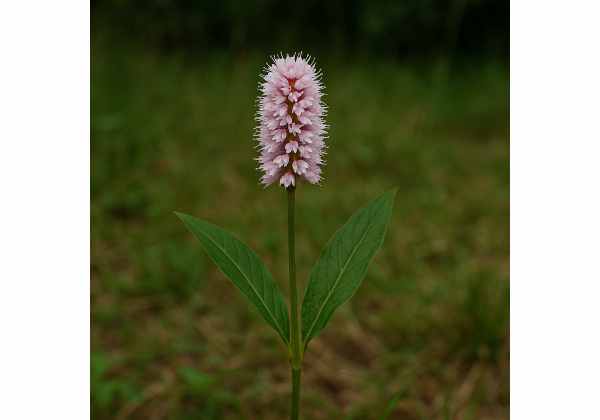
Meadow bistort, also known as common bistort, adderwort, or snakeweed, is a perennial herb best known for its dense pink flower spikes and its thick, knotty rhizome. In herbal medicine, that rhizome is the main part used. It has a long reputation in European and Asian traditions as a strongly astringent remedy for short-term diarrhea, bleeding gums, sore throat, minor mouth irritation, and weeping or inflamed skin. Modern phytochemical research helps explain that history. Meadow bistort is rich in tannins and other phenolic compounds, along with flavan-3-ol derivatives, chlorogenic acid, and related constituents that support its drying, tightening, antimicrobial, and anti-inflammatory profile. Even so, it is not a fashionable all-purpose herb, and that is part of its value. It does a few things especially well, mostly around irritated mucous membranes and overly loose tissues. The best way to use meadow bistort is with precision: short term, for the right problem, in the right form, and with respect for the fact that strong astringent herbs are helpful partly because they are strong.
Brief Summary
- Meadow bistort is most useful for short-term diarrhea and other overly loose, irritated tissue states.
- Its tannin-rich rhizome also supports traditional use for sore mouth, bleeding gums, and minor topical irritation.
- A cautious traditional decoction range is about 2 to 3 g dried rhizome in 250 mL water, up to 2 to 3 times daily.
- Avoid medicinal use during pregnancy and breastfeeding, and avoid it if you are prone to constipation or react badly to tannin-rich herbs.
Table of Contents
- What Meadow Bistort Is and Why the Rhizome Is Used
- Meadow Bistort Key Ingredients and Medicinal Properties
- Potential Health Benefits and What the Evidence Actually Supports
- Common Uses for Diarrhea, Mouth, Throat, and Topical Care
- Dosage, Preparation, and How to Take Meadow Bistort
- How to Choose Good Bistort and Avoid Common Mistakes
- Meadow Bistort Safety, Side Effects, and Who Should Avoid It
What Meadow Bistort Is and Why the Rhizome Is Used
Meadow bistort is the accepted botanical name for Bistorta officinalis, a perennial plant in the buckwheat family. Older books and herb guides often list it under names such as Polygonum bistorta or Persicaria bistorta, which is one reason buyers sometimes miss that several names may point to the same plant. It is native across much of temperate Eurasia and has long been recognized both as a wildflower of moist meadows and as a medicinal rhizome plant. The flowers are attractive, but in herbal medicine it is the thick underground rhizome that matters most.
That rhizome has a distinctive shape: twisted, somewhat serpentine, and heavily textured. Historically, it was dried, sliced, or powdered for internal and external use. Traditional European herbals valued it for diarrhea, dysentery-like bowel looseness, bleeding, inflamed gums, sore mouth, and throat irritation. In Chinese medicine, closely related naming traditions also emphasized the rhizome for bloody diarrhea, mouth and throat complaints, and inflammatory conditions. What joins these uses together is not a mysterious “blood purifier” story or a broad detox narrative. It is the plant’s strong astringency.
Astringent herbs tighten and tone tissues. That sounds simple, but it has practical meaning. When tissues are overly loose, oozy, irritated, weeping, or inflamed, a strong tannin-rich herb can reduce secretions, create a protective feel, and calm local irritation. Meadow bistort belongs squarely in that category. It is not the right herb for every digestive complaint, and it is not a soothing demulcent herb for dryness. It is more appropriate when there is too much fluid, too much looseness, or too much rawness.
This is why meadow bistort is often better compared with tormentil as another classic astringent root than with aromatic digestive herbs. Both are valued when the body needs containment more than stimulation. The user experience is different from drinking a minty, relaxing tea. Bistort decoction feels firmer, drier, and more medicinal.
Another important detail is that meadow bistort is usually a short-term herb. Its strength is part of its usefulness, but also part of why it should be used deliberately. A person with a brief episode of diarrhea or a short spell of gum irritation may benefit from it. A person with chronic bowel disease, ongoing bleeding, or repeated throat symptoms needs evaluation, not just a stronger decoction.
In a modern context, meadow bistort makes the most sense when readers understand both its limits and its specialties. It is a traditional rhizome herb, not a trendy supplement. It is most persuasive where old practice, phytochemistry, and common sense all point in the same direction: short-term astringent support for irritated tissue.
Meadow Bistort Key Ingredients and Medicinal Properties
Meadow bistort is first and foremost a tannin-rich herb. That single fact explains much of its personality. Tannins are polyphenolic compounds with a drying, tightening, and protein-binding character. In practical herbal terms, they help tone tissues, reduce secretions, and create the “puckering” sensation associated with strong tea, unripe fruit, and classic astringent herbs. In bistort, researchers have identified condensed tannins, galloyl glucose derivatives, catechin-related compounds, procyanidins, and chlorogenic acid among its important constituents.
This chemical profile matters because it directly supports the herb’s traditional uses. A tannin-rich decoction can be useful when the mouth feels inflamed, the stool is too loose, or the skin is irritated and slightly wet or inflamed. It is less suited to dry cough, dry constipation, or patterns that already feel depleted and overly dry.
Alongside tannins, meadow bistort also contains other polyphenols, flavonoid-related compounds, and smaller amounts of constituents linked to anti-inflammatory and antimicrobial activity. Laboratory studies have shown that aqueous extracts and infusions can affect inflammatory signaling and inhibit certain skin-related pathogens. That does not mean bistort is a broad-spectrum herbal antibiotic, but it does help explain why traditional uses for mouth, gum, throat, and skin complaints have remained so persistent.
Its main medicinal properties can be summarized like this:
- strongly astringent
- mildly anti-inflammatory
- mildly antimicrobial in laboratory settings
- tissue-tightening and secretion-reducing
- hemostatic in traditional use
- protective for irritated mucous membranes when the issue is excess discharge rather than dryness
The distinction between “protective” and “soothing” matters here. Meadow bistort can protect irritated surfaces, but it does so by toning and drying rather than by coating them. That makes it very different from mucilage-rich herbs. If a tissue needs moisture and cushioning, meadow bistort is probably not the first choice. If it needs tone and containment, it may be excellent.
This is also why bistort belongs in the same general conversation as oak bark’s tannin-rich astringency. Both herbs rely heavily on polyphenols and tannins, and both are better suited to overly loose or inflamed tissue states than to dry, depleted ones. Meadow bistort is usually somewhat more focused in traditional use, especially around bowel complaints and oral irritation, while oak bark is often thought of more broadly for baths, washes, and external use.
Another practical point is that the rhizome is the key medicinal part because it concentrates these astringent compounds more strongly than the flowering top. The aerial parts are edible and interesting, but the herb’s classic medicinal identity comes from the underground material. That is why product quality matters so much. A good meadow bistort rhizome product should be clearly identified, properly dried, and rooted in rhizome use rather than vague whole-plant marketing.
Its chemistry, then, is not glamorous, but it is coherent. Meadow bistort works largely because tannins do what tannins do. That may sound ordinary, but when you need an herb in that exact category, it becomes very practical.
Potential Health Benefits and What the Evidence Actually Supports
Meadow bistort’s strongest case is not that it treats a huge number of diseases. Its strongest case is that it fits a clear therapeutic pattern and that both traditional use and modern chemistry support that fit. The core benefit areas are short-term diarrhea, inflamed or over-secreting mucous membranes, topical irritation, and local inflammatory conditions where astringency is useful.
The first and most persuasive use is diarrhea. Traditional herbal medicine across Europe and Asia consistently treats bistort rhizome as a short-term astringent for loose stools, especially when the condition involves irritation, mucus, or minor bleeding. A preclinical study on Polygonum bistorta rhizomes also found antidiarrheal and antispasmodic effects, giving modern support to that traditional use. This does not mean bistort should replace medical care for persistent diarrhea, fever, dehydration, or blood in the stool, but it does give a pharmacologic basis for why the herb has been trusted in short-term bowel upsets.
The second likely benefit is local anti-inflammatory support, especially for the skin and mouth. A 2020 study on Bistorta officinalis aqueous extract found antibacterial and anti-inflammatory activity relevant to inflammatory skin conditions and justified its traditional topical use. This strengthens the old practice of using the herb in washes, gargles, and localized applications rather than only as an internal remedy.
A third potential area is mouth and throat care. Traditional use includes stomatitis, gingival irritation, mouth ulcers, and sore throat. Meadow bistort is not a numbing demulcent herb like marshmallow, but in the right situation it can still help by toning raw, weeping, or inflamed tissue. That is particularly relevant when the complaint includes mild bleeding gums or a sense of swollen, tender tissue rather than dry scratchiness alone.
There are broader experimental findings too. Reviews of the genus describe antioxidant, anti-inflammatory, antimicrobial, anti-rheumatic, and other activities across Bistorta species. Additional preclinical work on Polygonum bistorta roots has explored inflammatory lung injury, glucose metabolism, and other mechanisms. But this is where caution becomes important. There is no solid human clinical evidence showing that meadow bistort should be used as a general herb for diabetes, chronic inflammatory disease, or major organ protection. In fact, one 2023 study found that promising in vitro antidiabetic effects were not confirmed in the in vivo models tested.
A fair summary of likely benefits would rank them this way:
- short-term diarrhea and loose-bowel support
- local oral and throat astringent care
- topical support for minor inflammatory or weeping skin issues
- mild anti-inflammatory and antimicrobial support in targeted uses
- broader preclinical promise that remains interesting but unproven in everyday care
For external tissue care, some readers naturally compare bistort with witch hazel for topical astringent support. The comparison works because both herbs excel when tissues are irritated and too loose or too moist. The difference is that meadow bistort is more rhizome-based, more classically internal for diarrhea, and less commonly used as a modern cosmetic product.
The best way to respect the evidence is to keep meadow bistort in its strongest lane. It is a focused astringent herb with clear traditional uses and good mechanistic support, not a catch-all wellness tonic.
Common Uses for Diarrhea, Mouth, Throat, and Topical Care
In real-world herbal use, meadow bistort is not usually chosen because someone wants a daily tonic. It is chosen because a very specific problem is showing up. The herb is most useful when tissues are irritated and overactive in a loose, wet, or bleeding direction. That is why the most common traditional uses cluster around the bowels, the mouth, the throat, and topical care.
For diarrhea, bistort is best thought of as a short-term control herb. If the stool is loose, urgent, or accompanied by mild cramping and irritation, a properly prepared decoction may help. It is especially relevant when the goal is to reduce excessive fluid loss and calm intestinal irritation. What it does not do well is address every cause of diarrhea. It is not a rehydration therapy, not a probiotic, and not a cure for bowel infections or chronic inflammatory disease. Its role is supportive, local, and short term.
For the mouth and gums, meadow bistort has a long history in gargles, mouth rinses, and washes. This makes sense when there are sore gums, mild mouth ulcers, bleeding during brushing, or a generally inflamed oral environment. The herb’s astringent action can help tissues feel tighter and less raw. This is one of the classic areas where traditional experience and phytochemical logic line up very well.
For sore throat, bistort works best when the tissues feel inflamed, swollen, or overly secretory rather than dry and scratchy. That distinction matters. A very dry, irritated throat may respond better to a mucilage-rich herb. In contrast, a red, wet, or slightly ulcerated-feeling throat may be a better match for bistort, especially as a gargle.
Common practical uses include:
- short-term decoction for loose stools
- gargle or cooled rinse for sore gums
- mouthwash-style use for mild ulcers or irritation
- cooled compress or wash for minor inflamed skin
- practitioner-guided use for hemorrhoidal or local bleeding traditions
This is also where contrast with marshmallow for soothing irritated mucosa becomes helpful. Marshmallow moistens and coats. Meadow bistort tones and dries. Both may be called “good for the throat,” but they help in different ways. The better the match between herb and tissue state, the better the outcome tends to be.
Topically, bistort can be useful in a wash or compress when the skin is mildly inflamed, tender, and perhaps slightly oozing. Traditional use also extends to minor wounds, though modern readers should keep expectations modest and avoid applying home herbal preparations to deep, infected, or serious wounds. The herb is best in small, controlled situations, not in place of wound assessment.
Another underappreciated point is that meadow bistort can be paired with other herbs, but it does not need a crowded formula. Because its action is already quite defined, it often performs best in simple preparations where you can clearly feel what the herb is doing. Overcomplicating astringent herbs often makes them harder to judge, not more effective.
Dosage, Preparation, and How to Take Meadow Bistort
Modern standardized self-care dosing for meadow bistort is not especially well established, which means the most sensible guidance comes from traditional practice, plant strength, and the nature of the rhizome itself. Because bistort is strongly astringent, it usually works best as a decoction rather than a light infusion. Simmering helps draw out the tannin-rich constituents that define the herb’s action.
A cautious traditional starting range is:
- 2 to 3 g dried chopped rhizome
- in 250 mL water
- simmered for about 10 to 15 minutes
- taken up to 2 to 3 times daily for short-term use
That kind of preparation is best suited to acute, self-limited situations such as brief diarrhea or short-term gargle use. It is not a good candidate for indefinite daily drinking. Strong tannin herbs can become irritating, constipating, or simply unnecessary when used too long.
A simple decoction method looks like this:
- Measure 2 to 3 g of dried rhizome.
- Add it to 250 mL cold water.
- Bring gently to a simmer.
- Simmer for 10 to 15 minutes.
- Strain and use warm internally or let cool for gargles and washes.
For mouth or throat use, the same decoction can be cooled and used as a rinse or gargle several times a day. In this format, swallowing is optional depending on the purpose. For topical care, the cooled liquid can be applied with a clean cloth as a compress on minor irritated areas.
Timing depends on the goal. For diarrhea, it usually makes sense between meals or after an episode rather than as a casual beverage. For mouth care, frequency matters more than timing. Several brief rinses may be more useful than one large dose. For topical use, fresh preparation is preferable, especially if the skin is already irritated.
Because meadow bistort is so clearly astringent, it is worth contrasting it with peppermint for non-astringent digestive relief. Peppermint suits spasm, gas, and tension. Bistort suits looseness, seepage, and over-secretion. If the main issue is crampy bloating without diarrhea, peppermint may be the better first herb. If the main issue is loose irritated stool, bistort may fit better.
Two practical cautions make a difference. First, do not use very concentrated preparations just because the herb is “natural.” Stronger is not automatically smarter with astringents. Second, keep the duration short. If the issue is not improving within a few days, or if it returns again and again, the problem likely needs medical attention rather than a stronger decoction.
In short, meadow bistort should be taken as a purposeful short-course herb. Small measured amounts, correct preparation, and limited duration do more for safety and usefulness than pushing the dose higher ever will.
How to Choose Good Bistort and Avoid Common Mistakes
One of the easiest ways to get poor results from meadow bistort is to buy a product without clear botanical identity. Because the plant has been known under several botanical names, and because the rhizome is the main medicinal part, a good label should clearly identify the species and the plant part. If a product says only “bistort herb” without specifying rhizome or botanical name, that is already less reassuring.
Quality matters because meadow bistort is not an aromatic herb that announces freshness with a big fragrance. Its strength comes more from internal chemistry than smell. That means users often cannot judge it as easily as they can judge mint, thyme, or rosemary. The dried rhizome should look clean, firm, and properly dried rather than moldy, dusty, or heavily fragmented into anonymous powder with no sourcing details.
Another common mistake is choosing bistort for the wrong pattern. This herb is not a general digestive tonic. It is not ideal for sluggish digestion, heavy meals, dry constipation, or nervous stomach without looseness. It excels when the problem is too much fluid, too much looseness, or raw irritated tissue. People often reach for it because “digestive herb” sounds close enough, then wonder why it feels drying or unhelpful. The herb may be fine; the fit may not be.
Some practical mistakes to avoid include:
- taking it for chronic symptoms without diagnosis
- using it for dry constipation or already dry throat irritation
- assuming more tannin means better results
- using it daily for long stretches
- confusing rhizome use with the edible or ornamental interest of the aerial plant
- relying on vague “traditional blood cleanser” or “detox” claims that do not match its real action
Another easy mistake is ignoring form. A tannin-rich rhizome is best decocted, not treated like a delicate leaf tea. If you only steep it lightly, you may underextract the very compounds you wanted. On the other hand, if you boil it too aggressively and take it too often, you may make it unnecessarily harsh.
Storage is straightforward but important. Keep the dried rhizome:
- in a sealed container
- away from humidity
- out of direct light
- in moderate temperatures
If the material smells musty or looks damp, discard it. Tannin herbs do not need strong fragrance to be good, but they do need sound storage.
Users who want a gentler stomach-focused herb sometimes do better with meadowsweet for milder upper-digestive support rather than bistort. That kind of comparison is useful because it prevents people from using a powerful astringent when what they really need is soft anti-inflammatory support.
The biggest mistake, though, is forgetting that a traditional remedy for diarrhea or mouth irritation should not delay common-sense care. If symptoms are severe, persistent, or recurrent, product quality will not solve a diagnostic problem.
Meadow Bistort Safety, Side Effects, and Who Should Avoid It
Meadow bistort is not famous for dramatic toxicity, but it also does not have a large modern human safety database. That means the safest approach is conservative: use it in traditional forms, for short periods, and for clear reasons. Astringent rhizome herbs are often safest when they are used exactly as intended rather than turned into long-term wellness products.
The first important caution is dryness and constipation. Because bistort is strongly tannin-rich, it can make dry conditions worse if used in the wrong setting. Someone who is already constipated, dehydrated, or prone to dry mouth may find the herb uncomfortable rather than helpful. This is one reason the herb is better for loose stools than for undefined abdominal complaints.
Second, meadow bistort is best avoided during pregnancy and breastfeeding unless a knowledgeable clinician specifically advises otherwise. The problem is not that dramatic harm is proven; it is that modern human safety data are limited and the herb is pharmacologically active enough that casual use is not justified.
Third, people who take important medicines or mineral supplements should be cautious about timing. Tannins can bind with compounds in the gut and may reduce absorption of some nutrients or medicines if taken too close together. A simple practical rule is to separate meadow bistort from oral medicines or iron supplements by a couple of hours when possible.
Possible side effects may include:
- constipation
- stomach heaviness or nausea if the dose is too strong
- excessive dryness in the mouth or throat
- irritation from overly concentrated topical preparations
- poor fit with already dry or depleted constitutions
Topical use is generally easier to control, but it still deserves care. A cooled wash or compress is different from repeatedly applying a very concentrated home extract to sensitive skin. If irritation appears, stop. If the skin problem looks infected, severe, or rapidly worsening, seek medical care rather than trying stronger home remedies.
Another important safety point is not to use meadow bistort as a mask for serious disease. Get prompt evaluation for:
- diarrhea lasting more than a few days
- signs of dehydration
- significant or recurrent blood in the stool
- unexplained weight loss
- severe abdominal pain
- persistent mouth ulcers or throat symptoms
- fever with bowel or throat complaints
When people want throat support but the tissue feels dry rather than overly loose, a gentler herb such as licorice for soothing irritated throat tissue may make more sense than bistort. That kind of herb choice is not just a matter of preference. It is part of safety.
The most honest safety summary is this: meadow bistort is a focused short-term herb. It is usually best for adults, for clearly defined problems, and for brief use. Respecting its dryness, potency, and limits is what makes it a helpful traditional medicine rather than a poorly matched experiment.
References
- A comprehensive review on ethnomedicinal, phytochemical and pharmacological properties of genus Bistorta 2024 (Review)
- Antibacterial and anti-inflammatory activity of bistort (Bistorta officinalis) aqueous extract and its major components. Justification of the usage of the medicinal plant material as a traditional topical agent 2020
- HPLC-DAD-MS3 fingerprints of phenolics of selected Polygonum taxa and their chemometric analysis 2023
- In-vitro antidiabetic activity of a Bistorta officinalis Delarbre root extract can not be confirmed in the in-vivo models hen’s egg test and Drosophila melanogaster 2023
- Exploration of the anti-inflammatory potential of Polygonum bistorta L.: protection against LPS-induced acute lung injury in rats via NF-ĸβ pathway inhibition 2025
Disclaimer
This article is for educational purposes only and does not replace medical advice, diagnosis, or treatment. Meadow bistort is a traditional astringent herb with plausible short-term uses, but it is not a substitute for evaluation of persistent diarrhea, bleeding, severe abdominal pain, recurrent mouth ulcers, or worsening skin problems. Speak with a qualified healthcare professional before using meadow bistort medicinally if you are pregnant, breastfeeding, take prescription medicines, have chronic bowel disease, or are treating a child.
If this article helped you, please consider sharing it on Facebook, X, or another preferred platform so others can find it.