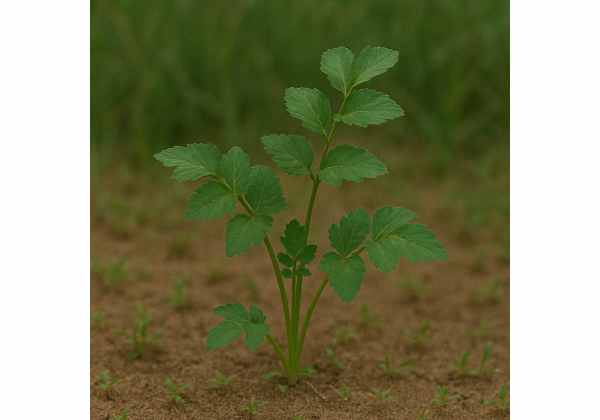
Parsnip is a sweet, pale root vegetable from the Pastinaca sativa plant, a member of the parsley family that also includes celery, fennel, dill, and coriander. Long valued as both a winter food and a traditional remedy, parsnip sits in an interesting middle ground: it is first a nourishing root crop, but it also contains plant compounds that have drawn medicinal interest. Its best-supported strengths are practical ones. Parsnip provides fiber for digestive regularity, potassium and folate for everyday nutrition, and a mix of antioxidant compounds that may help explain its long reputation in traditional food-based medicine.
At the same time, parsnip is not a miracle herb, and some of its most biologically active compounds come with real caution. The root is generally safe as food, but the sap, leaves, and wild forms can cause light-triggered skin reactions because of naturally occurring furanocoumarins. That balance makes parsnip worth understanding properly: as a useful root vegetable with some promising medicinal properties, but also with specific safety boundaries that matter.
Core Points
- Parsnip can support digestive regularity and fullness because it provides a meaningful amount of fiber for a root vegetable.
- Its potassium, folate, vitamin C, and antioxidant compounds make it a useful winter food for general diet quality and cardiometabolic support.
- A practical food portion is about 1/2 to 1 cup cooked parsnip, or roughly 80 to 160 g, depending on the meal.
- People with Apiaceae allergies, severe photosensitivity, or regular contact with wild parsnip sap should be especially cautious.
Table of Contents
- What Parsnip Is and Why It Has a Food-First Medicinal Reputation
- Key Ingredients and Medicinal Properties
- Parsnip Health Benefits for Digestion, Heart Health, and Diet Quality
- What Research and Traditional Use Actually Support
- How Parsnip Is Used in Food and Home Wellness
- How Much Parsnip to Eat
- Safety, Side Effects, and Who Should Avoid It
What Parsnip Is and Why It Has a Food-First Medicinal Reputation
Parsnip is a cream-to-pale-yellow taproot with a sweet, earthy flavor that becomes deeper after roasting or slow cooking. It belongs to the Apiaceae family, which helps explain both its pleasant aroma and some of its medicinal interest. This is the same family that includes parsley, celery, fennel, dill, and coriander, plants known for aromatic oils, digestive traditions, and, in some cases, phototoxic plant compounds. If you want a useful comparison point inside that family, coriander as a culinary and medicinal seed herb shows how one plant family can contain both kitchen staples and pharmacologically interesting compounds.
Parsnip has a long history as a practical food. Before refined sugar became common, it was valued for its natural sweetness. It was also important as a cool-season crop that stored well, which made it useful in winter diets. That history matters because parsnip’s “health benefits” are not mainly based on dramatic therapeutic effects. Instead, they come from the combination of nutritional density, fiber, and certain bioactive compounds that make it more than just a starch.
This is why it helps to think of parsnip as a food-first medicinal plant rather than a standard herbal remedy. The root is eaten much more often than it is dosed like a tincture or capsule. Most people will experience its benefits through soups, mashes, roasted vegetables, purees, and stews, not through standardized extracts.
There is also an important difference between cultivated parsnip root and wild parsnip plant exposure. The root commonly sold for cooking is generally safe when peeled and prepared as food. Wild parsnip, by contrast, is much more notorious for its sap, stems, and leaves, which can trigger phototoxic skin reactions in sunlight. Many alarming internet claims about parsnip actually describe wild plant contact rather than ordinary dietary use.
This distinction shapes how the plant should be understood:
- As food, parsnip is mainly a source of fiber, carbohydrates, potassium, folate, vitamin C, and phytochemicals.
- As a traditional remedy, it has been associated with digestive, diuretic, and antispasmodic uses.
- As a biologically active plant, it contains furanocoumarins and polyacetylenes that create both interest and caution.
That mix explains why parsnip occupies a modest but real place in natural-health discussions. It is not a fashionable superfood, but it is more interesting than a plain winter side dish. Its strongest role remains supportive and dietary, especially for people who want more fiber-rich vegetables that also feel satisfying and naturally sweet.
Key Ingredients and Medicinal Properties
Parsnip’s medicinal properties come from a blend of nutrients and phytochemicals rather than from one famous active compound. That makes it more similar to a functional food than to a sharply targeted herb. The most important groups are dietary fiber, vitamins and minerals, furanocoumarins, polyacetylenes, phenolic compounds, and small amounts of essential-oil-like aromatics.
The first major feature is dietary fiber. Parsnip contains a useful mixture of insoluble and soluble fiber components, including pectic substances. This helps explain why it is often satisfying, why it supports bowel regularity, and why it can fit well into meals aimed at steadier appetite control. Readers comparing root-vegetable fiber with more concentrated sources may find psyllium as a dedicated soluble-fiber tool a helpful contrast. Parsnip will not match psyllium for potency, but it offers fiber in a food form that is easier to build into regular meals.
The second important group is its micronutrient profile. Parsnip contributes potassium, folate, vitamin C, manganese, and smaller amounts of other minerals and vitamins. This is part of why parsnip can support general cardiometabolic nutrition even if it is not a low-carbohydrate vegetable.
The phytochemical side is more complex. Parsnip contains furanocoumarins, including compounds such as xanthotoxin, bergapten, imperatorin, psoralen, and related molecules. These compounds are central to parsnip’s medicinal identity because they help explain both some of its biologic activity and its best-known safety issue: phototoxicity. In simple terms, these are light-reactive compounds that can irritate skin after contact with sap plus sun exposure.
Parsnip also contains polyacetylenes, especially falcarinol-type compounds that are often discussed in Apiaceae plants. These compounds are of research interest because they may have anti-inflammatory and chemoprotective properties in laboratory settings. In addition, parsnip contains flavonoids and phenolic acids, which contribute antioxidant potential and may support broader anti-inflammatory activity.
Taken together, parsnip’s most realistic medicinal properties are:
- Digestive-supportive
- Mildly antioxidant
- Potentially anti-inflammatory
- Traditionally diuretic
- Potentially antispasmodic
- Phototoxic when certain plant parts contact skin and sunlight
The last item is not a footnote. It is one of the most important medicinal facts about parsnip because biologic activity is not automatically beneficial. Compounds that protect the plant can also irritate human tissue.
This is one reason parsnip is often best used as a cooked root rather than as a casual self-made medicinal extract. The root offers nutrition and modest phytochemical value in a familiar food matrix. Concentrated preparations, raw sap exposure, and unstructured herbal use introduce far more uncertainty. In that sense, parsnip behaves a lot like other Apiaceae plants whose chemistry can be helpful at culinary levels but more complicated at higher or less controlled exposures.
Parsnip Health Benefits for Digestion, Heart Health, and Diet Quality
The most believable health benefits of parsnip are the ones that fit how people actually use it: as a fiber-rich, nutrient-dense root vegetable that improves meal quality. The strongest case for parsnip is not that it treats disease on its own, but that it supports several practical health goals at once.
Digestive regularity and fullness
Parsnip’s fiber content makes it helpful for bowel regularity and post-meal satisfaction. Because it combines starch with fiber and water, it tends to feel more sustaining than highly refined carbohydrate side dishes. This can be useful for people trying to move from lighter but less filling foods toward vegetables that actually help them stay satisfied. Compared with a refined starch, parsnip may support steadier eating simply because it adds bulk and slows the meal down.
Better winter-diet quality
Parsnip is especially valuable in colder seasons, when many people eat fewer colorful vegetables and more heavy comfort foods. It brings sweetness, structure, and micronutrients to meals without relying on added sugar. That alone can improve dietary variety. When roasted with olive oil, herbs, or legumes, parsnip helps build meals that are both comforting and nutritionally stronger.
Potassium and cardiometabolic support
Parsnip contributes potassium, which supports normal fluid balance, nerve function, and blood-pressure-friendly eating patterns. It is not a potassium supplement, but it can fit well into a diet designed to emphasize vegetables, pulses, and minimally processed foods. Parsnip also offers folate and vitamin C, which add to its everyday nutrition value. For broader context on one of those nutrients, vitamin C food and supplement guidance can help show where parsnip fits in a balanced diet.
Antioxidant and anti-inflammatory potential
Parsnip contains phenolics, flavonoids, and polyacetylene compounds that are associated with antioxidant and anti-inflammatory behavior in experimental studies. It would be a mistake to treat this as proof that parsnip prevents chronic disease, but it does help explain why it is more than just a sweet root. In a whole-diet pattern, repeated intake of such compounds may contribute to better oxidative balance.
Supportive role in appetite and blood-sugar management
Parsnip is often misunderstood here. Because it tastes sweet and contains starch, some people assume it is automatically bad for blood sugar. The more realistic view is that its effect depends on portion, cooking method, and meal composition. A moderate serving of parsnip eaten with protein, fat, or other vegetables behaves very differently from a large portion of mashed root eaten alone. The fiber matters, the meal context matters, and the total carbohydrate load matters.
So what are parsnip’s best-supported benefits in plain terms?
- It helps make high-fiber meals more enjoyable.
- It improves diet quality during colder months.
- It contributes useful micronutrients, especially potassium and folate.
- It provides plant compounds with plausible antioxidant and anti-inflammatory value.
- It works best as part of an overall food pattern, not as a stand-alone remedy.
That is a modest claim, but it is also the most trustworthy one. Parsnip supports health best when it is used consistently as food.
What Research and Traditional Use Actually Support
Parsnip has an intriguing medicinal profile, but the research base is uneven. Traditional medicine gives it a fairly broad reputation, while modern science supports some aspects of that reputation much more than others. The most honest reading is that parsnip is chemically promising, nutritionally useful, and clinically under-studied.
Traditional uses describe parsnip as a digestive aid, mild diuretic, appetite stimulant, antispasmodic, and general tonic. Some systems of medicine have also linked it with reproductive or urinary uses. These claims should be treated as historical context, not as evidence that the root should be used therapeutically without question. Traditional use can point researchers in the right direction, but it does not automatically prove safety or efficacy.
Modern research supports three broad ideas more convincingly.
First, parsnip clearly contains bioactive compounds with real laboratory effects. Reviews identify furanocoumarins, flavonoids, polyacetylenes, and aromatic constituents that show antioxidant, antimicrobial, antispasmodic, vasodilatory, and anti-inflammatory potential in experimental settings. This is important because it shows that parsnip’s medicinal reputation is not random folklore.
Second, parsnip has meaningful food-chemistry and fiber value. Its root contains a substantial dietary-fiber fraction with pectic components and a structure that helps explain its satiety and texture. This supports the practical food-based health case far better than any dramatic supplement claim.
Third, newer animal and cell studies suggest metabolic and anti-inflammatory promise, including possible prebiotic and liver-supportive effects from parsnip extracts. These findings are interesting, especially for gut-liver and inflammatory pathways, but they are still preclinical. That means they are useful for scientific direction, not for promising human therapeutic outcomes.
Where the evidence is weakest is in large human clinical trials. There is not much strong research showing that everyday parsnip intake directly treats constipation, lowers blood pressure, reduces inflammation markers, or improves cholesterol in a clearly measured way. Those benefits remain plausible and food-pattern-based, not proven as parsnip-specific outcomes.
This is where readers often need help separating plant chemistry from human evidence. A plant can contain compounds with strong laboratory activity and still have limited real-world clinical proof. Parsnip is a good example. The chemistry is rich enough to justify interest, but not strong enough to justify exaggerated claims.
The evidence also supports an important caution: certain parts of the plant can cause phototoxic skin reactions. That is one of the most consistent and best-established real-world effects in the literature. So in parsnip’s case, safety evidence is in some ways clearer than therapeutic evidence.
A balanced conclusion looks like this:
- Traditional use suggests digestive, urinary, and supportive tonic roles.
- Modern reviews support antioxidant, anti-inflammatory, and antispasmodic potential.
- Food science supports its role as a fiber-rich, nutrient-dense root.
- Animal and cell studies suggest metabolic promise.
- Human evidence remains limited, so claims should stay conservative.
That makes parsnip worth using, but mostly as food, and mostly with realistic expectations.
How Parsnip Is Used in Food and Home Wellness
Parsnip is most effective when used in ways that suit its nature: as a root vegetable with gentle functional value, not as an improvised medicine cabinet ingredient. In practice, that means culinary uses come first.
Everyday food use
The simplest and most effective use of parsnip is to cook it as part of balanced meals. Roasting brings out sweetness and makes it especially easy to pair with beans, lentils, chicken, fish, yogurt sauces, or tahini. It also works well in soups and stews, where its starch and pectin help create body. Common uses include:
- Roasted wedges with olive oil and herbs
- Mashed with carrots, turnips, or potatoes
- Added to winter soups and broths
- Pureed into vegetable soups
- Shaved or grated raw in small amounts into slaws
Raw parsnip can be eaten, but its flavor is sharper and its texture denser. Most people tolerate and enjoy it better when it is cooked.
Traditional home-wellness use
Historically, parsnip has been used in broth-like preparations, digestive meals, and root-based tonics rather than as a famous standalone tea. That makes sense because the root is the safest and most familiar part for food use. In modern home practice, parsnip is best thought of as a supportive food for:
- Winter nourishment
- Recovery meals with easy-to-digest cooked vegetables
- Gentle digestive regularity through food fiber
- Mixed-vegetable dishes aimed at better satiety
If the goal is classic carminative support from the same broad plant family, fennel for gas and digestive comfort is usually a better fit than trying to force parsnip into a tea-centered herbal role.
What not to do
This is as important as what to do. Parsnip is not a good candidate for casual experimentation with wild-harvested sap, leaf poultices, or homemade concentrated extracts. The more you move away from the peeled, cooked root, the more the safety balance changes. The phototoxic compounds that matter little in an ordinary roasted side dish become much more important when handling aerial plant parts or wild parsnip.
Best pairings for practical health use
Parsnip works well when paired with foods that improve overall meal balance:
- Legumes for more fiber and steadier carbohydrate handling
- Healthy fats for satiety and flavor
- Protein foods to make the meal more filling
- Other root vegetables for variety and texture
- Aromatic herbs and seeds from the parsley family for layered flavor
This is why parsnip is most useful in the kitchen rather than in a supplement bottle. It shines in patterns of use that are repeatable, pleasant, and easy to build into real meals. That is often where “medicinal foods” do their best work.
How Much Parsnip to Eat
Parsnip does not have a standard medicinal dose in the way a standardized herb extract does. For most people, the right question is not “How many milligrams?” but “How much fits a balanced meal?” Because parsnip is mainly used as food, dosage is really about practical portion size, tolerance, and context.
A reasonable food portion is about 1/2 to 1 cup cooked, or roughly 80 to 160 g, as part of a meal. That amount is enough to contribute fiber, potassium, and sweetness without dominating the entire plate. Some people will comfortably eat more, especially in soups or roasted vegetable mixes, but there is little reason to think very large portions create extra benefit.
For people eating parsnip raw, smaller amounts often work better at first. A few thin slices or a modest handful of grated parsnip in slaw is usually more comfortable than a large raw serving, because the texture is firm and the flavor can be surprisingly assertive.
A useful way to think about parsnip intake is by meal role:
- Side dish: 1/2 to 1 cup cooked
- Mixed roast or stew: 1/2 cup as part of a larger vegetable mix
- Soup or puree: enough to add body, usually paired with other roots or legumes
- Raw use: small to moderate amounts, depending on tolerance
Portion context matters because parsnip is sweeter and starchier than many non-starchy vegetables. If someone is trying to keep carbohydrate exposure lower, it often works better to combine parsnip with cauliflower, turnip, lentils, or leafy vegetables rather than using it as the entire base of the meal.
There is no well-established self-care dose for parsnip seeds, parsnip extracts, or homemade medicinal preparations. That is important. While the literature discusses pharmacologically active compounds in parsnip, there is not enough clear human evidence to recommend an evidence-based extract dose for the general public.
A few practical tips make portioning easier:
- Start with smaller servings if you are sensitive to fiber-rich roots.
- Use parsnip as one part of a vegetable mix rather than the only vegetable.
- Pair it with protein and fat for steadier appetite response.
- Do not treat larger portions as automatically healthier.
If your main goal is digestive regularity, a whole-food fiber pattern often works better than pushing any one root vegetable too hard. Parsnip can contribute meaningfully, but it works best alongside beans, oats, fruit, leafy vegetables, and enough fluids. For people building a broader cardiometabolic food pattern, garlic as a supportive cardiovascular food is another example of how small, repeated food choices add up better than one oversized serving of any single ingredient.
Safety, Side Effects, and Who Should Avoid It
Parsnip is generally safe as a food, especially when the cultivated root is peeled and cooked. The main safety issues come from plant contact, allergy, and overstated medicinal use, not from ordinary dietary intake. That distinction matters because parsnip has one of the clearest “safe as food, more complicated as plant exposure” profiles among common root vegetables.
The biggest risk is phytophotodermatitis, a light-triggered skin reaction caused by furanocoumarins. This is most strongly associated with wild parsnip and with contact with the sap, leaves, stems, flowers, or damaged outer plant material, followed by sun exposure. It can cause redness, burning, blistering, and later dark discoloration. Handling wild parsnip without gloves is a much bigger risk than eating cooked parsnip at dinner.
A second issue is Apiaceae allergy or cross-reactivity. People who react to celery, parsley, fennel, coriander, carrot, or other related plants may be more likely to notice symptoms with parsnip. In this family context, celery and its allergy and photosensitivity concerns offer a useful comparison. Not everyone sensitive to one plant reacts to another, but the overlap is real enough to take seriously.
Possible side effects from food use include:
- Gas or bloating if large portions are introduced too quickly
- Digestive discomfort from a sudden increase in fiber
- Oral itching in sensitive individuals
- Skin irritation from handling raw plant material in some cases
Who should be especially cautious?
People who handle wild parsnip outdoors
Gardeners, field workers, hikers, and landscapers face the highest sap-related risk. Gloves, long sleeves, and washing exposed skin quickly are sensible protections.
People with photosensitivity
Anyone with a history of light-triggered rashes or who uses strongly photosensitizing medicines should be extra careful around plant sap and wild stands of parsnip.
People with known Apiaceae allergies
If you have reacted to celery, carrot, parsley, coriander, or fennel, start cautiously or avoid parsnip until you know how you respond.
People considering medicinal extracts
There is no clear, standard evidence-based dose for self-medicating with parsnip extracts or seeds. This is not a plant to improvise with casually.
Children and pregnancy
Cooked root in food amounts is generally fine when tolerated, but medicinal use beyond food should be treated much more cautiously because formal dosing and safety data are limited.
The simplest safety rule is this: eat the cultivated root as food, but treat the rest of the plant with respect. Parsnip is a good example of why edible does not always mean harmless in every form.
References
- Review of Pharmacological Properties and Chemical Constituents of Pastinaca sativa 2021 (Review)
- Preventive role of Pastinaca sativa in mitigating metabolic dysfunction-associated steatotic liver disease via modulation of metabolic endotoxemia 2025
- Post-harvest processed parsnip showed improved anti-oxidative capacity and protective potential against acrolein-induced inflammation in vitro and in vivo 2024
- New Insights Concerning Phytophotodermatitis Induced by Phototoxic Plants 2024 (Review)
- Parsnip (Pastinaca sativa L.): Dietary fibre composition and physicochemical characterization of its homogenized suspensions 2012
Disclaimer
This article is for educational purposes only and is not medical advice, diagnosis, or treatment. Parsnip is generally safe as a food, but medicinal claims for extracts or non-food preparations are not well established, and wild parsnip can cause severe light-triggered skin reactions after contact with sap. Seek professional advice before using parsnip therapeutically if you have plant allergies, significant digestive disease, a photosensitivity disorder, or regular occupational exposure to wild parsnip.
If you found this article helpful, please share it on Facebook, X, or any platform you prefer.