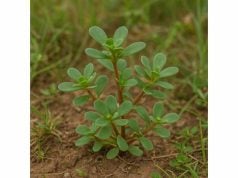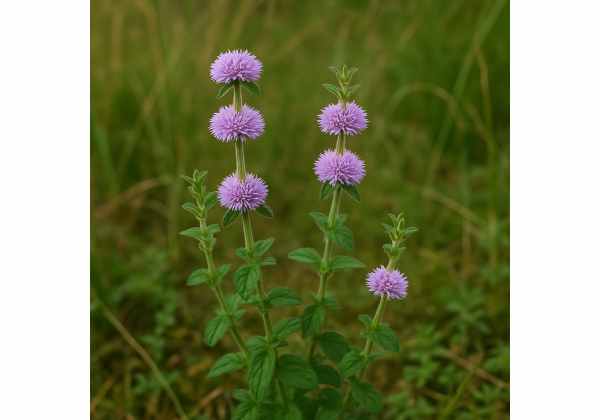
Pennyroyal, or Mentha pulegium, is one of the most debated herbs in the mint family. Traditionally, it has been used as a digestive herb, insect repellent, warming tea plant, and menstrual remedy. Its aroma is intensely minty but sharper and more resinous than peppermint, and its chemistry is far more complicated from a safety standpoint. That is what makes pennyroyal unusual: it has a real herbal history, some promising laboratory and early clinical findings, and a serious toxicology profile that cannot be treated as a footnote.
The plant contains volatile compounds such as pulegone and menthone, along with flavonoids, phenolic acids, and other secondary metabolites that help explain its antimicrobial, antioxidant, antispasmodic, and anti-inflammatory reputation. At the same time, those same compounds, especially in the essential oil, are tied to liver injury, neurological toxicity, miscarriage risk, and even death. So the right modern approach is neither to praise pennyroyal as a forgotten cure nor to dismiss it entirely. It is best understood as a potent traditional mint with narrow practical uses, limited modern human evidence, and safety concerns strong enough to shape every serious conversation about benefits, dosage, and medicinal use.
Quick Summary
- Pennyroyal has traditional digestive and antispasmodic uses, with limited modern evidence for functional dyspepsia support.
- Its essential oil shows antimicrobial and anti-inflammatory activity in laboratory studies, but that does not make it safe for internal use.
- A studied oral extract range is about 270 to 330 mg three times daily in a standardized dyspepsia trial, which does not apply to the essential oil.
- Pregnant or breastfeeding people, children, and anyone considering pennyroyal oil by mouth should avoid self-use.
Table of Contents
- What Pennyroyal Is and Why Its Reputation Is So Divided
- Key Ingredients and Medicinal Properties
- Potential Health Benefits and What the Evidence Actually Shows
- Traditional Uses and How Pennyroyal Has Been Applied
- Dosage, Preparation, and the Biggest Mistakes to Avoid
- Safety, Toxicity, Interactions, and Who Should Avoid It
What Pennyroyal Is and Why Its Reputation Is So Divided
Pennyroyal is a perennial mint native to parts of Europe, North Africa, and Western Asia, and it has long held a place in folk medicine, household herb use, and pest control. Historically, people used the leaves in teas, compresses, and aromatic bundles, and they valued the plant for digestive discomfort, colds, menstrual complaints, and insect-repelling applications. That history is real. So is the problem that followed it. Pennyroyal is not simply a stronger version of peppermint. It is a separate plant with a separate safety story, and most of the confusion around it comes from ignoring that distinction.
Part of the misunderstanding is botanical familiarity. Because pennyroyal belongs to the mint family, many readers assume it belongs in the same casual category as culinary mints. That is a mistake. The fragrance may suggest an ordinary tea herb, but pennyroyal’s chemistry is more hazardous, especially when concentrated into essential oil. Traditional use involved the leaf and aerial parts in far milder forms than the concentrated oil sold for aromatherapy, insect repellent, or folk remedies. Once people blur those forms together, the risk profile becomes dangerously distorted.
This divided reputation comes from the fact that both sides of the story are true. Pennyroyal does contain bioactive compounds that have shown antioxidant, antimicrobial, anti-inflammatory, antispasmodic, and digestive effects in various experimental settings. A human trial even suggested benefit from a standardized extract in functional dyspepsia. At the same time, pennyroyal oil is strongly associated with hepatotoxicity, seizures, renal injury, miscarriage attempts, and fatal poisoning. In other words, the herb is not a myth, but neither is the danger.
That makes pennyroyal one of those herbs where form is everything. A standardized plant extract studied under supervision is one thing. A homemade strong infusion is another. Swallowing essential oil is something else entirely, and it is the last category that has produced many of the most alarming reports. This is why good writing about pennyroyal has to resist a familiar herbal shortcut: assuming that a plant with traditional use is automatically suitable for modern self-treatment.
It is also worth noting that pennyroyal’s reputation varies by region. In some traditions it remained a digestive and aromatic plant. In others it became more closely linked to menstrual stimulation and abortion attempts, which sharply raises the risk profile. Modern evidence-aware herbalism tends to place it in a narrow, practitioner-level category rather than in broad household use. For day-to-day digestive or calming support, safer mints and mint-adjacent herbs usually make more sense. That is why pennyroyal is best approached not as a rediscovered wellness herb, but as a historically important plant whose risks set the terms of its use from the beginning.
Key Ingredients and Medicinal Properties
The best-known compound in pennyroyal is pulegone, a monoterpene ketone that largely defines the plant’s aroma, biological activity, and toxicology. In many pennyroyal essential oils, pulegone is the dominant constituent, sometimes at very high levels. Menthone, menthofuran, limonene, piperitone, and other monoterpenes may also appear depending on geography, harvest conditions, and extraction method. This variability matters because pennyroyal is not chemically identical from one batch to the next, and some chemotypes are more safety-problematic than others.
Pulegone explains much of pennyroyal’s medicinal appeal and much of its danger. On the one hand, it contributes to antimicrobial, anti-inflammatory, insecticidal, and aromatic effects that help explain why the plant was used in digestion, respiratory discomfort, and pest control. On the other hand, once ingested in concentrated form, pulegone is metabolized into toxic intermediates, including menthofuran, that can damage the liver and kidneys. This is one of the clearest examples in herbal medicine of a plant constituent being both pharmacologically interesting and clinically hazardous.
Pennyroyal is not only volatile oil, though. Reviews of Mentha pulegium also describe flavonoids, phenolic acids, tannins, saponins, and other antioxidant-related constituents. These help support the plant’s broader reputation for tissue protection, free-radical scavenging, and inflammatory modulation. In less concentrated forms, those compounds may contribute to the gentler digestive and functional effects that gave pennyroyal its place in traditional herbal practice. The trouble is that public attention often goes straight to essential oil chemistry, where the balance shifts from “interesting herbal activity” toward “real toxicological concern.”
This chemical profile helps explain why pennyroyal should not be thought of as a simple mint tea plant. Even among mints, it behaves differently. Peppermint, for example, is far better studied for digestive comfort and generally far easier to place into everyday use. That makes peppermint for digestive and respiratory support a much safer comparison point when people are really looking for a practical mint rather than a high-risk traditional herb. Pennyroyal may share the family resemblance, but not the same margin of safety.
Its medicinal properties, then, are best understood as layered rather than uniform. The herb shows plausible antispasmodic, carminative, antimicrobial, insect-repelling, antioxidant, and anti-inflammatory actions. Some studies also suggest neuroactive and smooth-muscle effects that help explain older menstrual and calming uses. But those same properties cannot be separated from the context in which they appear. With pennyroyal, chemistry never sits far away from toxicology. That does not erase the herb’s medicinal history. It does mean that any real discussion of benefits has to begin with the fact that the plant’s most famous active compound is also its main toxic driver.
Potential Health Benefits and What the Evidence Actually Shows
Pennyroyal’s benefit profile is a mix of traditional use, preclinical promise, and very limited human evidence. That balance matters because many articles flatten these categories and make the herb sound more established than it really is. A careful reading of the literature suggests that pennyroyal does have biologically plausible benefits, but the strongest claims should stay modest.
Digestive support is the area with the most relevant human evidence. A randomized, double-blind, placebo-controlled clinical trial studied a standardized Mentha pulegium extract in patients with functional dyspepsia. In that trial, the extract was used alongside famotidine, and the treatment group showed improvement in total dyspepsia score, stomach pain, upper abdominal bloating, dull ache, and belching compared with placebo. Quality-of-life measures also improved. This is meaningful because it suggests pennyroyal cannot be dismissed as a purely folkloric plant. But the trial also has limits. It involved a standardized extract, not tea or essential oil, and it was done in a specific clinical context rather than as a general recommendation for home use. The safest conclusion is that pennyroyal extract may have digestive value in carefully prepared, non-oil form, not that the plant is broadly safe or appropriate for self-treatment.
Anti-inflammatory and antioxidant activity are the next most credible themes. Laboratory and animal studies repeatedly show that pennyroyal extracts and essential oil can reduce oxidative stress markers, inhibit selected inflammatory pathways, and demonstrate meaningful free-radical scavenging activity. These findings help explain why the herb was historically used where irritation, discomfort, or inflammatory patterns were involved. Still, these are not the same as clinical outcomes in humans. A compound can perform impressively in vitro and remain either clinically unproven or clinically unsuitable because of toxicity.
Antimicrobial activity is another recurring finding. Pennyroyal essential oil has shown activity against certain bacteria and fungi and may interfere with quorum sensing in some models. That makes it interesting in food preservation, surface disinfection, and laboratory antimicrobial research. But this is exactly where people overinterpret the data. An oil that suppresses microbes in a dish is not automatically appropriate for ingestion, and pennyroyal is one of the clearest herbs where external research interest should not be translated into internal self-use.
There is also emerging interest in dermatoprotective, metabolic, and other broader functional effects. Some recent studies on pennyroyal essential oil and extracts describe anti-inflammatory skin-related effects, antidiabetic signals, and other health-supportive mechanisms. Yet pennyroyal’s safety burden remains high enough that promising pharmacology does not automatically create a practical recommendation. This is one reason readers looking for evidence-based digestive herbs are often better served by better-characterized plants such as ginger for nausea and digestive comfort. Ginger is not stronger in every laboratory assay, but it is far more usable in real life.
So what does the evidence actually show? Pennyroyal may support digestion in certain standardized extract forms. It likely has antioxidant, anti-inflammatory, and antimicrobial activity. It may also have antispasmodic value that helps explain traditional use. But it does not have a strong enough modern clinical record to outweigh casual safety assumptions. Its benefits are real enough to study and narrow enough to respect, which is a very different conclusion from calling it a safe general remedy.
Traditional Uses and How Pennyroyal Has Been Applied
Pennyroyal has been used traditionally in several very different ways, and understanding those categories helps explain why the herb developed both a practical and a dangerous reputation. In one setting, it was a household aromatic: used in teas, room bundles, crushed leaves, and household insect repellent. In another, it was a medicinal herb aimed at digestive discomfort, colds, gas, spasmodic pain, and menstrual delay. In a third, much more hazardous context, it became tied to emmenagogue and abortifacient use. These are not minor distinctions. They are the core of how pennyroyal should be interpreted.
Digestive use is probably the easiest traditional application to understand. Pennyroyal was used for bloating, heaviness, stomach cramps, gas, and sluggish digestion. The logic was similar to that of other carminative herbs: warming, aromatic plants can improve the feel of the stomach, support motility, and reduce spasm. That traditional use aligns reasonably well with the later clinical dyspepsia trial, which is why digestive support remains the most defensible low-intensity claim for the herb.
Pennyroyal was also used in respiratory and cold-season settings. Older herb traditions describe it for catarrh, feverish states, mild coughs, and general heaviness during colds. In practice, this likely reflected its warming aromatic nature more than any highly specific antiviral action. Many strong-smelling herbs were historically used in this way. The problem is that the same aromatic intensity that makes a plant attractive in inhalation or steaming traditions can become unsafe when distilled into oil and used too aggressively.
Its use for menstrual stimulation is the most historically famous and the most dangerous. Pennyroyal was long known as a plant associated with bringing on delayed menstruation, and higher-risk use emerged from that reputation. Over time, this became one of the central reasons the herb entered toxicology literature. The modern lesson is not that traditional use proves efficacy. It is that traditional use can also leave a record of harm, especially when dosage rises or concentrated oils replace crude herb.
Externally, pennyroyal has also served as an insect repellent and sometimes as a component in household pest control. That use makes chemical sense because volatile mint-family oils can repel insects. Yet even here, concentrated oil raises safety concerns, especially around children, pets, and skin contact. The fresh or dried leaves are one thing. Strong oil is another.
For readers today, the most useful takeaway is that pennyroyal’s traditional applications are interesting, but not all of them deserve revival. Some traditional uses remain conceptually understandable, such as mild digestive support or aromatic repellent use. Others are better viewed as warnings preserved by history. If the goal is calming digestive spasm or nervous stomach discomfort, gentler herbs such as lemon balm for stress-linked digestive tension often make more sense in modern self-care. Pennyroyal’s historical range is real, but modern judgment should be narrower than tradition, not broader.
Dosage, Preparation, and the Biggest Mistakes to Avoid
The most important dosage fact about pennyroyal is negative rather than positive: there is no safe recommended oral dose for pennyroyal essential oil in self-care, and it should not be taken internally. That point deserves priority because the oil is the form most closely linked with severe toxicity, liver injury, miscarriage attempts, seizures, and fatal outcomes. Any article that gives pennyroyal dosing advice without putting that sentence first is not giving useful advice.
For non-oil preparations, the evidence is much narrower. The clearest studied oral dose comes from the functional dyspepsia clinical trial, which used a standardized leaf extract in the range of about 270 to 330 mg three times daily for two months, together with famotidine. That is a research dose tied to a standardized preparation, not a blank check to improvise with homemade pennyroyal tea, tincture, or capsules. The trial does show that some controlled internal use is possible in carefully prepared extract form, but it does not erase the plant’s underlying toxicology.
Historical herbal sources have described broader gram-level dosing for dried aerial parts, infusions, extracts, and tinctures. The problem is that these traditional ranges vary, preparation quality is inconsistent, and the relationship between dried herb use and concentrated pulegone exposure is not straightforward. That is why modern evidence-aware guidance should be more conservative than historical dosing charts. The herb is too variable, and the safety stakes are too high, to treat old dosage tables as plug-and-play instructions.
The biggest preparation mistake is confusing herb with oil. Readers often assume that because a plant can be made into tea, its essential oil is just a stronger version of the same thing. That is not how pennyroyal works. The essential oil is a concentrated chemical product dominated by compounds that are precisely the reason for concern. A second common mistake is assuming dried leaf tea is automatically harmless because it feels mild. Even if small leaf amounts are far safer than the oil, that does not mean routine or high-dose use is a good idea.
A sensible practical hierarchy looks like this:
- Avoid internal use of pennyroyal essential oil.
- Treat any oral use of pennyroyal herb as specialist rather than casual.
- If a practitioner uses pennyroyal extract, standardized preparations matter.
- Do not use the herb as a substitute for safer options when the goal is ordinary digestive or cramp support.
This is especially relevant in menstrual pain or spasm-related complaints. A plant can be traditionally antispasmodic and still be a poor self-care choice if the safety margin is narrow. For that reason, people looking for a gentler comparison often fit more comfortably with cramp bark for antispasmodic support than with pennyroyal. The lesson is not that dosage is unimportant. It is that with pennyroyal, preparation and purpose matter even more than the number itself.
Safety, Toxicity, Interactions, and Who Should Avoid It
Safety is the defining issue with pennyroyal. The concentrated oil has a well-documented history of severe poisoning, including liver failure, kidney injury, seizures, cardiovascular collapse, and death. These outcomes are primarily linked to pennyroyal oil rather than to every mild traditional leaf preparation, but that distinction should not create false comfort. Pennyroyal is not a simple food herb with an isolated overdose problem. It is a plant whose best-known constituent, pulegone, is itself a toxicology concern, especially in concentrated forms.
The liver is a major target. Toxicity reviews and LiverTox describe pennyroyal oil as a direct cytotoxin, with pulegone metabolized by hepatic pathways into toxic intermediates such as menthofuran. These metabolites can deplete glutathione and contribute to acute hepatic necrosis and multiorgan injury. Clinically, severe poisoning may begin with nausea, vomiting, abdominal pain, agitation, or dizziness and then progress into hepatic failure, coagulopathy, renal dysfunction, neurological symptoms, and shock. This progression is one reason pennyroyal poisoning is so dangerous: early symptoms can resemble a bad gastrointestinal reaction before the deeper organ damage fully declares itself.
Pregnancy is a strict avoid category. Pennyroyal’s historical use as an emmenagogue and abortifacient is not a traditional curiosity that can be safely separated from modern practice. Animal research confirms reproductive and fetal toxicity concerns, and the herb should be considered unsafe in pregnancy in any medicinal amount. Breastfeeding is also a clear avoid situation because safety is not established and the toxicology risk is too serious to justify experimentation.
Children should not be given pennyroyal medicinally, and pennyroyal oil should be kept completely out of reach. Small bodies have less margin for error, and poison reports make it clear that even limited exposures can be dangerous. The same caution applies to pets.
Interaction data are limited, but limited does not mean reassuring. Because pennyroyal affects the liver and contains biologically active terpenes, it is sensible to avoid combining it with other hepatotoxic substances, alcohol-heavy self-medication, or drugs that place meaningful metabolic load on the liver without professional guidance. People with existing liver disease, kidney disease, seizure history, or highly reactive gastrointestinal systems should also avoid it.
Topical caution matters too. Pennyroyal oil can irritate skin, and fresh plant contact may also be problematic in sensitive individuals. If irritation occurs, the answer is not more pennyroyal in another form. Supportive, non-irritating care is more sensible, and a gentler plant such as aloe vera for irritated skin support is a better model for what soothing care should look like.
The most practical summary is simple. Pennyroyal leaf traditions explain why the plant remained in herbal medicine. Pennyroyal oil toxicology explains why it never became a comfortable modern self-care herb. People searching for “pennyroyal benefits” usually need that sentence more than they need another list of possible uses. With this plant, the safest benefit is often knowing when not to use it.
References
- Mentha Pulegium: A Plant with Several Medicinal Properties 2024 (Review)
- Mentha pulegium L.: A Plant Underestimated for Its Toxicity to Be Recovered from the Perspective of the Circular Economy 2021 (Review)
- Screening of the Potential Bioactivities of Pennyroyal (Mentha pulegium L.) Essential Oil 2021
- Efficacy of Mentha pulegium extract in the treatment of functional dyspepsia: A randomized double-blind placebo-controlled clinical trial 2017 (RCT)
- Mentha pulegium L. (Pennyroyal, Lamiaceae) Extracts Impose Abortion or Fetal-Mediated Toxicity in Pregnant Rats; Evidenced by the Modulation of Pregnancy Hormones, MiR-520, MiR-146a, TIMP-1 and MMP-9 Protein Expressions, Inflammatory State, Certain Related Signaling Pathways, and Metabolite Profiling via UPLC-ESI-TOF-MS 2022
Disclaimer
This article is for educational purposes only and is not medical advice. Pennyroyal is a high-risk herb, especially in essential oil form, and it should not be used as a substitute for professional diagnosis, poison advice, pregnancy care, or treatment of significant digestive, menstrual, liver, or neurological symptoms. Seek immediate medical help after any pennyroyal oil ingestion or concerning reaction.
If you found this article useful, please share it on Facebook, X, or your preferred platform to help others find careful, evidence-aware herbal information.