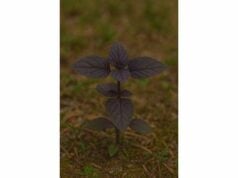
Phyllanthus emblica, better known as amla or amalaki, is one of the most respected fruits in South Asian herbal tradition. Although the genus Phyllanthus includes many species, this article focuses specifically on Phyllanthus emblica, the tart, green-yellow fruit widely used in Ayurveda, functional foods, tonics, powders, and modern skincare. Its appeal comes from a rare combination of traditional depth and modern scientific interest. Amla is rich in vitamin C, tannins, phenolic acids, and other polyphenols that help explain its antioxidant reputation and its long use for digestion, vitality, skin health, and metabolic balance.
Today, amla is studied not only as a traditional rejuvenative fruit but also as a practical support for oxidative stress, lipid balance, endothelial function, and topical skin aging. Some benefits are better supported than others, and the form matters a great deal. Fresh fruit, dried powder, standardized extract, and topical products each create a different experience. The best way to understand amla is not as a cure-all, but as a well-known medicinal fruit with strong antioxidant chemistry, promising cardiometabolic support, and a generally thoughtful place in modern herbal practice.
Key Takeaways
- Phyllanthus emblica may support antioxidant defenses and help reduce oxidative stress.
- It has promising evidence for lipid balance, endothelial support, and broader cardiometabolic wellness.
- Common studied extract doses range from 250 to 500 mg twice daily.
- People who are pregnant, breastfeeding, taking multiple medicines, or managing liver concerns should avoid unsupervised medicinal use.
Table of Contents
- What Phyllanthus emblica is and why it stands out
- Key ingredients and active compounds in Phyllanthus emblica
- Phyllanthus health benefits with the strongest support
- What modern research actually suggests
- How Phyllanthus emblica is used in traditional and modern practice
- Dosage, timing, and practical use guidance
- Safety, side effects, interactions, and who should avoid it
What Phyllanthus emblica is and why it stands out
Phyllanthus emblica is a small to medium-sized tree whose fruit has been valued for centuries in Ayurveda, regional food traditions, and household herbal practice. The fruit is usually called amla or amalaki and is famous for its sharply sour taste, firm texture, and unusually broad medicinal reputation. It is eaten fresh, salted, dried, candied, powdered, juiced, preserved, or incorporated into classic formulas such as triphala. In herbal medicine, it has long been treated as more than just food. It is often described as a restorative fruit that supports digestion, resilience, skin, and healthy aging.
One reason amla stands out is that it occupies several roles at once. It is a fruit, a traditional herb, a nutraceutical ingredient, and a topical cosmetic botanical. Many plants fit only one or two of those categories. Amla moves across all of them. That helps explain why it remains relevant in both traditional and modern settings. Someone may encounter it as a powder stirred into warm water, a capsule marketed for cholesterol support, or a serum ingredient chosen for skin barrier care and antioxidant support.
It also stands out because its reputation is not built on one narrow claim. Some herbs are mainly digestive. Others are mainly calming or topical. Amla has a broader profile, with repeated interest in antioxidant activity, vascular support, lipid balance, glycemic control, digestive tone, and tissue protection. The challenge, of course, is that broad reputation can easily turn into exaggerated marketing. Amla is promising and well-loved, but it is still best understood as a supportive medicinal fruit rather than a substitute for standard care.
Another important point is naming. The title uses “Phyllanthus,” but the medicinal discussion belongs specifically to Phyllanthus emblica. The genus contains many species, and they do not all share the same evidence base. In practice, when people talk about amla, amalaki, or Indian gooseberry in health writing, they mean Phyllanthus emblica. That species-specific clarity matters for both safety and usefulness.
From a modern reader’s point of view, amla is probably most compelling when viewed as a bridge between tradition and phytochemistry. It has a long place in classical systems, yet it also contains well-studied tannins, phenolic acids, flavonoids, and vitamin C. That combination makes it easier to take seriously than many herbs known only from folklore. For readers already interested in classical rejuvenative herbs, amla also sits naturally beside ashwagandha in broader traditional wellness practice, though the two plants have very different chemistry and primary uses.
The most grounded way to think about amla is this: it is a deeply traditional medicinal fruit with credible antioxidant and cardiometabolic potential, meaningful topical interest, and a better evidence base than many “superfruit” claims on the market today.
Key ingredients and active compounds in Phyllanthus emblica
Amla’s medicinal value starts with its chemistry. People often reduce the fruit to “high vitamin C,” but that is only part of the story. In fact, one of the most useful things to understand about Phyllanthus emblica is that its reputation depends not just on ascorbic acid, but on a wider matrix of tannins, phenolic acids, flavonoids, and other plant compounds that appear to work together.
Among the most important compounds are hydrolysable tannins such as emblicanin A and emblicanin B, along with punigluconin and pedunculagin. These are frequently discussed because they contribute strongly to the fruit’s antioxidant activity and help explain why amla remains chemically active even after processing. Amla also contains gallic acid, ellagic acid, quercetin-related flavonoids, and other polyphenols that add to its anti-inflammatory and redox-balancing potential.
Vitamin C is still highly relevant, but it should not be treated as the only active principle. Amla behaves differently from a plain vitamin C tablet because it comes with a dense background of polyphenols and tannins. That matters in real life. Amla’s tartness, astringency, and oxidative-stress support are tied to the whole fruit matrix, not to isolated ascorbic acid alone. This is one reason amla has stayed important in both food and medicine. It offers a broader phytochemical package than many fruits used mainly for flavor.
The fruit also contains minerals, amino acids, pectin-like fiber components, and smaller bioactive molecules that likely contribute to digestive and metabolic effects. Depending on the preparation, leaf, bark, and branch extracts may have somewhat different phenolic profiles than the fruit itself. This is especially relevant in topical skincare, where branch and fruit extracts may be chosen for anti-aging or protective formulations rather than for oral use.
From a practical standpoint, amla’s chemistry can be grouped into four broad buckets:
- vitamin C and related antioxidant nutrients
- tannins and hydrolysable polyphenols
- phenolic acids and flavonoids
- supportive food-matrix compounds such as fiber-related constituents
This mixed profile helps explain why amla is discussed in so many areas, from immune-season products to metabolic supplements and skincare. It is also why the herb should not be judged only by one number on a label. A product that merely says “vitamin C from amla” may miss much of what makes the plant medicinally distinctive.
Compared with herbs prized mainly for catechins, such as green tea and its polyphenol-rich antioxidant profile, amla leans more heavily on tannins, phenolic acids, and fruit-based antioxidant complexity. That makes its chemistry feel less like a classic tea herb and more like a concentrated medicinal fruit.
The main takeaway is that amla is biochemically dense. Its best-known benefits likely come from synergy across compounds rather than a single dominant molecule. That is a good reason to prefer clearly identified fruit-based products over vague formulations that use the name without meaningful standardization.
Phyllanthus health benefits with the strongest support
Amla is linked with many benefits, but some stand out as more credible and better supported than others. The strongest areas are antioxidant support, lipid and cardiometabolic wellness, endothelial and vascular function, and topical skin-related uses. Other claims, such as broad immune enhancement or generalized anti-aging, are plausible but easier to oversell.
Antioxidant support is the foundation of amla’s reputation. This is not just a generic label. The fruit’s tannins, vitamin C, and polyphenols are genuinely capable of influencing oxidative stress pathways, and this may help explain why amla appears in traditions concerned with vitality, tissue resilience, and healthy aging. Still, “antioxidant” should be read as a biologic tendency, not as proof that the herb prevents every disease associated with oxidative stress.
Cardiometabolic support is one of the most practical modern uses. Clinical and review-level evidence suggests that amla may help improve LDL cholesterol, HDL cholesterol, triglyceride patterns, inflammatory markers such as hsCRP, and endothelial function in some populations. The effect sizes are not the same as prescription treatment, but they are meaningful enough to justify cautious interest. This is one of the few areas where amla moves beyond vague wellness language into a more usable health conversation.
Amla also has a traditional and plausible role in digestion. Its sour, astringent character and fruit chemistry make it relevant to digestive tone, appetite, and post-meal balance. In Ayurveda it is often considered balancing rather than aggressively stimulating. That makes it different from sharper digestive herbs. Someone looking for a warmer, more directly anti-nausea herb may still find ginger for digestive comfort and motility support a more immediate fit, but amla has its own quieter digestive role.
Topical and skin-aging support is another strong area. Amla extracts have been studied for antioxidant protection, skin elasticity, hydration, pigmentation balance, and wrinkle-related outcomes. This is one reason amla appears so often in hair oils, scalp products, barrier serums, and skin-repair formulas. It is not only a traditional beauty herb. It also has enough mechanistic and clinical interest to justify that modern use.
Other promising areas include mild glycemic support, liver-protective interest, and support for vascular health. These should still be discussed with caution. Amla is promising, but it is not a stand-alone treatment for diabetes, fatty liver, or hypertension.
The most grounded summary of amla’s benefits looks like this:
- strongest general foundation: antioxidant and polyphenol support
- strongest practical modern use: lipid and vascular wellness
- strongest topical use: skin-aging and barrier-related support
- strongest traditional use: digestion, vitality, and broad restorative support
That profile is substantial, but it stays credible by avoiding exaggeration. Amla is at its best when used as a supportive medicinal fruit with multiple moderate strengths, not when marketed as a miracle answer to every chronic condition.
What modern research actually suggests
Modern research on Phyllanthus emblica is encouraging, especially in cardiometabolic and topical areas, but it still calls for a measured reading. The strongest human data do not show that amla cures disease. They show that certain standardized fruit extracts may improve selected biomarkers and physiologic measures in some groups.
One of the more useful findings comes from randomized clinical work on metabolic syndrome. In this setting, standardized aqueous extracts of amla fruit improved endothelial function and also improved markers linked with oxidative stress, inflammation, and lipid profile. The most favorable results were generally seen with the higher studied dose. That matters because it shows amla can do more than test well in a laboratory. It can produce measurable changes in living people under controlled conditions.
Systematic review work on cardiovascular disease risk factors points in a similar direction, though with appropriate caution. Across multiple trials, amla consumption has been associated with improvements in LDL cholesterol, VLDL, HDL, triglycerides, and hsCRP. However, the literature also shows heterogeneity. Different studies use different extracts, populations, durations, and product qualities. This means the overall direction is promising, but not every product on a store shelf should be assumed to reproduce the same outcome.
Skin research is another area where modern evidence is especially practical. Topical formulations containing Phyllanthus emblica extracts have shown benefits related to skin elasticity, hydration, wrinkle appearance, and pigmentation. These effects fit well with what the plant’s antioxidant and phenolic chemistry would predict. Importantly, they also show that amla belongs in skincare for more than branding purposes.
The evidence is less settled for broader claims such as major blood sugar control, cancer prevention, or universal immune enhancement. There are laboratory and animal studies that make these ideas interesting, but the human evidence is not equally strong across those areas. This is where a good article should slow down rather than speed up.
The research picture, then, is best described in layers:
- human clinical support is strongest for lipid balance, endothelial function, and related cardiometabolic markers
- topical evidence is promising for skin aging and skin quality
- mechanistic evidence is strong for antioxidant and anti-inflammatory activity
- broader disease-treatment claims remain ahead of the evidence
This pattern is common in herbal medicine. A plant can be genuinely valuable without being universally proven. Amla is a good example. It has enough human data to deserve serious attention, especially for metabolic and topical uses, but not enough to justify grand claims. Readers comparing it with more clearly established cardiometabolic herbs may find garlic in modern heart-health herbal use a helpful point of comparison, because both plants have promising data but work through different chemical pathways and traditions.
The most honest conclusion is that amla has moved well beyond folklore, but it has not outgrown the need for careful product choice, realistic expectations, and context.
How Phyllanthus emblica is used in traditional and modern practice
Amla is unusually versatile in practice. Traditional systems use the fruit fresh, dried, powdered, infused, decocted, preserved, and combined with other herbs. Modern practice adds capsules, standardized extracts, juices, concentrates, gummies, serums, masks, shampoos, and scalp oils. This wide range is one reason the herb can feel confusing. The same plant appears in a breakfast tonic, a clinical supplement, and a skin-brightening product, yet each form serves a different purpose.
In traditional use, amla is often thought of as a balancing and restorative fruit. It is commonly used for digestion, tissue nourishment, general resilience, and seasonal support. In formula traditions, it is often paired with other herbs rather than used alone. That combination logic matters. Amla is not always meant to act like an aggressive single herb. Sometimes its role is to steady, protect, or moderate the action of other plants.
In food-like practice, amla may be eaten fresh, salted, pickled, candied, or powdered. These forms can support dietary diversity and offer a practical route for people who want a gentle, consistent relationship with the herb. Amla powder can also be mixed into warm water or blended into routines where taste tolerance allows. The fruit is intensely sour and astringent, so daily use often depends on preparation.
Modern supplements usually focus on standardized extracts. This is particularly relevant for people interested in cholesterol, oxidative stress, or vascular support, because the research is easier to connect with extract-based products than with casual homemade preparations. Extracts also offer more predictable dosing than fresh fruit.
Topical practice is equally important. Amla is common in skin and hair care because its antioxidant and phenolic profile makes it appealing for aging skin, scalp care, and barrier support. This is a different use category from internal supplementation and should be treated that way. A person may benefit from an amla-containing serum without needing an oral capsule, and vice versa.
Amla also gets discussed for cognition and mental clarity, though here it occupies a softer role than herbs designed more specifically for memory and focus. Readers seeking a more classic nootropic comparison may look at bacopa for memory and mental performance, while seeing amla as a broader resilience-supportive herb rather than a direct cognitive stimulant.
The best practical way to use amla depends on the goal:
- fresh or food-like forms for gentle dietary integration
- standardized extracts for metabolic or vascular support
- topical products for skin and scalp concerns
- classical formulas when guided by tradition or a qualified practitioner
This is why “How should I use amla?” has no single answer. The form should match the purpose. Good herbal practice is not just about choosing the right plant. It is about choosing the right preparation for the effect you actually want.
Dosage, timing, and practical use guidance
Dosage for amla varies by form, and this is one of the most important practical points. Fresh fruit, dried powder, and standardized extracts are not interchangeable. Most of the stronger clinical data come from standardized aqueous fruit extracts rather than from casual food use, so readers should not assume that one spoonful of powder equals a clinical trial dose.
A reasonable place to begin is with the extract range used in human cardiometabolic studies: 250 to 500 mg twice daily. This range has been studied over periods such as 8 to 12 weeks and is one of the clearest dosage patterns connected to measurable outcomes in endothelial function, oxidative stress markers, inflammation, and lipids. For many readers, this is the most practical medicinal range to understand because it belongs to a real clinical context rather than to vague supplement folklore.
Traditional powdered fruit use is broader and harder to standardize. Depending on the product and tradition, people may use several grams per day, often divided into one or two servings. But because powder strength and extract ratio vary, product-specific guidance matters more here than trying to force a universal number.
Timing depends on the goal. For cardiometabolic support, amla is often taken with meals or after meals, partly because that fits the studied patterns and partly because it may improve tolerance. For general digestive or restorative use, many people also prefer taking it with food or in a formula rather than on a completely empty stomach. Topical use follows a different logic altogether and is usually guided by product directions, often once or twice daily.
A sensible real-world framework looks like this:
- standardized extract: 250 to 500 mg twice daily
- take with meals if using internally
- use consistently for several weeks before judging effect
- treat fresh fruit and powder as different categories from standardized extracts
- do not stack multiple amla products without a reason
One more point matters: longer use is not automatically better. Amla is often described in tradition as gentle enough for regular use, but that should not encourage vague, indefinite self-dosing. It is better to use a clear goal, a clear form, and a clear time frame, then reassess.
People also make the mistake of combining amla with several other metabolic supplements all at once, making it impossible to know what is doing what. If the goal is general liver and antioxidant support, some readers may compare amla with milk thistle in liver-focused herbal routines, but those herbs are not identical in evidence, chemistry, or best-use case.
The best dosage advice is simple and calm: use the studied extract range when choosing internal products, match timing to meals, keep the goal specific, and let the form guide expectations. That approach is more useful than chasing the biggest number on a label.
Safety, side effects, interactions, and who should avoid it
Amla is generally regarded as reasonably well tolerated when used in food amounts and in sensible supplement ranges, but it is not risk-free. Most people think first about its benefits and only later about the fact that a polyphenol-rich medicinal fruit can still create side effects, interactions, or mismatched expectations.
Possible side effects of internal use may include stomach discomfort, reflux-like irritation in sensitive people, loose stools, or nausea, especially if a person takes a large amount of powder or extract too quickly. The fruit is intensely sour and astringent, which may suit some digestive constitutions and annoy others. Topical products can also irritate reactive skin, particularly if they are part of multi-ingredient formulas with acids, fragrance, or other active compounds.
One area that deserves more caution is drug interaction potential. Because amla may influence blood sugar, lipid markers, inflammation, or vascular function, people taking diabetes medicines, anticoagulants, antiplatelet drugs, or multiple cardiometabolic medications should avoid experimenting casually. The goal is not to suggest that amla is highly dangerous. It is to recognize that biologically active plants can matter more when combined with prescription treatment.
Pregnancy and breastfeeding are also times for restraint. Food use is one thing, but medicinal self-treatment with extracts is another. The evidence base is not strong enough to encourage unsupervised supplemental use in those settings. Children, too, should not be given concentrated amla products casually just because the fruit has a healthy image.
Liver caution is worth mentioning as a general principle. Amla is often framed as liver-supportive in tradition, but that should not be taken to mean any concentrated botanical is automatically ideal for people with active liver disease or complex medication regimens. In those situations, professional guidance matters more than internet enthusiasm.
Who should be especially careful or avoid self-treatment?
- pregnant or breastfeeding individuals
- people taking blood sugar or blood-thinning medicines
- those with active digestive irritation or very sensitive stomachs
- people with complex liver conditions or many prescription drugs
- anyone using unidentified, mixed, or low-quality amla products
A good rule is to distinguish food use from medicinal use. Eating amla in culinary amounts is different from taking high-dose extracts for weeks. The same distinction helps with topical products as well. A mild shampoo or serum is not the same as a concentrated internal supplement.
The bottom line is reassuring but precise. Amla can be a useful medicinal fruit when clearly identified, reasonably dosed, and matched to the right goal. Most safety problems come not from the plant itself, but from excess, stacking, unclear labeling, or ignoring medication context. Used thoughtfully, it fits best as a supportive herb, not an all-purpose replacement for medical care.
References
- Phyllanthus emblica: a comprehensive review of its phytochemical composition and pharmacological properties 2023 (Review)
- Functional and Nutraceutical Significance of Amla (Phyllanthus emblica L.): A Review 2022 (Review)
- Clinical effects of Emblica officinalis fruit consumption on cardiovascular disease risk factors: a systematic review and meta-analysis 2023 (Systematic Review)
- Evaluation of the effects of a standardized aqueous extract of Phyllanthus emblica fruits on endothelial dysfunction, oxidative stress, systemic inflammation and lipid profile in subjects with metabolic syndrome: a randomised, double blind, placebo controlled clinical study 2019 (RCT)
- Phyllanthus emblica L. (amla) branch: A safe and effective ingredient against skin aging 2021
Disclaimer
This article is for educational purposes only and is not medical advice. Phyllanthus emblica, also called amla or amalaki, has promising traditional and modern uses, but it is not a substitute for diagnosis, prescription treatment, or urgent care. Standardized extracts, powders, and topical products can behave differently, and safety depends on dose, product quality, and personal health context. Speak with a qualified healthcare professional before using amla medicinally if you are pregnant, breastfeeding, take prescription medicines, or manage a chronic condition.
If this article was helpful, please share it on Facebook, X, or your preferred platform so others can benefit from it as well.