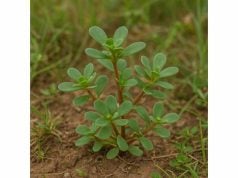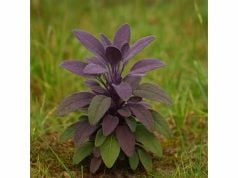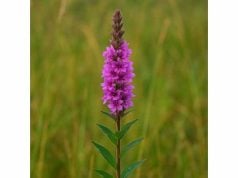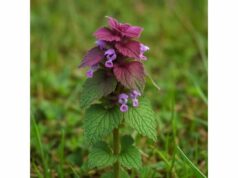
Pineapple mint is one of the most appealing members of the mint family, but it is also one of the easiest to oversimplify. Botanically, it is a variegated cultivar of apple mint, Mentha suaveolens, grown for its soft, fuzzy leaves, creamy white margins, and bright fruity scent. In the kitchen, it is valued for fresh teas, fruit dishes, syrups, and garnishes. In herbal use, it is usually approached as a gentle aromatic herb with likely digestive, antioxidant, and mildly soothing properties. Still, there is an important distinction to make early: most scientific evidence applies to Mentha suaveolens as a species, while pineapple mint itself has only limited cultivar-specific research.
That does not make the plant unimportant. It means the most honest way to understand pineapple mint is as a culinary and light herbal mint whose benefits are plausible, partly studied, and strongest when the leaves are used fresh or in mild infusions. Essential-oil claims should be handled more carefully, because mint chemotypes vary and concentrated oils do not behave like a cup of tea. For most people, pineapple mint is best appreciated as a fragrant food herb first and a modest medicinal plant second.
Quick Overview
- Pineapple mint is best supported as a fresh culinary and tea herb with likely digestive-settling and antioxidant value.
- The strongest research themes come from Mentha suaveolens and include antimicrobial, anti-inflammatory, and aromatic plant activity.
- A practical tea range is about 1 to 2 teaspoons fresh leaves or about 1 teaspoon dried leaf per 240 mL cup.
- Pregnant people, very young children, and anyone considering concentrated essential oil use should avoid medicinal self-use beyond ordinary food amounts.
Table of Contents
- What Pineapple Mint Is and What Makes It Different
- Key Ingredients and Medicinal Properties
- Potential Health Benefits and What the Evidence Really Supports
- How Pineapple Mint Is Used in Tea, Food, and Herbal Practice
- Dosage, Timing, and Practical Preparation
- Safety, Side Effects, and Who Should Avoid It
What Pineapple Mint Is and What Makes It Different
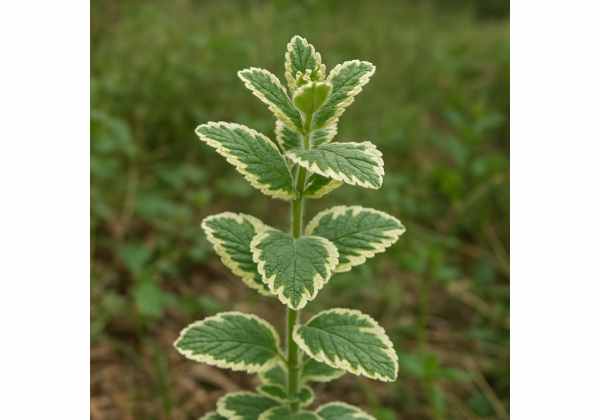
Pineapple mint is not a separate species. It is a variegated cultivar of apple mint, Mentha suaveolens, usually written as Mentha suaveolens ‘Variegata’. Gardeners know it for its soft, slightly hairy leaves edged in cream or white and for its fruity, minty aroma that feels lighter than peppermint and sweeter than many sharper mints. That appearance matters because the cultivar’s identity is tied just as much to texture and fragrance as to flavor. It is often grown as an ornamental herb, fragrant groundcover, container plant, or edible garnish long before anyone thinks of it as a medicinal plant.
This is where many herbal articles start to drift. They treat pineapple mint as though it has the same level of direct evidence as peppermint or even as though every claim made for the genus Mentha belongs equally to this cultivar. That is not the case. Most of the published chemistry and pharmacology work applies to Mentha suaveolens more broadly, while only a smaller number of studies refer specifically to pineapple mint or to Mentha suaveolens var. variegata. The distinction is not a technicality. It changes how confidently any health claim should be framed.
Even so, there is a meaningful case for pineapple mint as a useful herb. Its scent profile and easy palatability make it especially suited to food and infusion use. That matters because herbs that are pleasant enough to use regularly in daily life often end up being more useful than harsher herbs with bigger claims. Pineapple mint belongs to that practical group. It is easy to pair with fruit, chilled drinks, salads, desserts, and mild teas, which means people are more likely to use it consistently and gently rather than as a high-dose intervention.
The plant also has a useful place in the wider mint family story. It sits closer to apple mint than to peppermint in feel. The aroma is softer, rounder, and less aggressive. Many people who find peppermint too intense or too cooling prefer pineapple mint in food or tea. That makes it a helpful bridge between culinary herbs and traditional herbal use. In sensory terms, it also overlaps with other gentle aromatic plants such as lemon balm, where fragrance, mood, and digestion often meet in the same cup.
What makes pineapple mint different, then, is not that it has a completely unique medicinal system of its own. It is that it takes the broader Mentha suaveolens profile and expresses it in a milder, more food-friendly form. The practical implication is simple. Pineapple mint is best understood as a low-intensity aromatic herb with likely digestive and antioxidant support, a strong culinary identity, and only limited cultivar-specific medical evidence. That is not a weak conclusion. It is the one that best matches the plant as it is actually used.
Key Ingredients and Medicinal Properties
Pineapple mint’s medicinal character begins with its volatile oils, but it does not end there. Like other members of Mentha suaveolens, it contains a mix of monoterpenes and other aromatic compounds that help create its fragrance and shape its biological activity. Depending on where and how the plant is grown, major constituents may include piperitenone oxide, piperitone oxide, pulegone, limonene, menthone, and related compounds. This is one reason the literature on the plant can seem inconsistent. The chemotype can vary, and a mint grown in one region may not match the oil profile of a plant grown elsewhere.
That variability matters a great deal for both benefits and safety. In one cultivar-focused study on fruit-scented mints, pineapple mint essential oil was rich in piperitone oxide and showed strong antioxidant-related potential in extract form. In other Mentha suaveolens studies, piperitenone oxide or even more concerning compounds such as pulegone were more prominent. So when people speak about “pineapple mint oil” as though it is a single fixed substance, they are simplifying something that is actually more chemically fluid.
Beyond volatile oils, pineapple mint also appears to offer the broader plant chemistry typical of mint species: flavonoids, phenolic acids, terpenoids, and other antioxidant-associated compounds. These are often less dramatic than essential oil constituents in marketing language, but they may matter more for the kinds of everyday effects people actually experience from tea or fresh leaf use. A warm infusion does not deliver the same chemistry as a distilled oil. It is more likely to emphasize water-soluble and gently aromatic compounds than the concentrated volatile fraction.
This difference helps explain the herb’s likely medicinal properties. In practical herbal language, pineapple mint can reasonably be described as aromatic, mildly carminative, gently antispasmodic, antioxidant-active, and possibly supportive in mild inflammatory or microbial contexts. But every one of those terms should be read with the right scale in mind. This is not a pharmaceutical-strength plant in normal kitchen use. It is a mild, useful herb whose chemistry makes its traditional roles plausible.
It is also worth noticing that pleasant flavor can itself be medicinally relevant. A mint that is softer and more agreeable than peppermint is easier to drink in infusions, easier to use in fruit-rich meals, and easier to include in hydration-supporting drinks. In real life, that can matter just as much as whether a constituent looks impressive in a lab table. Many people benefit most from herbs they will actually use, not herbs that sound most potent on paper.
Compared with classic stronger mints, pineapple mint fits more comfortably into the “gentle aromatic” category. It is less forceful than peppermint, less obviously pungent than pennyroyal, and often more approachable in food than medicinal mints with sharper oil profiles. In that sense, it shares some practical ground with chamomile and other mild calming herbs, though its chemistry is clearly mint-like rather than floral. Its medicinal profile is real, but it is best expressed through fresh leaf use and mild preparations rather than through concentration for its own sake.
Potential Health Benefits and What the Evidence Really Supports
The most useful way to talk about pineapple mint benefits is to separate what is strongly practical from what is scientifically promising. The practical case comes first. Pineapple mint is an aromatic herb that may help make digestion feel easier, encourage fluid intake when used in teas or fruit drinks, and contribute gentle antioxidant plant compounds through regular culinary use. These are modest benefits, but they are also the ones most likely to matter in everyday life.
The experimental evidence adds a second layer. Studies on Mentha suaveolens and on pineapple mint-related material suggest antioxidant activity, antimicrobial effects, and some anti-inflammatory or pain-modulating potential. One cultivar-related study found that pineapple mint extracts had especially strong flavonoid content and notable antioxidant activity among several fruit-scented mints. Other work on Mentha suaveolens essential oil found broad antimicrobial activity and chemically plausible biological effects. This supports the idea that pineapple mint is not just a pleasant garnish. It belongs to a biologically active mint group with real pharmacological interest.
Still, the jump from laboratory activity to human outcomes should be handled carefully. Antioxidant capacity in an assay does not guarantee a measurable clinical effect after a cup of tea. Antibacterial activity against cultured strains does not mean the plant should be used as an infection treatment. Anti-inflammatory effects in an animal model do not automatically make pineapple mint an evidence-based pain herb. This is where many health articles overreach. The research justifies interest, not exaggeration.
For digestion, pineapple mint makes the most sense as a light aromatic aid rather than as a treatment. Its likely usefulness comes from the classic mint-family combination of fragrance, mild carminative action, and a tendency to make the stomach feel less heavy after meals. In practical herbal use, that means it may help most when the complaint is mild bloating, sluggishness after food, or stress-linked digestive discomfort. Readers looking for a stronger digestive herb usually fit more naturally with options such as fennel, which has clearer traditional digestive positioning.
There is also an aromatic well-being angle. Pineapple mint’s scent is one of its most valuable traits, and while “eliminate fatigue” is too strong a claim in strict evidence terms, many aromatic herbs can make people feel mentally fresher or less burdened by sensory heaviness. That does not need to be oversold as neurochemistry to be meaningful. Pleasant aromatic plants often support well-being through use patterns that are simple, repeatable, and calming.
The evidence, then, supports a balanced conclusion. Pineapple mint likely offers mild digestive support, antioxidant potential, and useful aromatic value. It may also show antimicrobial and anti-inflammatory properties in concentrated extract or essential-oil studies. But the best-supported human use is still as a fresh herb or infusion in the mild range, not as a concentrated medicinal intervention. This is exactly why pineapple mint belongs in a food-and-herb discussion rather than in a supplement-cure framework. Its strengths are real, but they are strongest where gentleness, flavor, and repeatable use come together.
How Pineapple Mint Is Used in Tea, Food, and Herbal Practice
Pineapple mint is at its best when used the way the plant seems designed to be used: fresh, fragrant, and lightly handled. Unlike some medicinal herbs that become more interesting as they are concentrated, pineapple mint often shines most in simple preparations. Fresh leaf infusions, fruit salads, chilled waters, syrups, soft desserts, and gentle herbal teas all make better practical sense than heavy extraction or aggressive reduction. That pattern is worth emphasizing because it keeps the herb in the range where its pleasantness and likely benefits overlap.
Tea is the most obvious bridge between food and herbal use. Fresh leaves can be bruised or lightly crushed and steeped in hot water for a mild infusion with a softer aromatic profile than peppermint. This makes pineapple mint especially useful for people who enjoy mint tea but want something rounder, sweeter, and less cooling. The flavor pairs well with citrus, pineapple, berries, green tea, and light honey-based preparations. In that form, the herb works less like a corrective medicine and more like a calming aromatic ritual that happens to support gentle digestion as well.
In food, pineapple mint is unusually versatile. The leaves can be sliced thinly into fruit salads, muddled into sparkling water, folded into yogurt-based sauces, added to simple syrups, or used as a garnish over melon, stone fruit, or tropical fruit. Because the scent carries a subtle fruity note, the herb often contributes more than a generic mint leaf would in sweet-savory dishes. It is one of the rare mints that can feel completely at home in desserts without making the dish taste like candy or toothpaste.
Traditional herbal practice tends to use Mentha suaveolens more broadly for digestion, mild colds, light discomfort, and aromatic support, but pineapple mint itself is more commonly treated as a culinary-medicinal cultivar than as a formal medicinal drug herb. That is an important distinction. It means the plant’s everyday usefulness may matter more than its historical prestige. A herb that gets into cups, salads, and drinks regularly often does more for a person’s routine than one that sits unused because it feels too medicinal.
There is also a sensory reason to prefer fresh use. Some pineapple mint growers and herbal sources note that the cultivar loses part of its charm when dried or heavily cooked. The flavor flattens faster than sturdier mints do. So if the goal is aroma and pleasant mildness, fresh leaves are usually the best choice. Drying is still possible, but it should be treated as a convenience rather than as the gold standard.
For blended herb use, pineapple mint pairs naturally with gentler aromatic plants. In calming evening teas or soft digestive blends, it sits especially well beside lavender or lemony herbs. In brighter daytime blends, it works well with citrus peel or ginger. The pattern here is simple: pineapple mint is most useful when it remains recognizably itself. The closer it stays to fresh-leaf culinary herbalism, the more convincing and enjoyable its role becomes.
Dosage, Timing, and Practical Preparation
Pineapple mint does not have a standardized medicinal dose established by modern clinical trials. That is the first thing to keep in mind. Most of what can reasonably be called “dosage” for this cultivar is practical culinary-herbal guidance rather than formal therapeutic dosing. That is not a weakness. It simply reflects the reality that pineapple mint is used mainly as a fresh herb, a mild infusion, and a food ingredient rather than as a clinically standardized extract.
For tea, a sensible range is about 1 to 2 teaspoons of fresh leaves per 240 mL cup of hot water, or about 1 teaspoon dried leaf if fresh material is not available. Steeping for 5 to 10 minutes is usually enough for flavor and aromatic effect. People who prefer a fuller cup can use a little more fresh leaf, but the goal should be pleasant infusion, not intense extraction. Stronger is not necessarily better with this plant, especially since much of its appeal lies in its softer flavor.
For food use, 1 to 2 tablespoons of chopped fresh leaves is often enough for a bowl of fruit salad, a small pitcher of infused water, a syrup, or a dessert garnish. The herb can also be used by the sprig, which is often the best way to preserve appearance and aroma in drinks. If you are muddling it into liquids, use a light hand. Overworking mint leaves can bring bitterness and flatten the bright notes you actually want.
Timing depends on the purpose. If you are using pineapple mint for simple digestive comfort, it fits best after meals or in the late afternoon when the stomach feels a little heavy. If you are using it for refreshing aroma or gentle relaxation, it can work well as an evening infusion, especially in lighter blends. If the goal is purely culinary, timing matters far less than freshness and ripeness of the paired ingredients.
Two practical preparation points matter more than people expect. First, fresh leaves usually outperform dried ones for flavor. Second, essential oil should not be treated as interchangeable with leaf tea. Concentrated mint-family oils can have very different effects and very different safety concerns from a cup of leaf infusion. This matters even more in Mentha suaveolens, where chemotype variation can be substantial.
Because there is no standardized medicinal dose, the best dosing rule is to stay within the culinary-herbal range and watch how the plant actually feels to you. If a cup tastes pleasant, settles well, and fits naturally into your routine, that is usually the right scale. If you find yourself trying to intensify it into a stronger medicine, you are probably moving away from the herb’s best use pattern. For stronger digestive goals, herbs such as ginger may be a better fit than pushing pineapple mint beyond its natural strengths. With this plant, dosage works best when it stays practical, moderate, and food-like.
Safety, Side Effects, and Who Should Avoid It
For most adults, pineapple mint used in ordinary culinary amounts appears to be a low-risk herb. Fresh leaves in tea, salads, syrups, or garnishes generally belong to the same safety category as other mild edible mints. The most likely problems at that level are minor: mouth sensitivity, digestive dislike, or the simple fact that some people do not feel well with much mint of any kind. But the safety conversation changes once the herb is concentrated, and that is where clarity matters most.
The first major safety point is that pineapple mint should not be judged by fresh-leaf use alone when people are talking about oils or extracts. Chemotype variation in Mentha suaveolens means that some preparations can contain quite different major constituents from others, including piperitenone oxide, piperitone oxide, or more concerning compounds in some regional samples. That does not mean pineapple mint tea is dangerous. It means essential oil should never be assumed to be a stronger but otherwise equivalent version of the leaf. This is the same basic mistake people make with many aromatic herbs, including more familiar plants such as tea tree or oregano.
A second issue is reflux and mint sensitivity. Some people find that mint-family herbs relax the lower esophageal sphincter enough to aggravate heartburn or reflux symptoms. Pineapple mint is gentler than peppermint in flavor, but that does not guarantee the same person will tolerate it well. If you are prone to reflux, start with small amounts and see how you respond rather than assuming all mint tea is soothing.
Pregnancy and breastfeeding deserve a cautious answer. Ordinary food amounts of a culinary mint garnish are unlikely to be the main concern, but medicinal use, large quantities, or essential oil use are best avoided unless a qualified clinician advises otherwise. The reason is simple: pineapple mint itself has not been well studied in these populations, and concentrated mint oils are not low-stakes products. The same caution applies to very young children, especially with essential oils, strong extracts, or frequent medicinal-style use.
Skin sensitivity is another practical point. Fresh leaves are usually not a problem for most people, but essential oil or strong preparations may irritate the skin. If topical use is attempted at all, it should be diluted and treated cautiously. The plant is far more convincing as a tea and culinary herb than as a do-it-yourself topical medicine.
The most sensible overall safety message is this: fresh pineapple mint leaf is usually a mild herb, but concentrated preparations deserve more caution than the plant’s soft appearance suggests. If someone wants a relaxing aromatic herb for ordinary daily use, pineapple mint can fit that role well. If someone wants a potent medicinal oil, it is the wrong mindset entirely. That is why readers seeking gentle herbal support often do best when they keep pineapple mint in the same lane as pleasant, low-intensity herbs such as lemon verbena rather than trying to turn it into something harsher or more concentrated than it needs to be.
References
- How to grow Mint | RHS Guide 2026
- Introducing Three New Fruit-Scented Mints to Farmlands: Insights on Drug Yield, Essential-Oil Quality, and Antioxidant Properties 2022
- Quality criteria, chemical composition and antimicrobial activity of the essential oil of Mentha suaveolens Ehrh 2024
- A Comparative Analysis of the Chemical Composition, Anti-Inflammatory, and Antinociceptive Effects of the Essential Oils from Three Species of Mentha Cultivated in Romania 2017
- Mentha suaveolens Ehrh. (Lamiaceae) Essential Oil and Its Main Constituent Piperitenone Oxide: Biological Activities and Chemistry 2015 (Review)
Disclaimer
This article is for educational purposes only and is not medical advice. Pineapple mint is mainly a culinary and mild herbal plant, not a substitute for medical treatment. If you are pregnant, breastfeeding, managing chronic digestive disease, highly sensitive to mint-family herbs, or considering essential-oil use beyond ordinary fragrance exposure, seek qualified guidance before using it medicinally.
If you found this article useful, please share it on Facebook, X, or your preferred platform to help more readers discover careful, evidence-aware herbal information.