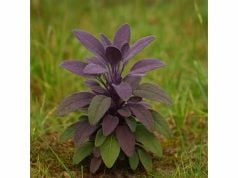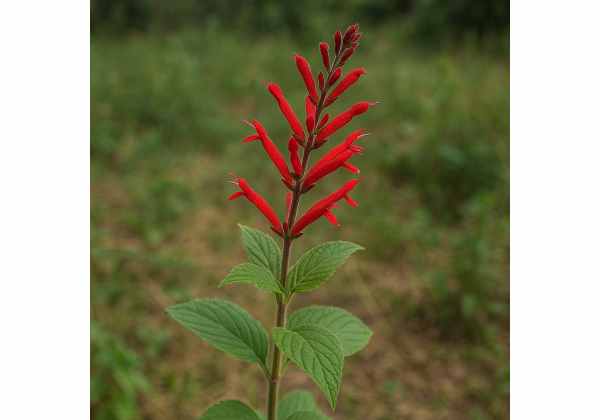
Pineapple sage is one of those herbs that feels instantly friendly. Its leaves release a sweet, fruity scent when rubbed, its red flowers brighten late-season gardens, and its flavor sits somewhere between sage, tropical fruit, and soft mint. Botanically known as Salvia elegans, it is native to Mexico and has long been used there in teas and traditional herbal practice for calming support, discomfort linked with inflammation, and general well-being. It is also a culinary herb, which makes it more approachable than many medicinal plants.
What makes pineapple sage especially interesting is the gap between everyday use and emerging science. It contains rosmarinic acid, caffeic acid derivatives, flavonoids, triterpenes, and distinctive diterpenes that help explain why researchers study it for antioxidant, antimicrobial, mood-related, metabolic, and blood-pressure effects. At the same time, most of the stronger evidence still comes from laboratory and animal studies rather than human clinical trials. That means pineapple sage is best viewed as a flavorful, aromatic herb with promising medicinal properties, not as a proven treatment. Used thoughtfully, it can be both practical and genuinely enjoyable.
Quick Overview
- Pineapple sage is most useful as a fragrant culinary and tea herb with antioxidant and calming potential.
- Its best-supported benefits include antioxidant activity, mild metabolic-support signals, and preclinical mood-related effects.
- A practical home-use range is 1 to 2 cups of mild pineapple sage infusion per day.
- People who are pregnant, highly sensitive to mint-family herbs, or taking antidepressant, blood pressure, or blood sugar medicines should use caution with concentrated products.
Table of Contents
- What pineapple sage is and why it stands out
- Pineapple sage key ingredients and how they work
- Pineapple sage health benefits and medicinal properties
- Traditional uses and practical modern applications
- How to use pineapple sage in tea, food, and simple preparations
- Dosage, timing, and smart use limits
- Safety, side effects, interactions, and who should avoid it
What pineapple sage is and why it stands out
Pineapple sage, Salvia elegans, is a tender perennial shrub in the mint family, grown widely as both an ornamental and an herb. It is best known for its bright scarlet flowers and its fruity leaf aroma, which explains the common name. Unlike common sage, which tends to smell resinous and savory, pineapple sage has a lighter, sweeter, more refreshing character. That makes it useful not only in herbal teas, but also in fruit salads, syrups, desserts, garnishes, and warm-weather drinks.
This herb stands out because it occupies several categories at once. It is a garden plant, a tea herb, a culinary leaf, and a traditional medicinal species. In Mexico, where it is more deeply rooted in folk practice, pineapple sage has been used for nervous complaints, dizziness, inflammatory discomfort, and “buzzing in the ears.” Modern research has taken interest in these traditional uses because they suggest a herb that may influence mood, oxidative stress, vascular tone, and inflammation.
It also stands out because it is pleasant. That may sound minor, but it matters. Many useful herbs are bitter, strongly medicinal, or difficult to fit into daily life. Pineapple sage is different. It is easy to enjoy, and that makes consistent low-level use more realistic. A herb that people are happy to drink as tea or add to food often has a practical advantage over a more powerful plant that people use only reluctantly.
Still, it helps to define what pineapple sage is not. It is not a validated antidepressant, not a proven treatment for hypertension, and not a replacement for glucose-lowering or anti-inflammatory medication. Most of the more exciting claims around it come from preclinical work. That does not make the herb uninteresting. It simply means the evidence is still developing.
There is also a useful botanical point here. Pineapple sage belongs to a large and chemically diverse genus that includes many medicinal sages, but individual species vary a lot. It is not wise to assume that the safety profile or effect profile of one sage applies automatically to another. Pineapple sage has its own chemistry, its own traditional history, and its own likely niche. Compared with more classic sage species, it appears gentler in everyday use and more oriented toward aromatic, relaxing, and antioxidant-rich applications.
For many readers, the best way to understand pineapple sage is this: it is a food-adjacent medicinal herb. Its charm comes from the way it blends pleasure and function. The fruity aroma invites use, the chemistry gives that use some credibility, and the evidence asks us to stay modest rather than making dramatic promises. That balance is what makes it worth knowing.
Pineapple sage key ingredients and how they work
The chemistry of pineapple sage helps explain why it has drawn so much interest in laboratory and animal research. Like several aromatic herbs, it contains a mix of phenolic acids, flavonoids, triterpenes, and volatile compounds rather than one single “hero” ingredient. That usually means the herb works as a broad botanical profile, not as one isolated molecule.
Among the most important compounds are rosmarinic acid and caffeic acid. These are well-known phenolic compounds in aromatic herbs and are strongly associated with antioxidant and inflammation-modulating effects. In pineapple sage, they likely contribute to the plant’s radical-scavenging ability and some of the metabolic and vascular signals reported in preclinical studies. Readers who know rosemary-type antioxidant herbs will recognize how important rosmarinic acid can be in this family of plants.
Pineapple sage also contains flavonoids and flavonoid glycosides, including compounds such as luteolin-related molecules and isosakuranetin derivatives. These compounds matter because flavonoids often influence inflammatory pathways, cell signaling, and oxidative stress responses. In mood-related animal research, some of these constituents have been examined as possible contributors to the plant’s anxiolytic and antidepressant-like effects.
Another notable layer includes triterpenes such as oleanolic acid and ursolic acid. These are widely studied plant compounds with broad biological relevance, including anti-inflammatory and tissue-protective potential. They do not define pineapple sage on their own, but they strengthen the herb’s overall medicinal profile.
Then there are the diterpenes and sesquiterpenes, which help shape both aroma and pharmacology. A newer study on the leaves identified secoisopimarane diterpenes with antibacterial activity against Staphylococcus aureus. That does not mean pineapple sage is now a home antibiotic, but it does support the idea that the herb has more medicinal depth than its cheerful scent might suggest.
A practical way to think about the ingredient profile is to group it into three main functions:
- phenolic acids for antioxidant and enzyme-related effects
- flavonoids for signaling, mood-related, and inflammatory effects
- terpenes and diterpenes for aroma and selected antimicrobial or pharmacologic activity
This chemistry helps explain several recurring themes in the literature:
- antioxidant activity
- inhibition of carbohydrate-related enzymes
- mild antimicrobial effects
- possible vascular and metabolic support
- preclinical central nervous system activity
What it does not justify is a simplistic “super herb” label. Many plants contain impressive compounds on paper. The more useful question is whether those compounds produce meaningful effects in people at realistic doses. With pineapple sage, the answer is promising but incomplete. The chemistry is solid enough to make the traditional uses plausible, but not strong enough to remove the need for caution or realism.
That is why pineapple sage works best when we see it as a chemically interesting herb with good everyday usability. Its ingredients are valuable, but the form of use still matters. A fresh leaf in a glass of iced tea, a mild infusion, and a concentrated extract are not the same thing, even when the plant name on the label is identical.
Pineapple sage health benefits and medicinal properties
Pineapple sage is often described as calming, antioxidant, anti-inflammatory, antihypertensive, antimicrobial, and metabolically supportive. Those labels are partly justified, but not equally well. The most important thing to remember is that the strongest findings are still preclinical, which means they come from test-tube work, chemical analysis, or animal models rather than large human trials.
Its most defensible benefit is antioxidant support. Decoction studies show that pineapple sage has strong radical-scavenging activity and impressive phenolic content, especially when compared with some better-known sages. This does not mean the herb treats disease directly, but it does suggest that a properly prepared infusion can provide biologically relevant antioxidant compounds. For a daily tea herb, that is a meaningful advantage.
Another promising area is metabolic support. Pineapple sage decoctions have shown inhibitory effects on alpha-glucosidase and other enzymes linked with carbohydrate and lipid metabolism. More recent mouse work suggests the plant may influence glucose handling, lipids, adiposity, insulin resistance, and inflammatory signaling in a high-fat-diet model. These findings are interesting, especially for people interested in herbal support for cardiometabolic health, but they are not the same as proven diabetes treatment.
The herb also has a notable mood-related reputation. Traditional Mexican use includes calming, sedative, and dizziness-related applications, and experimental work in mice has shown anxiolytic- and antidepressant-like effects. Researchers have even isolated fractions and compounds that appear to interact with serotonergic pathways. This is enough to take the traditional calming reputation seriously, but not enough to recommend pineapple sage as a stand-alone remedy for depression or anxiety disorders.
There are also vascular and blood-pressure signals. Some preclinical work suggests pineapple sage may affect angiotensin-converting enzyme pathways and may contribute to antihypertensive effects. Again, this is best described as a research lead, not as a home treatment claim.
A newer and more specific area is antibacterial activity. Certain diterpenes isolated from the leaves have shown activity against Staphylococcus aureus. This adds depth to the plant’s medicinal profile, though it is still far from proving that a home tea or tincture can treat infections.
A balanced summary of likely benefits would look like this:
- antioxidant support from phenolic-rich leaf preparations
- mild metabolic-support signals in preclinical models
- calming and mood-related potential in animal studies
- promising antibacterial activity in isolated compounds
- possible vascular and inflammatory support
These benefits make pineapple sage more than just a fragrant garnish. At the same time, the herb is not yet in the category of clinically established medicinal plants with strong human outcome data. Compared with more established calming herbs such as lemon balm, pineapple sage is still earlier in the evidence journey.
The most honest conclusion is that pineapple sage has credible medicinal potential and excellent lifestyle usability, but the evidence still favors modest use, modest claims, and an emphasis on tea, food, and aromatically pleasant support rather than medical promises.
Traditional uses and practical modern applications
Traditional use gives pineapple sage much of its personality. In Mexican herbal practice, it has been used for nervous disorders, inflammatory discomfort, pain, dizziness, and ringing in the ears. These uses are broader than what most modern gardeners imagine when they first encounter the plant, but they fit surprisingly well with the chemistry and preclinical findings now available.
One traditional theme is calming support. Pineapple sage has been described as a tranquilizing or soothing herb, and that reputation likely reflects both its sensory effect and its underlying phytochemistry. A fragrant, warm infusion of pineapple sage is easy to understand experientially. The drink itself is calming, and the plant may also contain compounds that reinforce that effect. This makes it a good example of a herb where taste, aroma, ritual, and chemistry all point in roughly the same direction.
A second traditional theme is inflammation and discomfort. This fits with the presence of rosmarinic acid, flavonoids, and triterpenes. No one should confuse traditional use with clinical proof, but when a herb is historically used for inflammatory complaints and later shows anti-inflammatory potential in laboratory settings, the traditional record becomes more plausible.
Modern practical use tends to be gentler and more lifestyle-based. The leaves and flowers are used in:
- warm and iced teas
- fruit salads
- infused syrups
- herbal lemonades
- jellies and desserts
- garnish for cooling drinks
- fragrant garden and pollinator plantings
That last point may seem outside the health topic, but it matters. Pineapple sage is one of those herbs people actually enjoy keeping near them. It brings sensory pleasure, attracts hummingbirds, and invites use. For some herbs, that everyday relationship is part of their real value.
Compared with sharper or more medicinal-tasting herbs such as peppermint, pineapple sage has a rounder and sweeter character. This often makes it more appealing in evening teas or fruit-based preparations. It is especially well suited to people who want an herbal routine that feels light, aromatic, and emotionally pleasant rather than bitter or strongly medicinal.
Still, modern use should stay honest. Pineapple sage is best for:
- supportive tea use
- culinary enjoyment with added phytochemical value
- gentle calming rituals
- broad antioxidant-rich herbal intake
- creative use in food and nonalcoholic drinks
It is less appropriate as:
- a substitute for psychiatric care
- a primary treatment for hypertension or diabetes
- an aggressive antimicrobial remedy
- a heavily concentrated self-prescribed supplement
That distinction is where practical modern herbalism becomes useful. Pineapple sage does not need to be exaggerated to be worthwhile. In fact, it becomes more valuable when used in ways that match both its traditional character and its current evidence base: flavorful tea, fragrant support, mild calming use, and an easy fit within a plant-rich lifestyle.
How to use pineapple sage in tea, food, and simple preparations
Pineapple sage is remarkably easy to use, which is one of its best qualities. For most people, tea and food are the most sensible forms. These are low-intensity, enjoyable, and consistent with how the herb is commonly appreciated.
Tea and infusion
A mild tea is the classic starting point. Fresh leaves can be bruised lightly and infused in hot water, while dried leaves can be steeped a little longer. The flavor is soft, fruity, and slightly resinous, often improved by pairing it with lemon peel, hibiscus, or mint. For a calming evening drink, it also blends beautifully with lemon verbena.
A good pineapple sage tea should smell fresh and bright, not muddy. The goal is a gentle infusion, not a heavy medicinal decoction. Because the plant is valued partly for its volatile and aromatic profile, overboiling can flatten its appeal.
Food use
The leaves are excellent in:
- fruit salads with citrus, melon, or pineapple
- infused honey or simple syrup
- yogurt, sorbet, and light desserts
- chopped herb mixes for summer drinks
- edible flower garnishes
The flowers are often used decoratively and can add a subtle sweet note. This makes pineapple sage one of the few medicinally interesting herbs that can move naturally into desserts without feeling forced.
Simple home preparations
Beyond tea, people often use the herb in:
- chilled sun tea or refrigerator infusions
- herb-infused vinegar
- infused sugar for desserts
- potpourri and room fragrance blends
- alcohol-free herbal mocktails
These uses may sound more culinary than medicinal, but that is not a weakness. For an herb with limited human trial data, food-level use is usually the smartest place to begin.
What I would avoid is jumping directly to concentrated homemade tinctures or strong extract experiments. Pineapple sage looks gentle, but its more interesting pharmacology appears in concentrated fractions, and that is exactly where uncertainty about dose and interactions increases.
A practical approach is simple:
- start with the fresh or dried leaf as tea
- try it in food before considering any stronger form
- keep the preparation mild and aromatic
- use it regularly for enjoyment rather than intensely for a quick result
- notice how your body responds, especially if you are sensitive to herbal sedatives or strong scents
This is the kind of herb that rewards gentle use. It is not a “more is better” plant. The people most likely to benefit from it are usually the ones who treat it as a pleasant daily support rather than a concentrated fix.
Dosage, timing, and smart use limits
There is no standardized clinical dosage for pineapple sage in humans, and that shapes the entire dosing conversation. Unlike heavily studied herbs with formal extract ranges, pineapple sage is still used mostly as a tea, culinary herb, or traditional preparation. That means practical dosing has to stay modest and form-specific.
For tea, a reasonable home-use range is 1 to 2 cups of a mild infusion per day. People often use either a small handful of fresh leaves or a light amount of dried leaf, steeped rather than boiled hard. Because the research base in humans is limited, the goal should not be pharmacologic intensity. The goal is a pleasant, consistent herbal use level.
For culinary use, there is no real therapeutic ceiling in the way there is for concentrated supplements. A few leaves in a fruit salad or drink garnish are well within ordinary food use. In fact, culinary use is probably the safest way to begin with this plant because it keeps exposure low while still delivering aroma and small amounts of phytochemicals.
For concentrated products, caution becomes more important. Animal studies have used extracts and isolated fractions at doses that do not translate neatly into home herbal practice. This is a common problem: readers see impressive preclinical effects and assume a capsule or strong tincture is the logical next step. With pineapple sage, that leap is not justified yet.
Timing depends on the intended effect:
- for a calming tea, later afternoon or evening makes sense
- for food use, any time of day is fine
- for experimental use around blood sugar or metabolic goals, avoid improvising without guidance
Because some preclinical work suggests serotonergic, antihypertensive, and metabolic activity, it is wise not to combine large amounts of the herb with medication and then guess your way through the result.
A smart dosing philosophy for pineapple sage looks like this:
- stay at food or tea level first
- use one form at a time
- avoid taking it like a drug when the evidence does not support that
- increase only if there is a clear reason and good tolerance
- stop if sedation, dizziness, stomach upset, or unusual symptoms appear
This section is also where limits matter. Pineapple sage is appealing partly because it seems harmless. That is usually true in ordinary culinary use, but “usually gentle” is not the same as “limitless.” Any herb with bioactive compounds can become less predictable in concentrated form. For that reason, the safest and most evidence-aligned dose range remains mild tea and regular food use, not aggressive supplementation.
Safety, side effects, interactions, and who should avoid it
Pineapple sage appears relatively gentle when used as a culinary herb or mild tea, but the clinical safety literature is still thin. That means the right safety message is not alarm, but caution. For most healthy adults, fresh leaves or mild infusions are likely low risk. The uncertainty grows with concentrated extracts, repeated high intake, or medication overlap.
The most plausible side effects are mild and non-specific:
- stomach upset
- nausea from strong tea
- dizziness in very sensitive people
- headache from strong aroma or essential-oil-rich preparations
- allergic reactions in people sensitive to mint-family plants
Because the herb has shown anxiolytic, antidepressant-like, antihypertensive, and antihyperglycemic signals in preclinical studies, certain groups should be more careful. This does not prove dangerous interactions in every case, but it is enough reason not to self-prescribe concentrated pineapple sage extracts casually.
Use extra caution if you:
- take antidepressants or other serotonergic medicines
- take sedatives or sleep aids
- use blood pressure medication
- use diabetes medication
- are pregnant or breastfeeding
- have a history of strong herb allergies
- are planning to use extracts rather than normal tea or food amounts
Pregnancy and breastfeeding deserve a specific note. There is not enough good human safety data to recommend concentrated medicinal use in these settings. Food-level use is less concerning, but stronger preparations should be approached conservatively.
There is also a difference between fresh herb use and extract use. A few leaves in tea are one thing. A bottle of concentrated extract with unclear standardization is another. Many herbal safety misunderstandings come from assuming that a plant’s food use automatically proves the safety of its concentrated forms. That is rarely true.
Pineapple sage also should not be used to postpone proper care. Persistent low mood, significant anxiety, hypertension, tinnitus, dizziness, or blood sugar problems need diagnosis first. An herb with promising early data can still be the wrong response to a serious medical issue.
A practical safety framework is simple:
- start with small food or tea amounts
- avoid concentrated extracts unless you have a good reason
- do not combine it thoughtlessly with psychoactive or cardiometabolic medication
- pause use if you notice dizziness, sedation, stomach irritation, or unexpected changes
- seek guidance if you want to use it for more than flavor and mild support
Compared with stronger medicinal sages or more stimulant-like botanicals, pineapple sage is not especially harsh. But good herbal practice is not about waiting for a plant to become obviously risky. It is about using a reasonable amount, in a reasonable form, for a reasonable purpose. Pineapple sage rewards exactly that kind of restraint.
References
- Secoisopimaranes from Salvia elegans Vahl leaves as antibacterial agents against Staphylococcus aureus 2025 (Experimental Study)
- Salvia elegans Vahl Counteracting Metabolic Syndrome and Depression in Mice on a High-Fat Diet 2024 (Experimental Study)
- A Review on the Ethnopharmacology and Phytochemistry of the Neotropical Sages (Salvia Subgenus Calosphace; Lamiaceae) Emphasizing Mexican Species 2022 (Review)
- Antidepressant and anxiolytic compounds isolated from Salvia elegans interact with serotonergic drugs 2021 (Experimental Study)
- Salvia elegans, Salvia greggii and Salvia officinalis Decoctions: Antioxidant Activities and Inhibition of Carbohydrate and Lipid Metabolic Enzymes 2018 (Experimental Study)
Disclaimer
This article is for educational purposes only and does not replace medical advice, diagnosis, or treatment. Pineapple sage is a culinary and traditional medicinal herb with promising preclinical research, but it does not have strong human clinical evidence for treating anxiety, depression, hypertension, diabetes, or other medical conditions. People who are pregnant, breastfeeding, taking prescription medication, or managing chronic health problems should speak with a qualified healthcare professional before using concentrated pineapple sage products.
If you found this article helpful, please consider sharing it on Facebook, X, or your preferred platform.