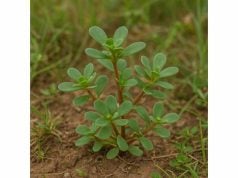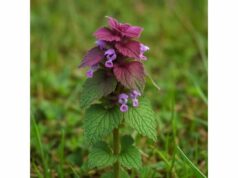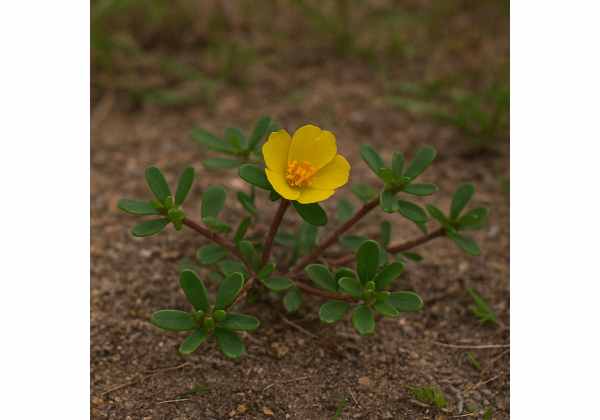
Portulaca oleracea, better known as purslane, is a low-growing succulent herb that has long lived in the overlap between food and medicine. In many cultures, it has been eaten fresh in salads, soups, and stews while also being used traditionally for digestive discomfort, skin irritation, heat-related complaints, and inflammatory conditions. What makes Portulaca especially notable today is that it is both unusually nutrient-dense and pharmacologically interesting. It contains plant omega-3 fatty acids, antioxidants, flavonoids, alkaloids, polysaccharides, vitamins, minerals, and organic acids, giving it a profile that is broader than many common leafy herbs.
Modern research has focused mainly on metabolic health, inflammation, liver support, and bowel function. Some human studies suggest benefits for blood sugar, triglycerides, fatty liver markers, and constipation, while laboratory work points to antioxidant, anti-inflammatory, and tissue-protective effects. Still, the evidence is mixed, and the herb is not risk-free. Because purslane also contains oxalates, dose, form, and personal health history matter. Used thoughtfully, Portulaca can be a useful food-herb, but it works best when approached with realistic expectations.
Key Facts
- Portulaca may support blood sugar balance and triglyceride control when used alongside diet and standard care.
- Its fiber, mucilage, and mineral-rich profile may help bowel regularity and digestive comfort.
- Human study doses have ranged from about 700 mg/day of extract to 7.5 to 10 g/day of seed preparations, depending on the form.
- People with recurrent calcium oxalate kidney stones or significant kidney disease should be cautious with concentrated use.
- Fresh culinary use is usually gentler than high-dose supplement use.
Table of Contents
- What Portulaca is and why it stands out
- Key compounds and medicinal properties in Portulaca
- What Portulaca may help with for metabolic and inflammatory health
- Uses in food, herbal practice, and digestive support
- How much Portulaca to take and the forms that matter
- Safety, oxalates, interactions, and who should avoid it
- How to use Portulaca realistically and what results to expect
What Portulaca is and why it stands out
Portulaca oleracea is an edible annual herb with smooth reddish stems, fleshy leaves, and a slightly lemony, salty taste. Many gardeners know it as purslane, and some know it as a stubborn weed. That reputation hides something important: purslane is one of the more nutritionally impressive wild edible plants, and it also has a long history in traditional medicine across Asia, the Middle East, the Mediterranean, and parts of Latin America.
Unlike many medicinal herbs that are mainly taken as dried extracts or teas, Portulaca often begins as food. The leaves and tender stems are eaten fresh, lightly cooked, pickled, or blended into sauces and soups. Seeds are used in some traditional systems as well, especially when metabolic or digestive effects are the focus. This “food first, medicine second” character is part of what makes the plant so appealing. It does not feel foreign to the body in the same way some highly concentrated botanical extracts can.
Its modern interest comes from two overlapping strengths. First, it is rich in nutrients such as vitamin C, carotenoids, potassium, magnesium, and alpha-linolenic acid, a plant omega-3 fat. Second, it contains bioactive compounds that appear to influence inflammation, oxidation, glucose handling, gut activity, and tissue repair. That combination means Portulaca is not simply a salad green, but it is also not best understood as a miracle herb.
Traditional systems have used purslane for a wide range of complaints, including heat and thirst, bowel irritation, dysentery-like illness, skin inflammation, minor wounds, urinary discomfort, and general inflammatory states. Some of these uses make sense in light of its moistening, cooling, and antioxidant profile. Others still lack strong clinical validation and should be seen as traditional context rather than modern proof.
One reason Portulaca stands out among edible botanicals is that the whole plant matters. Fresh shoots, aerial parts, and seeds do not behave identically. Fresh culinary use emphasizes nutrients, hydration, and fiber. Seed-based or extract-based use leans more toward targeted supplement-style effects studied in trials for blood sugar, lipids, liver markers, and bowel function.
This dual identity also makes it easy to misunderstand. Some people treat purslane as “just a weed you can eat,” while others oversell it as a cure-all. The most balanced view is in the middle. Portulaca is a nutrient-rich edible herb with credible medicinal potential, especially for metabolic and inflammatory support, but its benefits depend on the form, the amount, the reason for use, and the person taking it.
Key compounds and medicinal properties in Portulaca
Portulaca’s medicinal profile comes from a layered mix of nutrients and secondary plant compounds rather than from one standout chemical. That matters because many of its potential benefits seem to come from synergy. In plain terms, the plant works like a complex system, not like a single-purpose drug.
The best-known nutritional highlight is its alpha-linolenic acid, or ALA, a plant omega-3 fatty acid. Purslane is unusual among leafy plants for containing meaningful amounts of this fat, which helps explain its reputation as a cardiometabolic food. If you want a broader comparison with another plant-based ALA source, chia’s omega-3 and fiber profile offers a useful point of contrast, since Portulaca behaves more like a leafy succulent while chia behaves more like a concentrated seed food.
Beyond ALA, Portulaca contains:
- Flavonoids, including compounds associated with antioxidant and anti-inflammatory activity
- Alkaloids that may help explain some of its neurologic and tissue-protective research interest
- Polysaccharides that appear relevant to immune signaling, gut activity, and tissue protection
- Betalains and carotenoids that contribute antioxidant action
- Vitamins such as vitamin C and vitamin E
- Minerals including potassium, magnesium, calcium, and iron
- Mucilage and fiber, which are especially relevant for digestive uses
- Organic acids, including oxalates, which matter for safety
These compounds support the plant’s most commonly described medicinal properties:
- Antioxidant
- Anti-inflammatory
- Hypoglycemic or glucose-modulating
- Hypolipidemic or lipid-lowering
- Hepatoprotective
- Mild laxative or bowel-motility-supportive
- Gastroprotective
- Tissue-protective in experimental models
The anti-inflammatory and antioxidant labels are the easiest to overuse, so it helps to define them practically. Antioxidant activity means Portulaca may help reduce oxidative damage under stress. Anti-inflammatory activity means it may help downshift some inflammatory signaling pathways. These are meaningful properties, but they do not automatically translate into dramatic symptom relief in every person or every condition.
Another important feature is that Portulaca is both hydrating and softening from a food perspective. The succulent texture, soluble components, and fiber make it different from dry herbs that mainly stimulate or astringe. This may partly explain why traditional uses often involved irritated tissues, bowel heat, thirst, or inflamed skin.
At the same time, the presence of oxalates introduces an important limit. A plant can be nutritious and bioactive while still being unsuitable for certain people in concentrated amounts. That is one reason medicinal properties should always be discussed together with preparation method and dose.
Taken together, Portulaca’s compound profile supports the idea that it is not just nutritious but biologically active. Still, the safest conclusion is that its chemistry makes the plant promising, while the real-world strength of each benefit depends on the quality of the human evidence behind it.
What Portulaca may help with for metabolic and inflammatory health
The strongest modern interest in Portulaca is metabolic health. Human studies and systematic reviews suggest that purslane may help with fasting blood glucose, triglycerides, inflammatory markers, and some liver-related outcomes, especially in people who already have insulin resistance, type 2 diabetes, or non-alcoholic fatty liver disease. That does not make it a replacement for medical care, but it does make it more than a folk remedy.
The most defensible benefits are these:
- Blood sugar support
Some trials and meta-analyses suggest Portulaca can modestly lower fasting blood glucose. The signal is more consistent for fasting glucose than for every insulin-related marker. In practical terms, that means it may be worth considering as an adjunct, not as a stand-alone treatment. - Triglyceride and lipid support
Purslane seems more likely to help triglycerides than to dramatically transform the full lipid panel. That fits its nutritional profile, including fiber, antioxidants, and plant omega-3 fat, as well as its studied seed and extract preparations. - Liver support in fatty liver settings
Recent human work has reported improvements in liver enzymes, oxidative stress markers, inflammatory markers, and imaging-related liver measures in people with fatty liver disease. This is promising, though it needs replication before anyone treats it as settled practice. - Inflammatory tone
Portulaca has repeatedly shown anti-inflammatory effects in lab and animal studies, and some human metabolic studies also suggest reductions in inflammatory markers. This likely helps explain why it appears in such a wide range of traditional uses. - Weight-related or waist-related support
Some studies show improvements in anthropometric measures when Portulaca is used within a broader dietary plan. Here again, the key phrase is “within a broader plan.” It is not a fat-loss shortcut.
The evidence becomes less certain once claims move beyond these areas. Purslane has been studied experimentally for neuroprotection, ulcerative colitis, wound healing, immune effects, and reproductive biology, but most of that work remains preclinical. It is fair to call these areas promising, but not proven.
For readers interested in food-like herbs that overlap with metabolic support, moringa’s role in diabetes and heart health offers a useful comparison. Both plants are nutrient-dense and pharmacologically active, but Portulaca stands out for its succulent texture, omega-3 content, and stronger digestive and oxalate considerations.
The bigger lesson is that Portulaca seems most useful when inflammation and metabolism intersect. That includes people dealing with diet-related strain, fatty liver patterns, borderline lipid issues, or blood sugar instability alongside lifestyle treatment. The plant may help, but the benefit is usually incremental and context-dependent. A healthy diet, movement, sleep, and medication adherence, when needed, still do the heavy lifting.
Uses in food, herbal practice, and digestive support
Portulaca is one of the easier medicinal plants to bring into everyday life because it does not have to begin as a supplement. Fresh purslane can be used as a tart, juicy green in salads, yogurt-based dishes, omelets, soups, stir-fries, and pickles. Light cooking softens the texture and can make it more appealing to people who find raw purslane too slippery or sour.
As a food, purslane is best used for steady nutritional support rather than for dramatic medicinal results. A small handful in a salad or side dish can add texture, minerals, vitamin C, carotenoids, and plant omega-3 fat. Regular use may help gently improve diet quality, especially if it replaces less nutrient-dense foods.
In herbal practice, the plant is used in several different ways:
- Fresh aerial parts as food or fresh juice
- Dried aerial parts in powders or extracts
- Seeds in measured therapeutic amounts
- Capsules or tablets containing aerial-part extract
- Traditional decoctions or mixed formulas
Digestive support is one of the more practical traditional uses that still makes sense today. The plant’s fiber, mucilage, and softening quality may support bowel movement and stool comfort, while extract studies suggest benefits for functional constipation. This does not mean all forms work the same way. Fresh herb acts differently from a concentrated capsule, and seeds behave differently again.
For constipation-prone readers, it helps to separate two goals. One is gentle daily support through fiber-rich foods. The other is targeted therapeutic use. Portulaca may help with both, but if your main goal is regularity, comparing it with psyllium’s soluble fiber and digestive effects is useful. Psyllium is more predictable as a classic bowel fiber, while Portulaca offers a broader mix of nutrients and bioactive compounds with a less standardized effect.
Traditional uses also extend to skin and inflammatory irritation. Poultices or fresh plant applications have been used in folk medicine for minor skin discomfort and heat-related irritation. Modern readers should treat these as traditional observations rather than universal recommendations, especially on broken skin or in infected wounds.
A thoughtful everyday use pattern might look like this:
- Use fresh purslane as a food several times per week if available.
- Consider a standardized extract only if you have a specific reason, such as metabolic support or a clinician-guided plan.
- Match the form to the goal. Fresh herb is best for nourishment. Measured extract or seed use is more relevant for supplement-style effects.
This food-to-medicine flexibility is one of Portulaca’s greatest strengths. It makes the herb approachable, but it also means that casual use and concentrated use should not be confused.
How much Portulaca to take and the forms that matter
Portulaca dosing is not standardized in one simple way because the plant is used in very different forms. Fresh aerial parts, dried herb, seeds, hydroethanolic extracts, and mixed formulas all deliver different amounts of active compounds. That means the right question is not just “How much Portulaca?” but “How much of which form, for what purpose?”
Human studies have used a fairly wide range. Seed-based interventions have often used around 7.5 to 10 g per day, while one recent fatty liver study used 700 mg per day of aerial-part extract for eight weeks. Broader systematic review data suggest clinical doses across studies have ranged from roughly 180 mg per day to 10 g per day. This wide spread is one reason there is no universal best dose.
A practical way to think about form and dose is:
- Fresh culinary purslane: food amount rather than supplement amount
- Seed powder: more targeted metabolic dosing in some trials
- Standardized extract: more convenient, more concentrated, and more variable between products
- Traditional decoction or powder: depends heavily on preparation quality and practitioner guidance
For general food use, people often do well with a modest serving as part of meals rather than a strict gram target. A small handful of fresh leaves and tender stems is enough to make purslane a regular dietary component without turning it into a pharmacologic experiment.
For supplement-style use, careful reading of the label matters. Look for:
- The plant part used
- Whether the product uses seeds or aerial parts
- Extract ratio or concentration
- Daily serving size
- Whether the formula contains other herbs
If you are new to Portulaca, start lower than the full suggested dose and see how you tolerate it. This is especially important if you have a sensitive stomach or a history of kidney stones.
Timing depends on the goal. For metabolic support, using it with meals is often the most sensible approach. For digestive or constipation-focused use, spacing and hydration matter more. For fresh herb use, timing is less important than consistency.
Portulaca can also be compared with other ALA-containing foods. For example, flax for cholesterol and heart support gives a useful contrast because flax is more concentrated as a seed and often more fiber-dense in supplement-style use, while purslane offers a greener, more culinary route with different texture and oxalate considerations.
The main dosing mistake is assuming that “edible” means “unlimited.” That is not true. Fresh food use is usually forgiving, but concentrated extracts and large daily amounts deserve the same respect you would give any active herb. Start low, match the form to the goal, and do not assume that more is better.
Safety, oxalates, interactions, and who should avoid it
Portulaca is often described as a safe edible plant, and for many healthy people that is true when it is eaten in ordinary food amounts. Still, safety becomes more important when the herb is used frequently, in concentrated form, or by people with certain medical conditions. The main issue that deserves attention is oxalate content.
Purslane can contain substantial oxalates, which matter because oxalate can bind minerals and may contribute to kidney stone risk in susceptible people. There are also case reports of heavy purslane intake being linked to oxalate nephropathy, a serious form of kidney injury. These reports do not mean everyone should fear the plant, but they do mean that concentrated or excessive use is not appropriate for everyone.
People who should be especially cautious include:
- Those with recurrent calcium oxalate kidney stones
- People with chronic kidney disease
- Anyone with a history of hyperoxaluria
- People following multiple high-oxalate foods at the same time in large amounts
- Those using concentrated extracts without professional guidance
Other safety points are more ordinary but still relevant. Because purslane may influence blood glucose, people using glucose-lowering medication should monitor carefully if they start a supplement form. The same cautious logic applies to lipid-lowering and blood pressure treatment. Portulaca is not known for dramatic herb-drug interactions, but additive effects are possible.
Digestive tolerance also varies. Some people feel fine with fresh purslane but not with seeds or extracts. Others develop loose stools or mild stomach upset when they increase intake too quickly. Fresh, food-based use is generally easier to tolerate than concentrated capsules.
Pregnancy and breastfeeding deserve caution as well. Traditional uses exist, but modern safety data are not strong enough to support routine medicinal dosing in these groups. Culinary food amounts are a different question, but concentrated supplemental use should be approached conservatively.
A few practical safety habits can reduce risk:
- Do not jump straight into large daily doses.
- Prefer moderate food use before concentrated extracts if you are unsure how you respond.
- Stay well hydrated, especially if you are using the plant for digestion or bowel support.
- Be cautious with high-oxalate intake if you already have stone risk.
- Tell your clinician if you use Portulaca regularly and also take medication for diabetes, blood pressure, or lipids.
The bigger picture is reassuring but not casual. Portulaca is a legitimate edible herb, yet “natural” does not erase oxalate risk or make concentrated long-term use automatically suitable. Safety depends on the dose, the preparation, and the person.
How to use Portulaca realistically and what results to expect
Portulaca is at its best when used with a clear purpose. If you expect it to transform your health overnight, you will probably be disappointed. If you use it as a nutrient-rich edible herb or as a carefully chosen adjunct for a specific goal, it becomes much more useful.
Start by deciding what role you want it to play.
If your goal is better food quality, fresh purslane is the most natural entry point. Use it as a regular leafy addition to meals a few times per week. This route is less about “feeling” an immediate effect and more about improving nutrient density and supporting a less inflammatory dietary pattern.
If your goal is metabolic support, a measured seed or extract product may be more relevant than culinary use alone. In that case, it helps to track something concrete over 6 to 8 weeks:
- Fasting glucose trends
- Triglycerides or routine lipid values
- Waist measurement
- Digestive comfort
- Energy after meals
- Laboratory markers already being followed by a clinician
If your goal is bowel support, look at stool regularity, stool comfort, and whether the effect is food-like and gentle or more noticeable after a concentrated form. Do not judge its success based on one day.
Realistic expectations matter. Portulaca is more likely to offer modest, meaningful improvement than a dramatic before-and-after result. People who tend to do best with it are those who already understand that herbs work as part of a pattern. That means better results often show up when Portulaca is paired with meal structure, hydration, movement, and reduced reliance on ultra-processed foods.
Choosing a product also matters. Prefer brands that state the plant part, dose, and extract form clearly. A product labeled only as “purslane complex” tells you very little. Single-ingredient products are often better for first trials because they make it easier to judge response.
Finally, remember that Portulaca sits in a rare category: it can be both nourishment and remedy. That makes it attractive, but it also means the best use is usually the least dramatic one. Used consistently and intelligently, it may support metabolic balance, digestion, and inflammatory resilience. Used carelessly or in excessive amounts, especially by someone with oxalate sensitivity, it can become a poor fit. Realistic use is what turns this humble herb into a genuinely practical one.
References
- A review on ethnopharmacology, phytochemistry, pharmacology and potential uses of Portulaca oleracea L 2024 (Review)
- The effects of purslane (Portulaca oleracea) on C-reactive protein, lipid profile, and glycemic control in patients with type 2 diabetes mellitus: A GRADE-assessed systematic review and meta-analysis of randomized controlled trials 2024 (Systematic Review)
- Effects of Portulaca oleracea (purslane) on liver function tests, metabolic profile, oxidative stress and inflammatory biomarkers in patients with non-alcoholic fatty liver disease: a randomized, double-blind clinical trial 2024 (RCT)
- Effect of Portulaca Oleracea L. extract on functional constipation: A randomized, double-blind, placebo-controlled trial 2022 (RCT)
- Assessment of Purslane (Portulaca oleracea L.) Total Oxalate Content, Ascorbic Acid, and Total Organic Acids Using Near-Infrared Spectroscopy 2025
Disclaimer
This article is for educational purposes only and does not replace medical advice, diagnosis, or treatment. Portulaca oleracea may affect blood sugar, digestion, and oxalate load, and concentrated forms may not be appropriate for people with kidney stone risk, kidney disease, pregnancy, breastfeeding, or ongoing treatment for metabolic conditions. Herbal and food-based preparations also vary widely in strength and composition. If you plan to use Portulaca regularly for a health condition or alongside prescription medicine, speak with a qualified healthcare professional first.
If this article was useful, please share it on Facebook, X, or another platform that fits your audience.